


Pastry & Chocolate Shop Supplies for Professional Production
Pastry and Chocolate Shop Supplies include equipment for tempering, portioning, glazing, cutting, and decorating chocolate, pralines, creams, and cakes. The right equipment ensures consistent results and predictable workflows in confectioneries, patisseries, chocolateries, bakeries, cafés, hotels, and commercial dessert kitchens. Guide to Confectionery & Chocolaterie Supplies »






Pastry Shop & Chocolaterie: Requirements for Controlled Work Steps
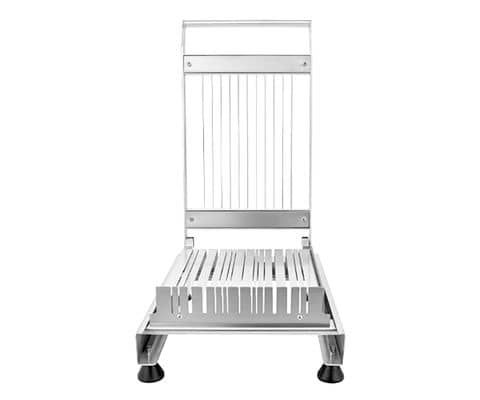
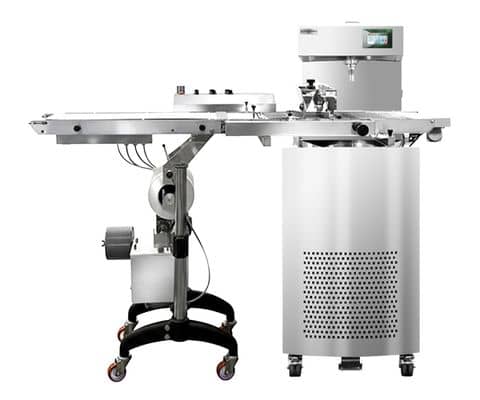
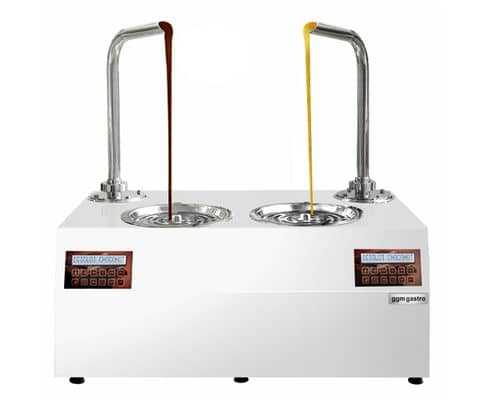
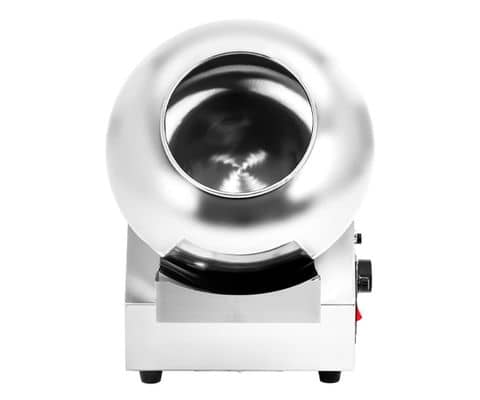
Professional pastry and chocolate-making equipment refers to machines and devices used to process and refine chocolate, praline mixtures, glazes, creams, and cakes in a commercial setting. These include, among other things, tempering machines, chocolate dispensers, vibrating tables, praline cutters, glazing machines, coating machines, cream machines, and cake levelers.
Each piece of equipment handles a clearly defined step in the production process. Tempering machines maintain couverture within a suitable temperature range, dispensers ensure consistent portioning, and vibrating tables help distribute chocolate into molds and reduce trapped air. Cutting frames and praline cutters ensure uniform dimensions, while glazing and coating machines facilitate recurring finishing processes.
For small manufacturers, compact tabletop machines with manageable container volumes are often sufficient. Production kitchens handling high volumes, on the other hand, require larger capacities, continuous workflows, or tempering machines with conveyor belts.
Coordinate production volume, space, and workflow
The appropriate machine size is not determined solely by the total daily volume. The decisive factor is how much chocolate, cream, or glaze must be processed within a given production window. Preparing for weekend business presents different requirements than ongoing praline production across multiple shifts.
A tempering machine should be sized so that the required batch can be processed without frequent refilling. At the same time, large tanks take up more floor space and require longer heating and cleaning times. For automatic dispensers, conveyor belt systems, and coating machines, additional factors to consider include working width, feed mechanisms, and sufficient clear space for product transfer.
Short distances between the equipment, molds, storage areas, and chilling tables facilitate a smooth production flow. Sturdy stainless steel furniture provides hygienic work surfaces and can safely support heavy tabletop equipment. Before purchasing, check the external dimensions, working height, equipment weight, and the load-bearing capacity of the installation site.
Quick Checklist for Choosing the Right Equipment
The following factors are particularly relevant for the selection process:
- Production volume and desired batch size
- Container volume, working width, or throughput
- Manual, semi-automatic, or continuous processing
- Available floor space and a 230- or 400-volt power connection
- Accessibility for cleaning and product changeovers
A facility that processes different types of chocolate requires easily accessible tanks and product pathways that are simple to clean. In contrast, for consistent batch production, a higher degree of automation may be more important. Temperature control also deserves attention: chocolate coating is sensitive to fluctuations, which is why controlled heat management is essential for consistent processing and surface quality.
Hygiene and Durability in Daily Use
Chocolate, creams, and glazes leave behind greasy or sticky residue. Smooth stainless steel surfaces, removable containers, and accessible spouts speed up cleaning and make it easier to switch between varieties. Dead spaces, hard-to-reach corners, or components that are difficult to disassemble, on the other hand, increase the daily maintenance effort.
For intensive use, sturdy agitators, durable dosing mechanisms, and stable constructions are also essential. Vibrating tables are regularly exposed to mechanical vibrations, while cutting frames and praline cutters must be guided with precision. The build quality should therefore be suited to the intended frequency of use.
Temperature control and cooling also go hand in hand. Depending on the recipe, freshly molded products or coated items require controlled cooling. However, a suitable retail display cooler is intended for presentation and does not replace cooling systems tailored to the production process.
Economic Benefits Through Consistent Processes
Carefully selected pastry and chocolate-making equipment can simplify repetitive tasks and make results easier to predict. Consistent portions help with cost calculations, controlled temperatures reduce unnecessary rework, and standardized cut sizes make packaging and sales easier.
The economic benefit is greatest when a piece of equipment resolves a real bottleneck. An automatic dispenser makes sense when manual portioning regularly ties up staff. A conveyor-belt machine is suitable for recurring quantities, whereas it can take up an unnecessary amount of space and capital for small, one-off batches.
The combination with dishwashing units and suitable cleaning areas also influences the workflow. Containers, molds, and tools require a clearly organized return process after production so that cleaning and the next batch do not interfere with one another.
Choose Pastry and Chocolate Shop Equipment That Fits Your Business
A viable solution depends on the type of product, production volume, degree of automation, power consumption, and cleaning requirements. Compact units offer a cost-effective entry point, while larger systems can streamline the processing of recurring volumes.
GGM Gastro assists commercial operations in selecting suitable solutions for the production of chocolate, pralines, cream, glaze, and cakes. This allows the equipment to be tailored to available space, workflow organization, and planned growth.