


Portafilter Machines for Restaurants, Cafés, and Hotels
Portafilter machines enable the professional preparation of espresso, cappuccino, latte macchiato, and other specialty coffees in commercial settings. They are ideal for cafés, restaurants, hotels, bars, bakeries, and businesses that want to combine coffee quality, serving speed, and a high-end counter presence. Portafilter Machine Guide »

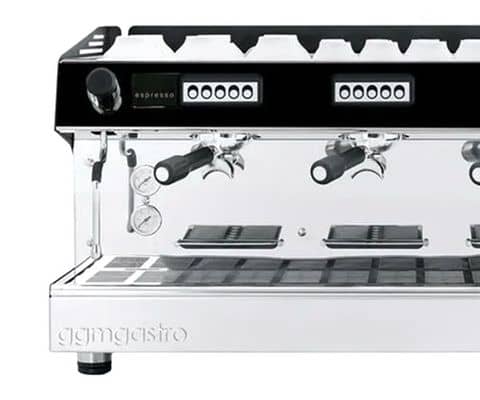


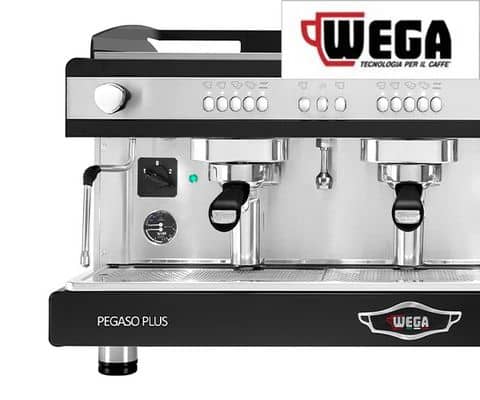

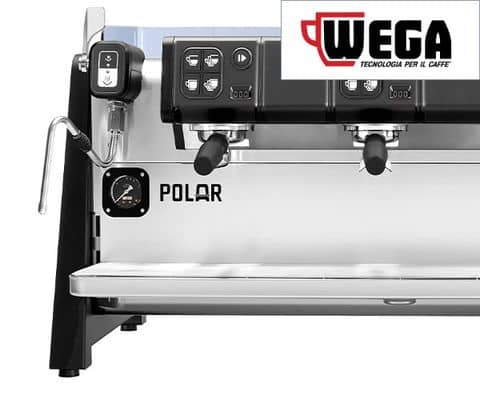
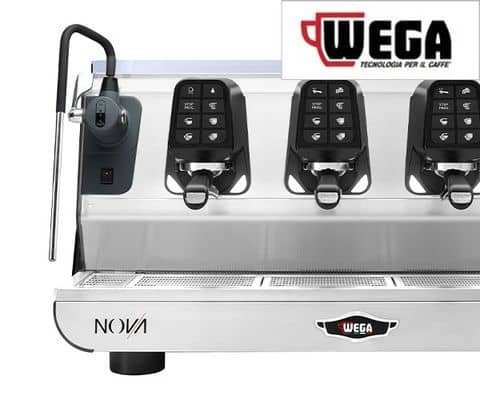

Portafilter machines as a professional foundation for specialty coffees
Portafilter machines are commercial espresso machines in which ground coffee is extracted under pressure in the portafilter. In professional settings, they are known for controlled espresso preparation, powerful steam output for milk-based drinks, and a visible coffee station in the service area.
For cafés, restaurants, hotels, bars, bistros, and bakeries, portafilter machines are more than just devices for making espresso. They influence how quickly specialty coffees are served, how consistent the quality remains, and how professionally the beverage service is perceived. Especially in places where coffee is a major source of revenue, the right balance of brew groups, boiler capacity, steam wand, space requirements, and ease of use is crucial.
Which portafilter machine is right for your business?
The most important decision starts with the expected volume of coffee served. A single-group portafilter machine is suitable for smaller establishments, secondary areas, or locations with limited space. In cafés, restaurants, and bars with a steady flow of coffee orders, a 2-group machine is often the more economical solution because espresso and milk-based drinks can be prepared simultaneously. For high volume, breakfast service, hotel bars, or heavily frequented coffee stations, 3-group models offer more capacity during peak hours.
The type of operation also plays a role. In a small bistro, a compact design with intuitive controls is key. In a café-bar, steam output, a cup rack, quick access to the grinder and tamper, and a consistent workflow are important. In hotel settings, peak hours, simultaneous orders, and long intervals between use become a greater focus.
Classify power, connection type, and features appropriately
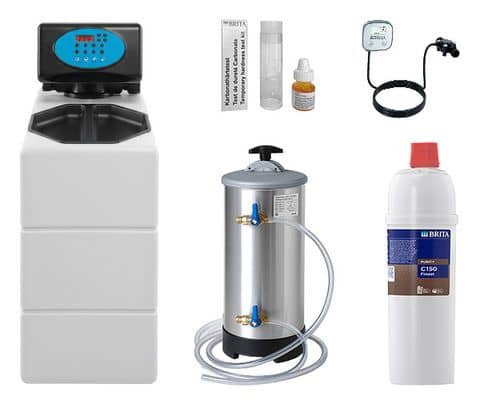
With portafilter machines, technical details directly influence day-to-day operations. Brewing groups determine how many espressos can be brewed at the same time. Boiler capacity and boiler technology affect temperature stability and steam output. A permanent water connection simplifies day-to-day operations, while tank-based solutions may be a good option where a permanent installation isn’t possible.
The following factors are particularly relevant when making a selection:
-
Number of brewing groups appropriate for the volume of cups served
-
Boiler and steam output for cappuccino and latte macchiato
-
Dimensions and footprint in the counter or back-of-house area
-
Connection type, water supply, and water treatment
-
Cleaning access, drip tray, and operating logic
A suitable machine does not operate in isolation. It requires an easily accessible coffee grinder, sufficient counter space, short distances to cups and milk, and a designated area for frothing, tamping, and cleaning.
Best Practices for Espresso, Milk Foam, and Cleaning
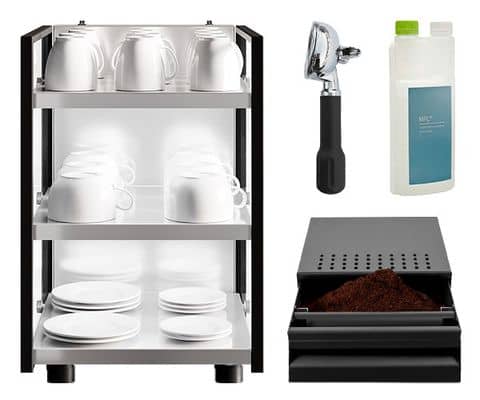
During daily operations, the layout of the coffee station determines the pace and efficiency of service. During breakfast service at a hotel or the lunch rush at a restaurant, multiple orders come in at the same time: espresso, cappuccino, latte, and hot water are prepared simultaneously. When the portafilter machine, grinder, milk pitcher, knock box, and cups are arranged logically, movements are kept to a minimum and workflows remain straightforward.
Hygiene and maintenance are key factors in the purchasing decision. Coffee oils, milk residue, moisture, and daily cleaning take a toll on brew groups, steam wands, and drip trays. Easily accessible components, durable surfaces, and appropriate cleaning agents simplify the daily routine. In combination with barista accessories and appropriate water treatment, the machine can be more easily integrated into a stable operational workflow.
A Cost-Effective Look at Portafilter Machines
A portafilter machine becomes a sound business investment when it aligns with the volume of business, the team, and the service concept. Machines that are too small slow down service during peak hours. Models that are too large tie up space, capital, and energy without being fully utilized on a daily basis. The key is striking a balance between performance capacity, ease of use, and realistic coffee volume.
For establishments with limited space, a compact machine with a well-planned work area may make more sense than a larger model that isn’t seamlessly integrated. In heavily frequented café or hotel areas, on the other hand, greater brewing capacity helps ensure smoother service. Complementary stainless steel furniture provide hygienic storage surfaces, while suitable sink & cleaning solutions support maintenance and daily cleaning.
Quick Checklist for Choosing Your Espresso Machine
The right approach comes down to a few clear points: How many specialty coffees are served during peak hours? How much space is available at the counter or back buffet? Is a permanent water connection needed, or is a flexible solution required? Which milk-based beverages make up the core of the menu? How easy does the machine need to be to operate for rotating staff?
Those who consider these points before making a purchase will more quickly find an espresso machine that suits their business. GGM Gastro offers professional models for businesses of various sizes, complemented by accessories, expert advice, fast availability, and tailored solutions for a high-performance coffee station in everyday commercial use.