


Vegetable Slicers & Cheese Graters for the Food Service Industry
Vegetable cutters and cheese graters help professional kitchens prepare vegetables, fruits, and cheese quickly. They ensure consistent cuts, predictable workflows, and hygienic work processes in everyday commercial kitchens. Guide to Vegetable Cutters & Cheese Graters »

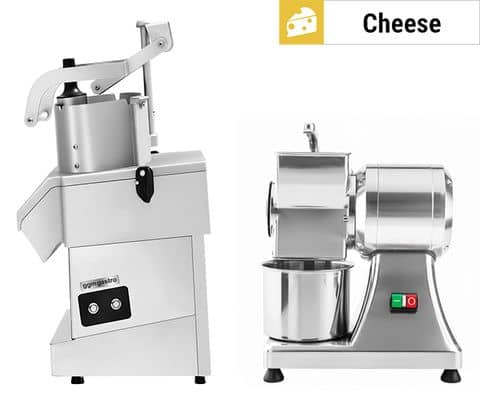


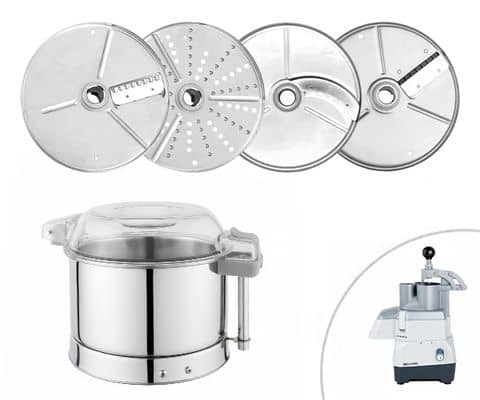

Product type
Operation
Capacity
Cutting capacity per day
Price
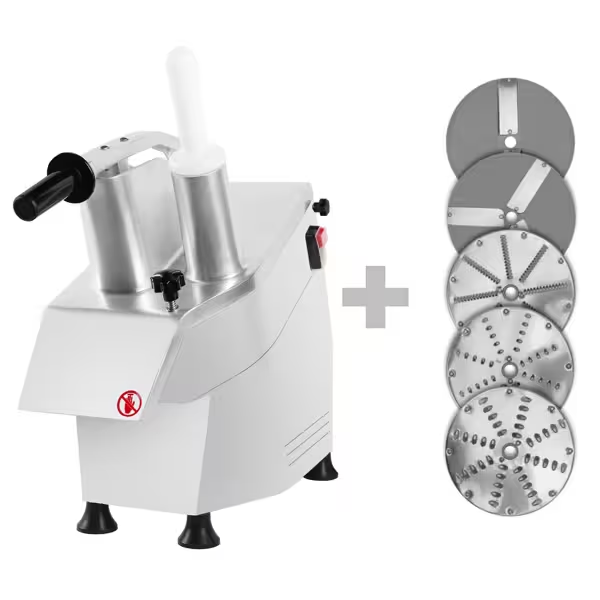
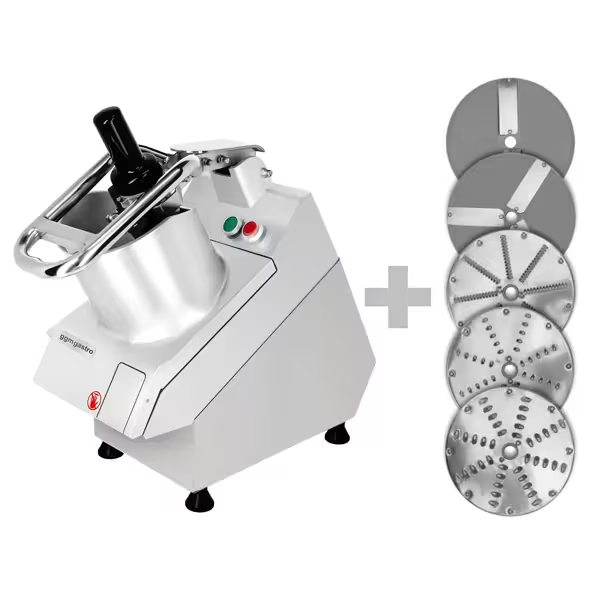
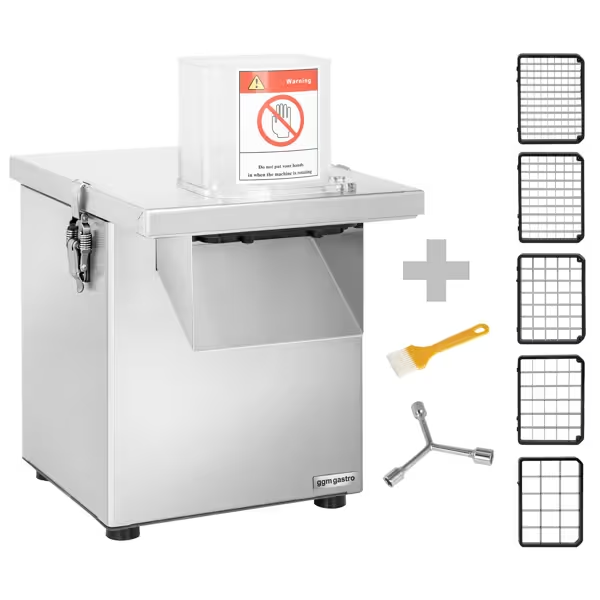
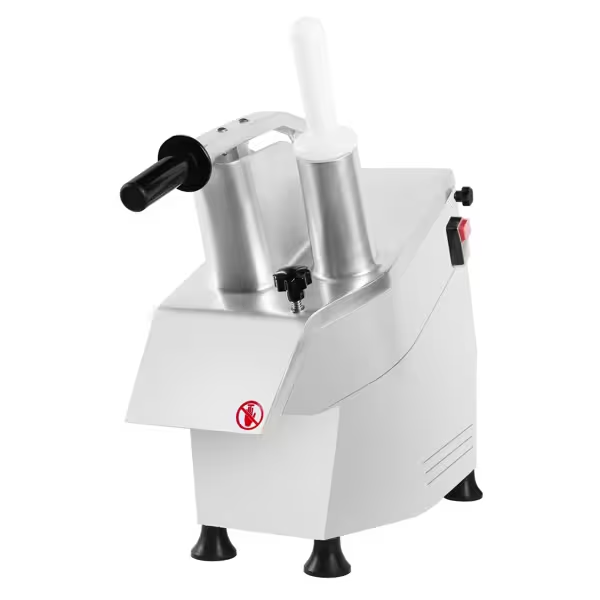

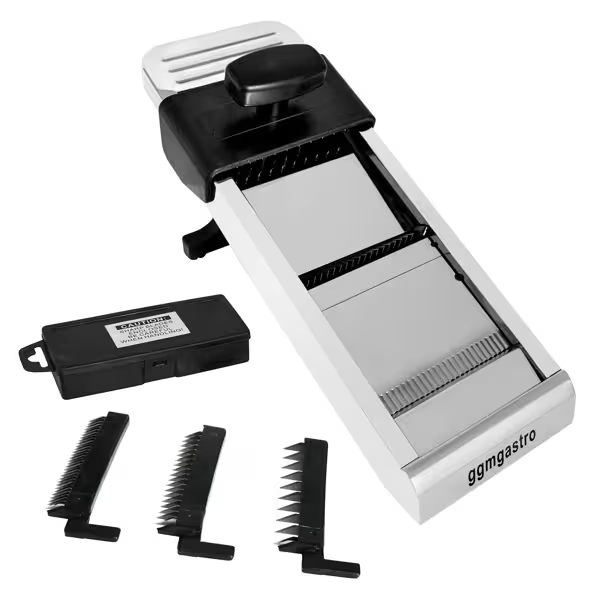
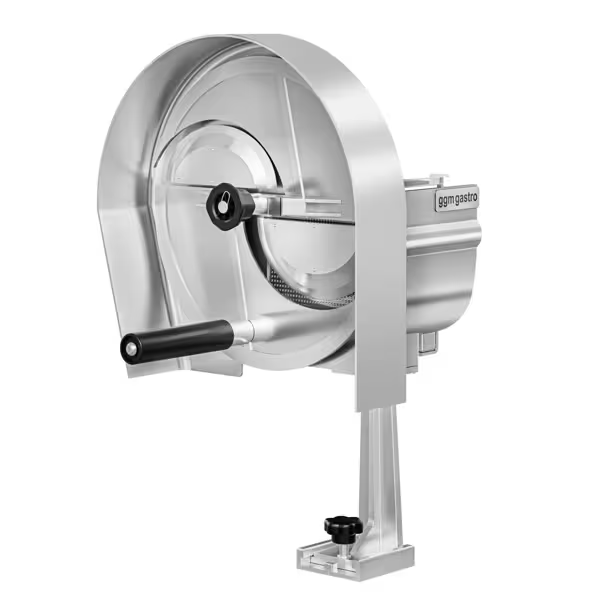
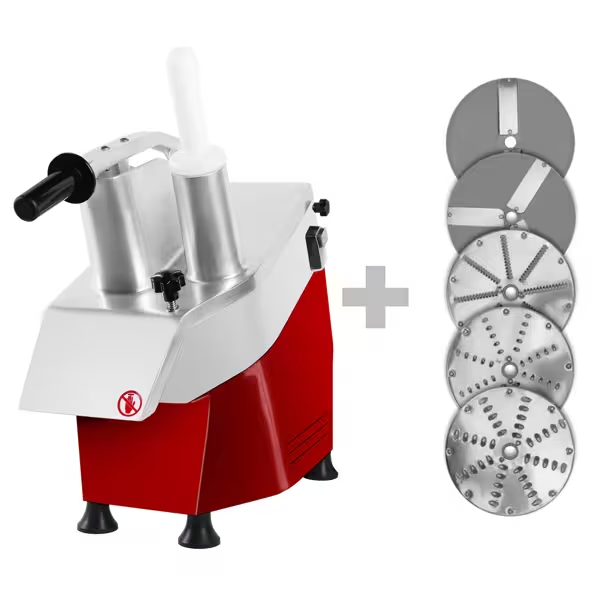
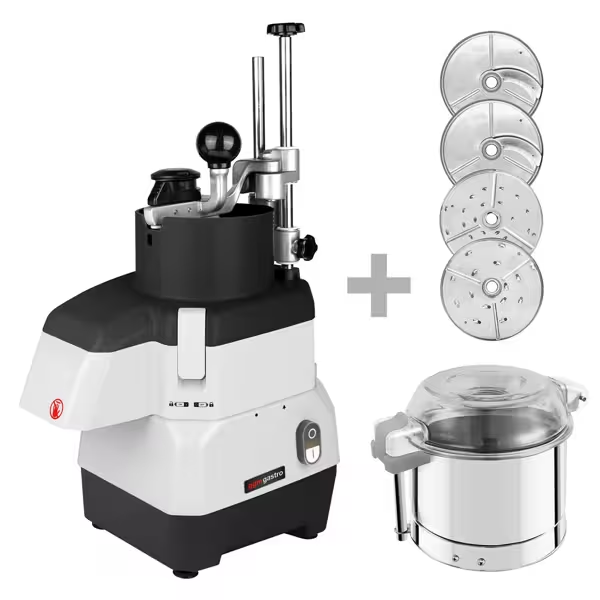
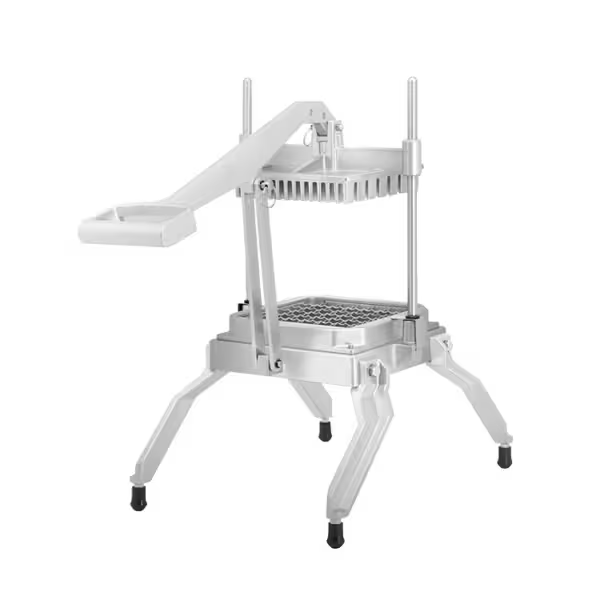
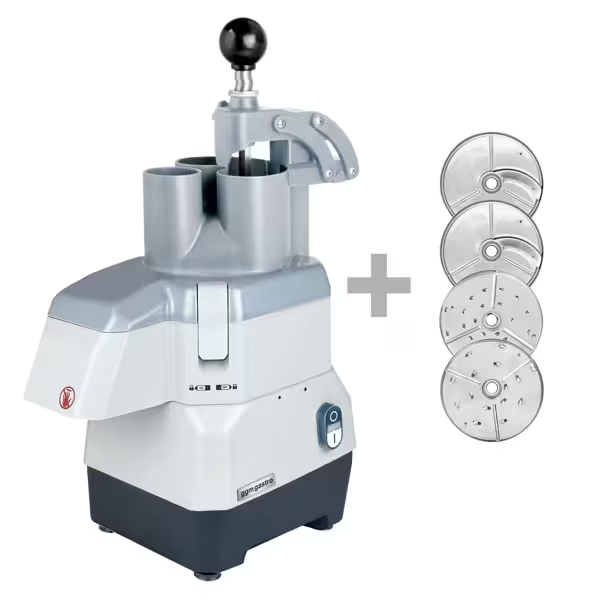
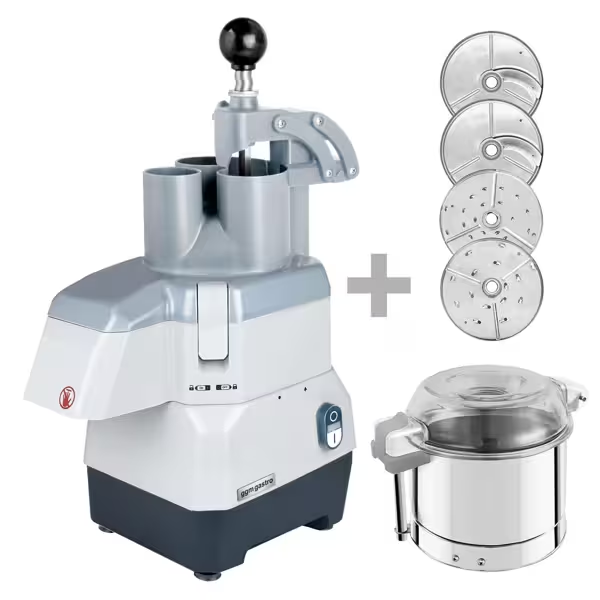
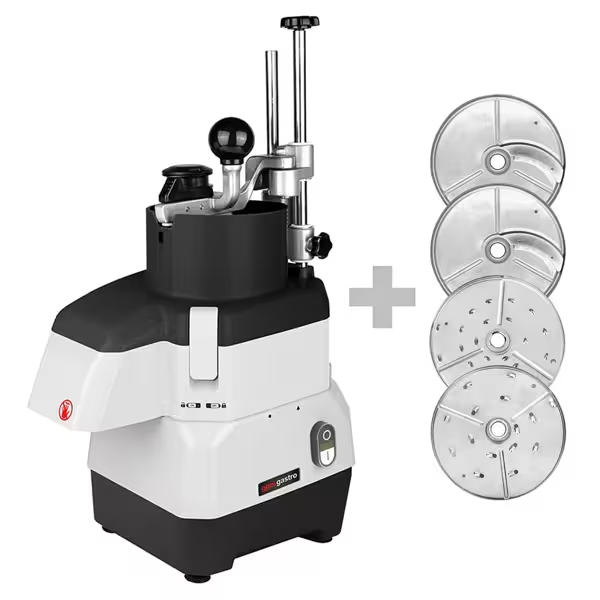
Vegetable Cutters & Cheese Graters: Preparation Aids for Everyday Use in the Food Service Industry
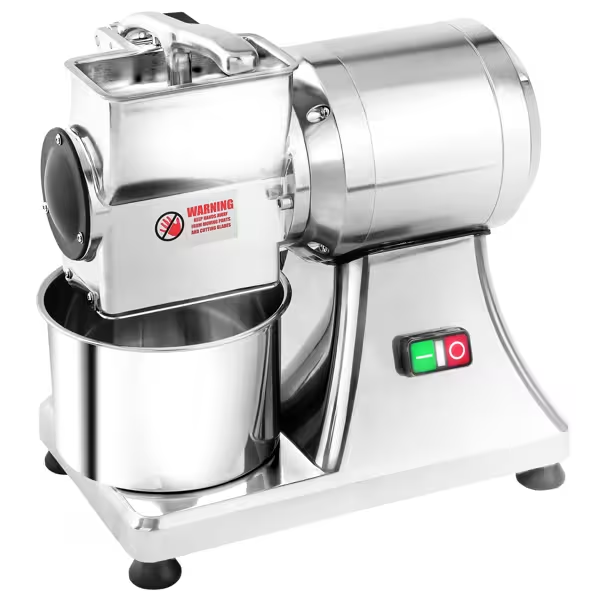
Vegetable cutters and cheese graters are appliances designed for commercial food preparation. They cut, grate, shred, or slice vegetables, fruits, and cheese with consistent results and are primarily used in settings where large quantities need to be prepared quickly and cleanly.
This category is relevant for restaurants, pizzerias, snack bars, bistros, hotels, catering companies, cafeterias, and commercial kitchens. In practice, it’s less about individual steps and more about ensuring a smooth workflow before service begins: ingredients for salads, pizza toppings, vegetable sides, bowls, sandwiches, or grated hard cheese must be prepared in advance, portioned evenly, and readily available. A suitable vegetable cutter reduces manual cutting work and facilitates a smoother mise en place, especially when handling recurring quantities.
Which Vegetable Slicers & Cheese Graters Are Right for Your Business
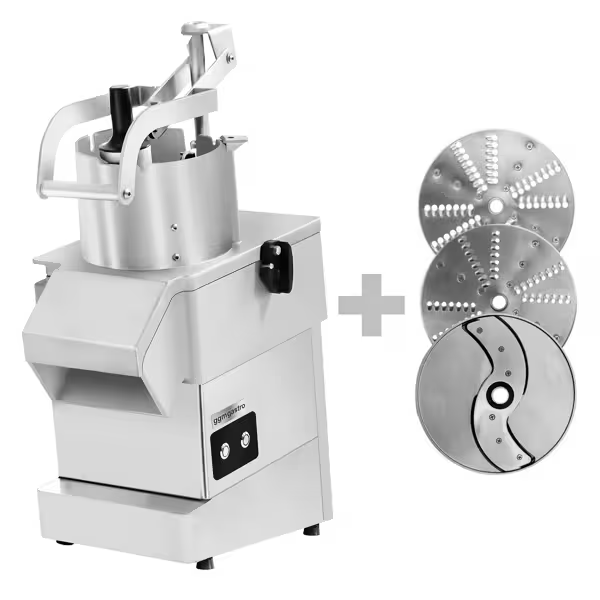
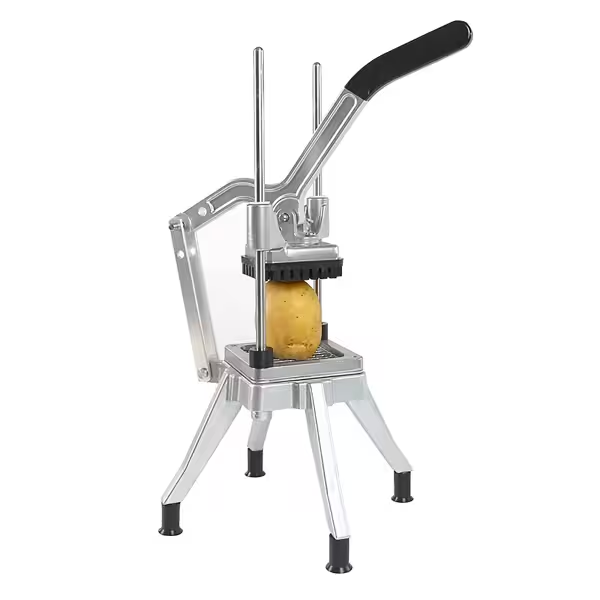
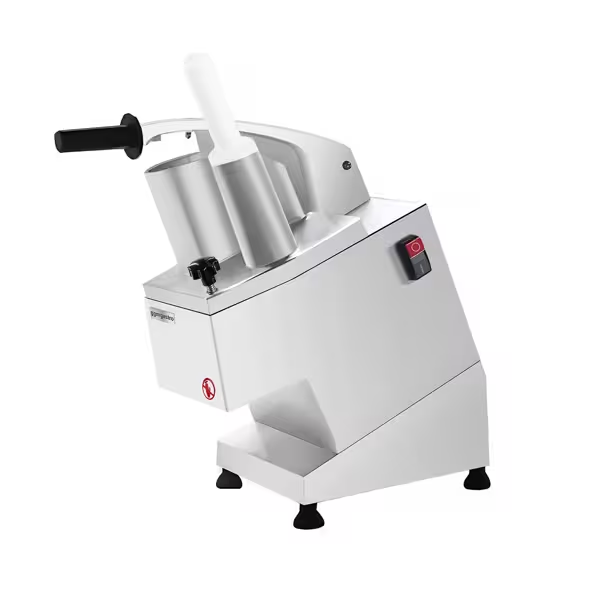
The choice depends heavily on how often, how much, and for what purposes the appliance is used. For small kitchens, cafés, or snack bars, manual vegetable cutters or compact electric tabletop models are often sufficient. In pizzerias, restaurants, and commercial kitchens, electric models with interchangeable slicing and grating discs are a good choice if you process onions, cucumbers, tomatoes, carrots, cabbage, mozzarella, or hard cheese on a daily basis.
Key decision-making criteria include power, processing capacity, cutting styles, power source, and accessories. Appliances with a 230-V connection can be easily integrated into many kitchens. More powerful models with higher hourly output are suitable for establishments with heavy lunchtime traffic, buffet preparation, or catering volumes. Cutting discs for slices, strips, cubes, or grating make the appliance more versatile but must align with the menu.
A compact quick check helps with the initial selection:
- Daily volume: small batches or continuous preparation
- Desired cut: slices, cubes, julienne, shreds, or grating
- Product type: vegetables, fruit, mozzarella, hard cheese, or mixed assortment
- Footprint: tabletop model, freestanding model, or flexible use
- Accessory requirements: compatible cutting discs, grating discs, and replacement parts
If you’re planning a more extensive prep line, it makes sense to combine vegetable cutters and cheese graters with cutters, potato peelers and potato cutters or hand blenders, without mixing their functions. Vegetable slicers are designed for specific cuts, while food processors are used more for chopping, mincing, or emulsifying.
Commute distances, space requirements, and integration into the preparation process
A vegetable slicer works best when placed where ingredients are prepared, portioned, and processed further. In a pizzeria, it’s often positioned between the refrigeration area, the topping station, and the oven line: vegetables and cheese are prepared before peak hours and are then kept ready in containers. In a cafeteria or commercial kitchen, the ability to process larger quantities quickly is more important—for example, for salad bars, vegetable side dishes, or production batches.
Space requirements extend beyond just the unit’s footprint. The loading area, collection containers, work surface for raw ingredients, and storage space for finished products must also be factored into the workflow. A sturdy work surface, short distances to refrigeration, and an easily accessible cleaning area prevent the time savings provided by the appliance from being lost due to rearranging items, searching for them, or unnecessary walking. Suitable stainless steel furniture can help seamlessly combine preparation, hygiene, and ergonomics.
Material, Hygiene, and Durability with Frequent Use
In commercial use, durable materials, safe operation, and easy cleaning are essential. Housings made of stainless steel or durable aluminum, sharp cutting discs, easily accessible components, and smooth surfaces make daily maintenance easier. Quick cleaning is especially important when handling moist foods, cheese, strong odors, or vegetables that stain, to ensure work areas remain hygienic and product changes go smoothly.
When selecting electric vegetable slicers, it’s worth paying attention to the feed chute, the pusher, the safety shut-off feature, and how easily the cutting discs can be removed. The easier it is to remove and clean the discs, the better the appliance fits into the daily routine of a busy kitchen. Accessory compatibility is also crucial: slicing discs, grating discs, and collection solutions should be compatible with the model and intended use so that the appliance is used effectively not just occasionally, but on a long-term basis.
Economic Benefits Through Planned Preparation
Vegetable cutters and cheese graters aren’t just convenience items. In many establishments, they directly influence how smoothly and consistently prep work proceeds. Uniform cuts make portioning, cooking results, and presentation easier. Repetitive tasks are completed more quickly, the team is relieved of manual routines, and ingredients are organized more efficiently during service.
The purchase becomes economically viable especially in settings where the same prep work is performed daily. If vegetables, cheese, or toppings are regularly prepared by hand, the right equipment can save time, reduce errors, and stabilize workflow during peak hours. Choosing the right size is crucial: a machine that’s too small slows down operations when handling large volumes, while an oversized machine ties up space and budget without being fully utilized in daily operations.
A Coherent Operational Concept Instead of a Standalone Device
Vegetable cutters and cheese graters are most effective when used in conjunction with food preparation, refrigeration, storage, and cleaning. Raw ingredients should be stored in a cool place and kept within easy reach, while pre-cut items require appropriate containers and clear pathways for further processing. For larger establishments, a well-planned integration with refrigerated tables, work surfaces, and dishwashing areas is worthwhile, so that cutting, storage, and cleaning do not remain isolated processes.
Ultimately, what matters most to operators is equipment that fits their menu, volume, team, and space. Properly selected vegetable cutters and cheese graters support fast preparation, clean results, and reliable workflows—from small bistros to professional production kitchens.