


Cold Storage Rooms & Refrigeration Units
Cold storage rooms and refrigeration units ensure the professional storage of fresh and frozen products in the food service industry, hospitality, catering, and institutional food service. They provide additional cooling capacity, help maintain stable temperatures, and make it easier to organize inventory in day-to-day operations. Cold Storage Rooms & Refrigeration Units Guide »
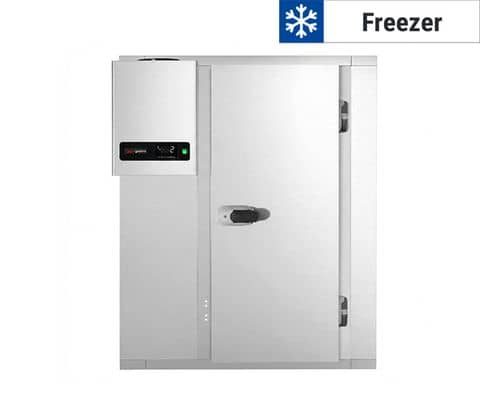
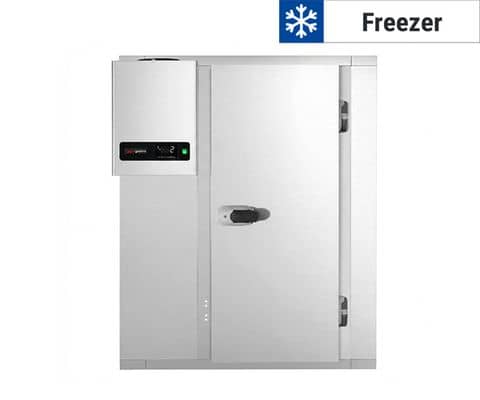
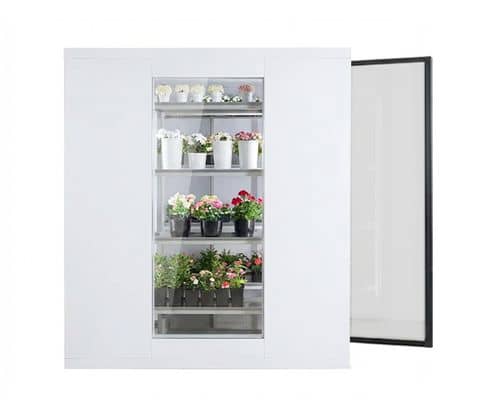
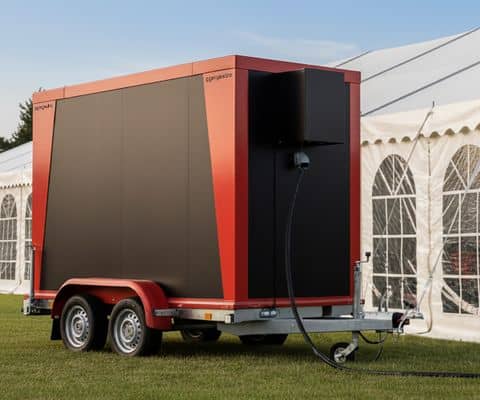
Refrigeration cells and Freezer cells Premium including Unit









Cold Storage Rooms & Refrigeration Units for Safe Storage in Food Service Operations
Cold rooms and refrigeration units form the technical foundation for larger commercial refrigeration and freezer storage facilities. A cold room is a walk-in or modular refrigeration chamber that, when equipped with a suitable refrigeration unit, maintains constant temperatures for food, beverages, or prepared goods.
In restaurants, hotels, bakeries, butcher shops, catering companies, and commercial kitchens, cold storage rooms are used when standard refrigerators no longer offer sufficient capacity or when goods must be stored in an organized manner based on temperature zones, product categories, and access frequency. A stable cooling system is particularly important for meat, fish, dairy products, vegetables, dough pieces, and frozen goods, ensuring that preparation, storage, and distribution remain predictable.
Which cold storage room is right for your inventory flow?
The right solution depends on more than just floor space. The key factors are how much inventory is stored, how often employees access the cold room, and what temperature ranges are required. A compact cold room may be suitable for smaller restaurants or cafés, while larger production kitchens, hotels, or catering businesses require more interior volume, wider doors, and a well-designed shelving system.
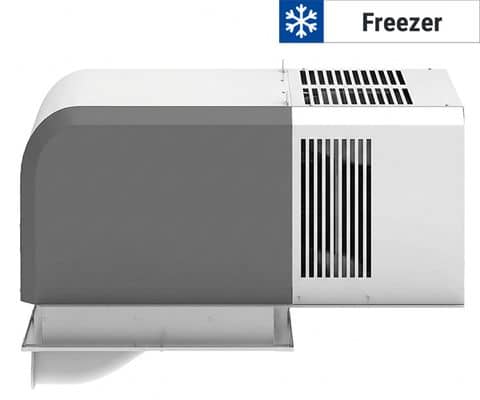
The question of whether to use refrigeration or freezing should also be addressed early on. Refrigerated rooms are suitable for fresh goods stored at above-freezing temperatures, while freezer rooms are designed for frozen products and supplies. Those who need both temperature ranges should plan separate zones to ensure product quality, accessibility, and organization remain optimal.
A handy quick check to help you choose:
-
Temperature range: refrigerated, frozen, or separate storage areas
-
Dimensions and interior volume: tailored to the volume of goods, containers, shelves, and walkways
-
Unit type: wall-mounted, ceiling-mounted, or split-system units, depending on the room and technical conditions
-
Wall thickness and insulation: tailored to the temperature range and load
-
Accessories: shelves, slats, loading ramps, or temperature logging for daily operations
Selecting the Right Equipment and Planning It Properly from a Technical Perspective
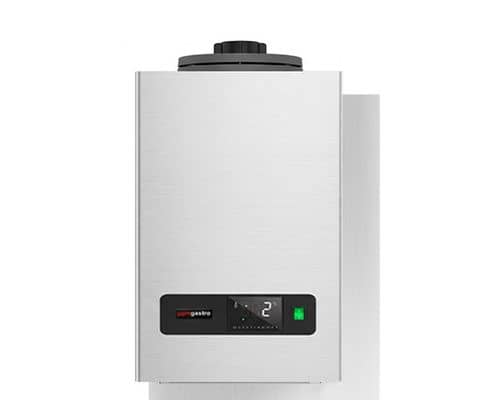
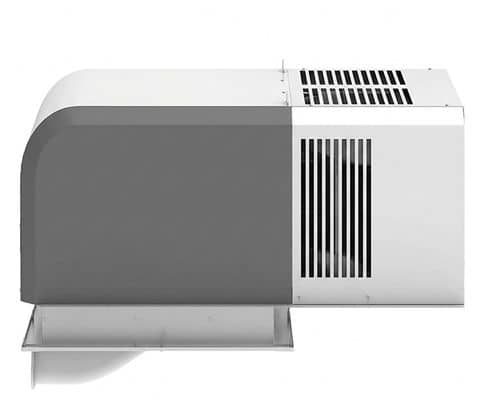
The refrigeration unit is the heart of the cold room. It generates the necessary cooling and must be suited to the room’s size, temperature range, and frequency of use. Cooling capacity, connection type, installation situation, and heat dissipation play an important role in the selection process. Wall-mounted units are often compact and installed directly on the cold room. Ceiling-mounted units can be a good choice if wall space needs to remain free. Split units separate the evaporator and condenser physically and can be advantageous for larger systems or when there are specific structural requirements.
Before purchasing, you should check the available space, ceiling height, door hinge direction, electrical connection, and installation route. Especially in existing kitchens, it’s important to determine whether the cold room can be brought in through doors, hallways, or storage rooms. For cohesive planning, it’s also worth considering adjacent functional areas such as refrigerated counters, full-door refrigerators and freezers, or stainless steel furniture, so that storage and preparation flow together seamlessly.
Hygiene, Organization, and Durability in Daily Use
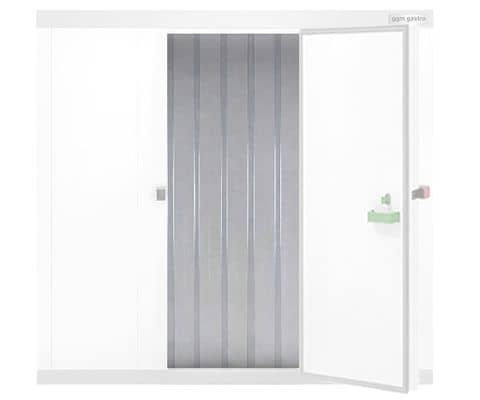
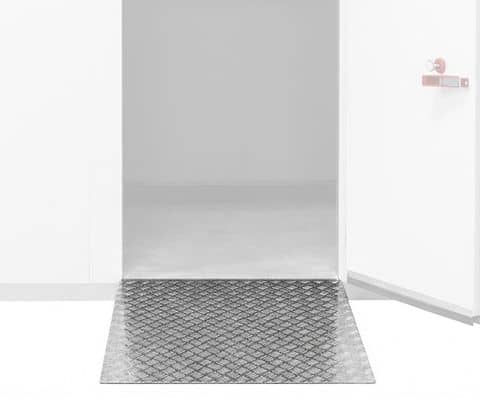
In commercial settings, cold storage rooms are opened, entered, cleaned, and stocked with goods on a daily basis. That’s why hygienic surfaces, sturdy panels, durable floors, and well-organized interiors are essential. Shelving systems help store goods separately, in an orderly manner, and within easy reach. Slatted curtains can reduce temperature loss caused by frequent opening, while loading ramps facilitate transport with carts or trolleys.
It’s especially during peak hours that it becomes clear whether the cold storage layout is suited to operations. When prepared goods are quickly accessible, the distances between storage, prep, and production are shortened. When meat, vegetables, sauces, or dough pieces are clearly sorted, the team works more calmly and safely. In larger kitchens, a well-planned cold storage room can also help separate daily goods from stock items.
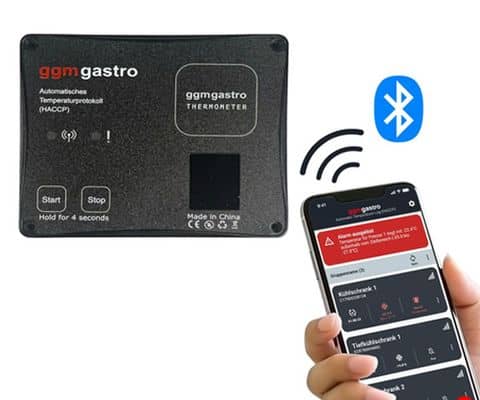
Cleaning and temperature control are also key to day-to-day usability. Smooth surfaces, accessible corners, and a logical organization of goods make maintenance easier. An automatic temperature log can support documentation and is particularly relevant for operations with high hygiene standards or extensive inventory storage.
Plan for economic efficiency rather than just expanding storage space
A cold storage room is more than just additional space. It affects product availability, work flow, inventory control, and process reliability. If it’s too small, it can lead to tedious rearranging, overcrowded shelves, and unnecessary search times. If it’s planned too large, it ties up space, energy, and budget without being fully utilized in day-to-day operations. A solution that aligns with actual inventory turnover, the size of the operation, and future growth makes economic sense.
For growing businesses, it’s also important not to view the cold storage room in isolation. Storage must be aligned with preparation, production, and service. For example, those who regularly prepare large quantities benefit from short distances between the cold room, preparation tables, and work surfaces. In catering, hotel kitchens, or institutional food service, the combination with transport carts, shelving, and clearly defined temperature zones can also be crucial.
Buy Cold Storage Units & Refrigeration Units at GGM Gastro
GGM Gastro offers cold rooms and refrigeration units for businesses of various sizes, temperature ranges, and applications. From compact cold rooms and deep-freeze rooms to matching refrigeration units and accessories, the solution can be tailored to storage needs, room layout, and operational processes.
Professional planning takes into account not only dimensions and price, but also the interplay of capacity, refrigeration unit, insulation, cleaning, accessibility, and expandability. This makes the cold room a stable component of the business: ensuring safe inventory storage, better organization, and reliable cooling in everyday commercial operations.