


Ice Cube Machines & Ice Makers for the Food Service and Commercial Sectors
Ice cube machines and ice makers reliably provide ice for bars, restaurants, hotels, catering services, and other commercial applications. Key factors include ice shape, daily output, storage capacity, connection type, and hygienic integration into daily operations. Guide to Ice Cube Machines & Ice Makers for the Food Service and Commercial Sectors »



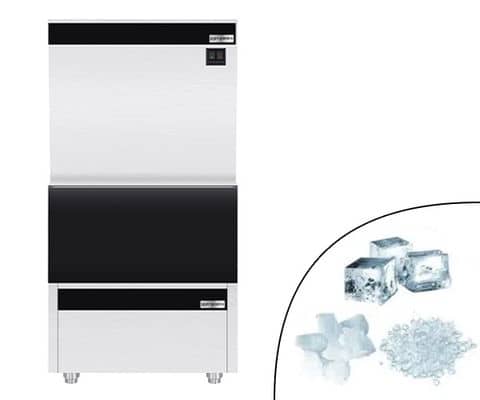

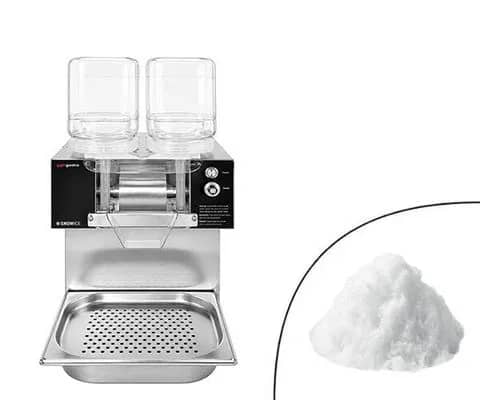


Ice Cube Machines & Ice Makers: An Essential Part of Everyday Life in the Food Service Industry
Ice cube machines and ice makers are commercial appliances designed for the continuous production of ice cubes, crushed ice, flake ice, or nugget ice. They are used wherever beverages, buffets, counter areas, or display areas need to be kept cool on a regular basis.
In bars and restaurants, they meet the demand for ice in cocktails, long drinks, soft drinks, and service water. In hotels, cafeterias, event kitchens, and catering companies, they support buffets, beverage stations, and temporary serving areas. What matters most is not just that ice is available, but that its quantity, form, and accessibility align with the actual workflow.
Which Ice Maker Is Right for Which Business?
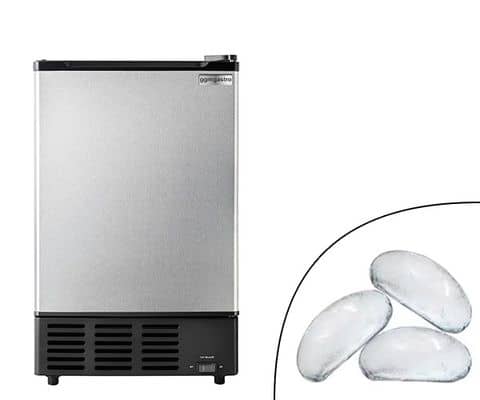
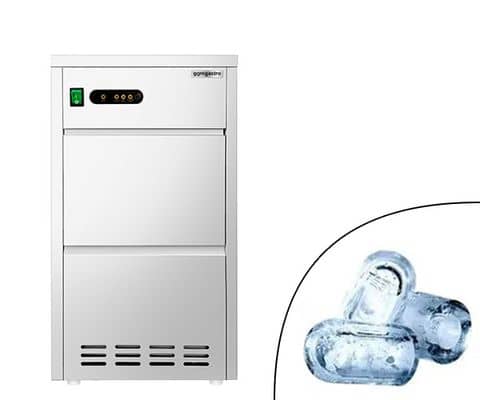
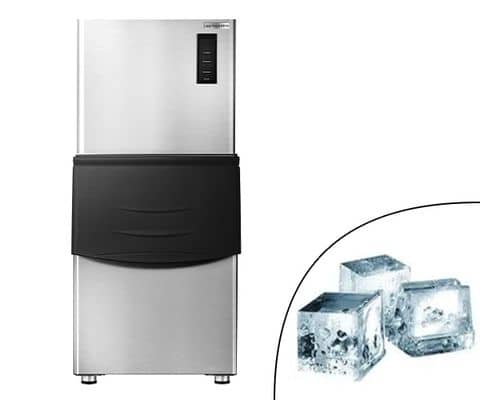
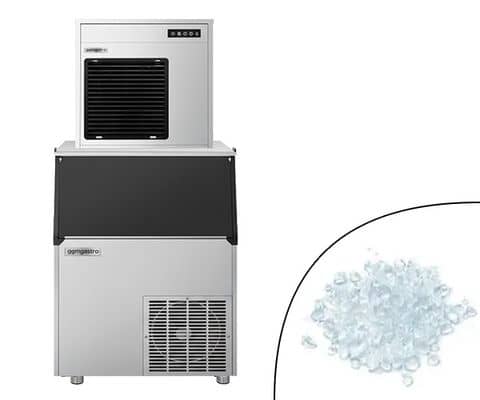
The selection process begins with choosing the type of ice you need. Hollow cylinders and half-round ice cubes are suitable for many everyday beverages, while cylindrical or cube shapes have a greater impact on appearance and melting behavior in bars and when preparing high-end beverages. Nugget ice, crushed ice, and flake ice are useful when drinks, product displays, or buffet areas need to be cooled differently.
Production capacity is equally important. Small tabletop units may be sufficient for cafés, bistros, or office cafeterias. In contrast, establishments with high beverage sales require freestanding units with higher daily output, larger storage bins, and reliable continuous production. A machine with insufficient capacity may seem adequate during slow periods but will quickly become a bottleneck during evening peak hours, at events, or in the summer.
Planning, Space Requirements, and Integration into the Workflow
Ice makers should be located where ice is actually dispensed: at the bar, near the beverage station, in the buffet area, or in a clearly defined service zone. Short distances save time and prevent employees from having to shuttle back and forth between the freezer, the glass station, and the beverage station during peak hours. In addition, beverage refrigerators or bar & beverage chilling tables can round out the beverage setup without replacing ice production itself.
When planning, consider dimensions, ventilation, water supply, drainage, and connection type. Models with a permanent water connection are suitable for regular use and larger volumes. Units with a tank system can be more flexible but rely more heavily on manual refilling. The drainage must also be carefully planned to ensure that melt water is drained hygienically and no moisture accumulates in the work area.
Quick Check for Choosing the Right Ice Cream Production Method
Before making your selection, be sure to consider these points in particular:
-
Which ice shape is best suited for beverages, a buffet, or presentation?
-
How much ice is needed during peak hours?
-
Is a tabletop unit sufficient, or would a freestanding unit be more practical?
-
Is a permanent water connection available or necessary?
-
Is the machine easy to clean, descale, and maintain?
This quick check helps you evaluate the machine not only based on price or size, but also on how it fits into your daily routine.
Hygiene, Cleaning, and Durability in Continuous Use
Ice comes into direct contact with beverages, food, or display items. That’s why hygiene and cleaning are key selection criteria. A stainless steel housing, smooth surfaces, easily accessible interior areas, and a storage bin that can be removed for cleaning make daily maintenance easier. In regions with hard water, regular descaling is particularly important to ensure that production output and ice quality remain consistent.
In commercial use, the unit is subjected to moisture, temperature fluctuations, frequent opening, mechanical stress, and cleaning chemicals. Robust construction, intuitive operation, and clear status indicators—such as those for water level or a full ice bin—support teams in their daily work. This ensures that ice production does not become an additional source of error but instead integrates seamlessly into the service workflow.
Thinking Economically: Ice Demand, Peak Times, and Operational Reliability
The right ice maker supports predictable operations. When ice is reliably available, employees have to improvise less, don’t need to organize external ice supplies, and can serve drinks or buffets more quickly. Especially during peak hours, operational benefits arise from short distances, consistent ice production, and a supply that matches the demand during busy times.
The largest machine isn’t automatically the most cost-effective. The key is choosing the right size: too small creates bottlenecks, while too large ties up space and capital. For small bars or cafés, a compact model may be the best choice. For hotel bars, clubs, event catering, or heavily frequented outdoor patios, a higher daily output with a larger storage capacity is usually the more reliable solution.
A Well-Coordinated Operating Concept for Ice Makers
Ice production works best when it’s part of a clean work environment. Stainless Steel Furniture provides sturdy storage and work surfaces, while products in the Sinks & Cleaning remain essential for hygiene, glassware handling, and daily maintenance.
Ice cube machines and ice makers should therefore not be planned in isolation. By considering ice type, capacity, connections, location, and cleaning requirements together, you can make a more sound decision. This results in equipment that effectively supports beverage quality, work efficiency, and hygienic processes in everyday commercial operations.