


Textiles for the Restaurant and Hotel Industries
In the restaurant, hotel, catering, and institutional food service industries, textiles help ensure a polished appearance, streamlined workflows, and hygienic routines. At GGM Gastro, you’ll find professional foodservice textiles for the dining room, kitchen, guest areas, hotel rooms, and wellness areas. Textile Guide »


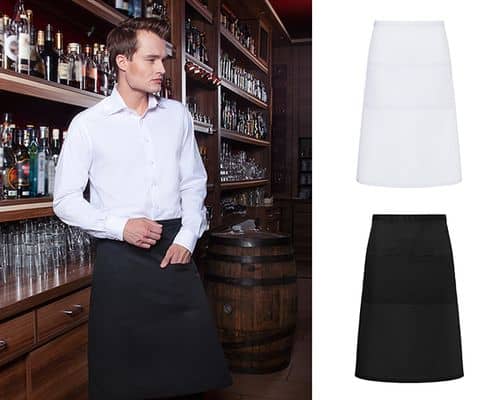
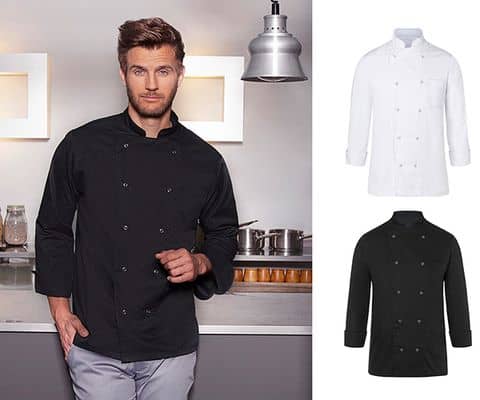
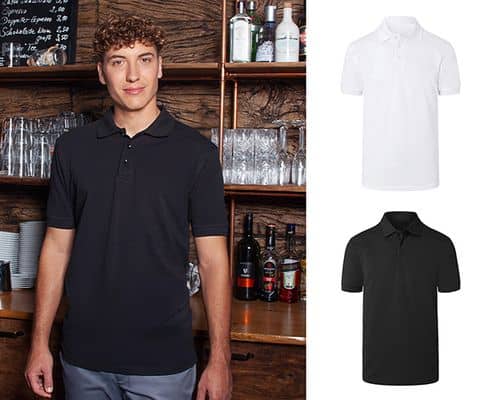
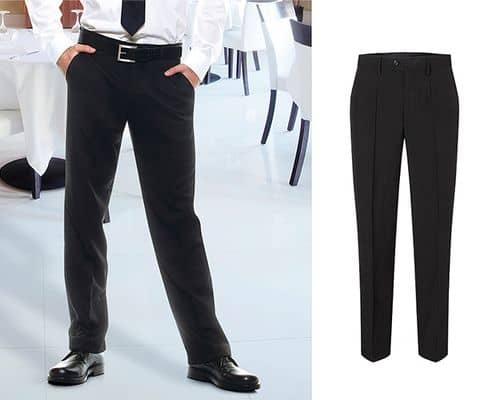
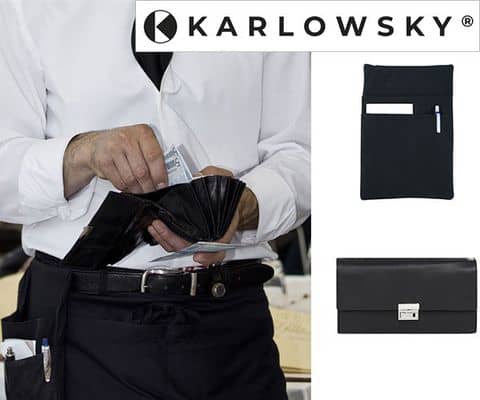
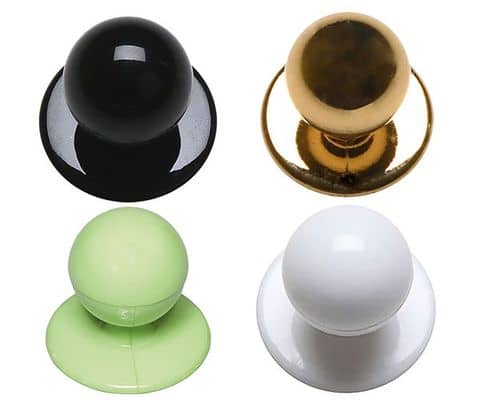
Men's clothing






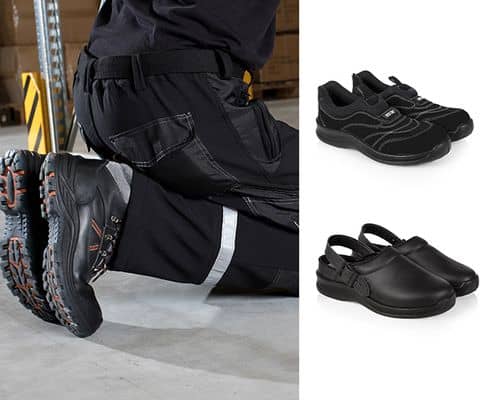
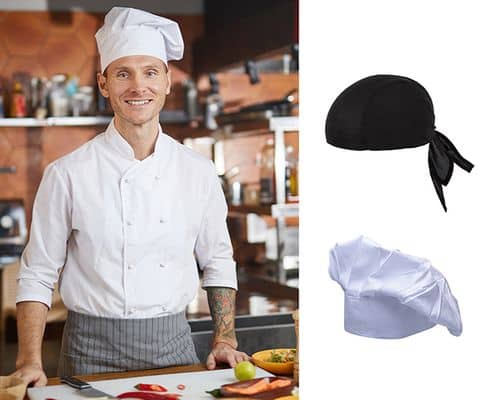
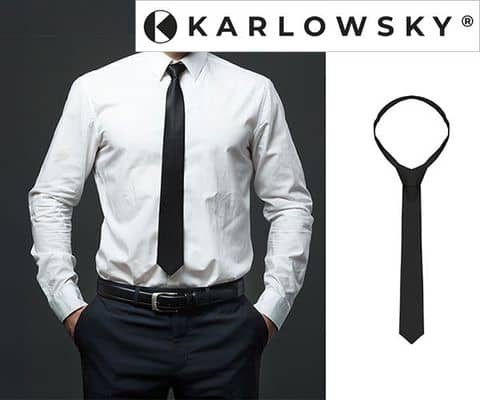
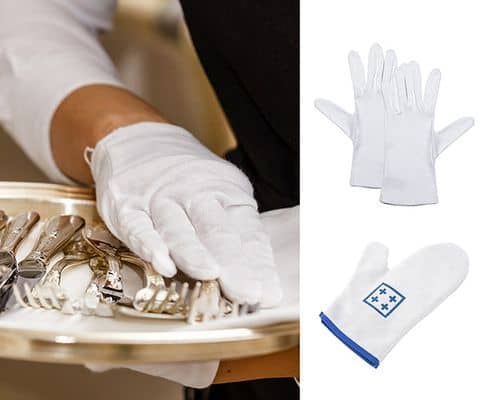
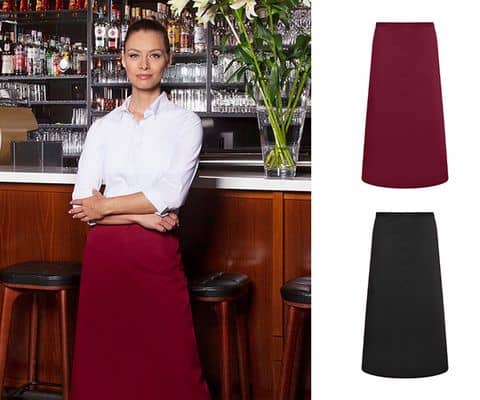
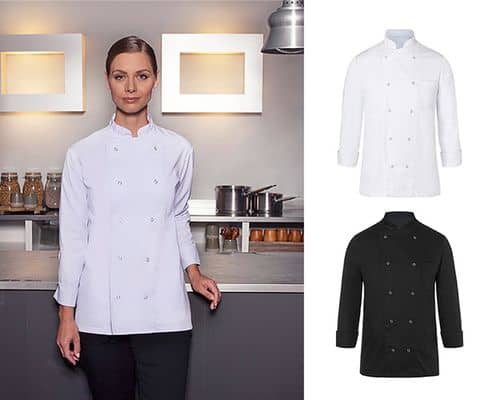
Ladies clothing
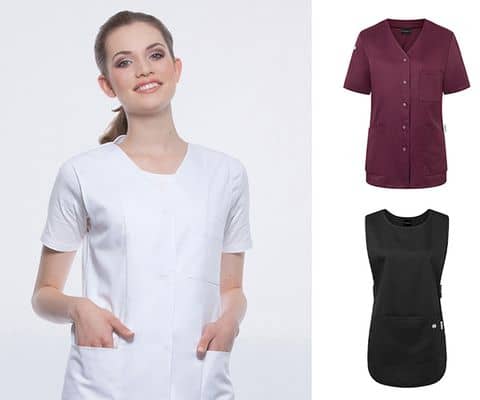
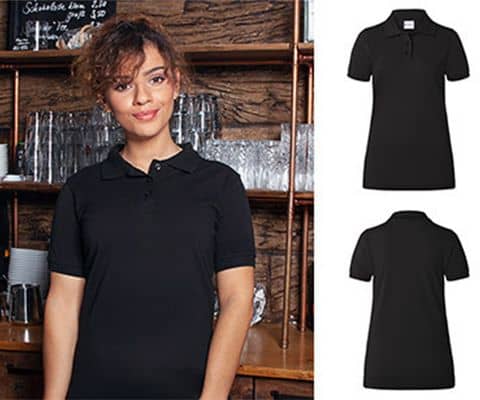
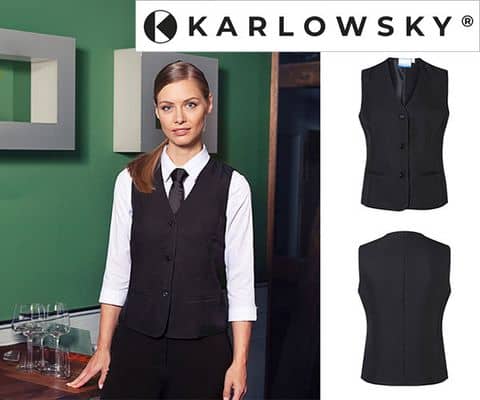



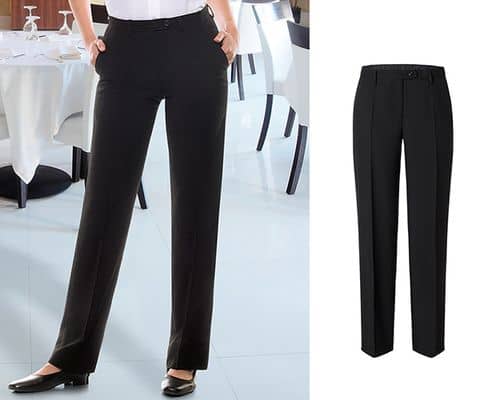
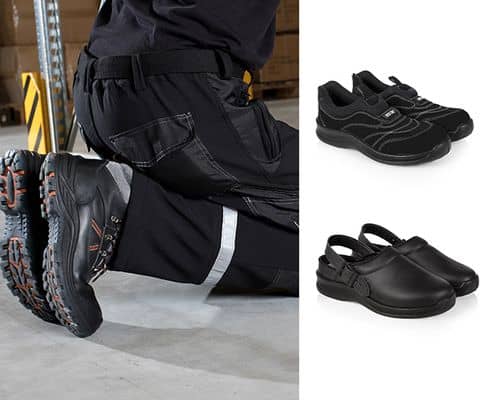
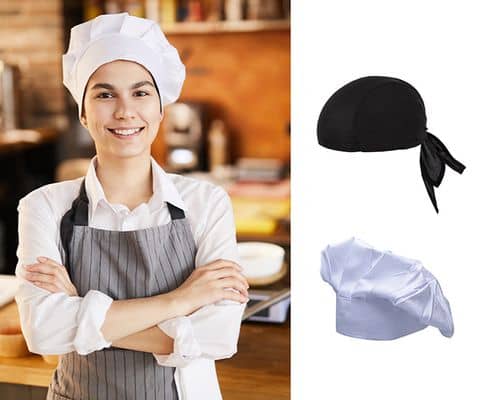
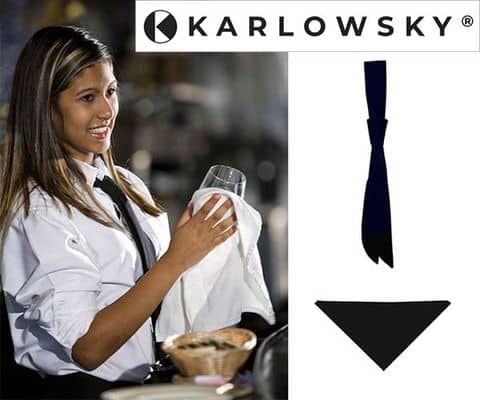
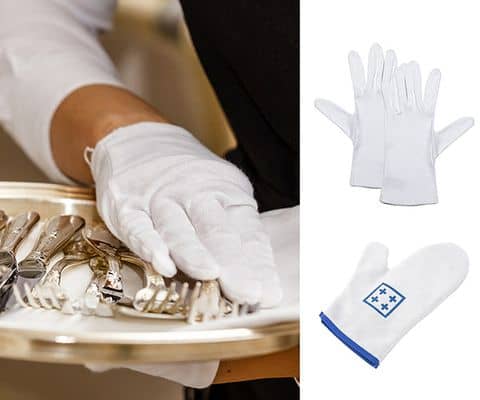
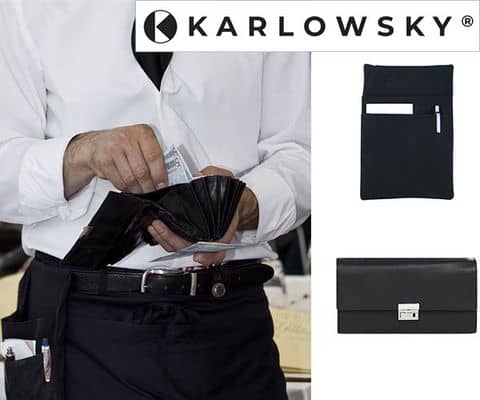
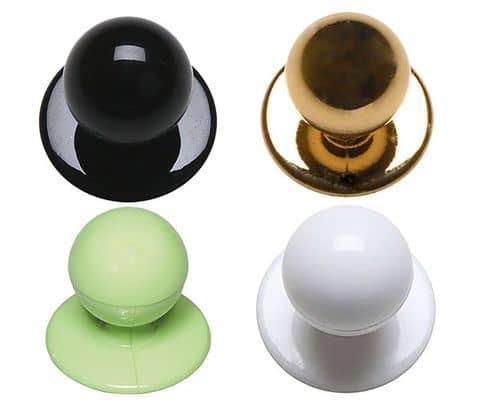

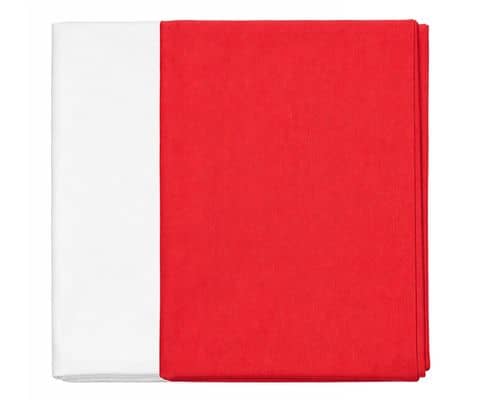
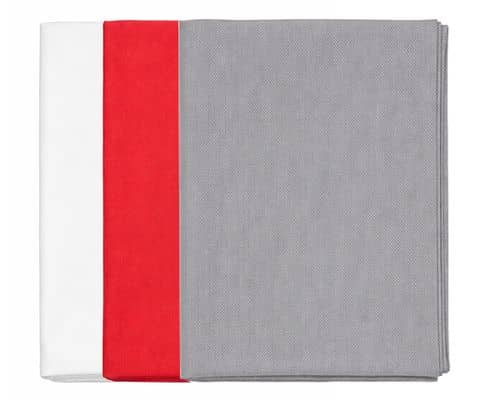
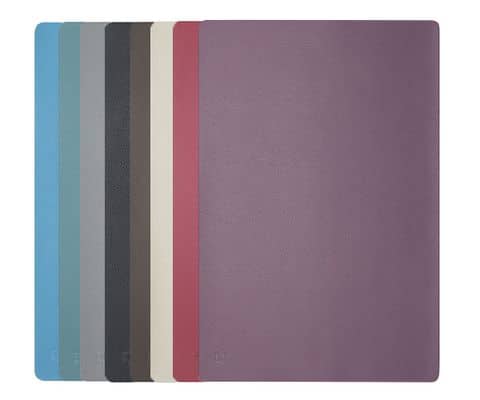
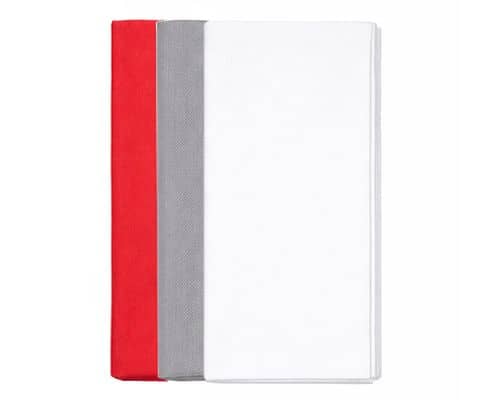
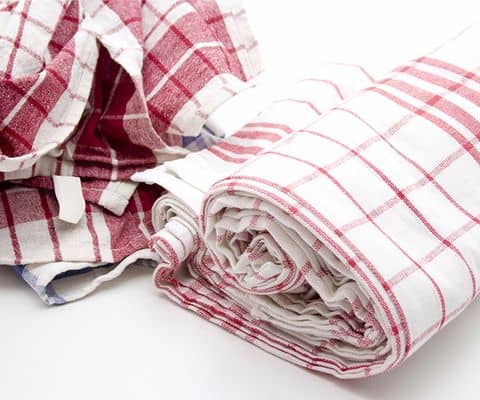
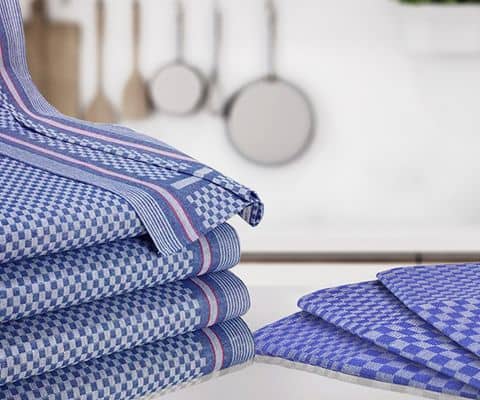
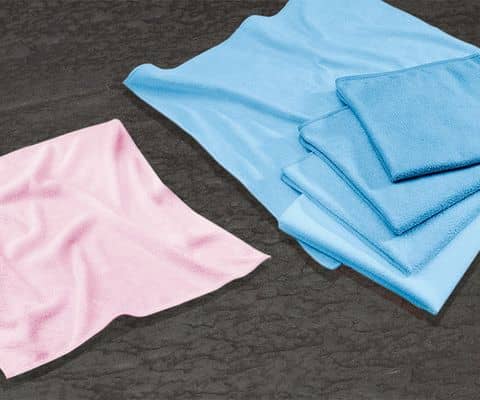
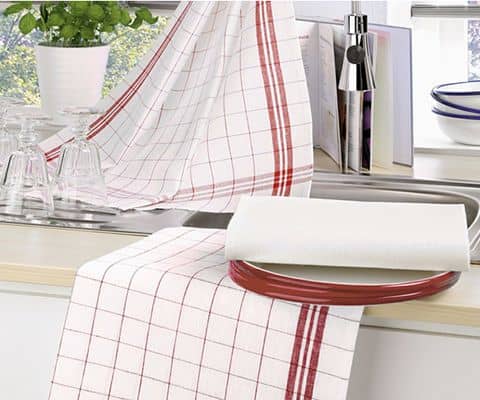


Textiles as Functional Elements in Everyday Restaurant Operations
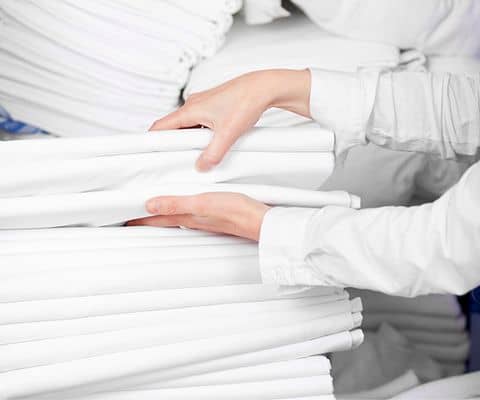
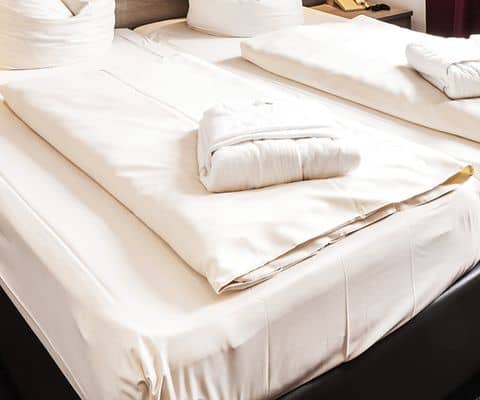
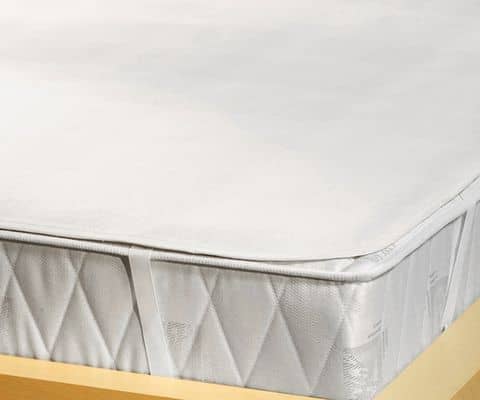
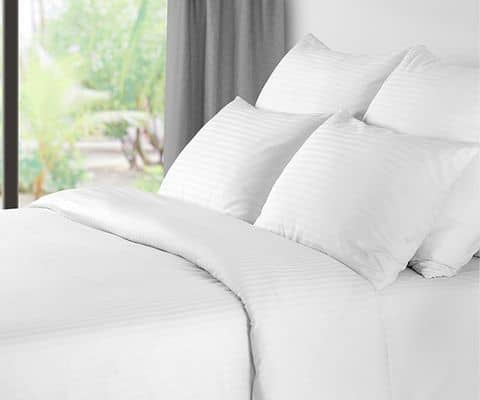
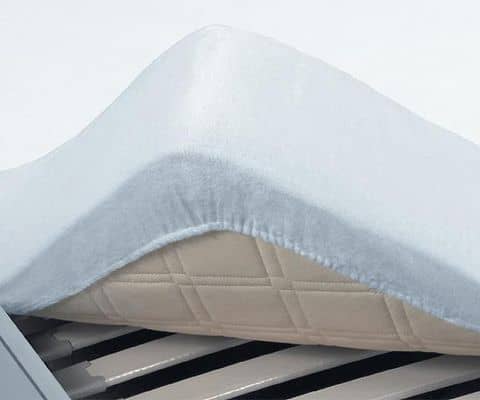
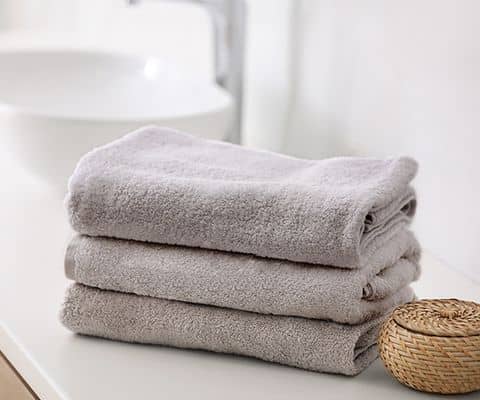
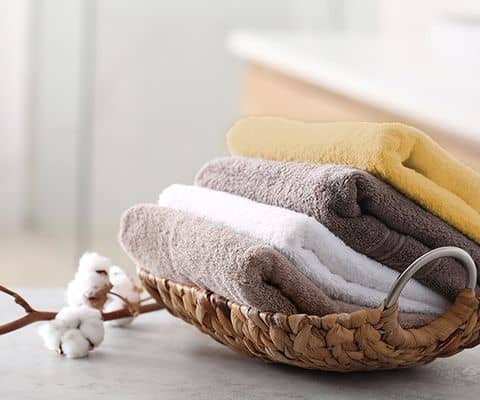
In professional settings, textiles are more than just decorative accessories. They are used daily in the dining service, the kitchen, the dining area, hotel rooms, and the spa, and they influence appearance, hygiene, comfort, and organization. This category includes, among other items, aprons, chef’s jackets, service uniforms, tablecloths, napkins, dish towels, hand towels, bathrobes, and bed linens.
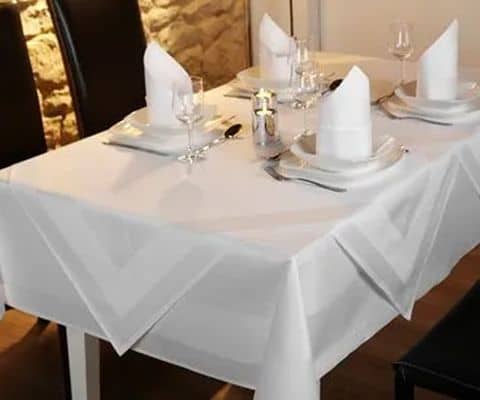
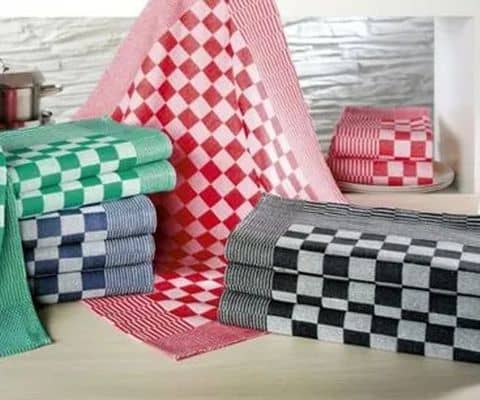
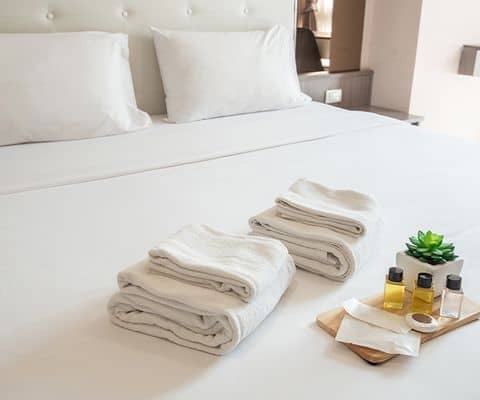
In restaurants, hotels, cafés, snack bars, catering businesses, and cafeterias, hospitality textiles serve a variety of purposes. On the floor, uniform aprons or polo shirts ensure a clean, professional appearance. In the kitchen, chef’s uniforms and kitchen towels provide protection during daily work. In the dining area, tablecloths, table runners, and cloth napkins help create a neat and orderly table setting. In hotels and spa areas, hand towels, shower towels, beach towels, bathrobes, and bed linens are part of the guest experience.
Which textiles are right for your business?
The selection should always be based on the intended use. A snack bar requires different textiles than a hotel or a restaurant with a banquet service. Key factors include frequency of use, wash cycles, material quality, size requirements, and the desired impression when interacting with guests.
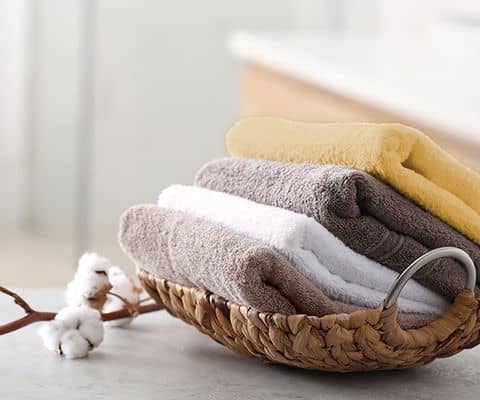
For workwear, fit, freedom of movement, durable seams, and easy care are key. Aprons, chef’s jackets, chef’s pants, or service uniforms should be suited to the demands of the workplace and remain comfortable even during long shifts. For table linens, dimensions, color, material, and washability are the top priorities. For hand towels, shower towels, or bathrobes, absorbency, terry cloth quality, and hygienic cleaning are important selection criteria.
A concise quick check helps narrow down your options initially:
- Determine the area of use: kitchen, service, dining area, hotel rooms, or spa
- Check the washing temperature and care requirements
- Realistically plan dimensions, sizes, and the required quantities
- Choose the material based on usage: cotton, blended fabrics, terry cloth, or damask
- Plan for a reserve stock to cover peak times, change intervals, and shortages
Properly Assessing Materials, Care, and Hygiene
Restaurant textiles are subjected to heavy use. They come into contact with moisture, grease, heat, food residue, and cleaning agents, and are washed frequently. For this reason, materials should be selected not only for their appearance but also for their suitability for everyday use. Cotton is comfortable, absorbent, and suitable for many kitchen and hotel textiles. Blended fabrics can be dimensionally stable and easy to care for. Terry cloth is particularly well-suited for hand towels, bath towels, and bathrobes. Damask or textured fabrics are often used for table linens when a polished, inviting atmosphere is desired.
Compatibility with your own cleaning procedures is also important. Textiles that can be washed regularly at high temperatures simplify hygiene routines. In high-traffic establishments, it’s also important to check whether the textiles dry quickly, retain their color, and maintain their shape after many wash cycles. For day-to-day organization, it makes sense to store textiles according to their intended use and to follow clear rotation schedules.
Integrating Textiles Efficiently into Work Processes
Well-planned linens reduce friction during operations. In the kitchen, dish towels, glass towels, and aprons should be stored within easy reach without blocking work surfaces. In the service area, clearly organized napkins, table runners, and tablecloths make it easier to set tables quickly before peak hours. In hotels, clearly separating fresh, used, and laundry-bound linens helps ensure that room cleaning and guest areas remain manageable.
It’s especially during peak hours that you can tell whether the linens fit the workflow. If napkins are missing, aprons can’t be changed quickly, or towels aren’t available in sufficient quantities, minor interruptions occur that place an unnecessary strain on operations. A suitable basic inventory with sufficient reserve stock supports stable operations, clear responsibilities, and a professional image.
Combine items wisely instead of shopping for them individually
Textiles should fit the restaurant's concept and complement the surrounding functional areas. Table linens only come into their own when paired with tableware, cutlery, and a clear dining room design. Kitchen and cleaning textiles should be available where dishes are washed. In the kitchen, matching stainless steel furniture helps create clean storage areas, shelves, and workstations. For hotel and wellness areas, it makes sense to coordinate with products from the hotel furnishings category so that bed linens, towels, and bathrobes match the concept in terms of quality, color, and quantity.
From a business perspective, textiles are a recurring expense. Careful planning of materials, washability, quantities, and areas of use helps avoid shortages, unnecessary replenishment purchases, and disruptions to operations. Especially for high-traffic establishments, it’s worth investing in equipment that is durable, easy to maintain, and can be quickly reordered.
Shop for restaurant textiles at GGM Gastro
At GGM Gastro, you’ll find textiles for a variety of commercial applications—from service and kitchen areas to dining rooms and hotel rooms, as well as wellness and guest areas. Our selection helps businesses put together workwear, table linens, kitchen textiles, and hotel textiles that are tailored to their needs, intended use, and budget.
Good textile supplies don’t make an impact based on appearance alone. What matters most is that they fit into daily operations: they must be hygienic, durable, easy to care for, readily available, and seamlessly integrated into workflows. This is how textiles become a practical component of professional hospitality equipment.