


Countertop Display Cases & Sushi Display Cases
Countertop display cases and sushi display cases are used for the refrigerated presentation and easy access to fresh foods, ingredients, and perishable items in professional food service operations. They are ideal for sushi restaurants, buffets, bistros, counter areas, and prep stations where freshness, hygiene, and short workflows are crucial. Guide to Countertop Display Cases & Sushi Display Cases »



Countertop Display Cases & Sushi Display Cases for Refrigerated Presentation in Everyday Restaurant Operations
Countertop display cases and sushi display cases are compact refrigerated units designed for countertops, service counters, and serving areas. They keep prepared ingredients, sushi, tapas, salads, or small dishes neatly organized and readily available, combining refrigeration with direct visibility in the work or guest area.
In professional settings, it’s not just about appearance. The right countertop display unit promotes efficient workflow, streamlined processes, and a clean presentation of goods. In sushi bars, it’s frequently used to display delicate products in a visible, refrigerated setting. In bistros, cafés, or buffet areas, they help keep prepared items within easy reach while displaying them attractively. Even in open kitchens or front-cooking areas, a clear, hygienic presentation directly contributes to the overall impression of the establishment.
Which display case is right for your business?
The selection should be based on the product range, space requirements, and workflow. For ingredients that need to be quickly retrieved during preparation, display cases with stainless steel lids are a good choice. They protect the contents and are particularly suitable for work areas where functionality and quick access are priorities. Glass lids, on the other hand, offer greater visibility and are advantageous when food is displayed in full view of guests.
For sushi display cases, the presentation area is just as important as the cooling system. Especially with maki, nigiri, sashimi, tapas, or small plated dishes, the food must be arranged clearly without appearing cluttered. Key decision-making criteria include width, depth, GN compartment layout, temperature range, glass shape, lighting, and power connection type. Many models operate on a 230-volt connection, making them easy to integrate into existing counter or work areas.
A compact establishment usually requires a narrow solution with a clear ingredient layout. In busier restaurants or buffet areas, a larger countertop display case with greater capacity can be useful to reduce the need for restocking and ensure smoother operations during peak hours.
Planning, Space Requirements, and Integration into the Work Process
A display case should not be chosen in isolation, but should fit the actual workflow. The key factor is where food is prepared, chilled, retrieved, and served. If ingredients have to be constantly fetched from a distant main refrigeration unit during service, this results in unnecessary trips and wasted time. A well-placed refrigerated display case brings the necessary components directly to the service station.
Typical usage scenarios clearly demonstrate the benefits: During lunchtime at a bistro, salads, toppings, or cold components must be readily available. At a sushi bar, prepared items must be presented in a visible, organized, and temperature-controlled manner. At buffets and counter areas, it’s also important that guests immediately recognize freshness and cleanliness.
To create a cohesive work environment, countertop display cases can be easily combined with refrigerated tables, stainless steel furniture, or prep tables. This creates a workstation where refrigerated storage, work surfaces, and serving areas work together seamlessly.
Properly Assessing Hygiene, Materials, and Cleaning
In daily use in the food service industry, countertop display cases are exposed to moisture, frequent cleaning, temperature fluctuations, and mechanical stress. Stainless steel is therefore a suitable material, as it is durable, hygienic, and easy to clean. Glass surfaces should be easily accessible so that display panes can be cleaned regularly and the presentation remains neat at all times.
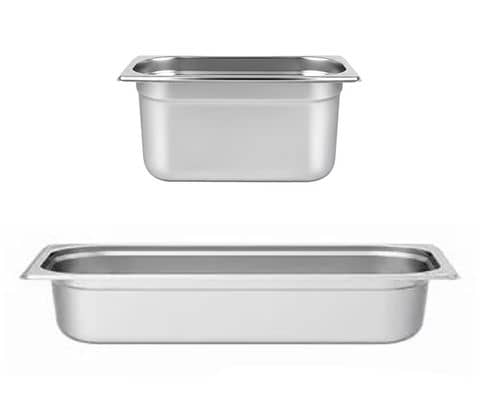
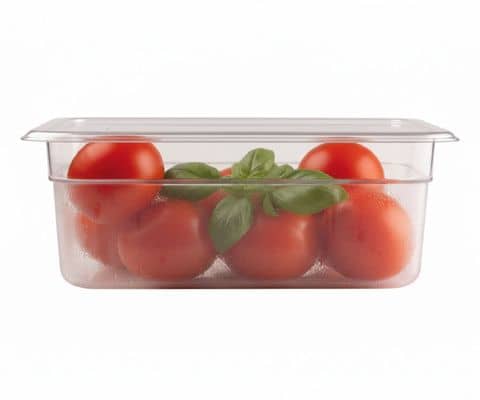
The interior layout is also important. GN containers facilitate clear separation of ingredients and support standardized workflows. Those who frequently work with fish, rice, vegetables, sauces, or delicate ingredients should ensure the container sizes are appropriate and that items can be easily removed. Containers that are too small require frequent refilling during peak hours. Conversely, displays that are too large can tie up space and hinder inventory turnover.
A quick checklist for selection:
-
Does the display case’s width fit the existing countertop or service counter?
-
Will the food be presented visibly, or primarily prepared for easy access?
-
Is the GN compartment layout sufficient for the most important ingredients or dishes?
-
Are the necessary utility connections available at the planned location?
-
Can the glass, stainless steel surfaces, and containers be cleaned quickly on a daily basis?
Economic Benefits Through Efficient Cooling and Short Transport Distances
A well-designed countertop display case can streamline workflows by bringing preparation, refrigeration, and serving closer together. The team spends less time searching for items, walks shorter distances, and can arrange products in a more organized manner. Especially during peak hours, a clear system for organizing ingredients promotes a calmer work environment and reduces the need for improvisation at the station.
This equipment becomes economically viable where it is used daily. If sushi, tapas, salad components, or cold dishes are regularly displayed or prepared, it’s worth investing in a solution that fits the volume of service, available space, and cleaning routine. What matters isn’t the largest display case, but the right size for your product range, turnover, and workflow.
For establishments with a growing menu, accessories can also play a role. Suitable GN containers can help organize ingredients in a structured way and streamline restocking processes. As a result, the countertop display case is not merely a piece of display furniture but becomes part of a functional production and serving system.
How to Choose the Right Countertop Display Cases & Sushi Display Cases
Countertop display cases and sushi display cases are particularly useful when chilled items need to be available right at the workstation or in plain view of guests. Key factors to consider when selecting a display case include its intended use, capacity, material, visibility, ease of cleaning, and integration into existing work surfaces. By taking these points into account, you can create a solution that professionally showcases freshness and supports daily operations.