


Mobile Cooking & Grill Stations for Hospitality and Catering
Mobile cooking and grill stations allow flexible food preparation for catering, live cooking, buffets, events and multi-purpose hospitality areas. Depending on the model, they combine cooking or grilling equipment with worktop space, storage, castors and integrated filtration. Find out which station suits your operation in our buying guide »

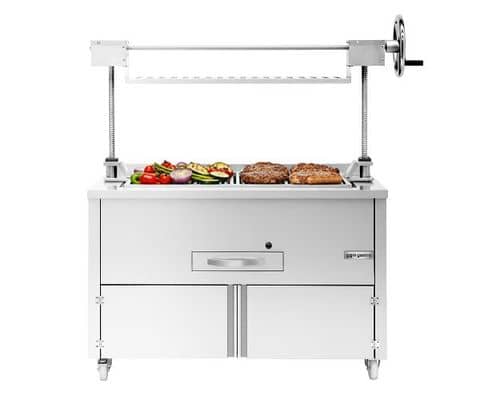

Product type
Width
Operation type
Capacity
Number of Burners
Maximum Temperatur
Power
Power Connection
Price
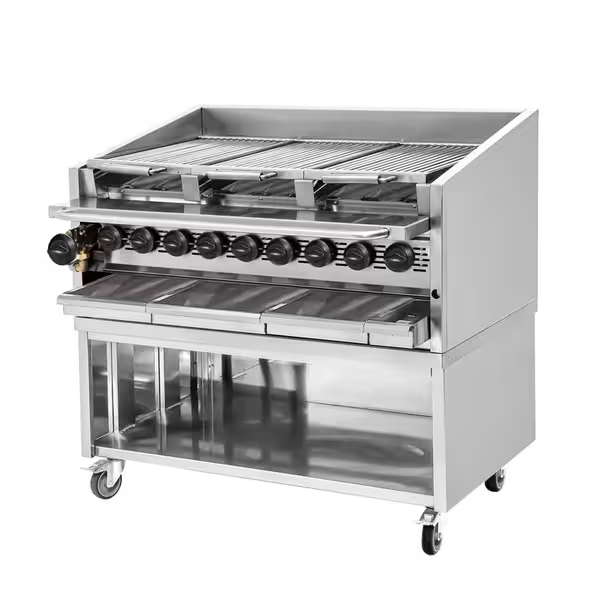
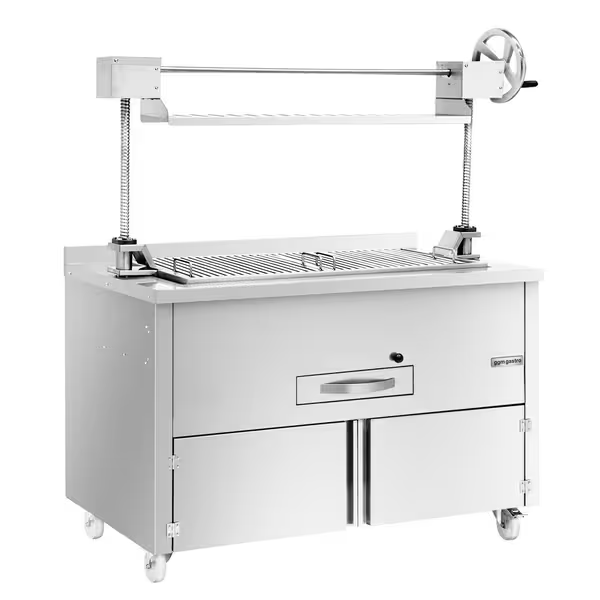
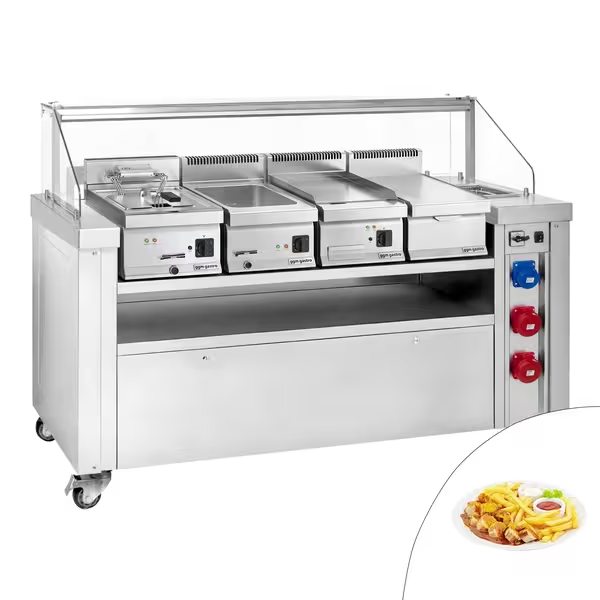
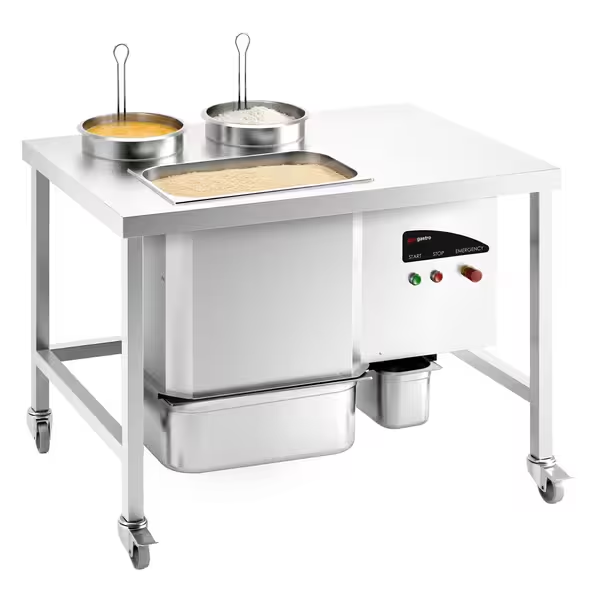
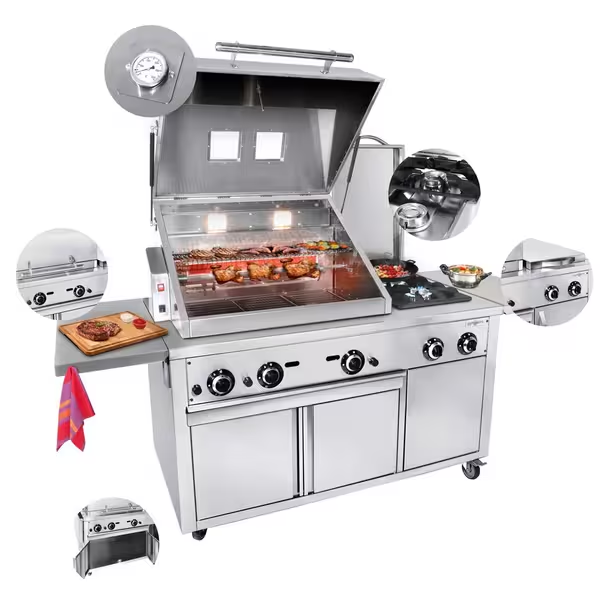
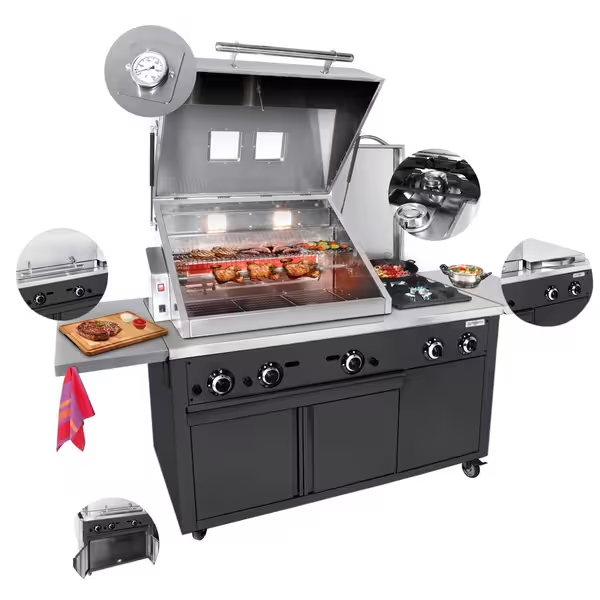
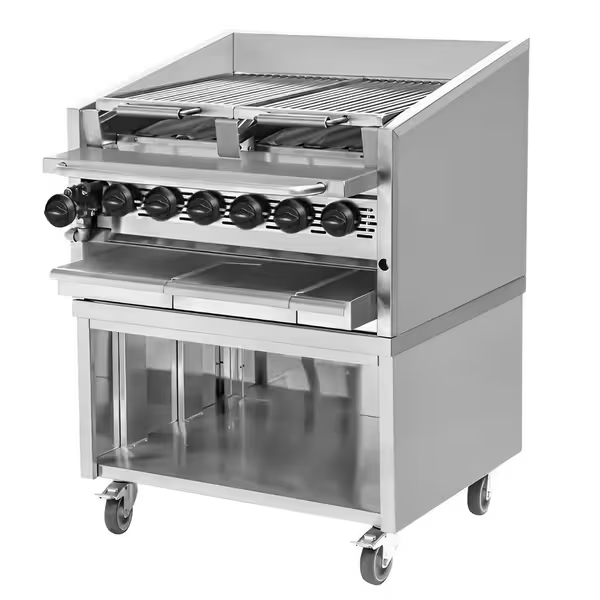
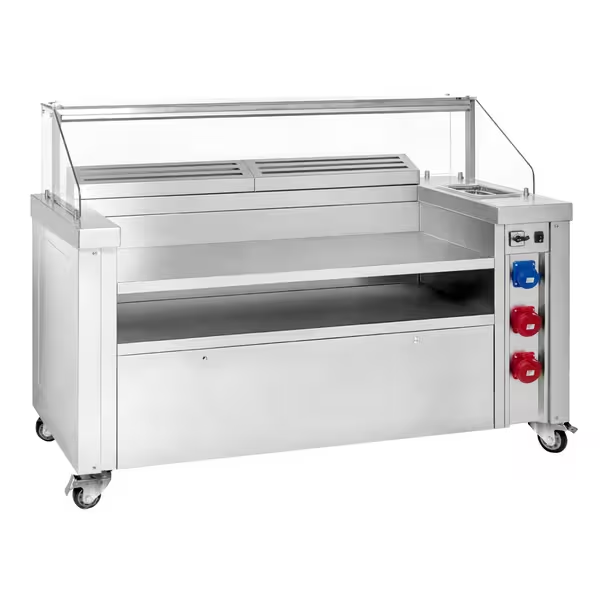
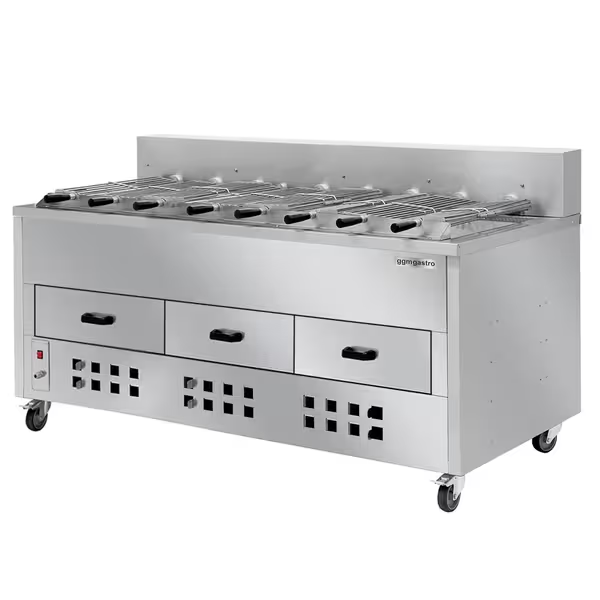
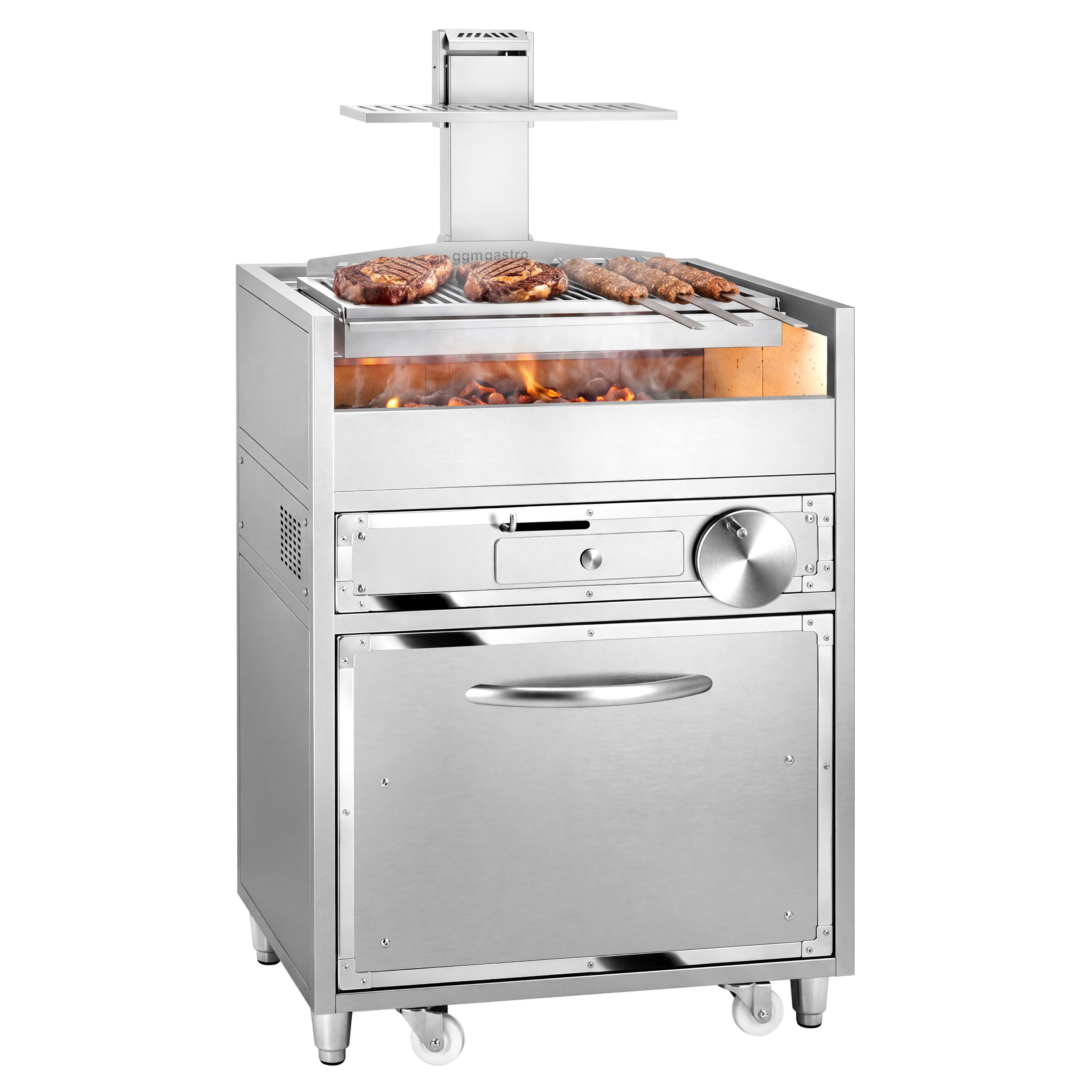
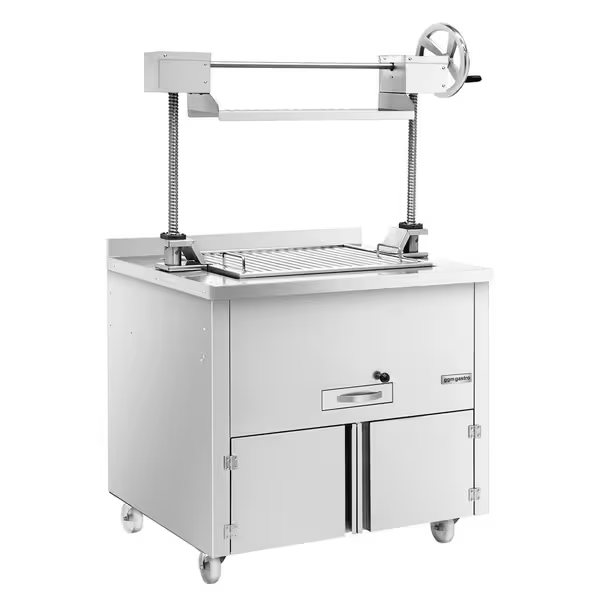
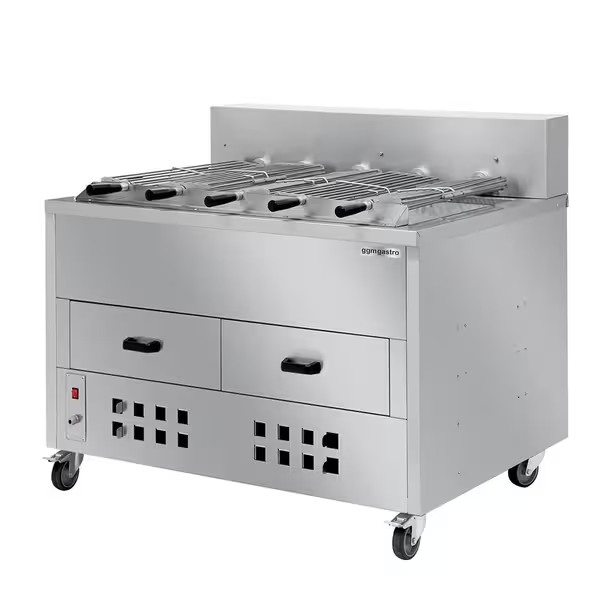
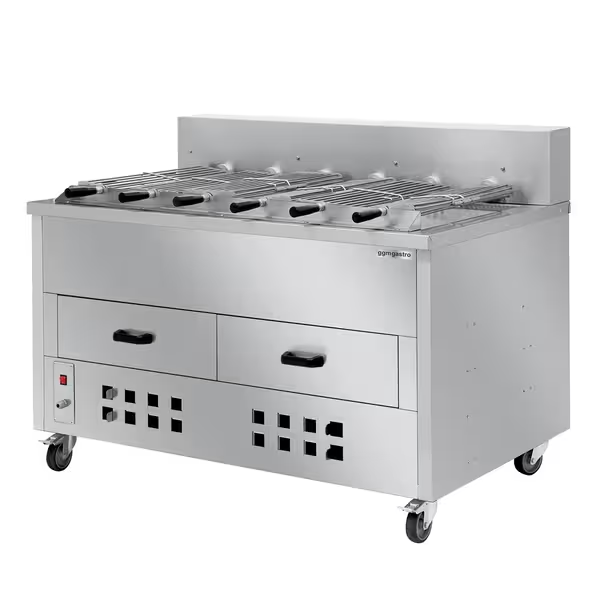
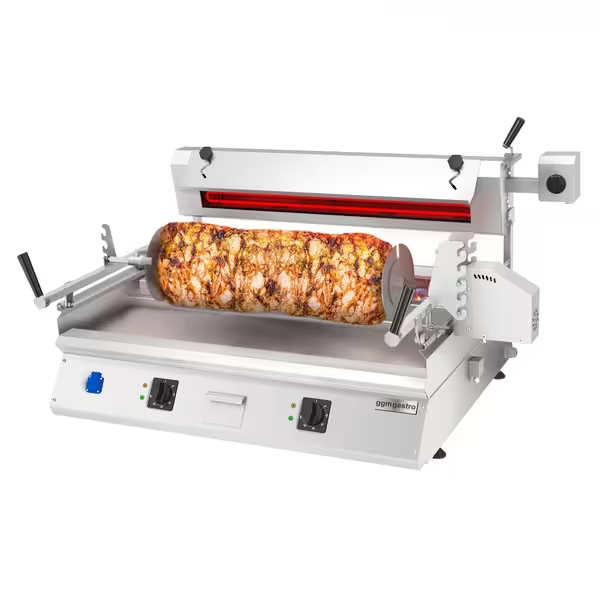
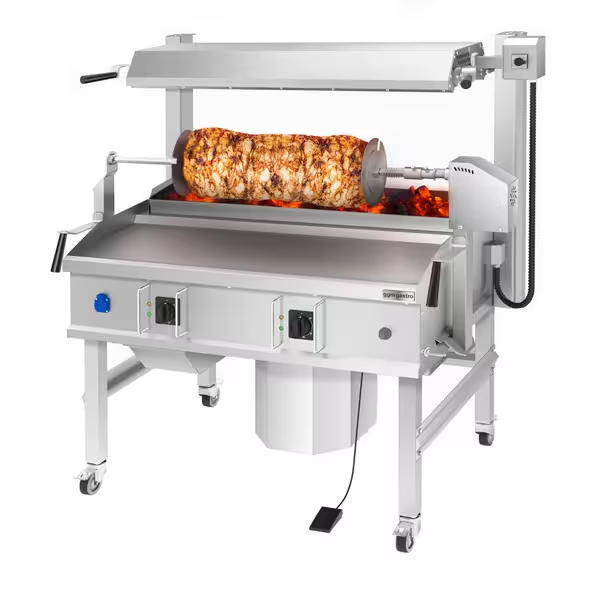
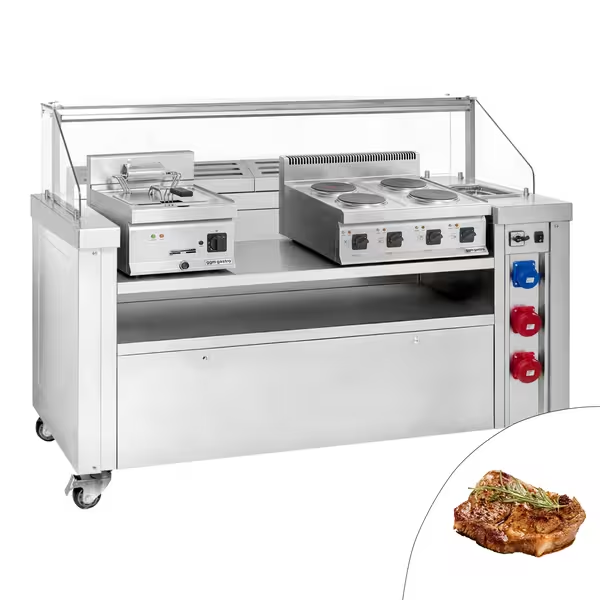
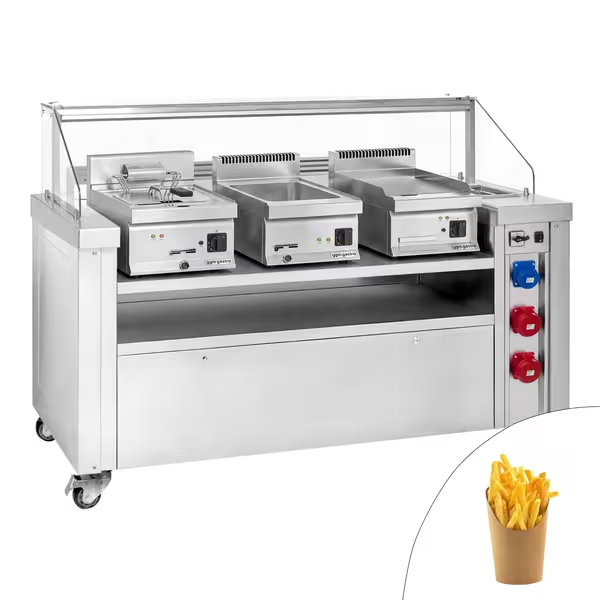
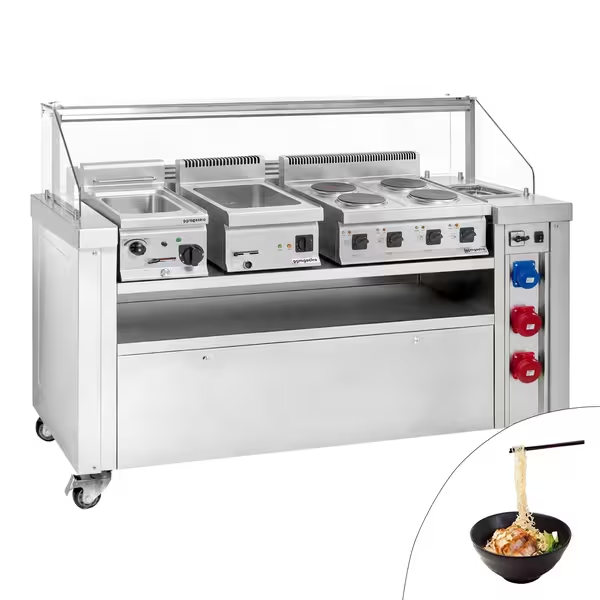
Mobile cooking and grill stations as flexible workstations
Mobile cooking and grill stations are compact, professionally equipped work units for flexible food preparation. Depending on the model, they combine cooking or grilling equipment with worktop space, storage, GN compartments, castors and an integrated filtration or extraction system.
They are used mainly in catering, at events, on the hotel buffet, for live cooking and in flexibly used restaurant areas. For terraces, event spaces and other outdoor areas, you also need to check whether the design, power supply and weather protection suit the intended use. The station brings the equipment closer to the service point and the guest. This shortens walking routes, keeps tools and equipment organised and creates additional production capacity without installing a complete fixed cookline.
Choosing equipment to match your menu and workflow
The right station depends first on your dishes and the expected workload. For breakfast, buffet or food service, a combination with bain-maries can be useful. For snack, grill or lunch concepts, versions with fryers, griddles, electric hobs or pasta cookers are an option. As well as preconfigured sets, there are base stations that can be fitted out to suit your own production workflow.
During a rush, several components need to be ready at the same time. A station with sufficient worktop and landing space prevents finished dishes from waiting for free space or containers from being moved around repeatedly. With live cooking, a tidy appearance also matters, because your working methods, cleanliness and organisation are directly visible to guests.
Planning connections, dimensions and mobility realistically
Before choosing, power supply, gas type and floor space must all fit together. Depending on the configuration, electric modules may require a 230 V or 400 V supply. Depending on the model, gas grill stations are designed for natural gas or propane. What matters is the total connected load of all appliances running at the same time, not just the rating of a single module.
Even a mobile station needs a fixed place in the workflow. Width, depth, working height and weight must suit doors, lifts, walkways and the intended location. Lockable castors make positioning easier, but they do not turn a heavy professional station into an easily portable unit. Cables and gas hoses need to be routed safely away from walkways and cleaning routes.
Quick check for the right cooking or grill station
-
Which dishes, and how many portions, are produced in your busiest hour of trading?
-
Which modules are needed at the same time: grill, hob, fryer, griddle, pasta cooker or hot holding?
-
Is 230 V, 400 V, natural gas or propane available on site?
-
Are floor space, doorways and load-bearing capacity sufficient for the station’s dimensions and weight?
-
Will castors, storage, GN compartments or an integrated filter system really be used day to day?
Hygiene and durability in everyday use
Stainless steel – often AISI 304 in heavily used work areas – provides a smooth, easy-to-clean surface. In operation, heat, grease, moisture, cleaning chemicals and mechanical stress all come together. Joints, edges, grease collection areas, filters and bases must therefore remain easily accessible.
For stations with baffle and activated carbon filters, regular cleaning or filter replacement must be a fixed part of the operating routine. Removable grates, accessible collection areas and clear space beneath the station shorten daily cleaning and prevent grease or food residue from remaining in hard-to-reach areas. Integrated extraction can reduce fumes and odours directly at the station. However, it does not automatically replace checking local ventilation, fire safety and installation requirements.
Integrating the station sensibly into your business concept
A cooking or grill station performs best when prep, refrigeration and service are coordinated. Ingredients and prepped components must stay within easy reach without overloading the worktop. Suitable stainless steel furniture can provide additional landing space; nearby refrigeration keeps sensitive goods close to the process. Warewashing and cleaning routes must not cross the service area.
A well-chosen station can ease bottlenecks, relieve pressure on the team at peak times and make changing work areas more usable. The investment pays off where output, equipment and size match actual demand and the station is regularly integrated into the production workflow.
Choosing mobile cooking and grill stations to suit your business
The decision should not be about having as many functions as possible, but about the right combination of cooking power, worktop space, connections, mobility and ease of cleaning. The result is a workstation that supports daily operations and can be integrated sensibly into your existing business concept for catering, live cooking, buffets or grilling.