


Ice Cream Machines & Ice Cream Makers for Restaurants, Cafés, and Ice Cream Shops
Ice cream machines and ice cream presses enable the professional production, preparation, and serving of ice cream, sorbet, frozen yogurt, or spaghetti ice cream in commercial settings. They are suitable for cafés, restaurants, ice cream shops, hotels, pastry shops, and businesses looking to expand their dessert offerings in a planned manner. Guide to Ice Cream Machines & Ice Cream Presses »



Product type
Power Connection
Operation
Capacity liters
Capacity
Ice Cube Shape
Width
Depth
Height
Price



Ice Cream Machines & Ice Cream Makers as Part of a Cost-Effective Dessert Concept
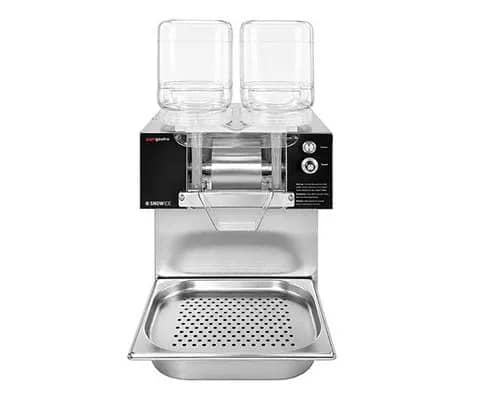
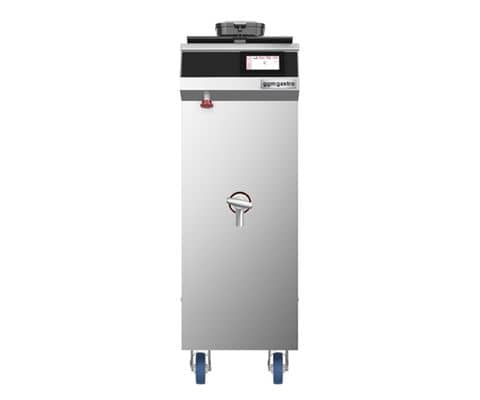
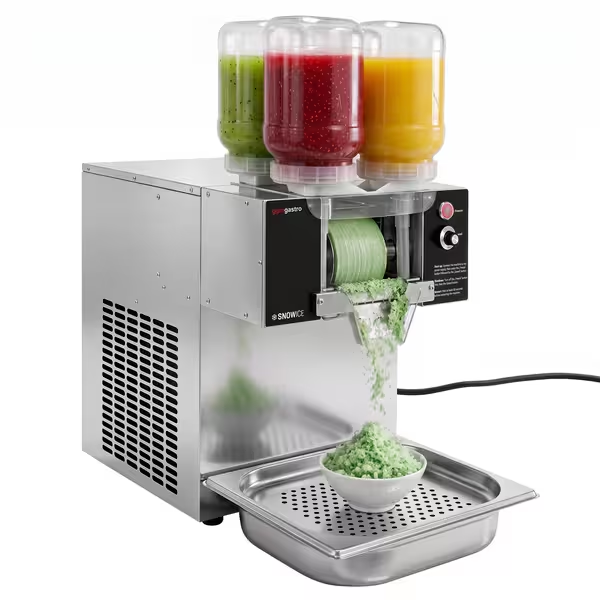
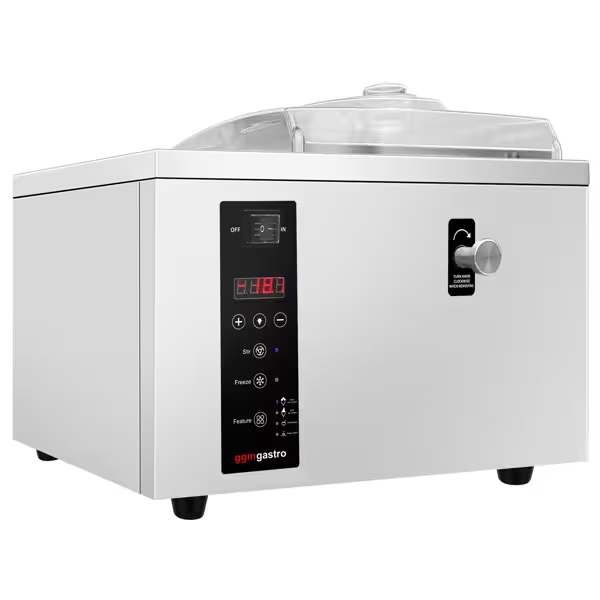
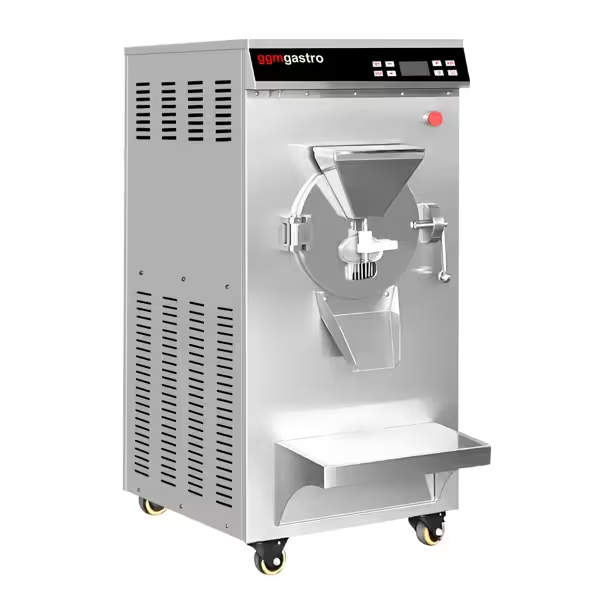
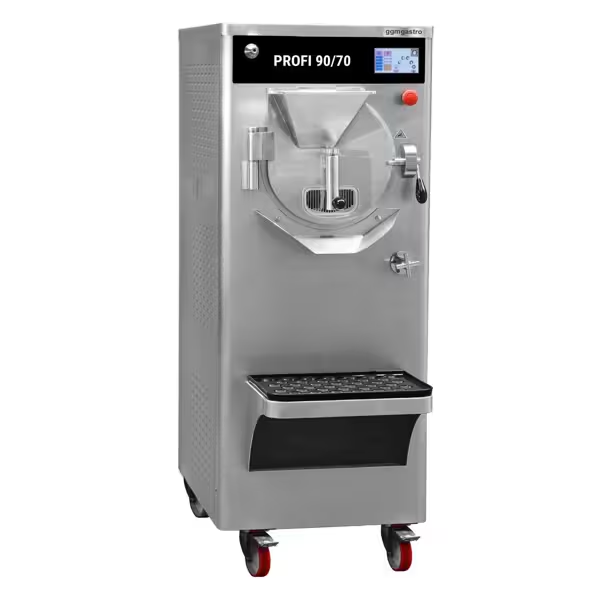
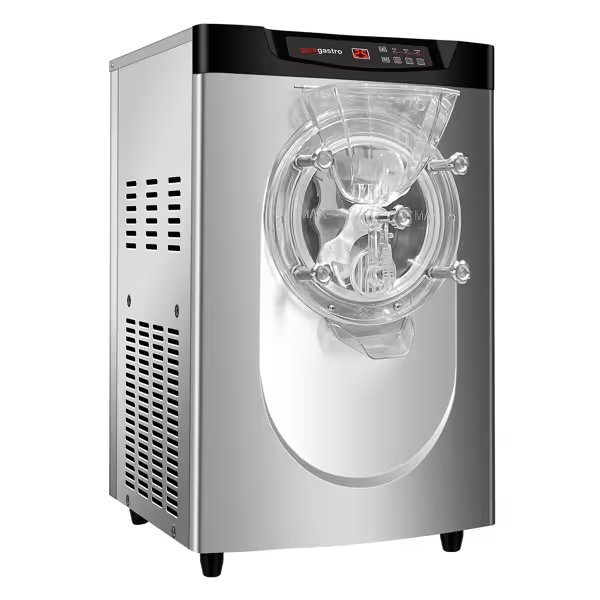
Ice cream machines and ice cream presses are devices and tools used for the commercial production and processing of ice cream products. They help businesses produce, portion, or prepare ice cream, sorbet, frozen yogurt, or spaghetti ice cream on-site for immediate sale.
In cafés, restaurants, ice cream parlors, hotels, pastry shops, and businesses with seasonal peaks, this category influences not only the product range but also operations, cost of goods sold, and serving speed. The right ice cream machine makes production less reliant on purchasing ready-made products, while ice cream presses ensure consistent results—especially for classic desserts like spaghetti ice cream. It is crucial that the equipment, production volume, space requirements, and cleaning effort align with the realities of day-to-day operations.
Which ice cream maker is right for your business size
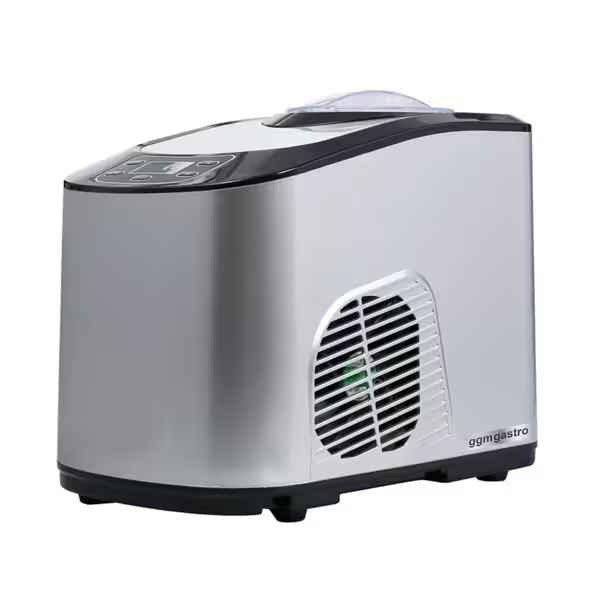
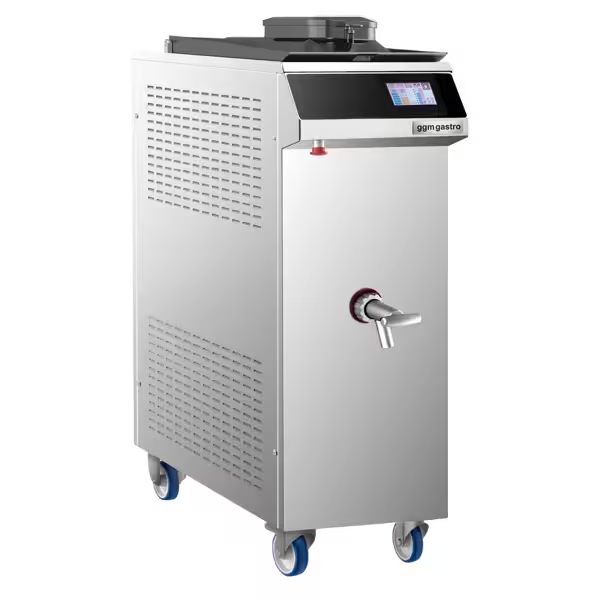
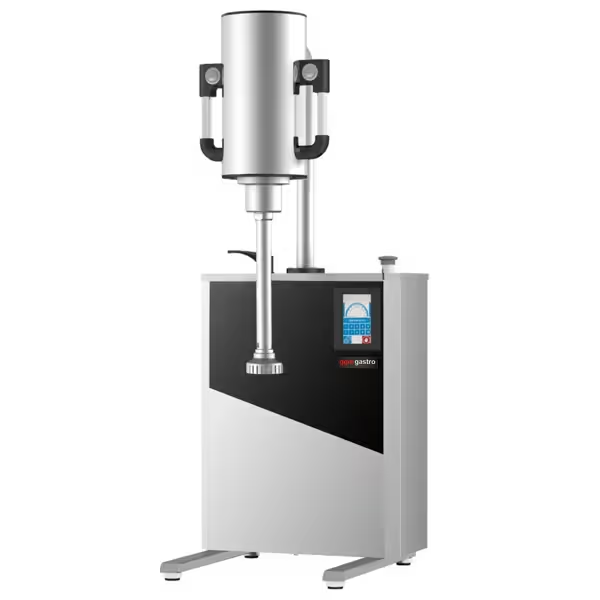
The selection process begins with the planned ice cream production. A small café that offers ice cream as a complement to cakes, waffles, or coffee requires different capacities than an ice cream parlor with high demand during the summer season. Compact tabletop units are suitable for limited space and manageable quantities. More powerful floor-standing units make sense if larger batches are produced regularly or if multiple flavors are planned to be made simultaneously.
Key decision-making criteria include production capacity in liters per hour, tank capacity, power connection type, unit dimensions, and ease of use. For low daily volumes, a 230-V machine with a compact container may be sufficient. For businesses with high foot traffic, extended hours, or seasonal peaks, greater capacity is essential to ensure production doesn’t become a bottleneck.
The recipe also plays a role. Milk ice cream, fruit ice cream, sorbet, and frozen yogurt all place different demands on the mixing mechanism, cooling system, and consistency. Businesses that regularly develop their own flavors benefit from a machine that supports consistent processing and controllable results.
Ice cream presses for spaghetti ice cream and consistent dessert portioning
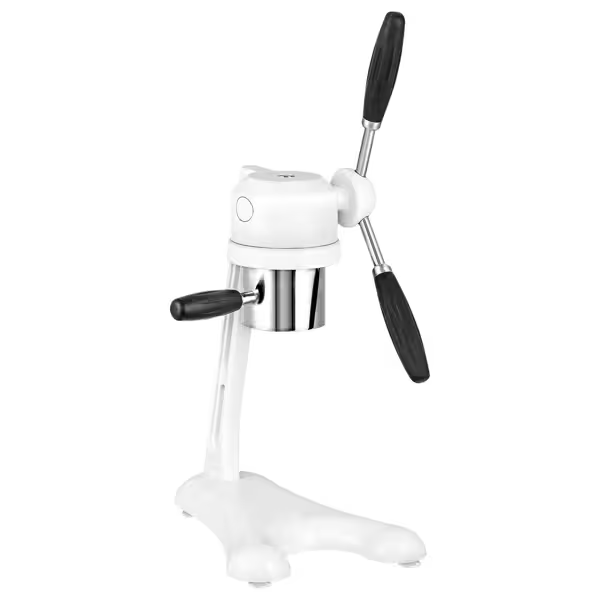
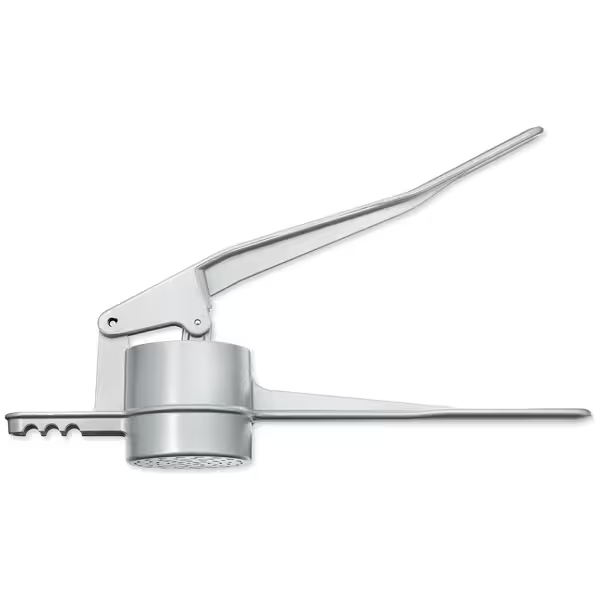
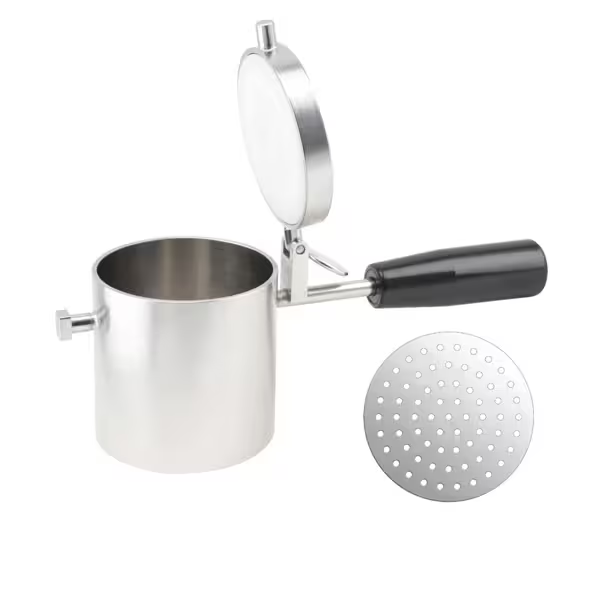
Ice cream presses complement ice cream machines in situations where ready-made ice cream needs to be quickly shaped into a specific form. A consistent result is especially important for spaghetti ice cream, because appearance, portioning, and work speed are directly related. Manual ice cream presses integrate well into smaller dessert stations, take up little space, and are ready for use quickly.
Ease of use is crucial during operation. When the team is portioning, pressing, garnishing, and serving ice cream during peak hours, the process must not be unnecessarily slowed down. A sturdy press, a compatible press attachment, and an easily accessible work surface facilitate consistent, repeatable processes. When serving with waffles, cakes, or dessert plates, a clearly organized station with the right accessories and ample counter space can make the serving process significantly more structured.
Planning, Space Requirements, and Workflows in the Ice Area
Ice cream production requires more than just a single machine. It’s important to minimize the distance between preparation, the machine, temporary storage, and dispensing. In a small kitchen, space utilization is often the top priority: The equipment must fit on the countertop, remain easily accessible, and be easy to clean thoroughly after use. In larger production areas, the workflow between production, transfer, storage, and sales is more critical.
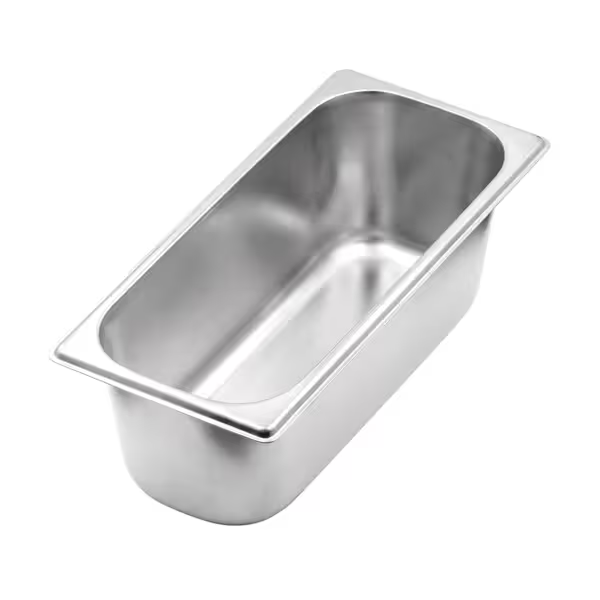
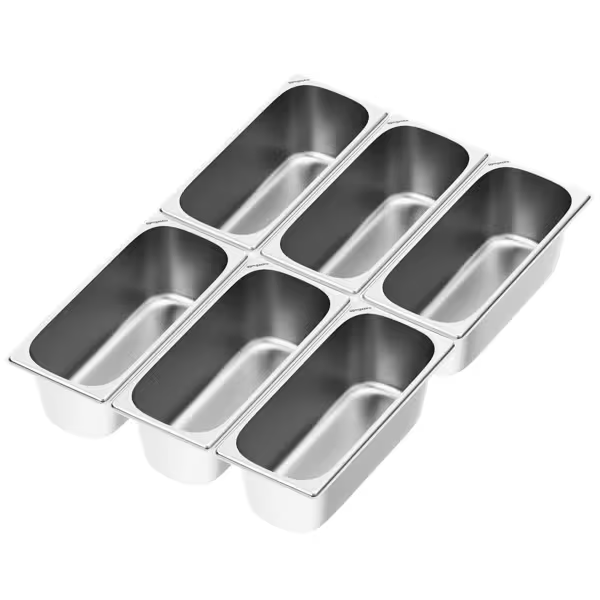
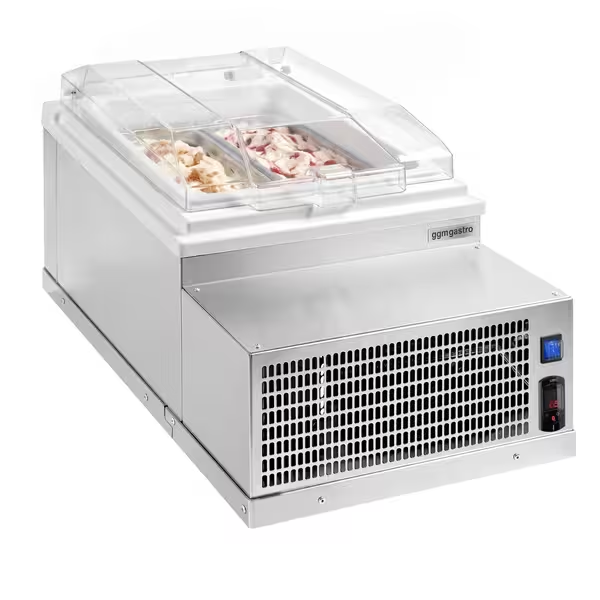
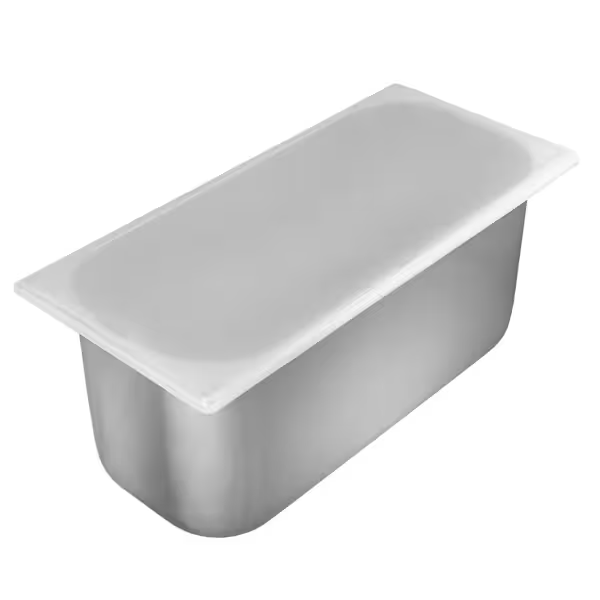
A typical bottleneck occurs during the summer season when production and serving are happening simultaneously. If ice cream is being produced while orders are already pending, clearly defined work zones and sufficient containers are helpful. Storage of the finished flavors must also be planned for. Depending on the business model, ice cream machines can be effectively combined with refrigerators & freezers, ice cream containers, or suitable work tables.
Quick Checklist for Selection:
- Planned ice cream production per day and during peak hours
- Available floor space and appliance dimensions
- Connection type and power requirements
- Cleaning effort required after each use
- Application: café, restaurant, ice cream shop, hotel, or pastry shop
Hygiene, Cleaning, and Durability in Daily Use
Hygiene is a top priority for ice cream machines and ice cream presses because dairy products, fruit purees, and sweet base mixtures are handled with great care. Smooth surfaces, easily accessible containers, and removable components make daily cleaning easier. Stainless steel is advantageous in commercial settings because the material is durable, hygienic, and resistant to moisture.
Mechanical stress also plays a role. The agitator, pressing mechanism, containers, and controls are frequently used during peak seasons. Precise processing, stable sturdiness, and simple operation support consistent workflows, even when multiple employees are working with the machine. During installation, in addition to the dimensions, ventilation, electrical connection, and a safe, easy-to-clean location are important considerations.
Thinking Economically: Combining Ice Cream Production, Service, and Product Selection
The right ice cream machine can make dessert planning more predictable. Businesses can manage flavors, quantities, and production times more precisely and implement seasonal offerings with greater flexibility. At the same time, the cost of the machine, energy consumption, cleaning time, and labor costs remain part of the calculation. The equipment makes economic sense when it aligns with actual sales and is used reliably on a daily basis.
For a cohesive operational concept, it’s worth taking a look at the entire workflow: preparing the base mixture, producing ice cream, transferring it, storing it, portioning it, and serving it. Complementary stainless steel furniture provides hygienic work surfaces, while bar supplies or dessert accessories can round out the serving process. This avoids creating an isolated equipment area and instead results in a functional ice cream station that fits seamlessly into the business workflow.
Shop for Ice Cream Makers & Ice Cream Presses at GGM Gastro
GGM Gastro offers ice cream machines and ice cream presses for a variety of commercial needs—from compact units for smaller dessert menus to high-performance solutions for businesses that sell ice cream on a regular basis. Business owners benefit from a wide selection, clear product specifications, attractive value for money, Europe-wide delivery, and expert advice during the selection process. This allows them to choose the right equipment not only based on price, but also on intended use, capacity, and long-term durability in everyday operation.