


Commercial kitchen ventilation for catering and professional kitchens
In commercial kitchens, ventilation captures and removes steam, heat, grease particles and odours. At GGM Gastro, businesses will find the right canopies, fans, filters, fan boxes and accessories for professional extraction systems. Find out which ventilation suits your kitchen in our buying guide »
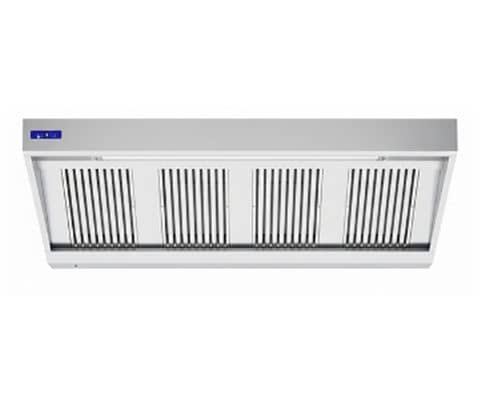
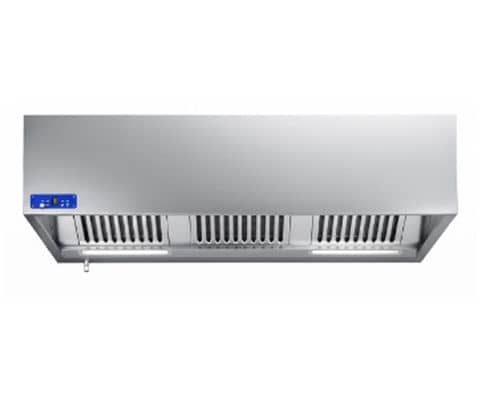
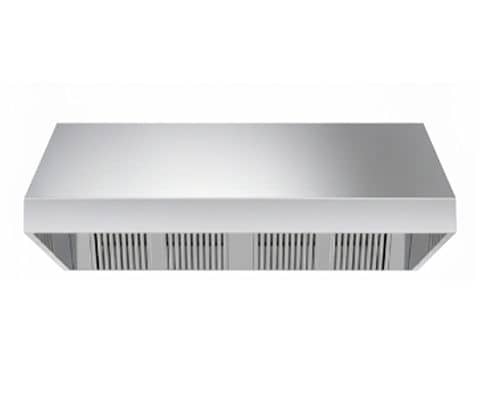
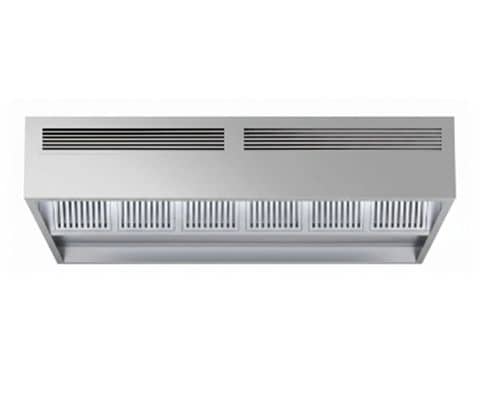

Ventilation as the foundation of reliable kitchen operations
Professional ventilation is an essential part of the equipment in restaurants, hotels, catering, takeaways, canteens and production kitchens. It describes the coordinated combination of canopy, air movement, filtration and ductwork that captures steam, heat, grease particles and odours where they are produced.
In day-to-day operation, the right ventilation has a direct impact on calm working conditions and process reliability. During the lunch rush at the grill, with the fryers running or in a small pizzeria, it helps the team stay focused and keeps surfaces from building up grease and moisture as quickly. For operators, it is therefore not just the individual canopy that matters, but how design, airflow, filtration, connection and cleaning work together.
Which ventilation suits your business?
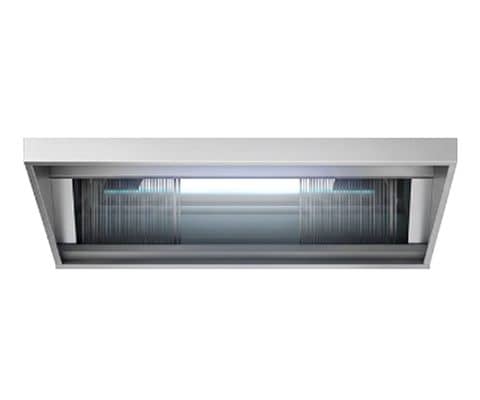
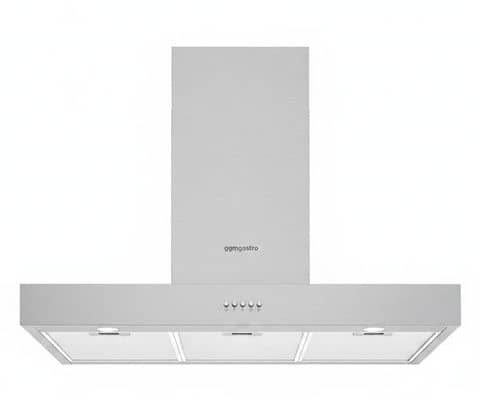
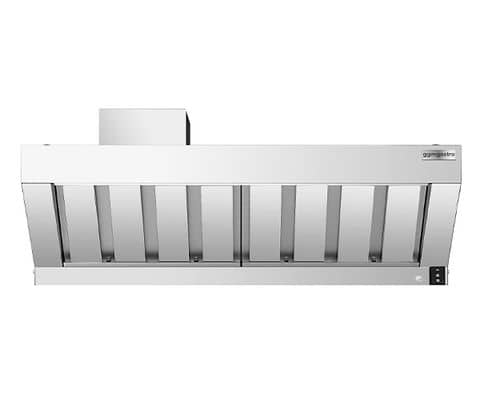
The choice starts with the cooking line. If appliances stand against the wall, wall-mounted canopies are usually the obvious choice; for heavier use or longer cooking lines, box canopies with a suitable depth are worth considering. For central cooking areas or front cooking, island canopies, induction canopies or plasma extraction canopies can make sense, provided the room, extract route and usage allow it.
Quick selection check:
• Canopy width and depth cover the cooking line and its edges.
• Airflow rate matches the steam, grease, heat and room size.
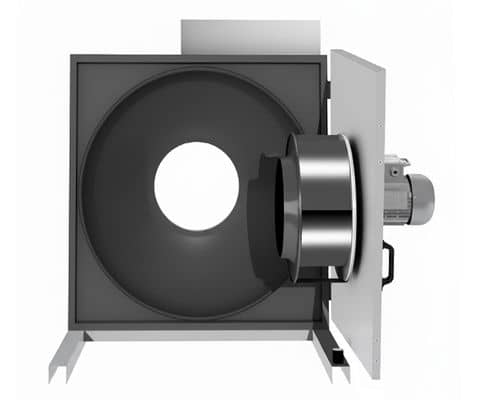
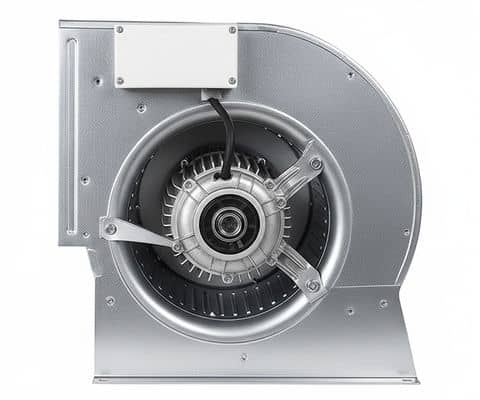
• The fan solution is decided: integrated motor or external fan box with fan.
• Filtration is suited to grease, fire safety requirements and odours.
• Connections, ductwork routing, controls and maintenance access have been checked before ordering.
Planning, installation and daily use
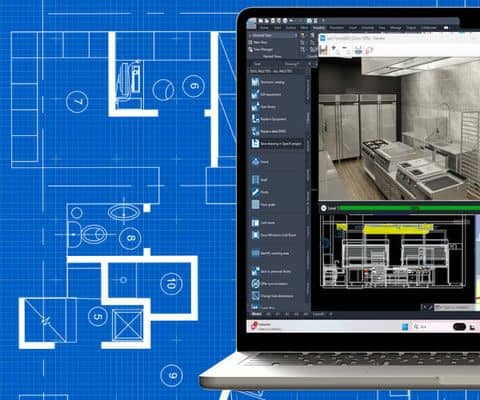
Ventilation should be included early in kitchen planning, as it affects space, walkways and technical connections. A canopy must be positioned so that it reliably captures steam and grease above the hob, grill, fryer or oven without obstructing work surfaces, the pass or cleaning routes. In existing kitchens, it is particularly important to check whether the current ductwork, wall penetrations, motor power and controls are sufficient.
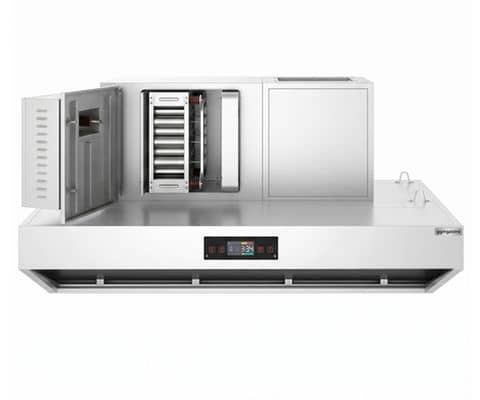
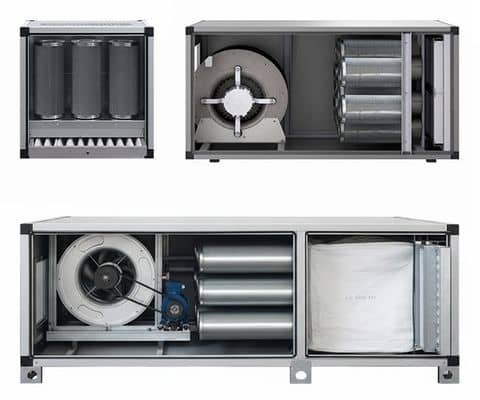
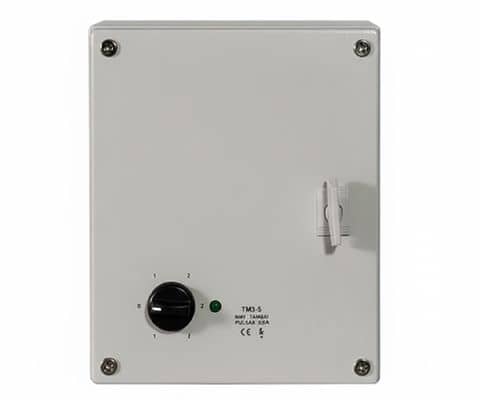
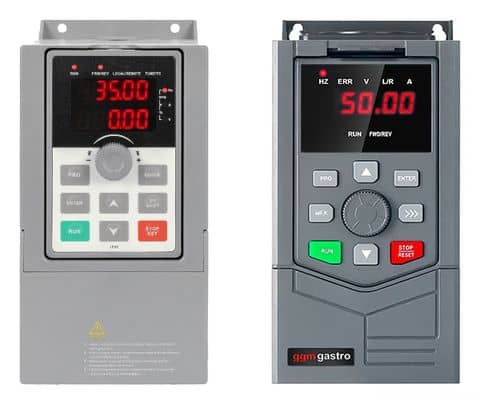
Under heavy load, a canopy alone is often not enough. [Fan boxes], centrifugal fans, speed controllers or frequency inverters then become important for controlling the airflow. Especially in small kitchens with long opening hours or production kitchens with several heat sources, properly integrated ventilation supports a more stable working rhythm.
Assessing hygiene, materials and maintenance realistically
Commercial ventilation works with heat, moisture, grease, steam and cleaning chemicals every day. Stainless steel is therefore a sensible basis, as smooth surfaces are easy to clean and stay durable in everyday kitchen use. Easily accessible filters, suitable grease collection and a design that does not make regular cleaning unnecessarily difficult are also crucial.
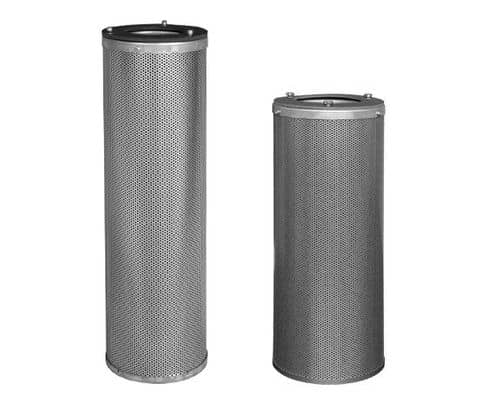
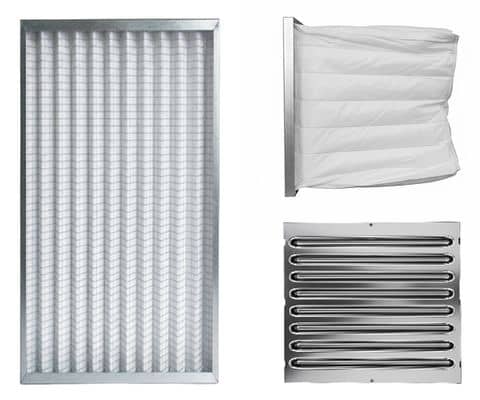
Filtration should match the application. Grease and flame-retardant baffle filters are key components for many cooking areas, while activated carbon filters can complement them where odours are an issue.
The key point: filters, ductwork and fan must be considered together. A powerful fan achieves little if canopy size, duct routing or filter condition restrict the airflow.
Correct sizing makes ventilation cost-effective
Undersized ventilation puts strain on the team, increases cleaning effort and can disrupt workflows at peak times. An oversized system, on the other hand, ties up space, budget and connection capacity. Cost-effective ventilation matches actual use: type of business, cooking volume, grease load, odour levels, room size and future expansion.
Start-ups often prioritise a robust, easy-to-understand solution that is available quickly. Restaurants that are refurbishing pay more attention to value for money, cleaning, noise levels and visual integration. Larger kitchens, hotels or canteens need comparable technical data such as airflow rate, power requirements, filtration stages and maintenance access, so that decisions are based not only on price but on the operational impact. When replacing equipment, it also matters that dimensions, motor type, accessories and spare parts can be sourced quickly, so that refurbishment or a breakdown does not disrupt the business for longer than necessary.
Ventilation as part of a coherent kitchen concept
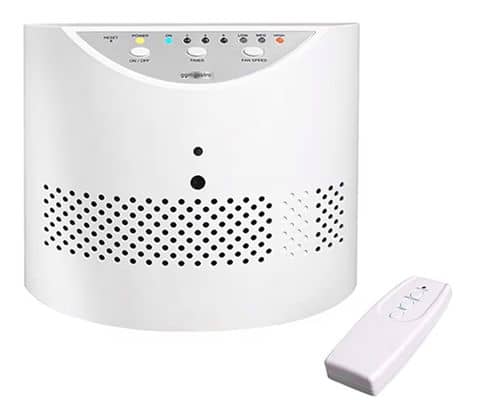
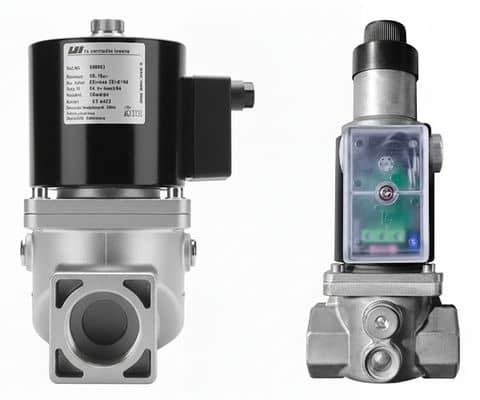
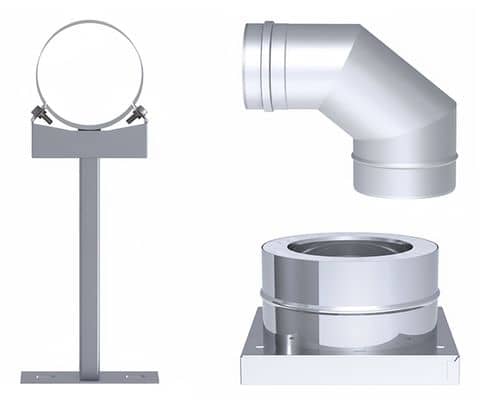
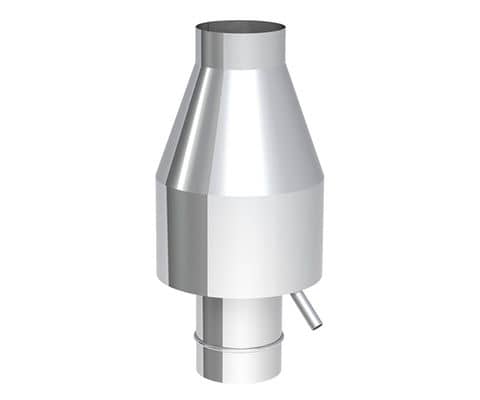
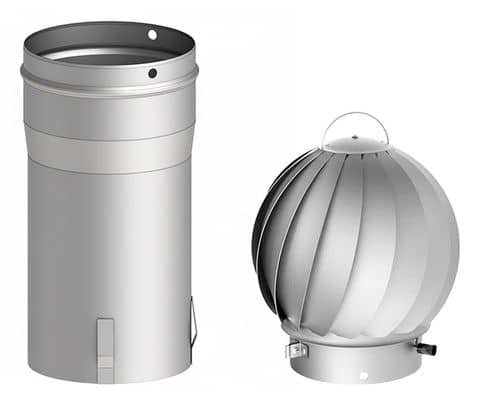
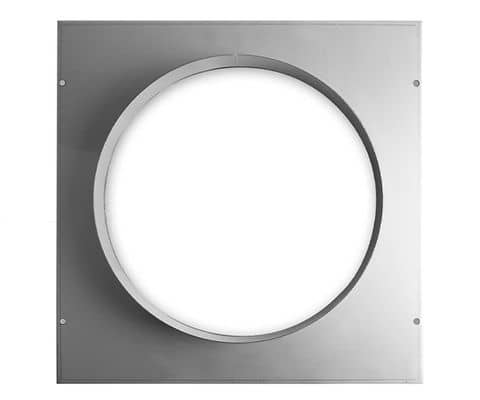
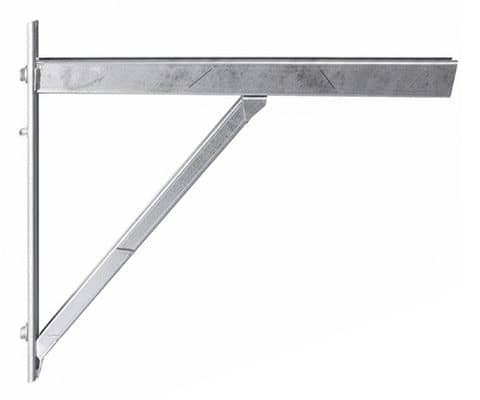
Good ventilation does not end at the canopy. It has to fit the cooking equipment, stainless steel work areas, ceiling height, extract routes, cleaning concept and service access. Ductwork, spigots, cowls, cladding panels, gas solenoid valves or odour control units are not optional extras: depending on the kitchen, they can be crucial for the whole system to work.
Planning ventilation as an integral part of the business means more than buying air-handling equipment. It creates better conditions for clean workstations, more reliable processes and a kitchen that stays under control even at peak load.