


Wall-mounted extraction hoods for commercial kitchens
Wall-mounted extraction hoods capture cooking fumes, heat and grease-laden air directly above cooking equipment positioned against a wall. Depending on the cooking line, different widths and depths are available, with or without an integrated motor. Find out which wall-mounted hood suits your kitchen in our buying guide »

Price
Design/Equipment
Conveyor volume
Number of Filters
Width
Depth
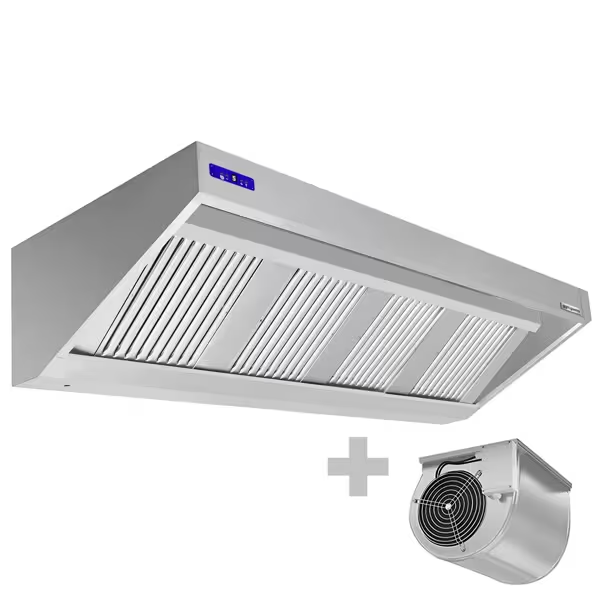
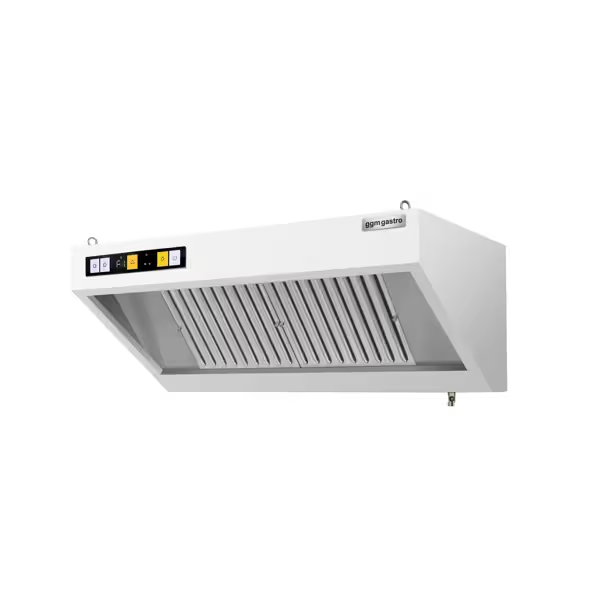

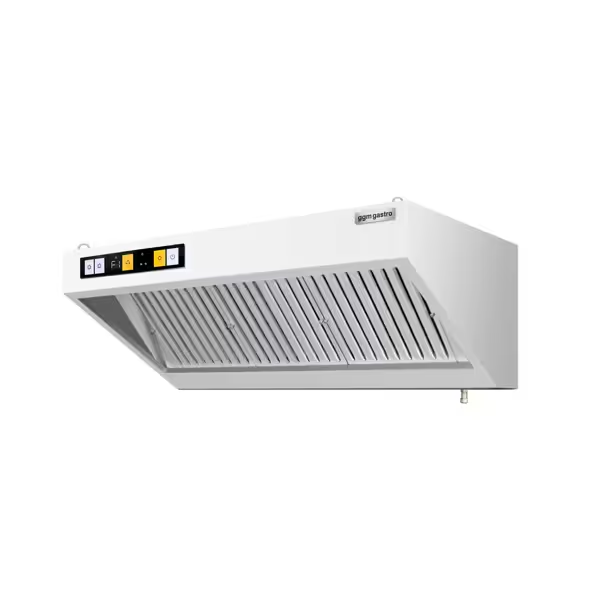
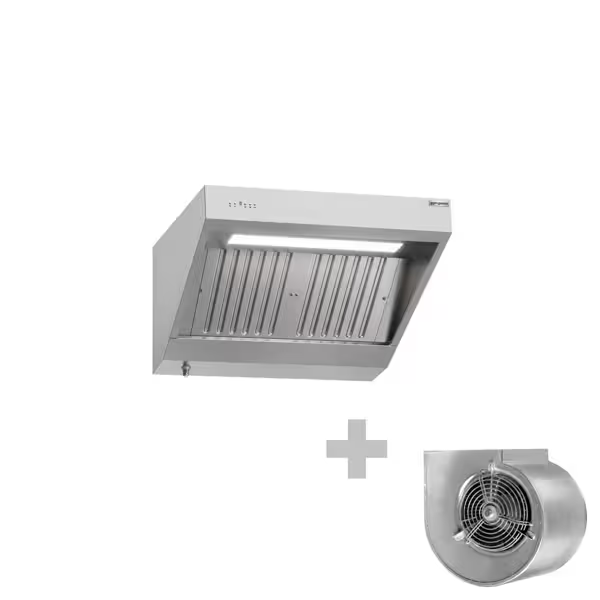
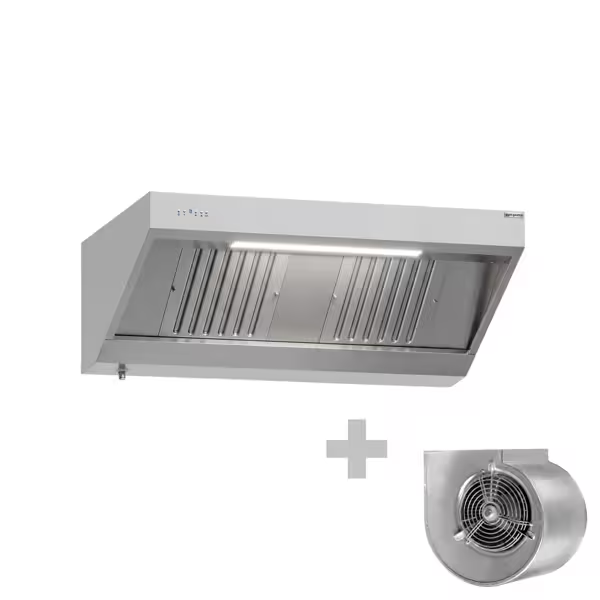
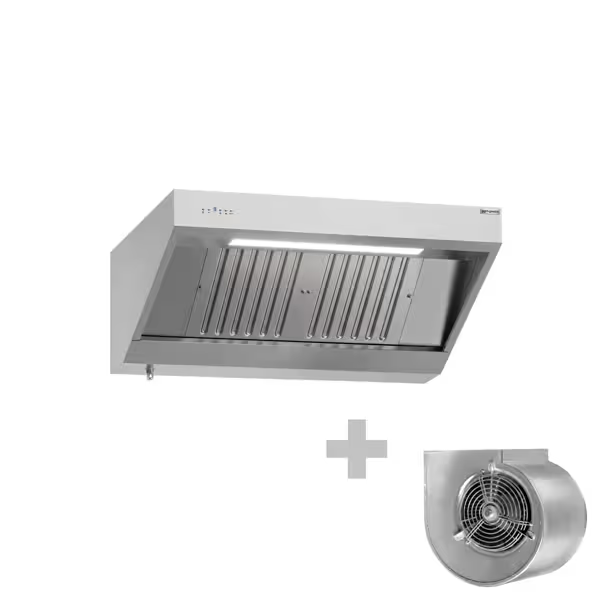
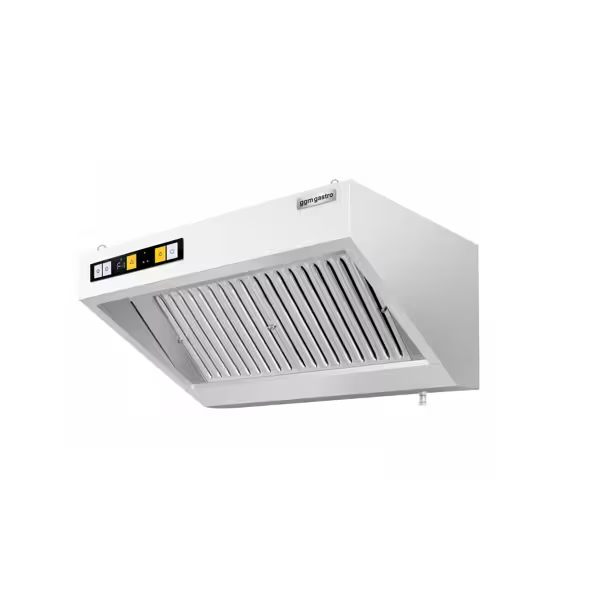
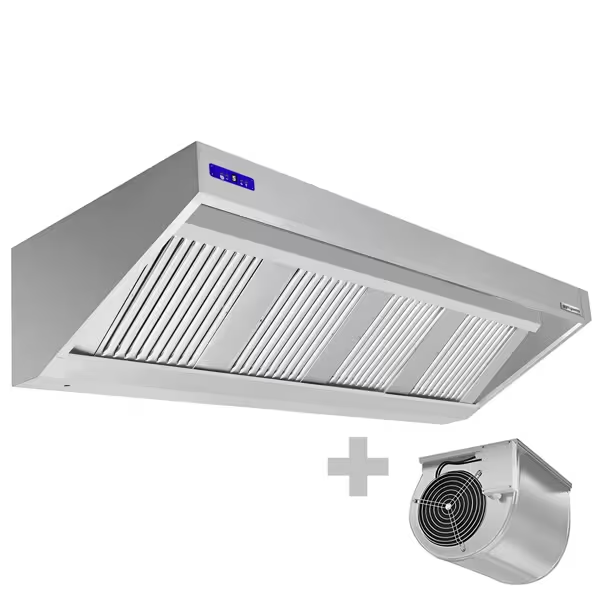
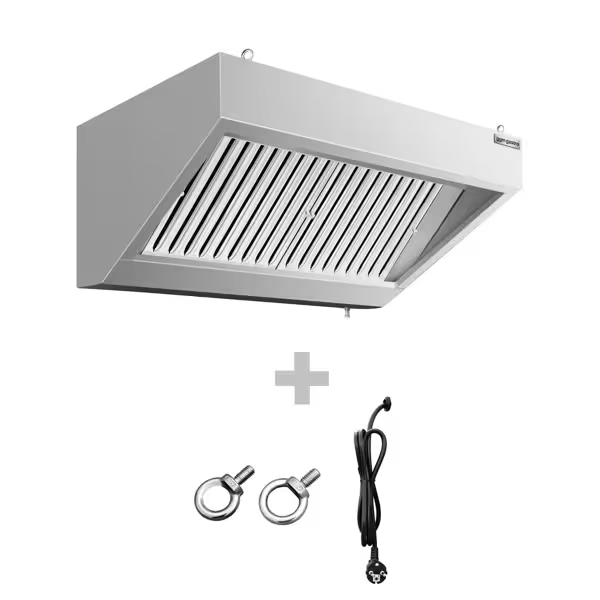
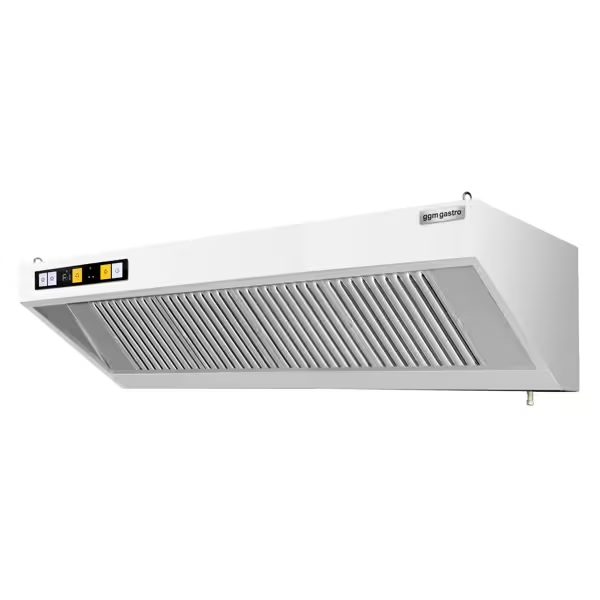
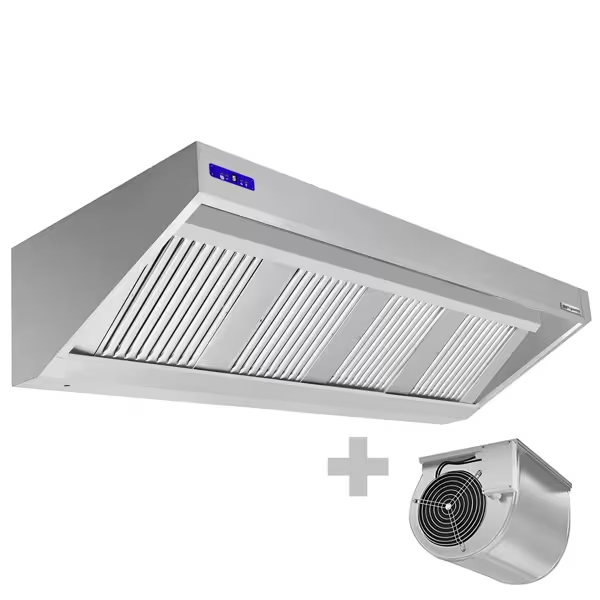
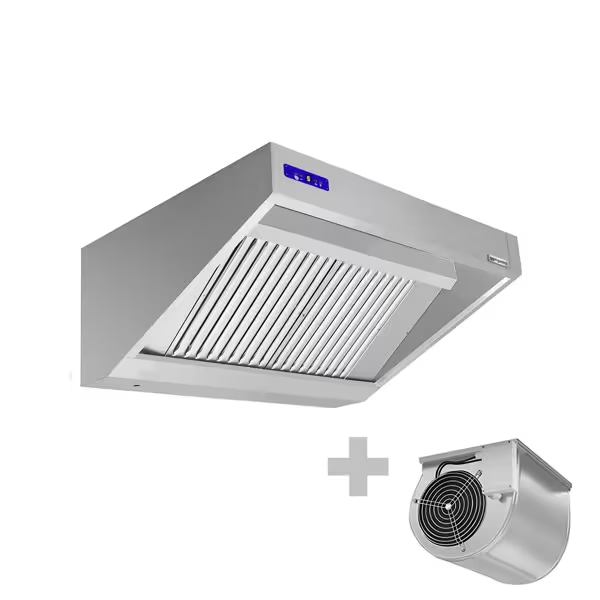

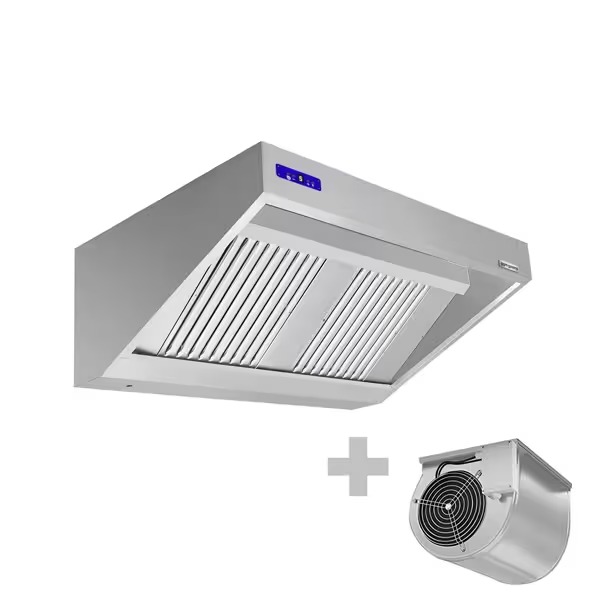

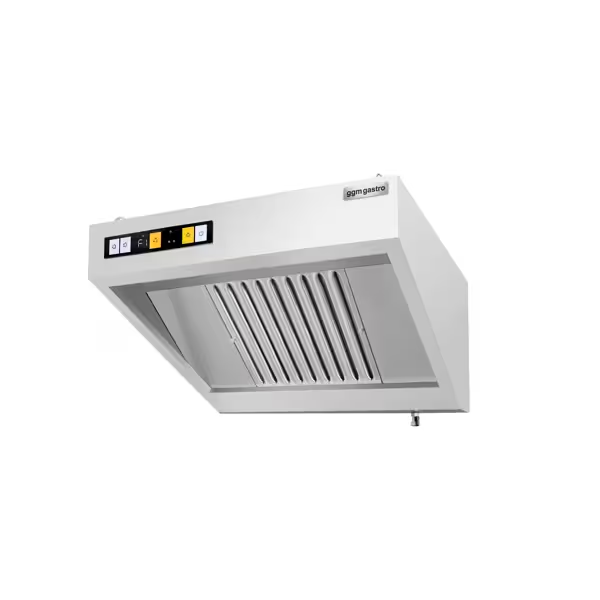
Wall-mounted hoods as a core component of kitchen ventilation
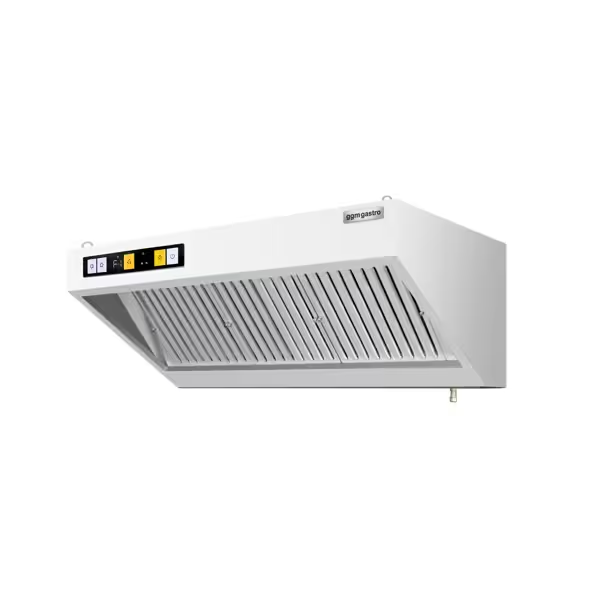
Wall-mounted hoods are commercial extraction hoods installed above cooking equipment positioned against a wall. They capture rising heat, steam and grease-laden aerosols as close as possible to the range, grill or fryer and direct them into the extraction system.
In restaurants, snack bars, pizzerias, hotel kitchens and production kitchens, a well-planned extraction hood does more than improve the room climate. It helps keep work areas clean, reduces deposits on surrounding surfaces and makes heavily used cooking zones easier for the team to manage. During peak service in particular, effective capture helps prevent fumes from spreading throughout the kitchen.
Matching hood width and depth to the cooking line
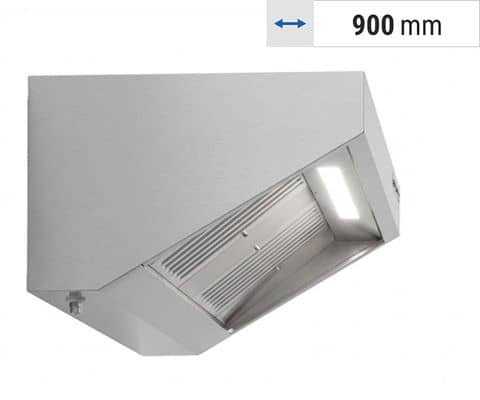
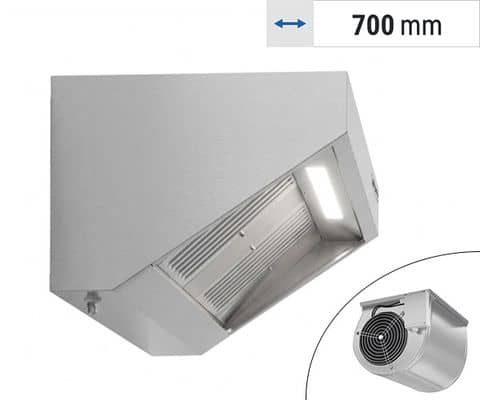
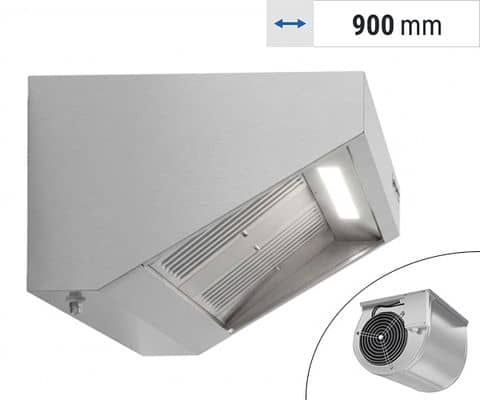
The dimensions of the wall-mounted hood need to suit the equipment below it. Standard versions with a depth of 700 or 900 mm are designed for cooking lines of different depths. Sufficient overhang helps the hood capture rising exhaust air more effectively than a unit sized too tightly around the cooking equipment.
The width also depends on the total heat-producing area. A single cooking point requires a different solution from a continuous line consisting of a range, griddle and fryer. When extending a kitchen, the available wall space is therefore only one part of the decision. The hood also needs to cover the cooking line appropriately and integrate into the existing kitchen design.
A hood that is too small can allow heat and grease mist to escape at the sides. An unnecessarily large model, by contrast, occupies additional space and may increase the requirements placed on the extraction system and installation.
Wall-mounted hoods with or without an integrated motor
Wall-mounted hoods without an integrated motor are combined with an external extraction solution. This can be suitable when a central fan, fan box or properly planned ventilation system is already in place.
Models with an integrated motor combine the hood and extraction drive in a more compact solution. Depending on the version, a speed controller, lighting or other controls may also be included. The stated airflow should not be assessed in isolation, however. Duct length, duct diameter, bends and changes in height create pressure losses and influence the airflow achieved in practice.
For longer duct runs or cooking lines with higher extraction requirements, an external solution using suitable centrifugal fans may be more appropriate. Before installation, the power supply, extract connection, wall fixing and access for maintenance also need to be considered.
Filters and stainless steel surfaces in daily use
Commercial wall-mounted extraction hoods are generally made from stainless steel. The material is suitable for environments exposed to heat, moisture and frequent cleaning, while smooth and accessible surfaces make grease and dirt easier to remove.
Grease filters or flame-retardant filters separate part of the grease particles carried in the exhaust air. Their number and dimensions depend on the width and design of the hood. Removable filters simplify regular cleaning, while grease collection channels and drain taps can help remove separated grease in a controlled way.
Filters need to match the filter housing provided in the hood. Incorrect dimensions or incomplete filter coverage can impair airflow and increase cleaning and maintenance requirements.
Quick check for choosing a wall-mounted extraction hood
Before deciding, five key points help narrow down the choice:
• Measure the width and depth of the entire cooking line
• Consider the type and load of the cooking equipment
• Decide between an integrated and an external motor
• Check airflow, duct routing and extract connection together
• Plan access to filters and sufficient space for cleaning and maintenance
These criteria are particularly relevant when replacing existing equipment or adding new cooking stations. In a restaurant that is already operating, compatibility with existing extraction connections may be the main constraint. In a newly planned commercial kitchen, the extraction hood can instead be coordinated with the cooking equipment, output and workflows from the outset.
Integrating wall-mounted hoods cost-effectively
The right wall-mounted extraction hood supports stable kitchen operations by helping remove heat, steam and grease-laden air from the cooking area. This can reduce deposits on surrounding surfaces and make heavily used cooking zones easier to clean and manage.
An extraction hood does not operate in isolation. Reliable performance depends on the combination of extract routing, sufficient make-up air, suitable ventilation ducts and accessories, and professional installation. Wall clearances, ceiling height and the position of surrounding equipment also need to be included in the planning process.
For smaller businesses, a compact hood with an integrated motor and controller can provide a straightforward solution. For long cooking lines, high heat loads or complex duct runs, a tailored extraction system is often more appropriate. The decisive factor is not the largest possible hood, but a design matched to the kitchen output, available space and daily usage profile.
Choosing the right wall-mounted hood for your business
The effectiveness of a wall-mounted extraction hood depends on the right combination of dimensions, filter area, airflow and connection concept. Considering these factors together helps avoid both an undersized solution and unnecessary system complexity.
GGM Gastro offers wall-mounted extraction hoods in various widths and depths, with and without an integrated motor. Expert advice, fast availability, flexible payment options and reliable spare parts supply support new kitchen projects, refurbishments and replacement purchases.