


Pasta Machines & Accessories for Commercial Kitchens
Pasta machines and rollers help catering businesses produce even sheets of dough and a variety of pasta shapes. Depending on the model, they can roll, cut, knead or shape fresh pasta dough. Find the right equipment for your kitchen in our buying guide »


Product type
Power Connection
Dough Weight
RotationS per minute
Price
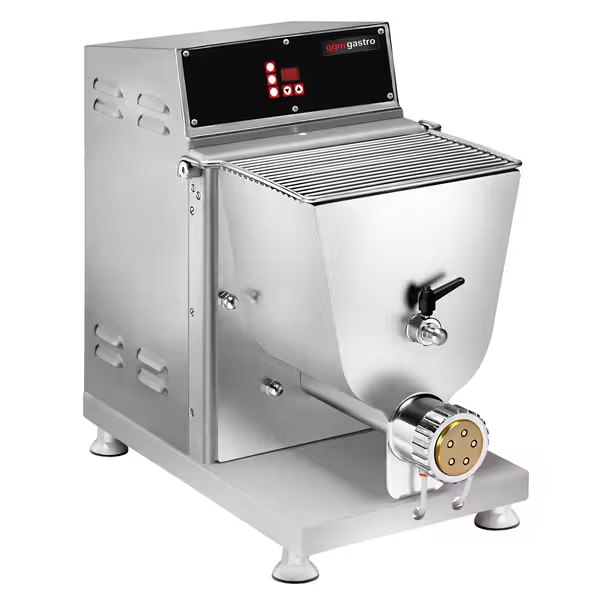
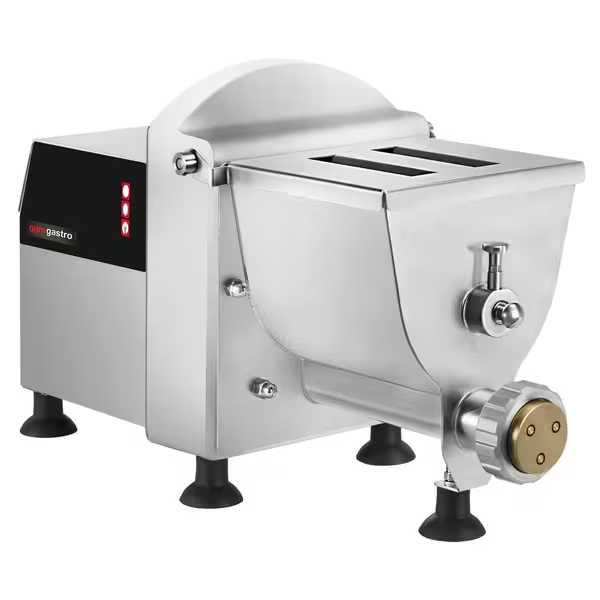
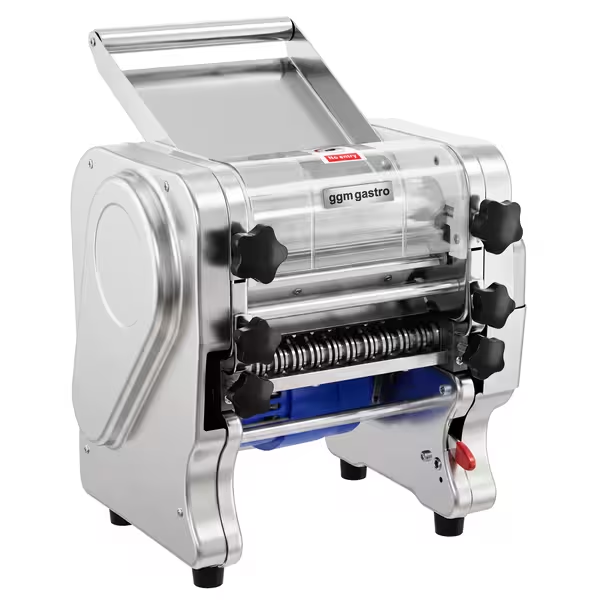
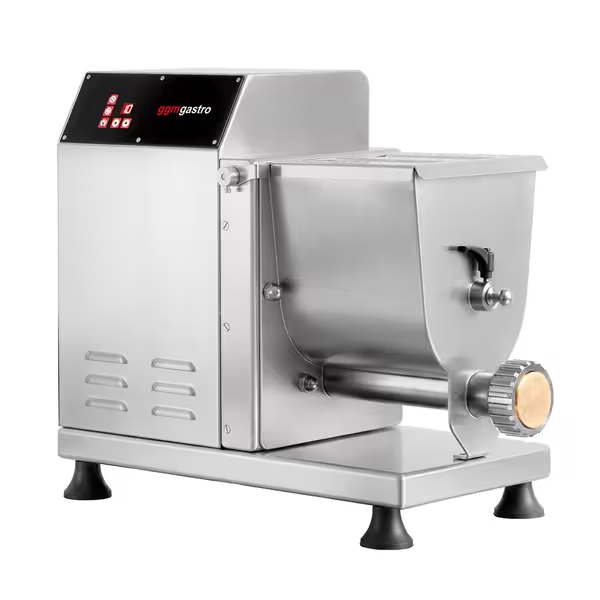
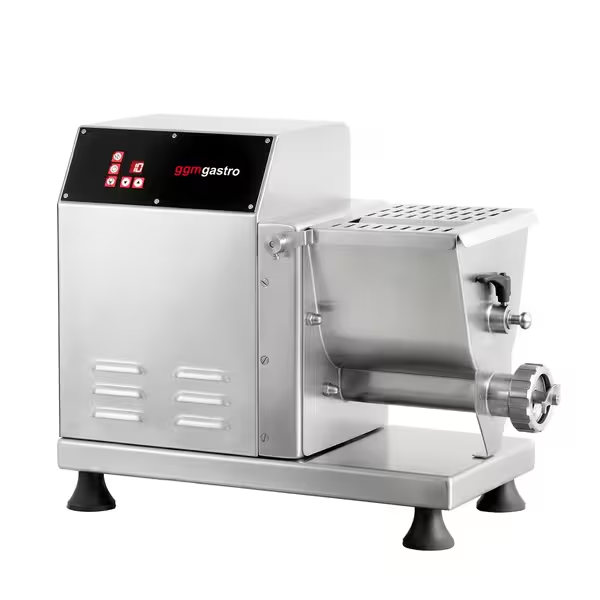
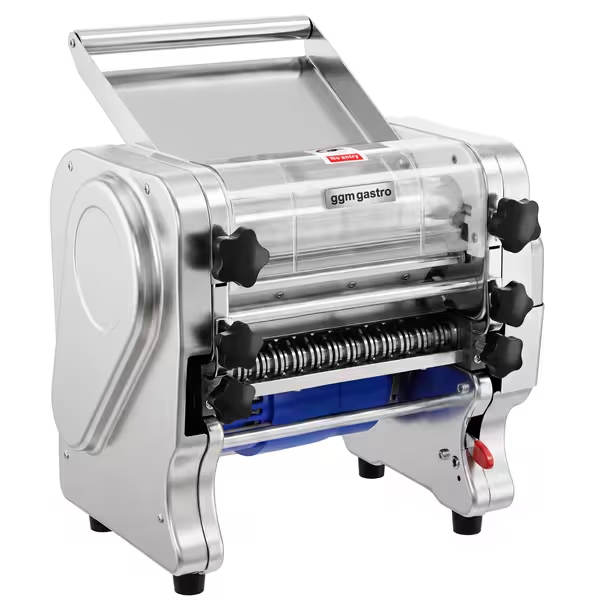
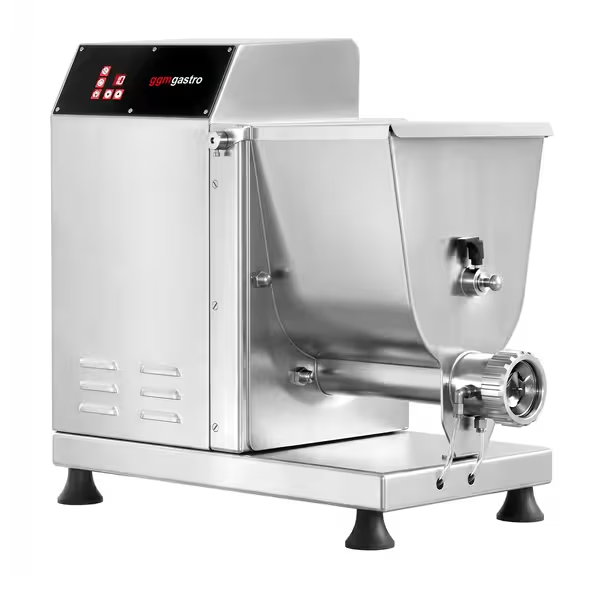
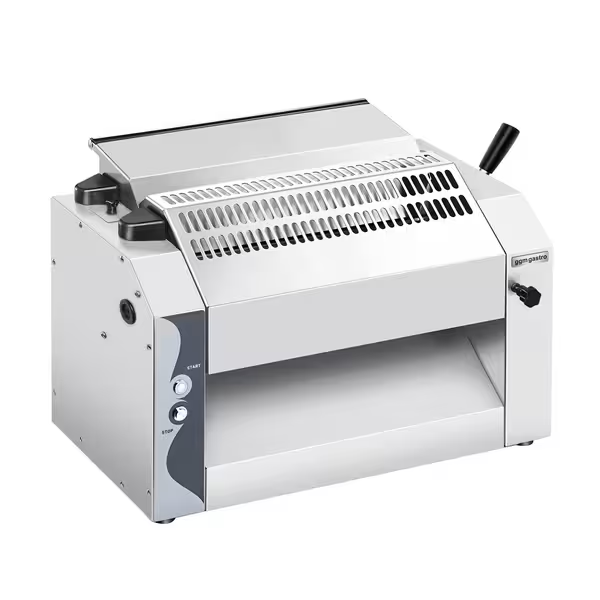
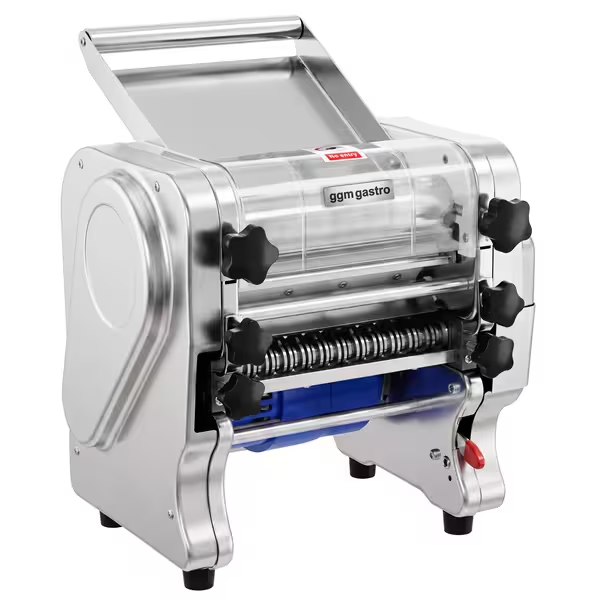
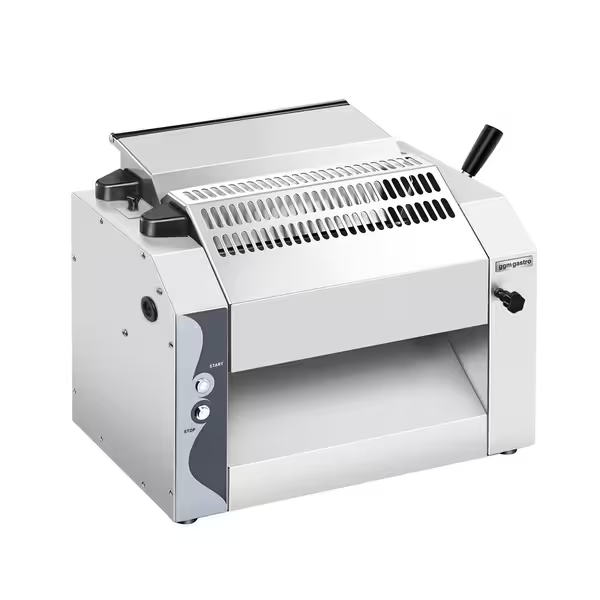
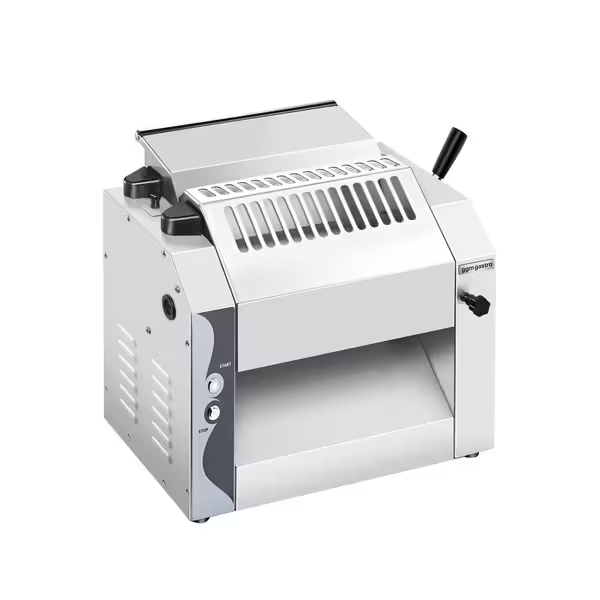
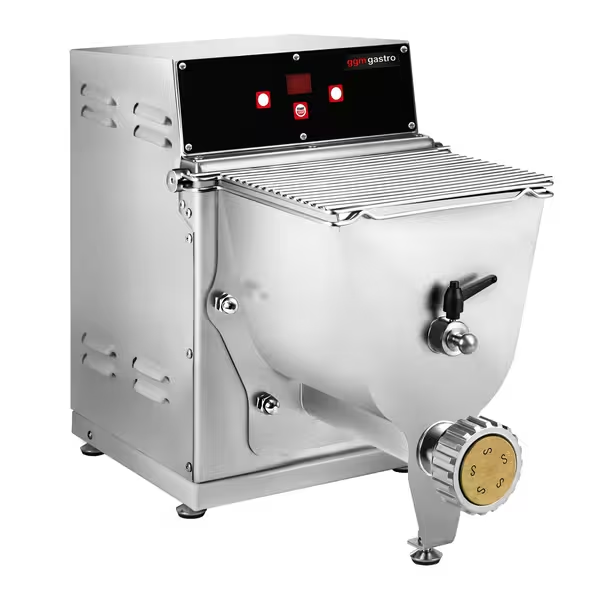
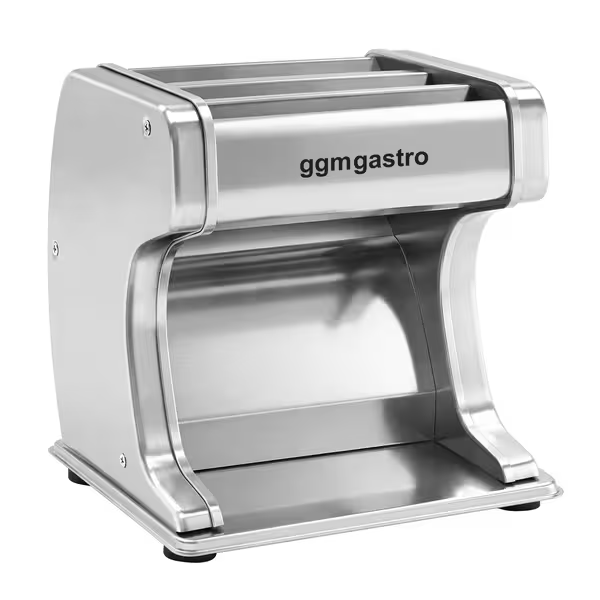
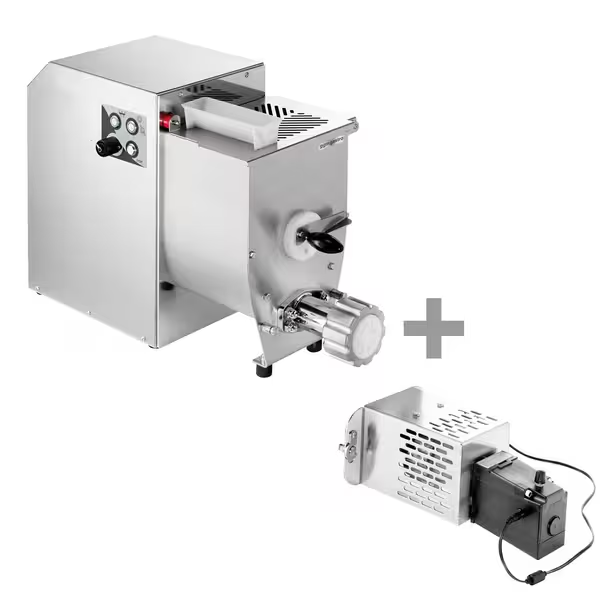
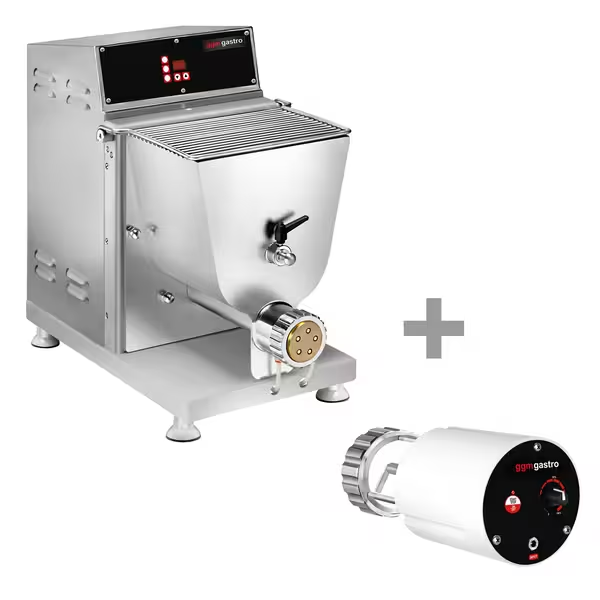
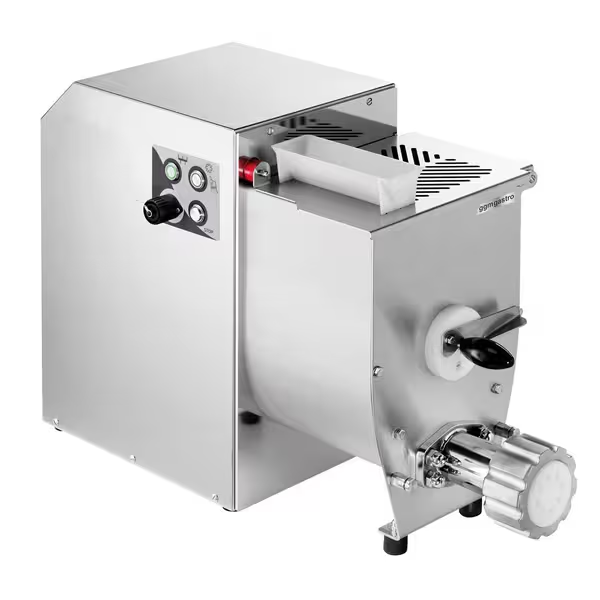
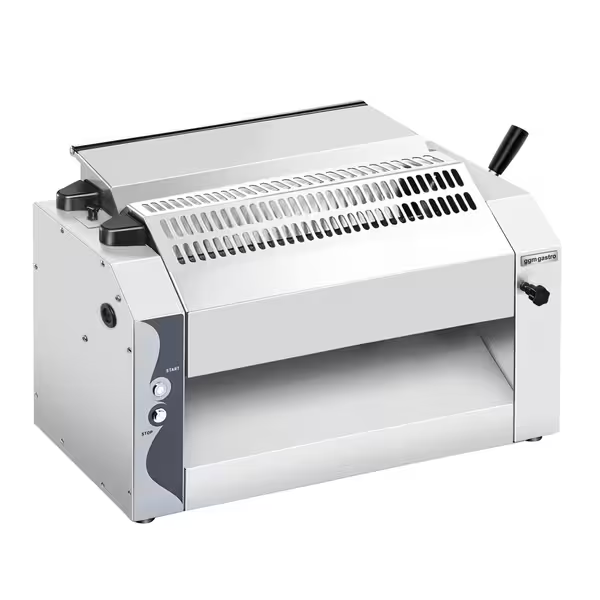
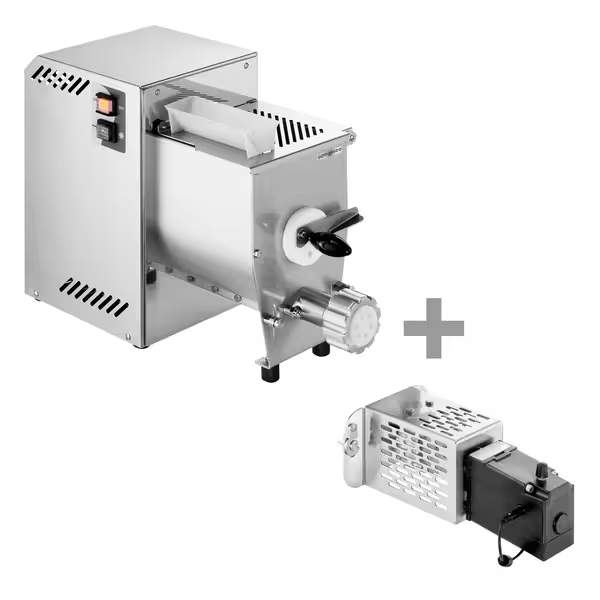
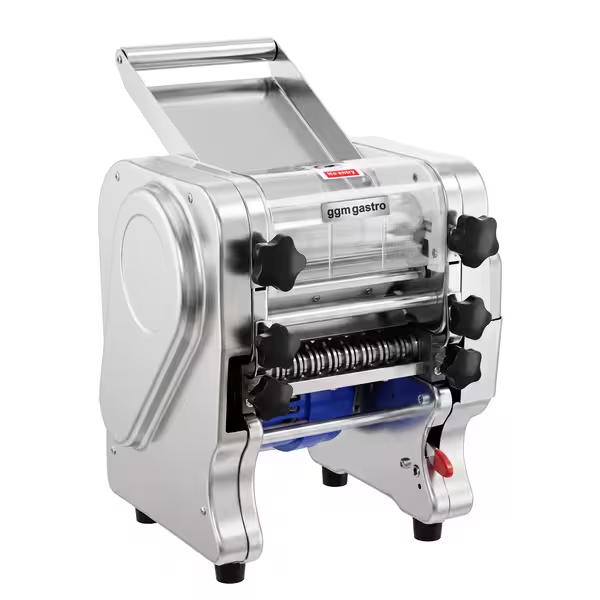
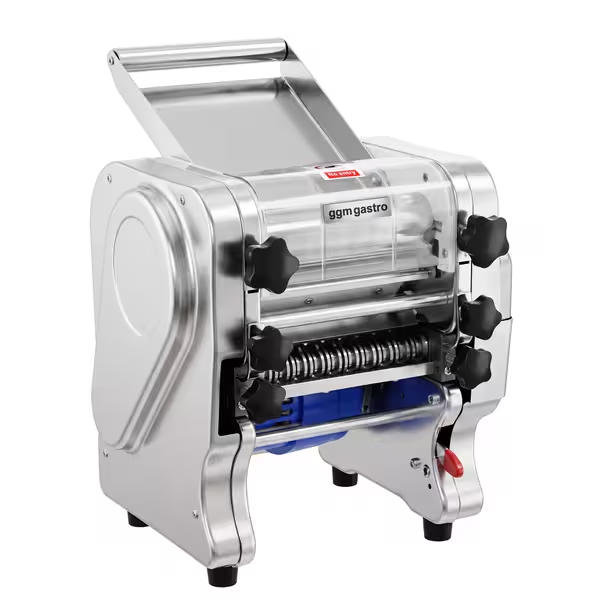
Produce fresh pasta consistently and efficiently
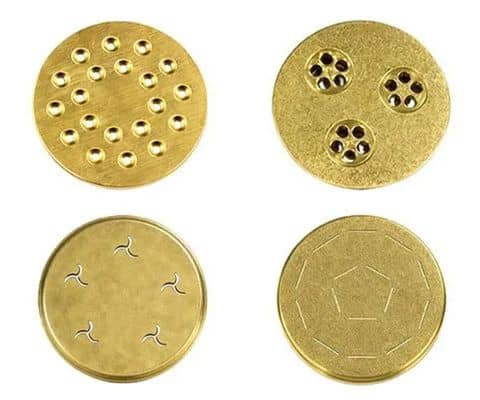
The Pasta Machines & Accessories category covers commercial equipment for working with pasta dough. Pasta rollers produce even sheets, while pasta machines may also knead, cut or extrude dough through interchangeable dies to create different shapes, depending on the model.
These machines are particularly relevant to restaurants, trattorias, hotels, catering businesses and production kitchens that want to make fresh pasta regularly and consistently. Even dough thickness simplifies further preparation and makes cooking times, portion sizes and results easier to plan.
Compact countertop models suit smaller quantities and a limited pasta range. For regular production or a wide choice of shapes, electric machines with larger bowls, automatic cutters and higher hourly outputs become more relevant.
Choose a pasta machine or roller to suit the task
Start by deciding which tasks the machine needs to perform. For lasagne sheets, tagliatelle and other ribbon pasta, a roller with adjustable dough thickness is often sufficient. Spaghetti, penne and other extruded shapes require a pasta extruder with suitable dies.
Key selection criteria include:
-
Required output in kilograms per hour
-
Roller width and adjustable dough thickness
-
Dough or bowl capacity
-
230 V or 400 V power supply
-
Available dies, cutters and attachments
A small machine may be well suited to a restaurant's daily menu. At higher volumes, however, it can require extra batches and cause unnecessary waiting. An oversized model ties up space and capital without being fully used in daily operation.
Plan the workflow around pasta production
Position the machine in the preparation area so that flour, prepared dough, collection trays and accessories are within easy reach. A defined workstation is particularly helpful in compact kitchens, improving ergonomics and preventing pasta production from obstructing other preparation tasks.
Before lunchtime or evening service, larger quantities of pasta sheets or shapes can be produced and portioned in a controlled way. In open kitchens, quiet operation, clean surfaces and an organised presentation matter alongside output.
For preparing the initial dough, the pasta machine can be combined with suitable dough mixers. Sturdy stainless steel kitchen furniture provides a hygienic work surface with enough room for the machine, containers and accessories. Fresh pasta, dough portions and sensitive ingredients can then be held in suitable solid door fridges and freezers.
Quick check for choosing commercial pasta equipment
Consider these five points before buying:
-
Which pasta shapes will you offer regularly?
-
How many kilograms must you produce in the available time?
-
Will rollers and cutters be sufficient, or do you need interchangeable dies?
-
Are the available space, machine dimensions and power supply compatible?
-
How quickly can the rollers, bowl, dough hook and dies be cleaned?
This check brings together your menu, production volume and technical requirements. It helps avoid choosing a machine with many functions that does not suit the way your business actually works.
Cleaning, materials and durability in daily use
For frequent use, smooth, robust surfaces and accessible components are particularly important. Stainless steel housings fit into daily cleaning routines and suit the demands of commercial preparation areas.
Dough residues can dry onto rollers, nozzles, dies and cutting assemblies. Removable parts make thorough cleaning easier and reduce changeover time. Always follow the manufacturer's instructions, as not every component can be cleaned with water, in a dishwasher or with cleaning chemicals.
Store dies and attachments dry, organised and within easy reach. This protects delicate profiles and allows quick changes between pasta shapes.
Cost-effectiveness depends on appropriate utilisation
A suitable pasta machine can reduce repetitive manual work, standardise dough thickness and simplify production planning. Its financial value depends on how regularly it is used and whether output, staffing and sales volumes are aligned.
A reliable workflow requires more than machine speed. Preparation, portioning, temporary storage and cleaning must also match the planned quantity. Suitable pasta cookers can complement the process when cooking larger quantities, while pasta production and cooking remain distinct stages.
Choosing pasta machines and accessories according to production goals, capacity and available workspace provides a sound basis for consistent pasta and predictable preparation. The right solution should suit your menu and the actual demands of the business.