


:quality(70))
:quality(70))


Soup kettles for hospitality, buffets and catering
Soup kettles keep soups, stews and suitable sauces that have already been heated evenly at serving temperature throughout service. A choice of capacities, materials and control types lets you pick the right model for buffets, restaurants, hotels, catering and contract catering. Find out which model suits your business in our buying guide »
Price
Capacity liters
Width
Depth
Height
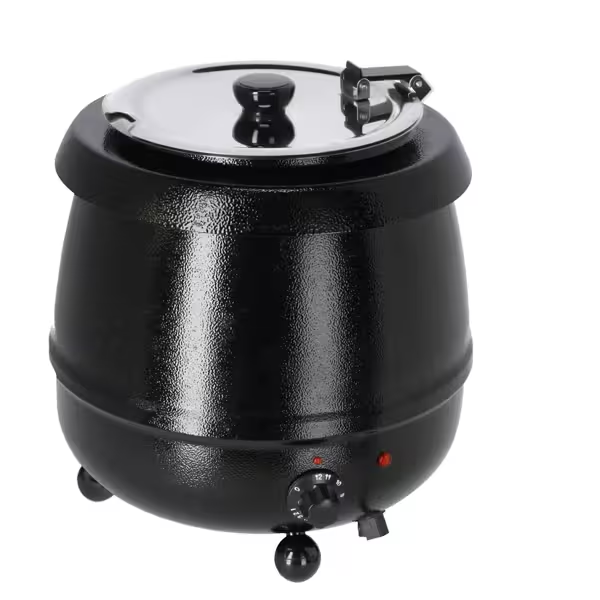
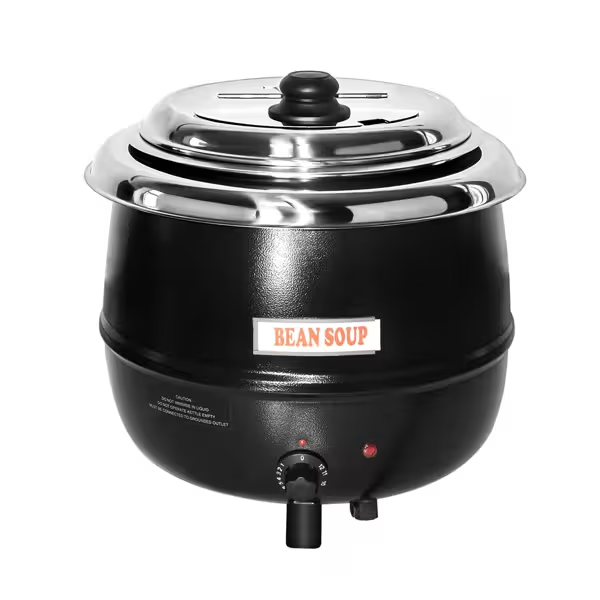
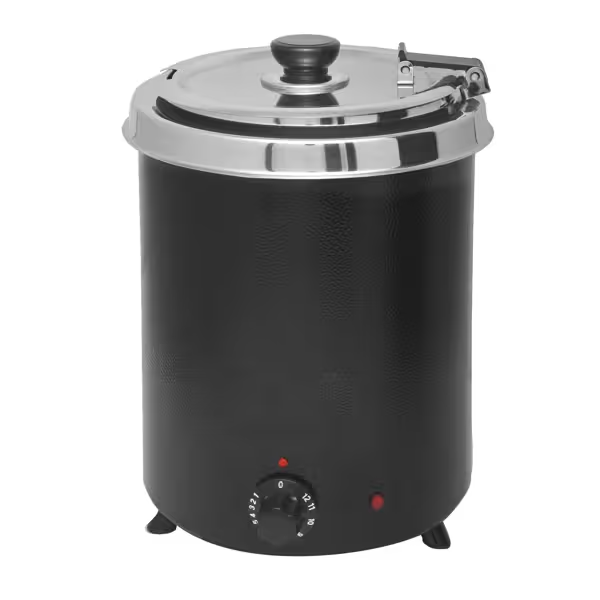
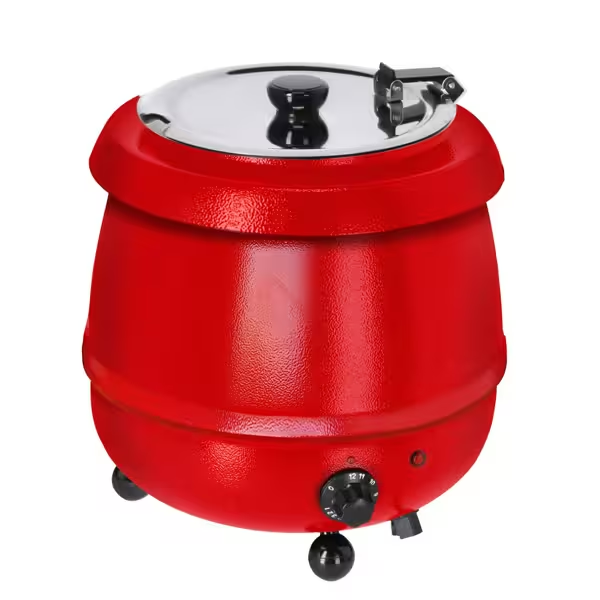
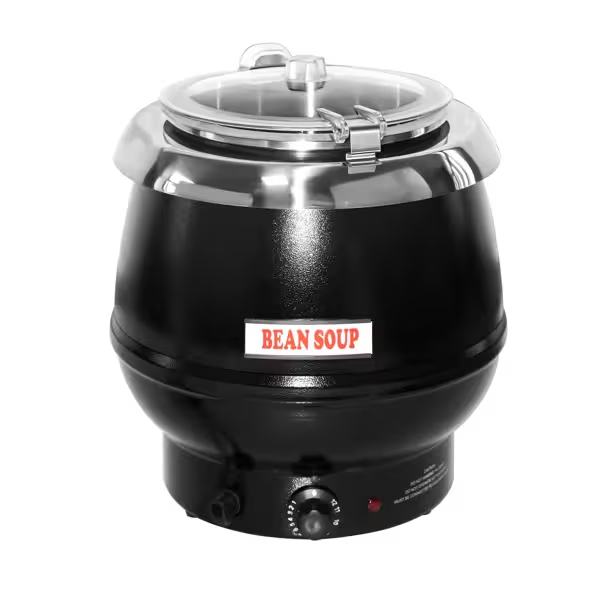
Soup kettles as a reliable solution for food service
A soup kettle is an electrically heated countertop unit that keeps hot liquid food ready to serve over a defined service period. It is mainly used on buffets and in staff canteens, hotels, bistros, restaurants and catering.
In daily operation, the unit bridges the gap between kitchen and guest. Soup doesn't have to be fetched from the kitchen for every portion, but is ready right at the point of service. This shortens walking distances, takes pressure off the team and keeps service running more smoothly, especially during the lunch rush or at events.
Soup kettles are not designed for cooking. Their main purpose is to keep food that has already been heated warm, not to bring cold ingredients to the boil quickly.
Choosing the right capacity and design
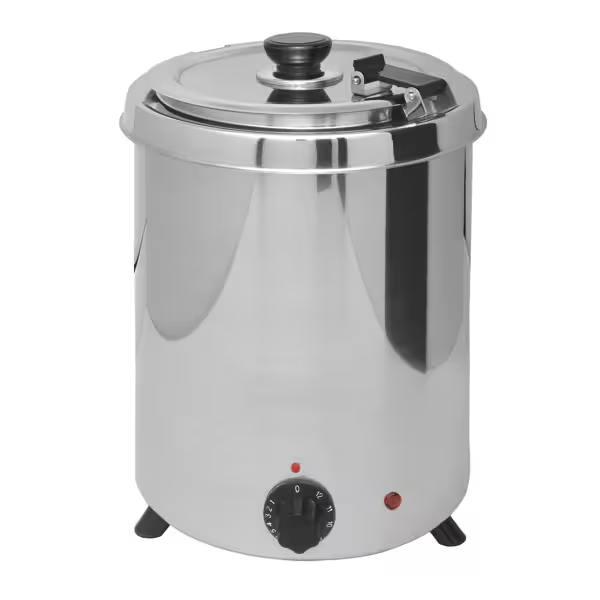
Volume is one of the most important selection criteria. Compact models with around 5 litres are suitable for smaller quantities, changing soups of the day or limited space. Soup kettles with 9 or 10 litres cover many typical applications in restaurants, bistros and on buffets. With higher throughput or longer service times, a 13-litre model can reduce the number of refills.
It's not just about the number of guests. Portion size, demand patterns and how easily the kitchen can top up also play a role. A container that is too small creates extra trips at peak times. An unnecessarily large model takes up more space and ties up more food at the servery.
External dimensions matter as well as volume. On a narrow buffet, a serving trolley or a compact counter, there must be enough room next to the unit for the ladle, bowls and clean service.
Manual or digital temperature control
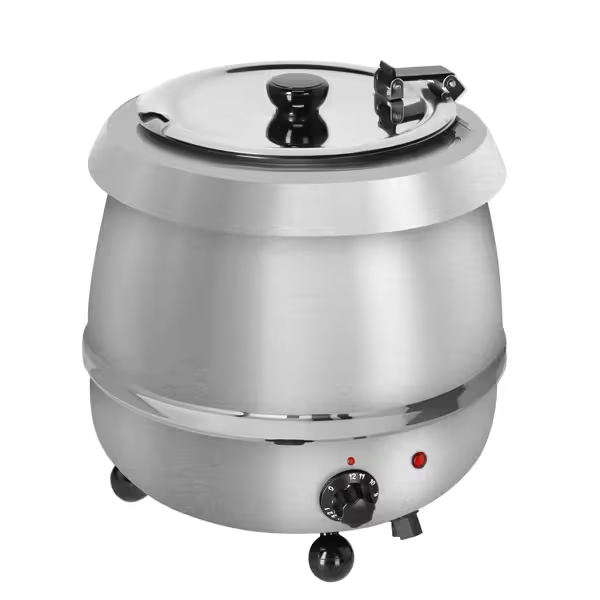
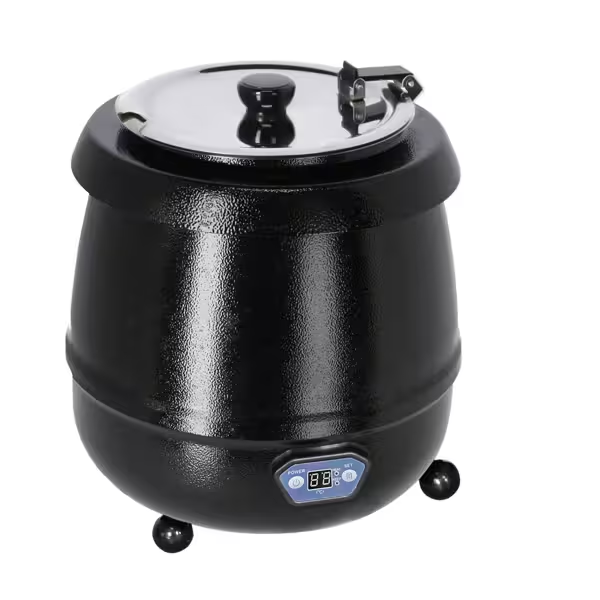
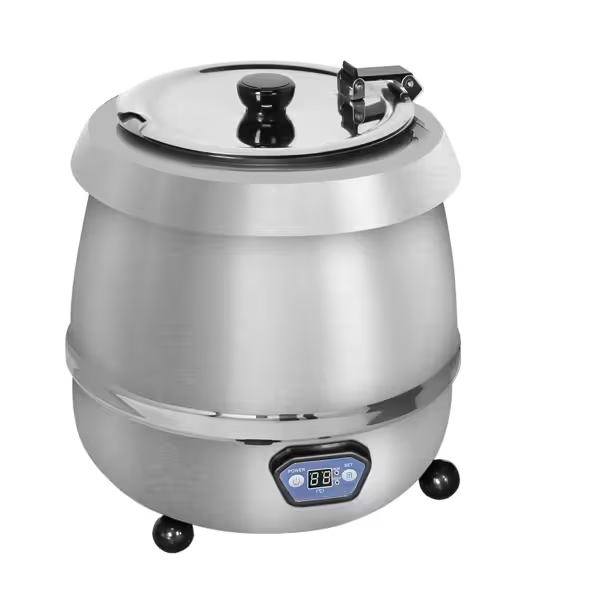
Manually controlled soup kettles are easy to operate with a rotary dial. This is especially practical when a unit needs to be set up quickly and is used by different members of staff. Digital models, on the other hand, make it easier to read and adjust the setting in a controlled way.
Many soup kettles use an indirect water bath. Rather than heating the inner pot directly, the water in the outer container is heated. This design supports even heat distribution and reduces localised heat on the food.
A suitable 230 V power supply is required at the planned location. The cable should be routed without creating a trip hazard, and the unit should stand stable and level.
Material, cleaning and daily use
Stainless steel inner pots are particularly well suited to everyday catering use, as they are robust, taste-neutral and easy to clean. A removable insert makes emptying and daily cleaning easier. Models with a stainless steel-look, black or red outer casing can also be matched to the design of the buffet area.
Hinged lids with a ladle notch support organised service. They don't need to be put down completely, and the ladle stays within reach. At the same time, keeping the lid closed as much as possible helps limit heat loss.
Before cleaning, the unit is switched off and allowed to cool sufficiently. The water container, inner pot, lid and external surfaces are cleaned according to the manufacturer's instructions. Regular care prevents deposits and ensures that the controls, lid mechanism and container remain reliable even with frequent use.
Quick check for choosing a soup kettle
-
Match the volume to portion numbers and refill rhythm
-
Check external dimensions and available space at the point of service
-
Choose manual or digital control to suit your service workflow
-
Consider a removable inner pot and the lid design
-
Clarify power supply and safe cable routing in advance
Integrating soup kettles into your workflow
The position of the unit affects speed and ergonomics. For self-service, it must be easy for guests to reach without blocking walkways. For assisted service, proximity to bowls, spoons and refill containers is what counts.
On sturdy stainless steel kitchen furniture, you can set up a hygienically organised soup station. For larger buffet concepts, bain maries or chafing dishes can be added when other dishes need to be kept warm in separate containers. Daily cleaning should also be linked to the warewashing area via short routes.
The right soup kettle supports calm service: the food stays within reach, refills are easier to plan and the team has to move less between kitchen and buffet during the rush.
Plan for the right size, not the biggest
The operational benefit comes from the right sizing and clean integration. A well-chosen soup kettle can shorten walking distances, structure service and make temperature control easier over the planned period of use.
For small businesses, a compact, easy-to-use solution is often the priority. For busier buffets, capacity, cleaning effort and durability come to the fore. What matters is a model that suits your actual day-to-day trade, available space and team.