


:quality(70))
:quality(70))


Insulated food boxes, pizza bags & delivery bags
Insulated food boxes, pizza bags and delivery bags support professional food transport in hospitality, catering, delivery services and contract catering. They help you transport food, pizza, drinks and prepared components to the point of service or handover in an organised, protected and temperature-stable way. Find out which model suits your business in our buying guide »



Price
Product type
Compartment Measure
Capacity liters
Number of trays
Number of rails
Width
Depth
Height
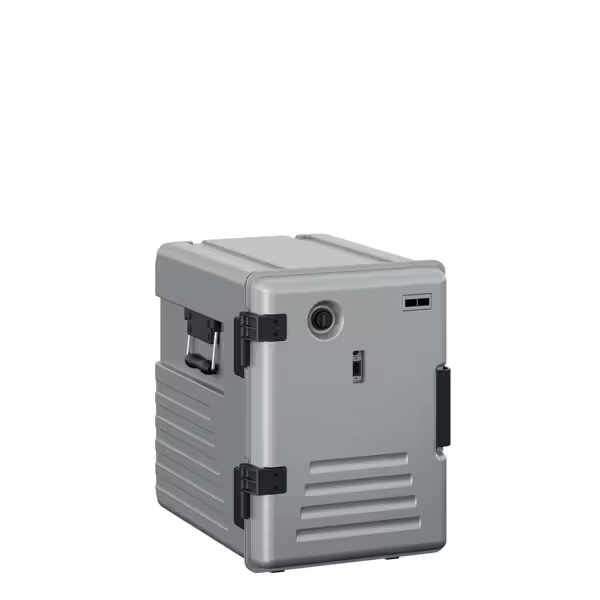
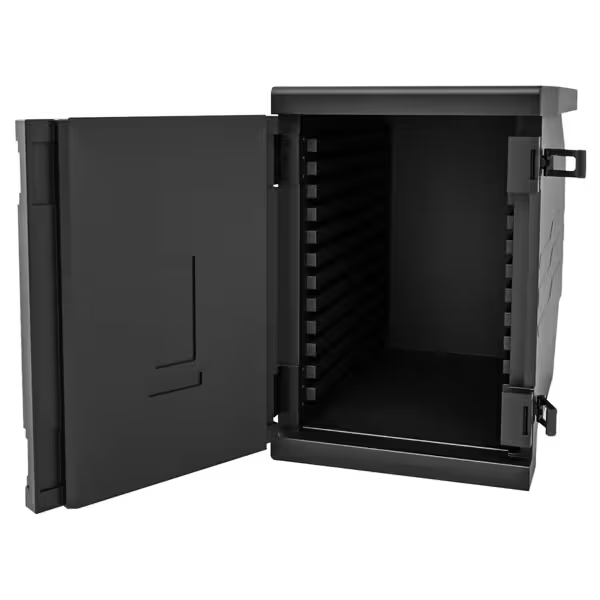
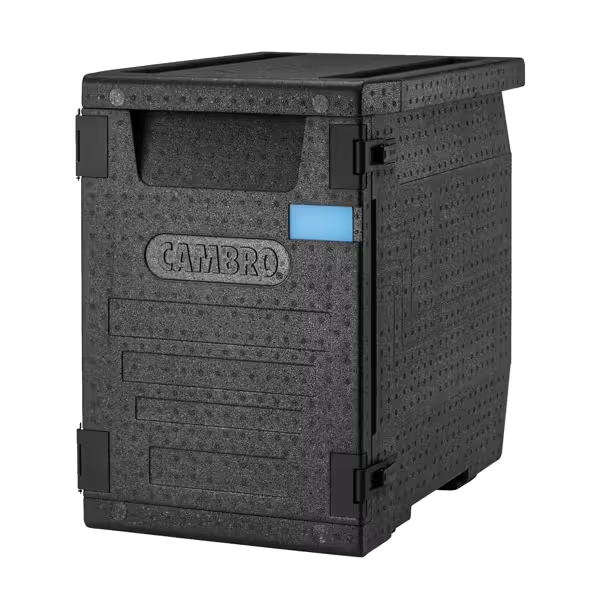
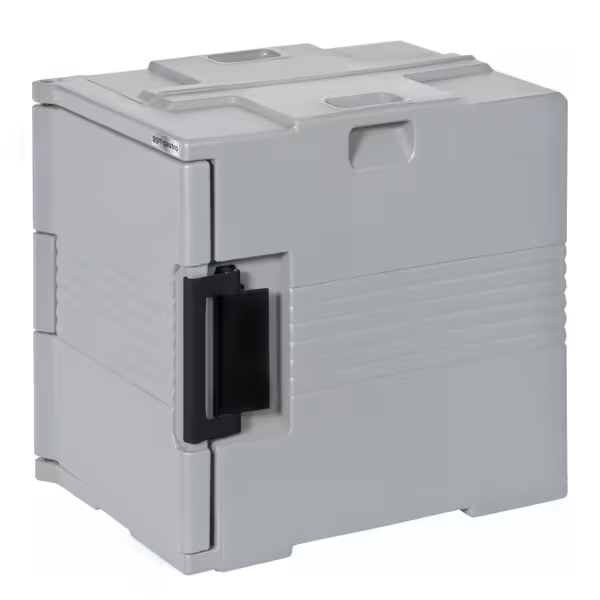
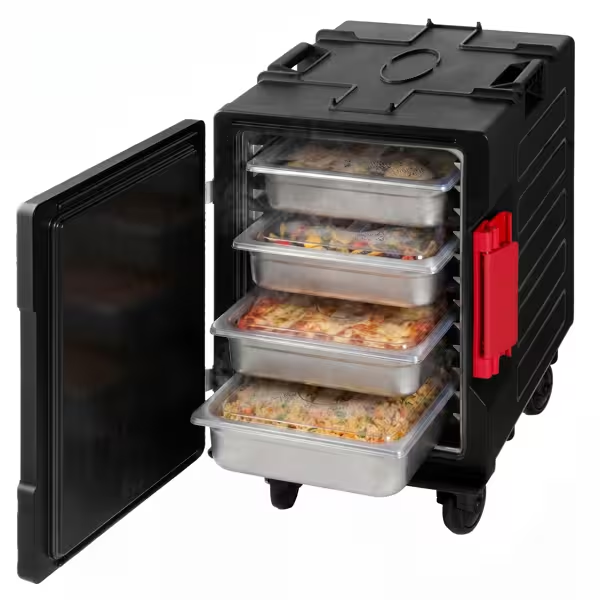
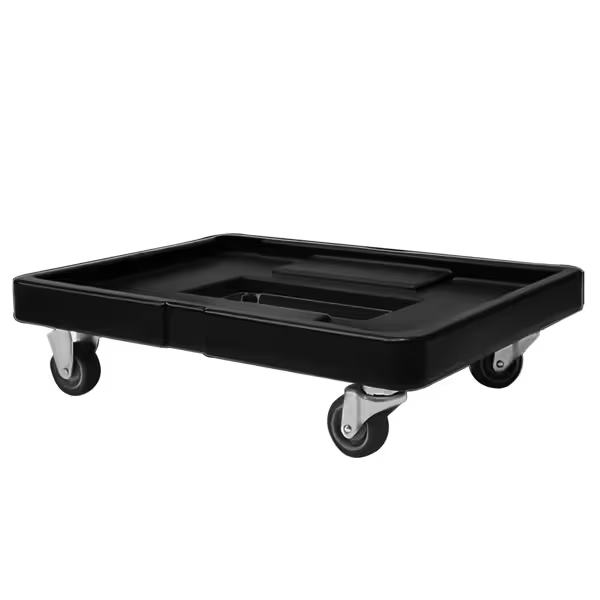
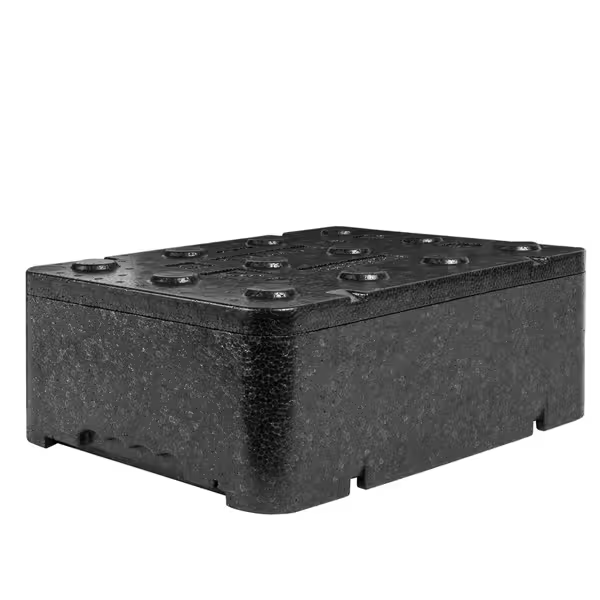

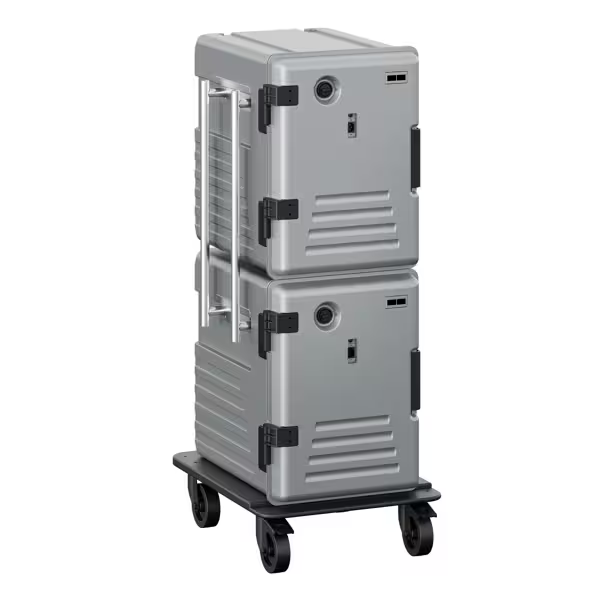
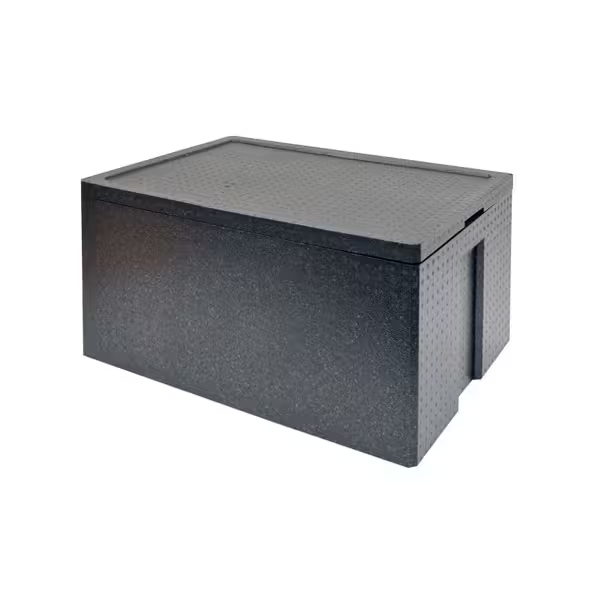

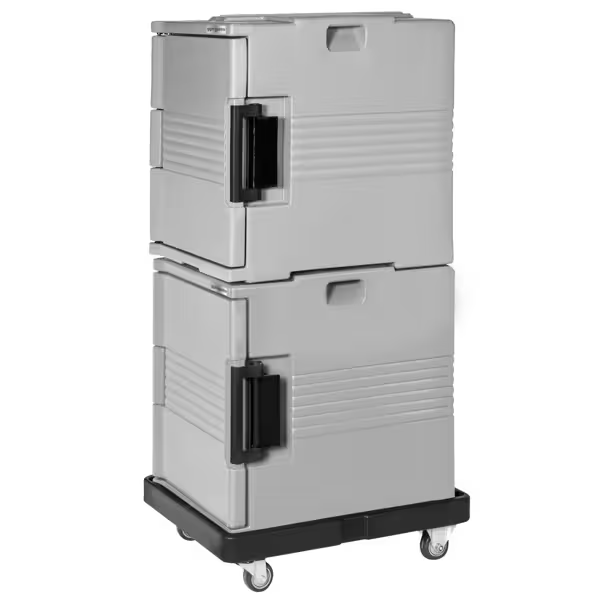
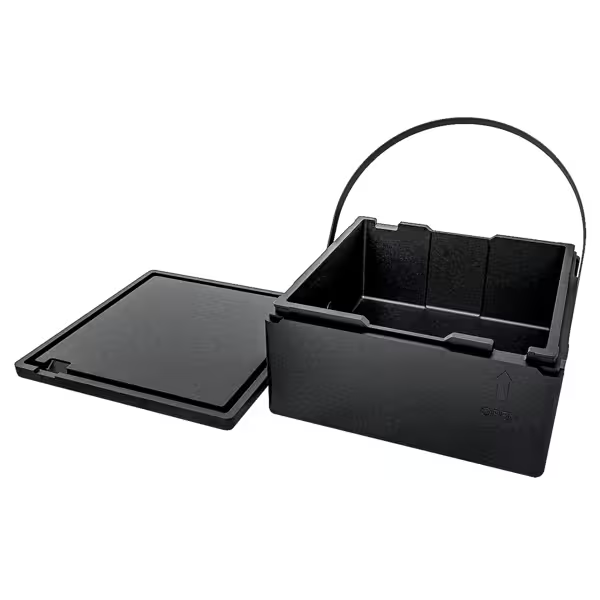

Insulated food boxes, pizza bags & delivery bags in commercial use
Insulated food boxes, pizza bags and delivery bags are insulated transport solutions for hot or cold food, pizza, drinks and prepared food in everyday professional catering. They are used whenever food is not served where it is produced, but has to travel between the kitchen, delivery vehicle, buffet, ward, event space or customer.
This category is particularly relevant for pizzerias, delivery services, restaurants offering takeaway, caterers, canteens, hotels, care homes and event caterers. A pizza bag for several pizza boxes does a different job from a GN-compatible insulated box for prepared food or a beverage dispenser with a tap for buffets and outdoor service. It's not just about getting something from A to B, but about keeping temperature, organisation and handover stable throughout the process.
Which transport solution suits your workflow?
In delivery, the combination of insulation, handling and speed is what counts. Pizza bags are often used for 5 or 8 pizza boxes and need to be quick to load, carry and clean. For deliveries by bike, scooter or car, carry handles, shoulder straps, sturdy zips and water-repellent outer materials are important details.
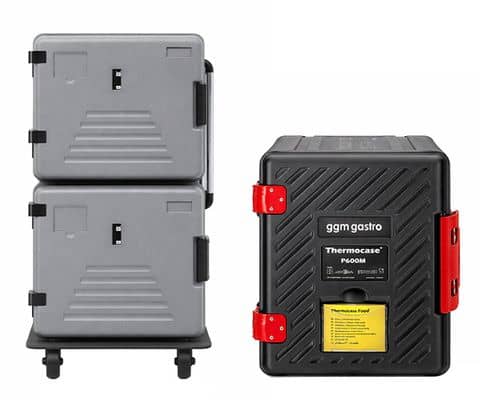
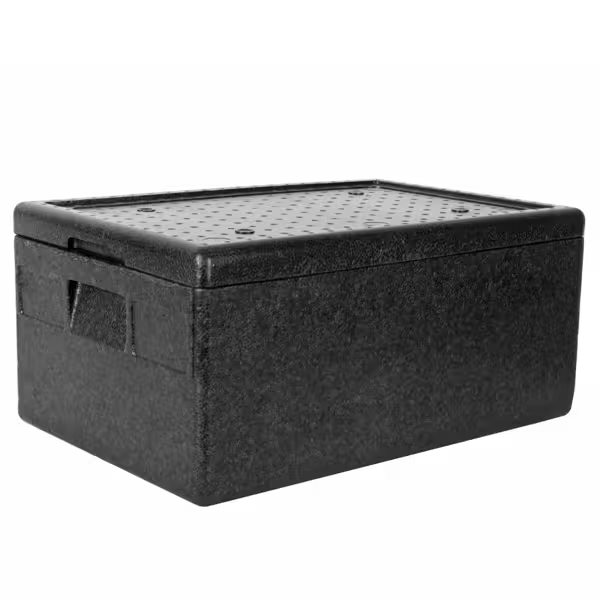
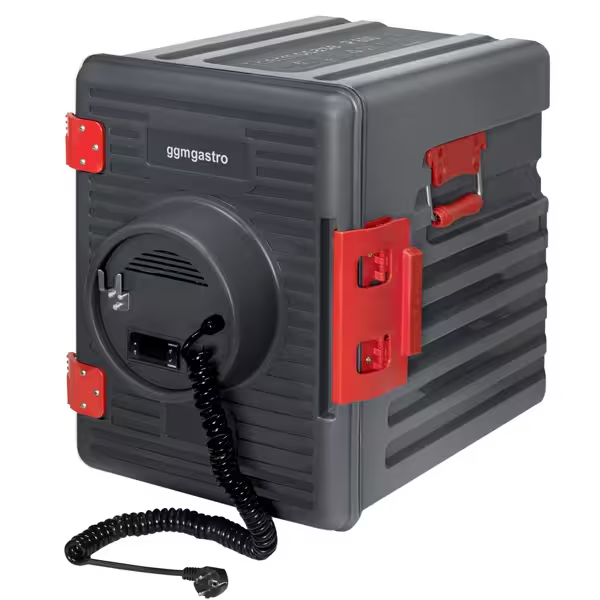
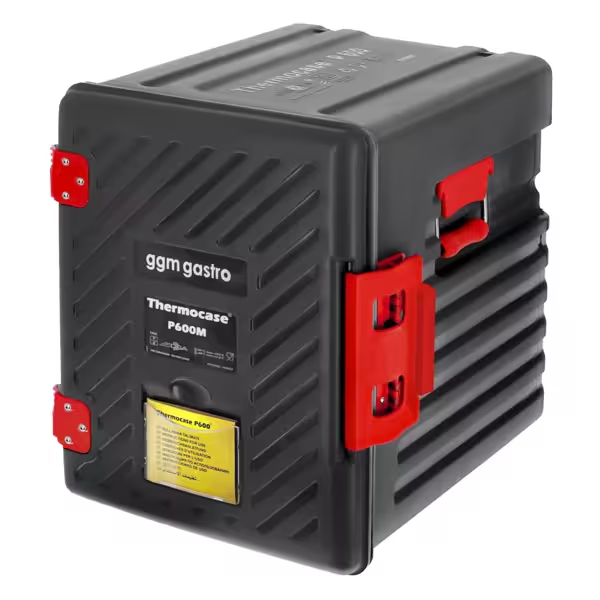
Insulated food boxes for catering, canteens or food distribution are more about volume, stackability and internal dimensions. GN 1/1 boxes are designed for Gastronorm containers, while models in the EN 600 x 400 mm format are useful for certain container and bakery systems. Front loaders with runners make it easier to access several containers, while top loaders are often compact and robust for flexible transport. For longer holding times or sensitive food, a heated insulated box can provide additional support, provided the power supply and location are suitable.
Quick check for choosing the right model
A few clear criteria help you make a sound decision:
-
Contents: pizza, GN containers, drinks, salads, baked goods or complete meals
-
Capacity: number of pizza boxes, volume in litres, GN 1/1 or EN 600 x 400 mm
-
Use: short delivery route, catering run, buffet replenishment or internal food distribution
-
Handling: carry handle, shoulder strap, front loader, top loader, stackability
-
Care: smooth surfaces, robust seams, wipe-clean materials, hygienic cleaning
This check helps you avoid buying mistakes that quickly cause problems day to day: a bag that is too small during the pizza rush, an internal height that doesn't fit GN containers, or a box that is well insulated but hard to clean or awkward to carry.
Temperature, hygiene and durability in daily use
In day-to-day operation, transport solutions take a lot of punishment. They sit in delivery vehicles and are frequently opened, carried, stacked and cleaned. Materials such as EPP, EPS, robust plastics or insulated polyester or nylon fabrics therefore have different strengths. EPP insulated boxes are lightweight, impact-resistant and easy to stack. Fabric pizza bags score with flexible handling and low weight. Plastic containers or beverage dispensers make sense where liquids, cleaning and stability are the priority.
Hygiene remains a key criterion too. Wipe-clean interiors, clean edges, hard-wearing outer materials and suitable closures make daily care easier. Especially with changing dishes, greasy packaging or damp outdoor conditions, a robust, easily accessible design is more important than looks alone.
Integrating transport solutions into your operation
A good transport solution doesn't start at the door. In a pizzeria, the bag needs to be where boxes are checked and handed over after baking. In catering, the insulated box needs a fixed place between preparation, food warming equipment and loading. In canteens or care homes, the route between kitchen, trolley, ward and servery is what matters.
How these products combine with other areas also determines speed. Pizza accessories such as boxes and cutting tools, suitable transport trolleys for larger quantities or sturdy stainless steel kitchen furniture as a packing and checking surface turn individual products into a clean process. The focus remains clear: insulated food boxes, pizza bags and delivery bags handle the transport and temperature stage, not production itself.
Economic benefits through well-organised food logistics
The right transport equipment can calm workflows because there is less improvisation. Food is not left standing uncovered, deliveries can be bundled faster, runs become more predictable and staff rely on clearly defined containers. This supports more consistent handovers, reduces unnecessary searching and walking, and helps keep the final step of the process under control, especially at peak times.
For operators, the right sizing is what counts. A low-cost bag may be enough for short distances. With many runs per day, heavy containers or longer holding times, a more robust solution with better insulation, sturdier construction and simple cleaning pays off. A simple transport box thus becomes a valuable building block for reliable workflows in takeaway, catering or institutional food service.