


Dehydrators for Professional Food Processing
Dehydrators remove moisture from fruits, vegetables, herbs, meat, and other suitable foods in a controlled manner. In the restaurant, hotel, catering, and food production industries, they facilitate predictable batch production, targeted inventory management, and the preparation of in-house snacks, ingredients, or garnishes. Food Dehydrators Guide »
Product type
Operation
Price
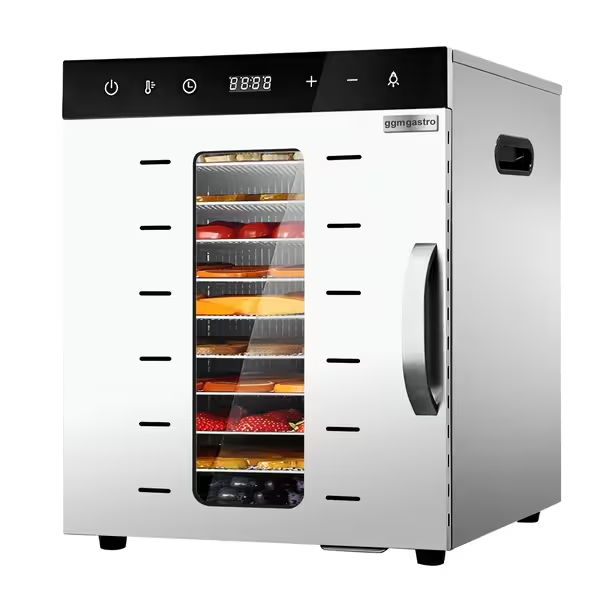
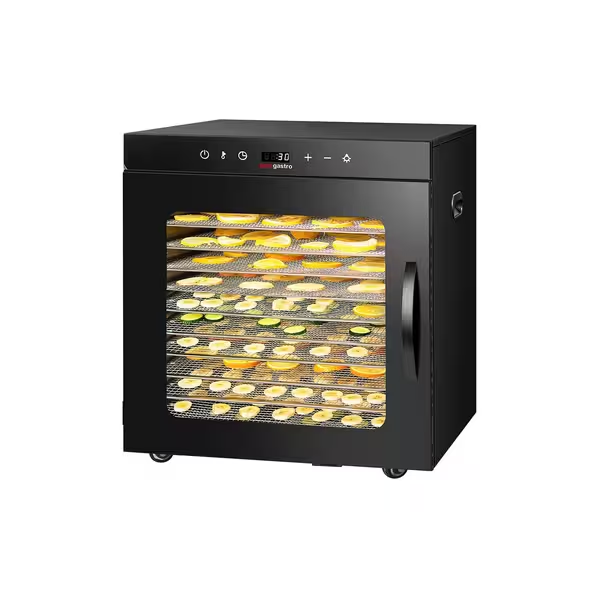
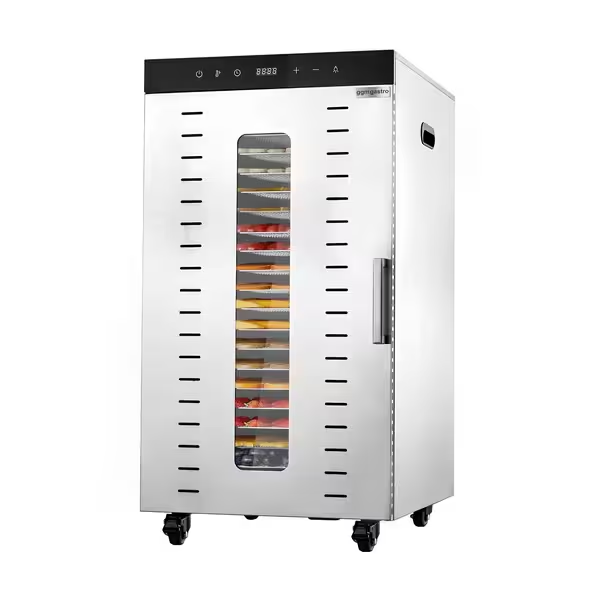
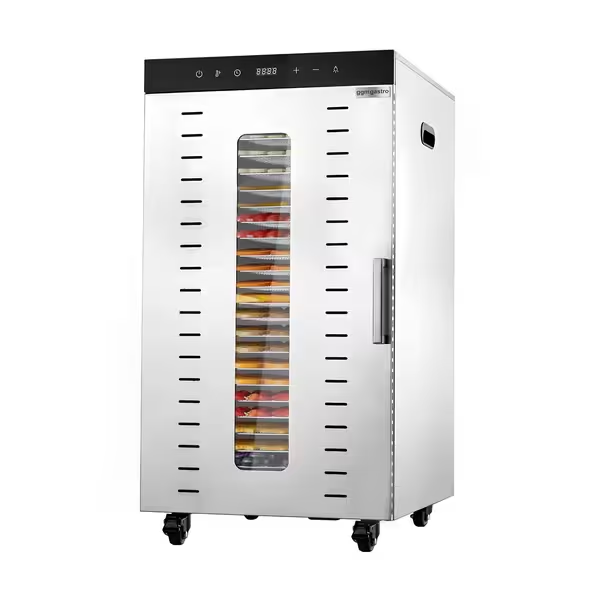
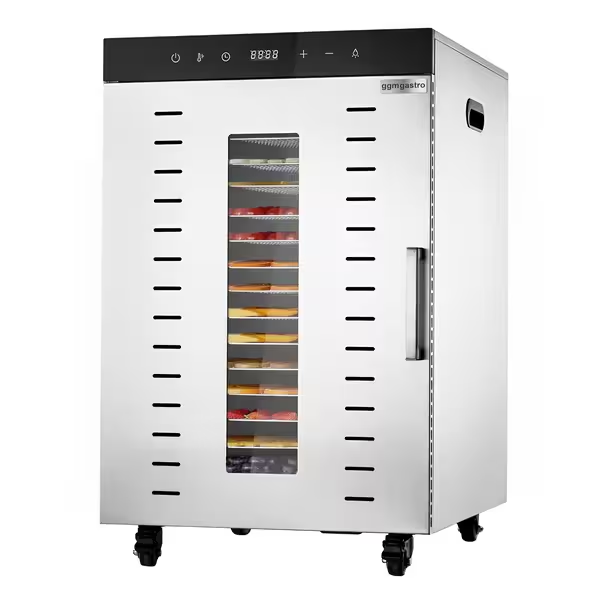
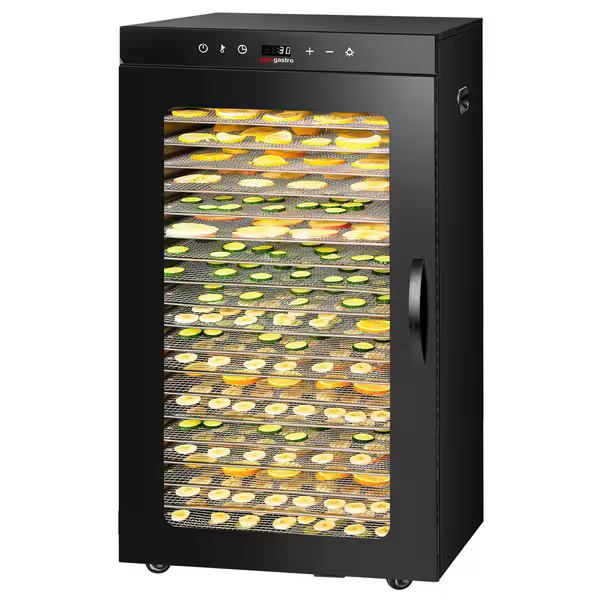
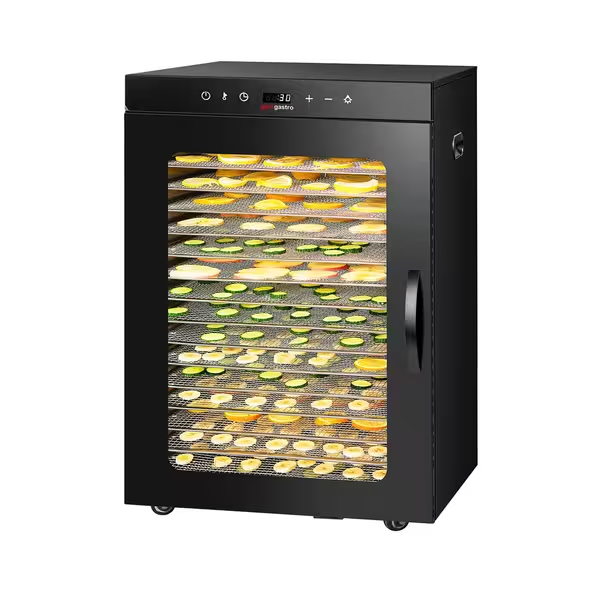
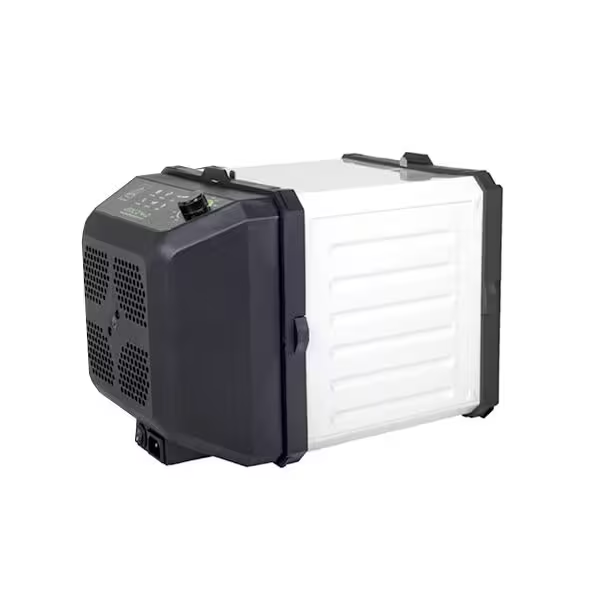
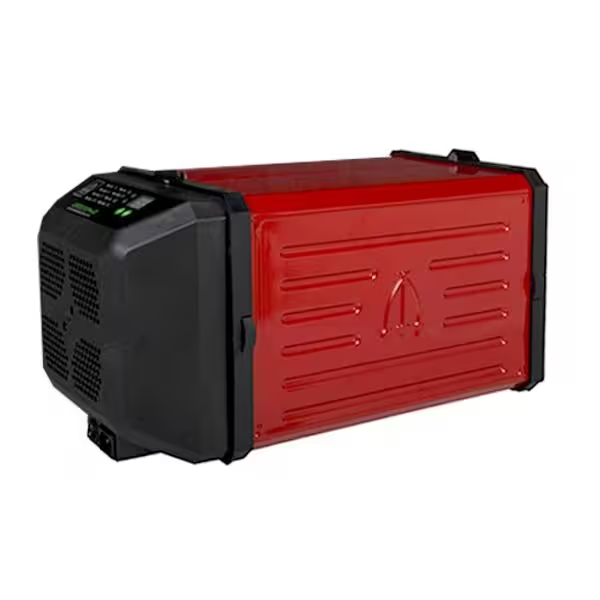
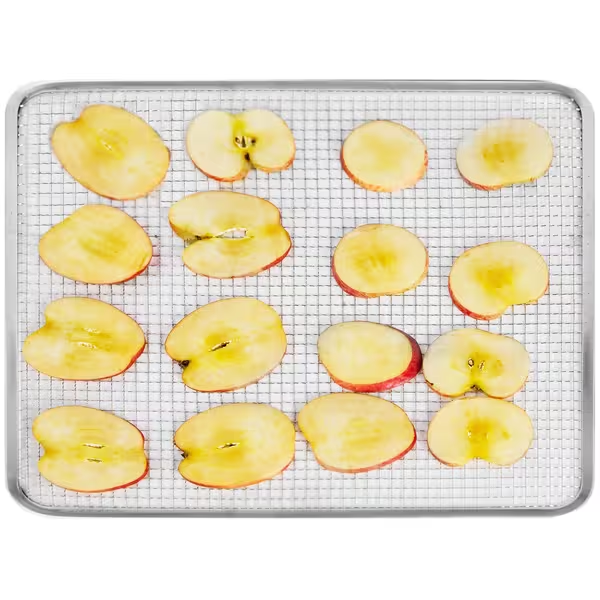
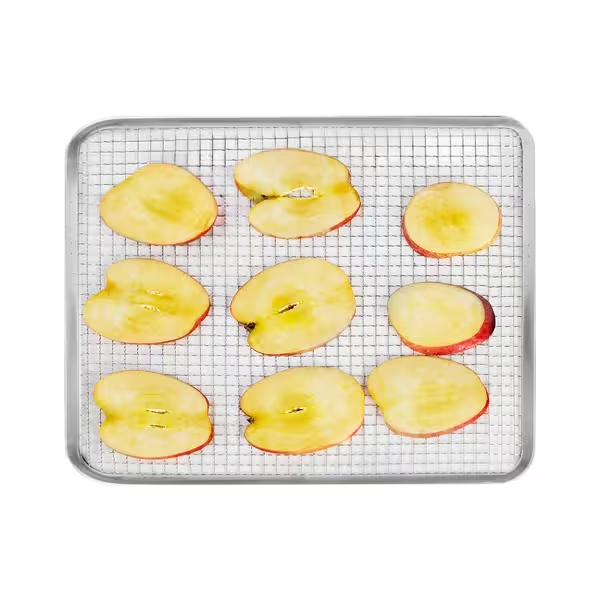
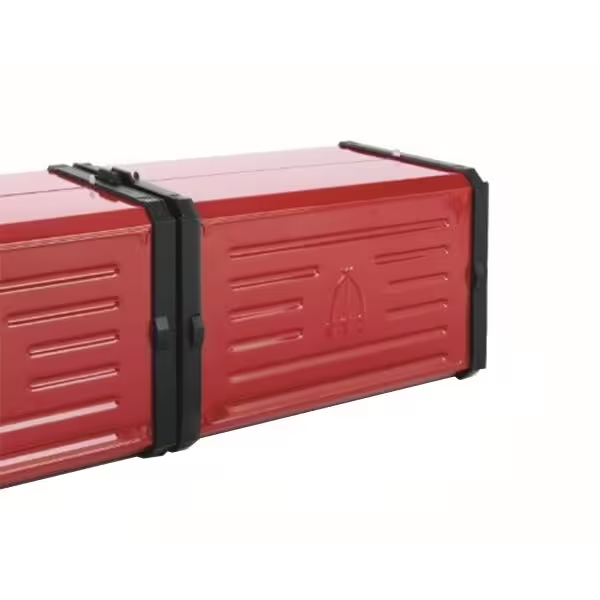
Dehydrators for controlled drying processes in industrial settings
Professional food dehydrators dry prepared foods using a controlled flow of warm air across multiple levels. They are used wherever businesses want to produce dried fruits, vegetable chips, herbs, spices, dried meat, fruit leather, or decorative ingredients in consistent batches.
The practical benefit lies not only in preservation. Dehydration can help businesses plan for seasonal raw materials more effectively, standardize their own recipes, and expand their product line to include marketable snacks or prepared ingredients. It remains crucial that production volume, drying time, and subsequent sales align with the business model.
Select the capacity and output that match the production volume
The choice depends primarily on the size and frequency of the planned batches. The product line includes dehydrators with 10, 16, 20, or 24 trays. Compact units with 10 trays and approximately 800 watts are suitable for smaller production volumes or as an entry-level option for regular drying. Models with 16 trays and around 1.5 kW offer more space for growing needs. Models with 20 or 24 trays and up to 2 kW are designed for larger and recurring batches.
In addition to the number of trays, the following criteria are relevant:
- available drying area and spacing between trays
- power output and temperature range
- footprint and unit height
- planned food items and slice thicknesses
- frequency of use throughout the week
A high-capacity unit offers an advantage only if the preparation, loading, and removal of finished products are also well-organized.
Incorporate food dehydrators effectively into your meal prep
The drying process begins before you turn on the appliance. Food must be washed, cut into neat pieces, portioned, and distributed evenly on the racks. Having a suitable work surface next to the appliance shortens the distance you have to walk and prevents other preparation steps from being disrupted.
In a café or a bar, a compact model can, for example, produce fruit chips or dried garnishes outside of peak hours. In a larger production kitchen, a unit with 20 or 24 trays can be integrated into fixed preparation windows so that multiple batches can be planned in a traceable manner.
Proper temporary storage is essential for delicate raw ingredients. Refrigerated tables located near the production area facilitate preparation when cut ingredients need to be kept chilled until they are loaded into the machine. After drying, the products need sufficient time to cool before they are packaged or stored.
Keep an eye on temperature control and air circulation
The models offered operate within a temperature range of approximately 30 to 90 °C. This allows for a variety of starting products and drying stages. Herbs usually require different settings than thicker fruit slices or strips of meat.
Air distribution that is as even as possible helps ensure consistent results across multiple levels. Timers and digital controls facilitate repeatable processes, but they are no substitute for monitoring slice thickness, load capacity, and residual moisture. Shelves that are overloaded can obstruct airflow and prolong drying time.
The available power connection should also be checked early on. Many food dehydrators operate on 230 volts but, depending on their power rating, require a suitable and easily accessible power outlet. Dimensions, door opening, and ventilation clearances must be compatible with the intended installation space.
Stainless Steel, Cleaning, and Hygienic Batch Changes
Dehydrators with stainless steel housings integrate seamlessly into professional food preparation areas. Smooth surfaces, removable racks, and easily accessible interiors make regular cleaning a breeze. Catch trays for crumbs or spilled liquids should be checked after each use.
Clean separation is particularly important when processing different product groups. Residues from meat, fish, herbs, or strongly aromatic ingredients must not be allowed to carry over unnoticed into the next batch. Cleaning the shelves can be integrated into the existing dishwashing system, provided that dimensions, materials, and manufacturer specifications allow for it.
Sturdy stainless steel furniture provides a stable storage and preparation surface. The unit must be set up securely, level, and with sufficient clearance for airflow.
Quick Check to Help You Make the Right Choice
- How many kilograms of raw material are processed per batch?
- Are 10 shelves sufficient, or are 16 to 24 levels regularly utilized?
- Does the unit, including the door opening, fit within the designated work area?
- Do the capacity and temperature range cover the planned products?
- Have cleaning, cooling, and storage been factored into the operational plan?
Using Dehydrators as a Cost-Effective Production Component
A properly sized dehydrator can stabilize production processes if it is used to full capacity on a regular basis and integrated effectively into the preparation process. It facilitates the production of standardized batches and can help make more versatile use of suitable raw materials. For subsequent storage or portioning, vacuum sealers may also be relevant, without replacing the actual drying process.
Which model makes the most economic sense depends on production volume, floor space, frequency of use, and product range. GGM Gastro offers a variety of capacity and performance levels, as well as consulting, fast availability, and Europe-wide delivery for commercial operations.