


Packaging, Insulated Boxes & Burger Boxes
Packaging, insulated boxes, and burger boxes support restaurants in takeout, delivery, catering, and quick food service. They help ensure food is packaged cleanly, transported safely, and that workflows at the counter are well-organized. Guide to Packaging, Insulated Containers, and Burger Boxes »


Packaging, Insulated Containers, and Burger Boxes as Part of the Food Service Process
Packaging, insulated boxes, and burger boxes are an integral part of professional food service and transportation in the restaurant industry, fast food, food trucks, delivery services, catering, and institutional food service. They are used to package food in appropriate portions, protect it from external influences, and—depending on the type of product—keep it warm, stable, or separate during transport.
Especially in the foodservice industry, the quality process doesn’t end in the kitchen. Burgers, set meals, pizza, snacks, or prepared meals must still look appetizing after packaging, be securely sealed, and be handed over to the customer without unnecessary delays. A suitable packaging and transport solution therefore not only supports product presentation but also speeds up service at the counter.
Which packaging is best suited for which application?
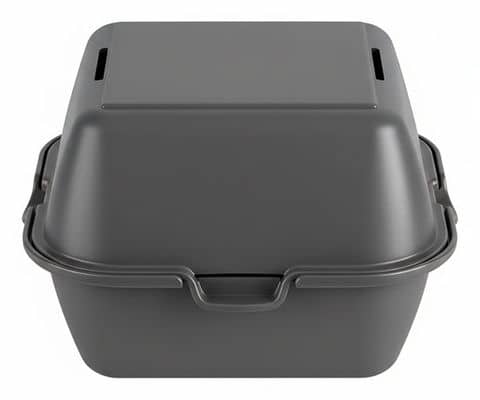
The choice depends heavily on the business model. A burger restaurant needs different solutions than a pizzeria with a delivery service or a catering business that prepares large quantities of food in advance. Burger boxes are suitable for burgers, sandwiches, and snack items where shape retention, grease resistance, and quick handling are important. Meal boxes help serve food in appropriate portions and clearly separate components.
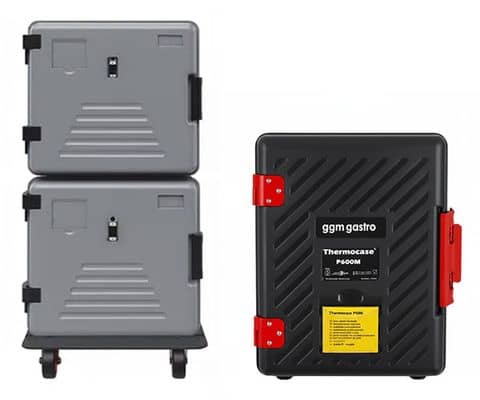
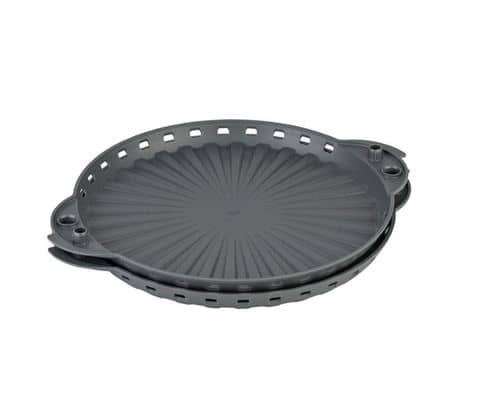
For transporting hot food, thermal boxes, insulated boxes, and pizza bags & carrying bags play a more significant role. Key factors here include internal dimensions, volume, stackability, weight, and the planned transport route. Establishments using GN containers also need to ensure they have compatible sizes, such as GN 1/1 or GN 1/2, so that prepared food can be transported without having to be transferred to other containers. For pizza and flatbread, on the other hand, it’s important to determine whether cardboard boxes, bags, or reusable pizza boxes are suitable for the volume being served and the delivery route.
Planning at the Pass: Short Distances, Clear Stops, Less Time Spent Looking for Things
During peak hours, the packing station often determines the pace and smooth flow of operations. If burger boxes, meal boxes, plastic wrap, bags, or insulated boxes aren’t within easy reach, it leads to unnecessary trips and questions—precisely when orders need to be filled quickly. Clear placement directly at the pickup, pass-through, or delivery station makes it easier to check for completeness and reduces chaos.
For small snack kitchens, space requirements are crucial: packaging must be stackable, easily accessible, and storable in a clean manner. In larger production kitchens or catering operations, the separation of packaging, keeping food warm, order picking, and transport becomes more important. In addition, film dispensers & film or sealing devices can be useful when preparing, covering, or securely sealing food for transport.
Materials, Hygiene, and Durability in Commercial Use
Packaging and insulated containers are frequently moved, stacked, opened, cleaned, or disposed of in everyday use. Therefore, the materials and workmanship directly contribute to operational safety. Burger boxes made of cardboard or other suitable materials must be sturdy enough to withstand grease, heat, and moisture for their intended use. Insulated boxes and carrying bags require durable surfaces, good insulation, and a design that can withstand repeated use in delivery or catering operations.
Cleaning and storage are also factors in the selection process. Reusable thermal boxes, reusable pizza boxes, or transport containers need smooth, easily accessible surfaces and sufficient space for drying. Disposable packaging, on the other hand, requires clean storage, protection from moisture, and a clear restocking system. This keeps the packaging station hygienic, organized, and ready for use.
Quick Check to Help You Make the Right Choice
-
Food type: burgers, pizza, set meals, snacks, or prepared meals
-
Temperature requirements: keep warm, transport with protection, or simply pack securely
-
Dimensions: interior dimensions, GN compatibility, stackability, and serving size
-
Business type: Fast-food restaurant, delivery service, food truck, catering, or cafeteria
-
Workflow: Storage location, ease of access at the serving line, cleaning, and restocking speed
Economic benefits result from proper integration
A packaging solution isn’t just about the unit price. What really matters is how well it fits into daily operations. When boxes can be filled quickly, keep food secure, reduce complaints caused by products shifting or getting damaged, and make serving more organized, it creates real operational benefits in everyday use. This is especially true in high-volume environments with short delivery times and rotating staff.
For many businesses, the combination of disposable packaging, reusable thermal boxes, carry bags, and an organized packaging area is the most cost-effective. Complementary stainless steel furniture can help store packaging neatly, create work surfaces, and keep the serving area organized. GGM Gastro offers solutions tailored to businesses of various sizes—from quick-service snack bars to professional production and delivery kitchens.
Browse packaging, insulated boxes, and burger boxes at GGM Gastro
When selecting packaging, insulated boxes, and burger boxes for commercial use, you’re balancing product protection, temperature control, service organization, and cost-effectiveness. The right solution makes the final step between the kitchen and the customer more predictable: meals can be packaged faster, transported more safely, and presented more professionally. This way, packaging becomes not just an afterthought, but an integral part of a well-organized restaurant workflow.