


Plate Warmers & Plate Dispensers
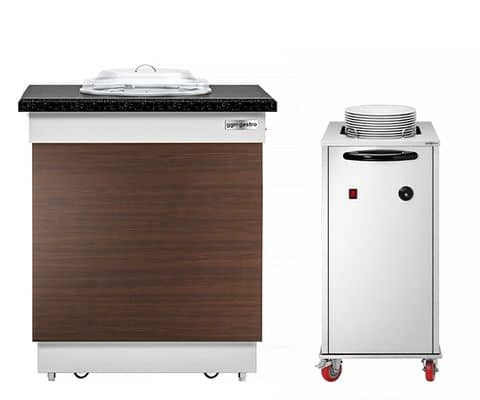
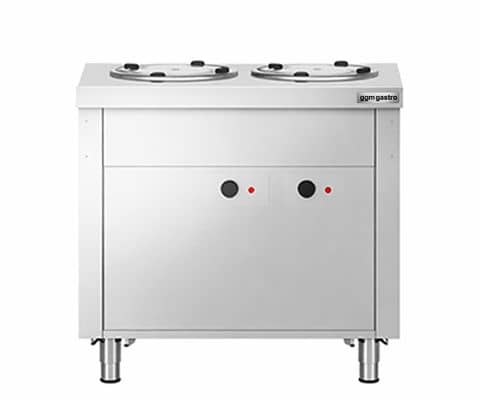
Plate warmers and plate dispensers ensure that plates are neatly arranged and that food remains ready to serve for longer in the restaurant, hotel, catering, and institutional food service industries. Depending on the workflow, heated, unheated, mobile, or stationary models are used for buffets, pass-through counters, serving stations, and production kitchens. Guide to Plate Warmers & Plate Dispensers »


Product type
Width
Depth
Height
Price
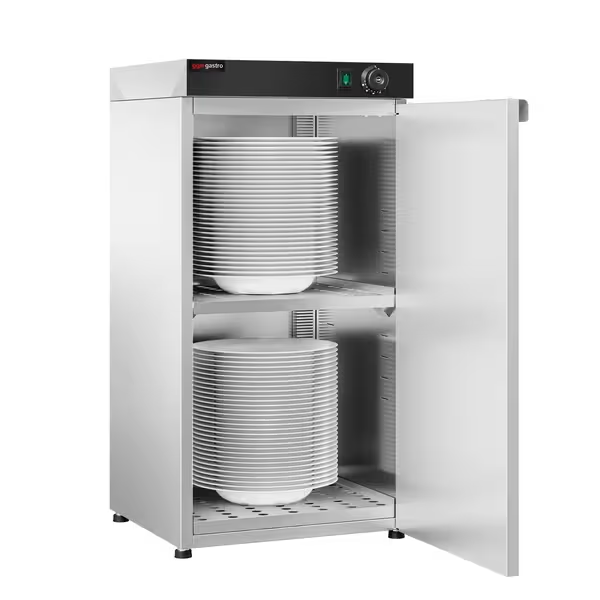
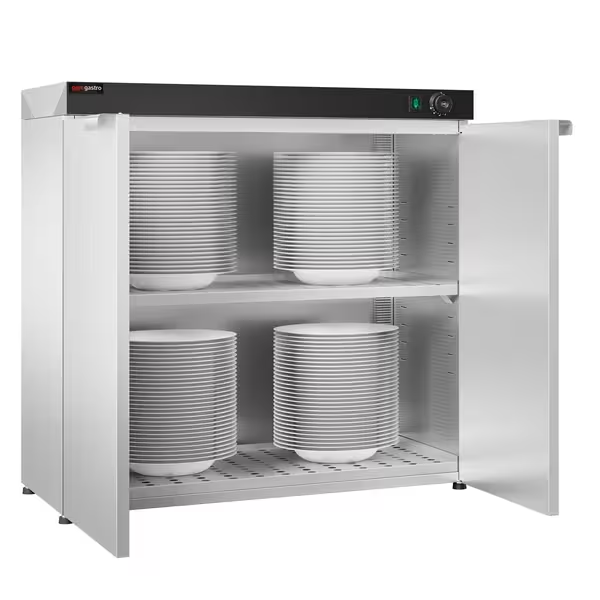
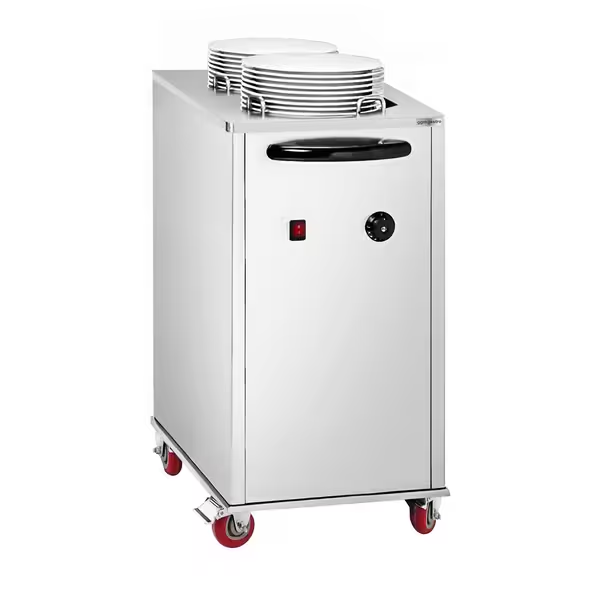
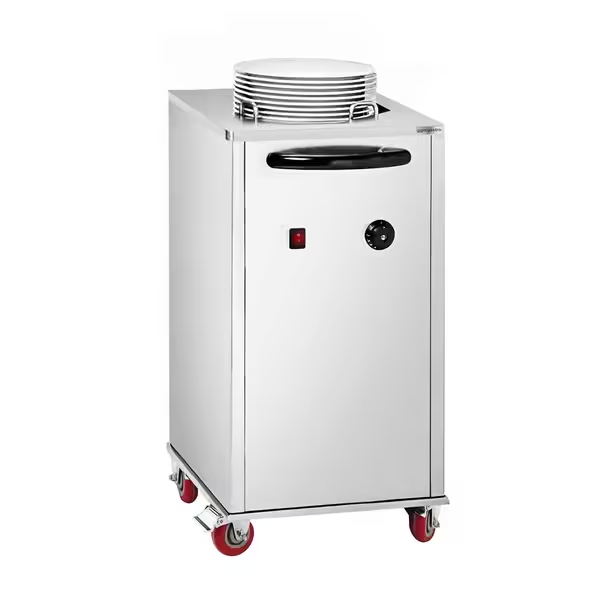

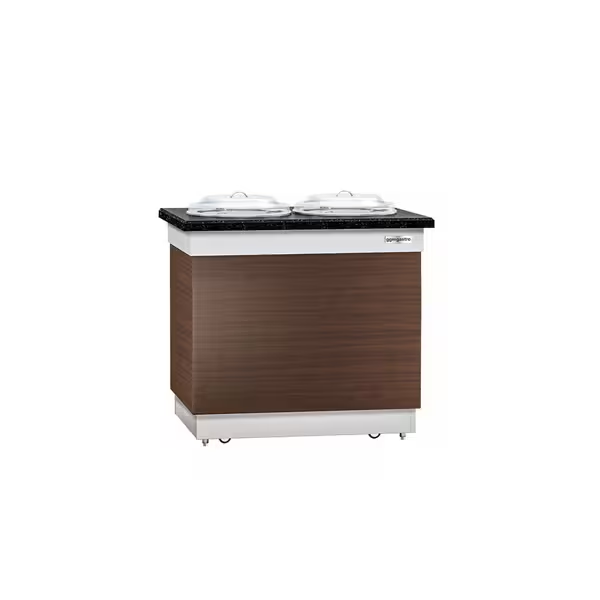
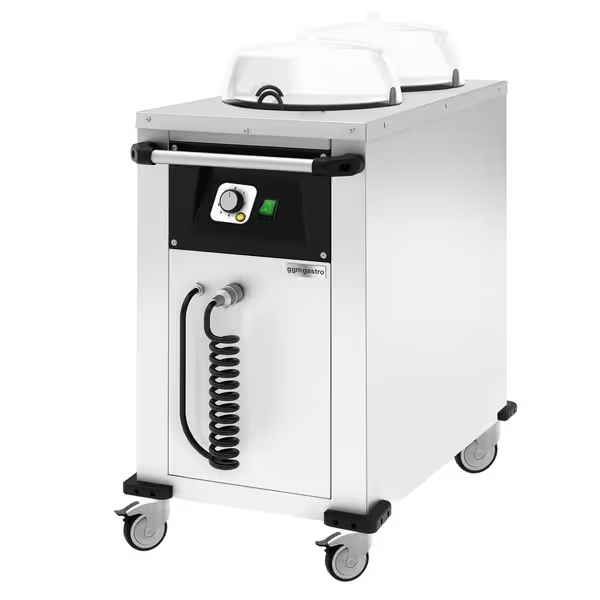
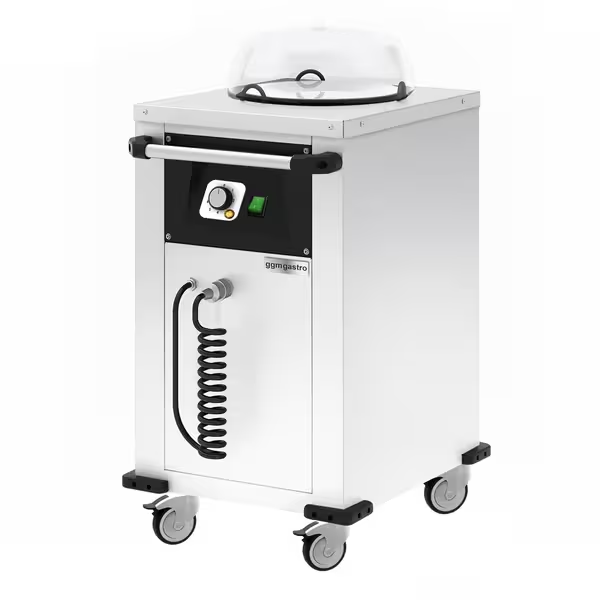

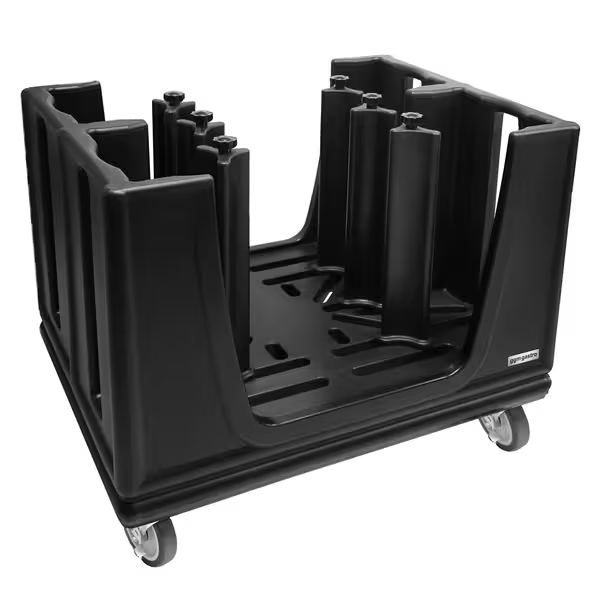
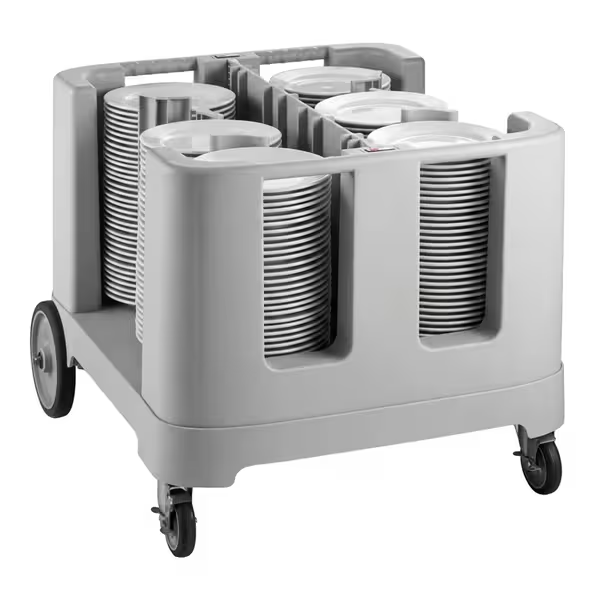
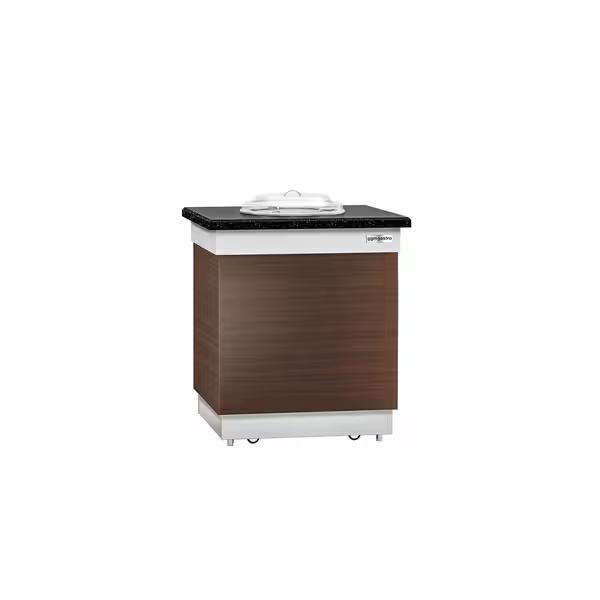
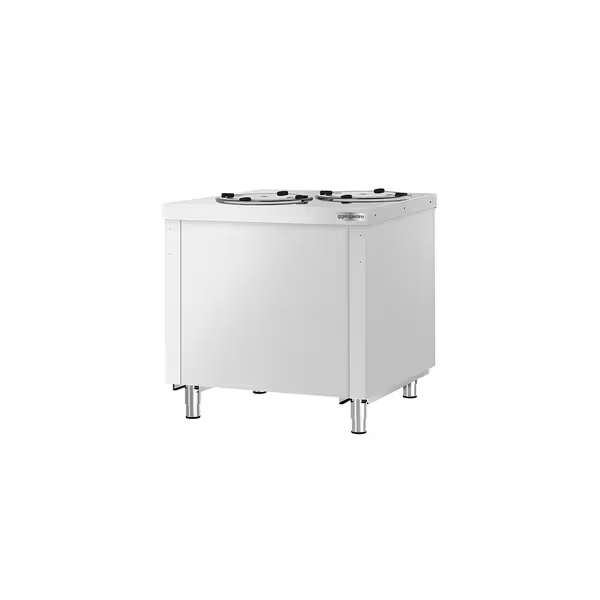
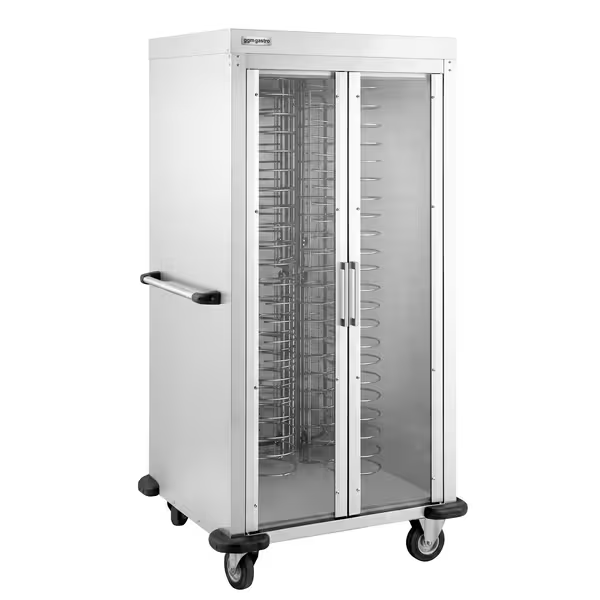
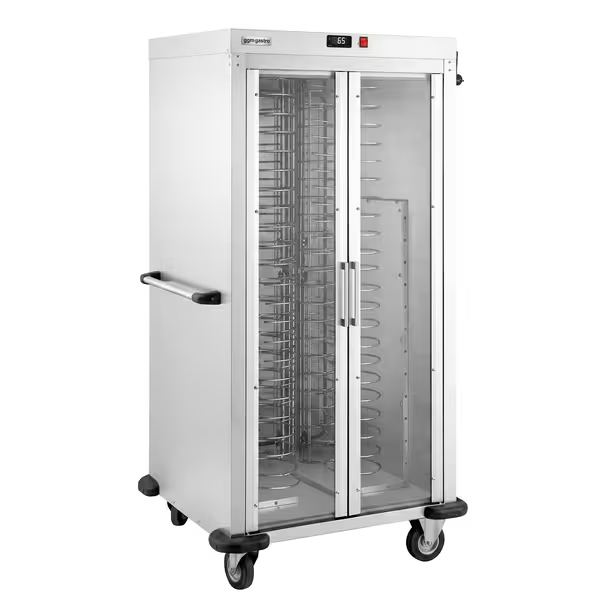
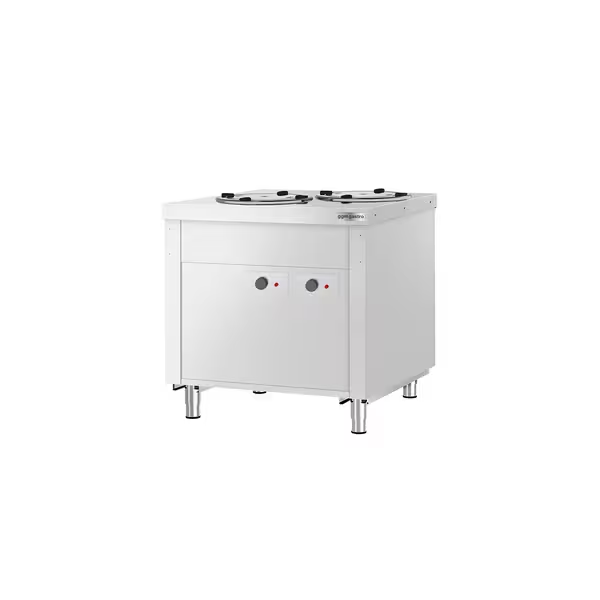
Plate warmers & plate dispensers as part of a sturdy food service system
Plate warmers and plate dispensers are professional appliances designed for serving, storing, and warming plates in commercial settings. They are used when plates need to be available quickly, remain neatly stacked, and prevent food from losing its temperature immediately upon serving.
In restaurants, hotels, cafeterias, student dining halls, catering companies, and buffet areas, the final stage of service often determines the guest’s overall impression. A warm plate helps maintain a consistent temperature, and a well-placed plate dispenser shortens walking distances and prevents disorderly stacks of plates at the serving line or buffet. Especially during periods of high volume, this isn’t just a matter of convenience—it’s an essential part of a smooth workflow.
Heated, unheated, or mobile: Which solution is right for your process?
The right choice depends heavily on where the plates will be used in the establishment. Heated plate warmers are suitable for restaurants, banquets, buffets, and food service areas where warm plates enhance the dining experience for guests. Unheated plate dispensers are useful when the primary focus is on organized presentation, quick retrieval, and space-saving storage.
Mobile models with casters offer advantages when plates need to be moved between the kitchen, the buffet line, and the serving area. Stationary or compact units are better suited for fixed workstations, the pass-through, or smaller kitchens with a clearly defined plate flow. Key criteria include capacity, plate diameter, dimensions, temperature range, power consumption, and available space. For heated units, it’s also important to consider whether the existing power supply and planned location are suitable for the unit.
Correctly Classify Plate Capacity, Diameter, and Space Requirements
A plate dispenser is only truly helpful if its capacity and dispensing rate are matched to peak demand. A small restaurant often requires different quantities than a hotel buffet or a cafeteria with a short lunch rush. What matters isn’t just the total number of plates, but the turnover rate: How many plates are needed within a few minutes without the staff having to constantly restock?
Plate diameter is also important. Flat dinner plates, deep plates, or larger menu plates require different storage configurations. If plates aren’t aligned properly, serving is hindered and the stack becomes less stable. When combined with stainless steel furniture, the area around the serving counter, food line, or buffet can be clearly organized. In establishments with a return route from the dining area, proximity to dishwashing equipment is also important so that clean plates can be quickly returned to the serving process.
Quick Checklist for Making Choices in Everyday Business Life
These points will help you make a quick preliminary selection:
- Do you need a heated or unheated solution?
- How many plates need to be readily available during peak hours?
- What plate diameters and types are used?
- Should the unit be mobile with casters or permanently installed?
- Do the dimensions, connection type, and cleaning access fit the location?
This quick check aligns product selection with real-world operations. A high-capacity unit is of little use if it gets in the way or delivers plates to the wrong location. Conversely, a compact plate warmer can be very effective if it’s positioned right next to the serving line and supports the plating process.
Hygiene, Materials, and Durability in Daily Use
In professional settings, plate warmers and plate dispensers are frequently used, moved, cleaned, and restocked. Stainless steel is therefore a key material because it is durable, hygienic, and well-suited for regular cleaning. Smooth surfaces, easily accessible areas, and sturdy casters make daily maintenance easier.
For heated models, heat generation, ease of use, and safe placement are also important factors. The unit should be positioned so that staff can quickly grab plates without obstructing other work processes. In buffet areas, a neat appearance is also important, as the equipment may be visible to guests.
Efficiency results from effective integration into the work process
Plate warmers and plate dispensers are cost-effective primarily because they streamline operations. Plates are available right where they’re needed. Restocking distances are shorter, and the layout remains more organized. This makes the team’s work easier, especially during lunch service, breakfast buffets, banquet service, or communal dining with fixed serving times.
This category is most effective as part of a cohesive operational concept. In buffet lines, it can be combined with food warming units without replacing their function: Plate warmers prepare plates, while food is kept warm separately. In kitchens and serving areas, suitable transport carts support internal logistics when plates, tableware, or containers need to be moved between areas.
Browse Plate Warmers & Plate Dispensers at GGM Gastro
When making a selection, clear product specifications, reliable availability, and a solution that fits the actual application are key. GGM Gastro offers plate warmers and plate dispensers for a variety of business sizes and workflows—from compact units for restaurant service to mobile solutions for buffets, hotels, and catering. The result is equipment that effectively supports food service, hygiene, and workflow organization in everyday operations.