



Bar equipment for gastronomy, hotel bars and professional beverage service
Bar equipment includes professional equipment for the preparation, organization, cooling and dispensing of beverages in commercial operation. In bars, restaurants, cafés, hotels, clubs and event areas, suitable bar accessories support fast workflows, clean operation and reliable service at the bar. Bar Equipment Guide »
Price
Product type
Power Connection
Operation
Capacity liters
Capacity
Operating noise level
Width
Depth
Height



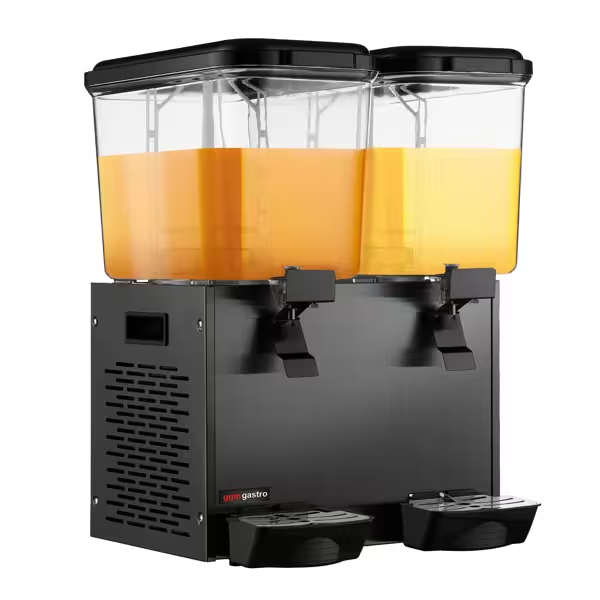
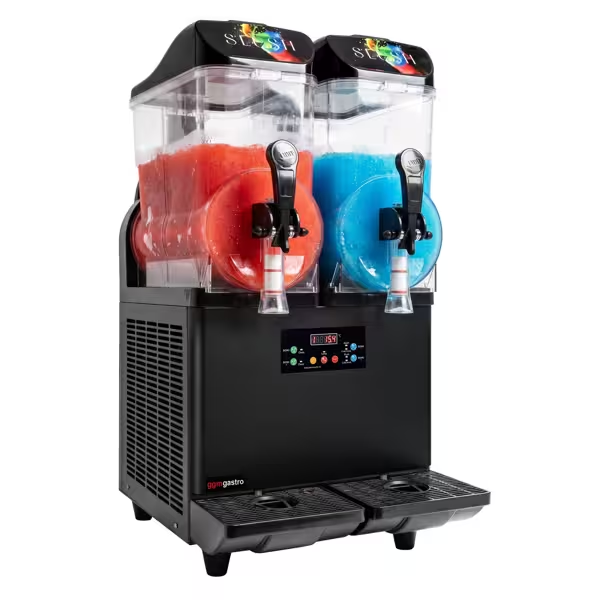


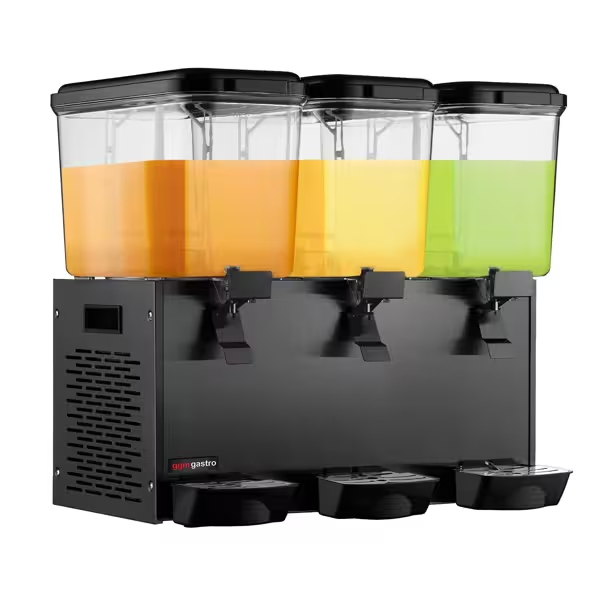


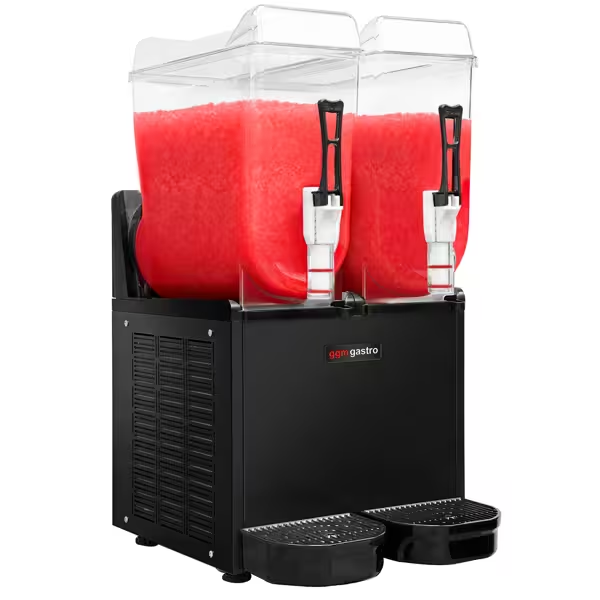




Bar equipment as the basis for an organized beverage service
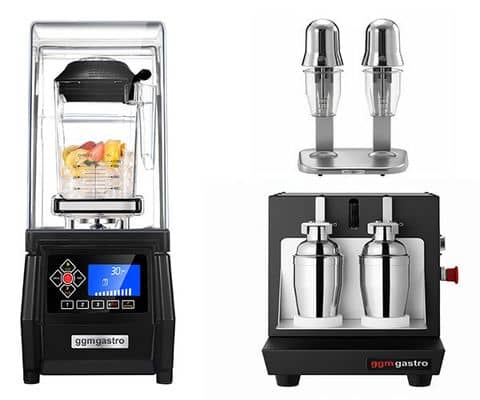
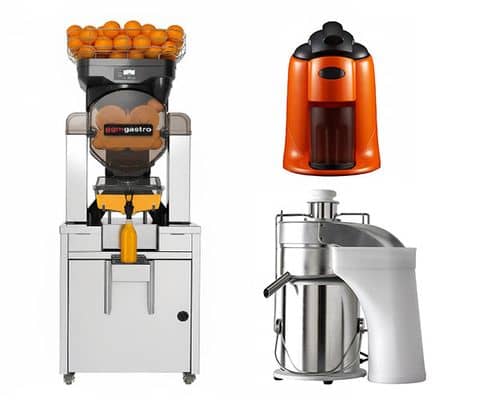
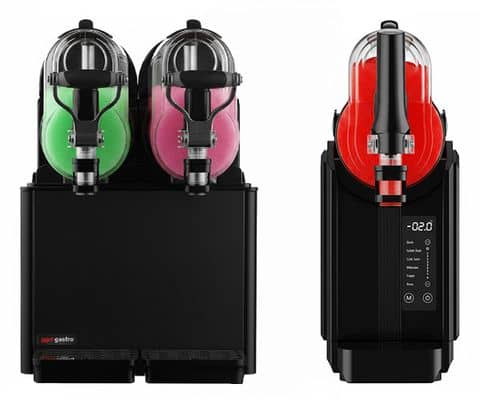
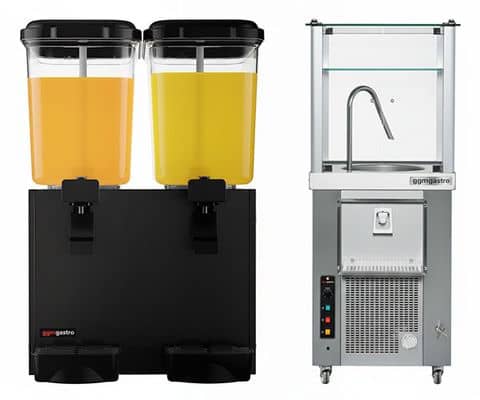
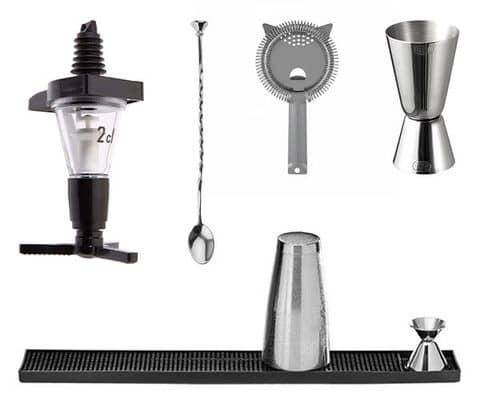
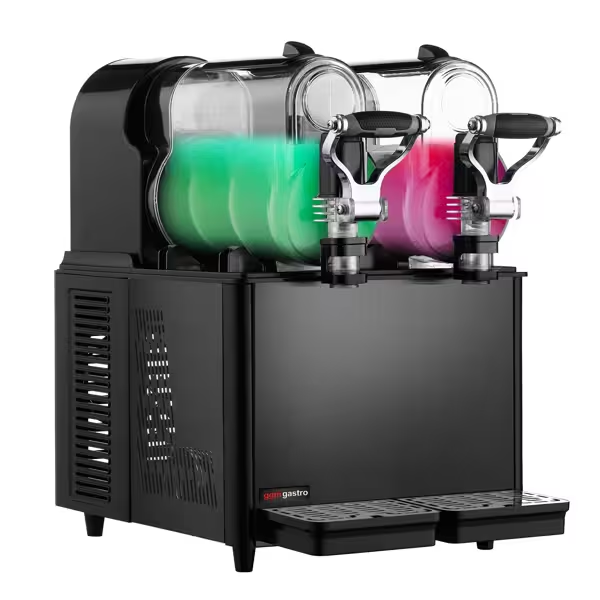
Bar equipment refers to the professional equipment used behind the counter for the preparation, portioning, presentation and dispensing of beverages. This includes, among other things, cocktail shakers, pourers, jiggers, bar spoons, ice buckets, bar mats, bottle holders, juice dispensers, slush machines and cocktail stations.
In professional daily life, bar equipment is much more than accessories. In a well-organized bar, the arrangement of the working tools determines how quickly drinks are prepared, how clean ice and ingredients are handled, and how calmly the team works even at high throughput. This applies to the classic cocktail bar just as much as the restaurant counter, the hotel buffet, the café operation or mobile beverage concepts in the event sector.
Which bar equipment really matters in the operation
Selection is first guided by the beverage offering and the way of working. A cocktail bar requires different priorities than a café with juice dispensers or a club with high long-drink volume. For cocktails, precise dosing, stable shakers, bar strainers, muddler and ready-to-grip ingredient containers are important. In self-service areas, container volume, easy removal, temperature control and fast cleaning count.
Also the space behind the counter plays a big role. Bar mats with non-slip surfaces catch drips and create a defined resting area. Bottle holders and glass rails keep frequently used items within reach. Ice buckets, ice scoops and ice tongs support hygienic ice processing when they are placed separately from bottles, garnishes and cleaning areas. For electrical devices such as slush machines, juice dispensers or mixers, footprint, 230-V connection, container capacity and cleaning access should be considered early.
Plan bar supplies properly in the workflow
A well-equipped counter follows the order of work: reach, dose, mix, chill, dispense, clean. If during peak times unnecessary trips between ice, spirits, garnishes, glasses and the washing area arise, the operation loses speed. Especially during evening peaks, banquets or events, a clear bar station becomes noticeable because several drinks can be prepared in parallel.
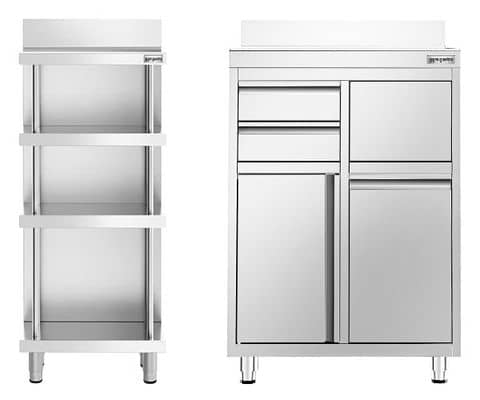
For compact operations, space utilization is crucial. Small bars benefit from vertical organization through glass holders, bottle racks and undercounter supports. Larger counter areas require more separate zones for cocktail preparation, non-alcoholic drinks, ice, glasses and returns. Additionally, stainless steel furniture can help integrate robust work surfaces and hygienic storage into bar planning.
Material, hygiene and durability in daily bar operations
Bar equipment is constantly exposed to moisture, acids, sugars, ice water, cleaning agents and mechanical wear. Stainless steel is therefore useful for many bar tools and stations, because the material is robust, hygienic and easy to clean. Plastic parts such as dosers, containers or bar mats require a smooth surface, clean edges and a shape that does not unnecessarily retain residues.
A key point is daily cleaning. Shakers, pourers, strainers and measuring cups come into direct contact with drinks, syrups, fruit juice or dairy components. Easily disassembled components facilitate clean routines after the shift. For glasses and tools, the cleaning area should be arranged so that clean and used items do not constantly move over the same area. Depending on the operation, bar equipment can be sensibly connected with a glasswasher or suitable cooling technology without overloading the counter.
Quick check for selecting bar equipment
-
Beverage offering: cocktails, long drinks, juices, slush, wine or non-alcoholic beverages
-
Frequency: calm daytime operation, evening peaks, club operation, hotel bar or event use
-
Space requirements: footprint, reach paths, undercounter, glass rails and bottle organization
-
Hygiene: stainless steel, detachable parts, drip zones, ice processing and cleaning access
-
Equipment: manual accessories, electrical devices, container volumes and type of connection
Economic benefit through appropriate bar equipment
Appropriate bar equipment supports a stable workflow because frequent actions become easier. The team searches less, works cleaner and can prepare drinks more evenly. In practice, this shows especially with recurring processes: consistent dosing, consistent grip paths, clear ice and ingredient areas, and fewer improvised resting places.
Economically, too, the choice matters. Robust, well-integrated equipment can reduce replacement purchases, make cleaning times easier to plan and relieve beverage service during peak times. For operations with a tight budget, it is therefore not the largest equipment that matters, but the right sequence: first the frequently used tools, then organization at the counter, then additional devices for extra beverage offerings.
Combine bar equipment sensibly
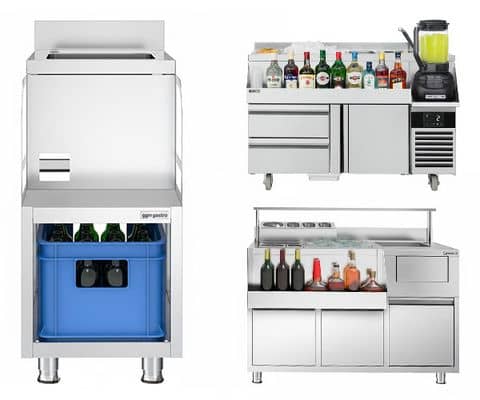
Bar equipment works best as part of a coordinated bar concept. Cocktail stations, bar mats, bottle holders and ice areas form the core of preparation. Cooling devices, dishwashing solutions and work surfaces complement this area when they actually shorten the workflow. Those serving many chilled drinks can sensibly combine bar accessories with [Bar- & beverage cooling tables]. For operations of different sizes, GGM Gastro offers bar equipment – from compact café counters to highly frequented hotel or cocktail bars. What matters is equipment that fits the beverage offering, the available space and the daily workload. This creates a bar area that looks professional and reliably supports day-to-day operations.