


Commercial Boiling Pans for Catering and Large-Scale Kitchens
Boiling pans allow efficient preparation of large quantities of soups, sauces, stews, side dishes and other food. Different capacities, heating methods and energy connections offer the right solution for restaurants, staff canteens, hotels, catering businesses and contract catering. Find out which boiling pan suits your batch sizes in our buying guide »


Product type
Building depth
Width
Operation type
Design/Equipment
Capacity
Maximum Temperatur
Power
Power Connection
Price
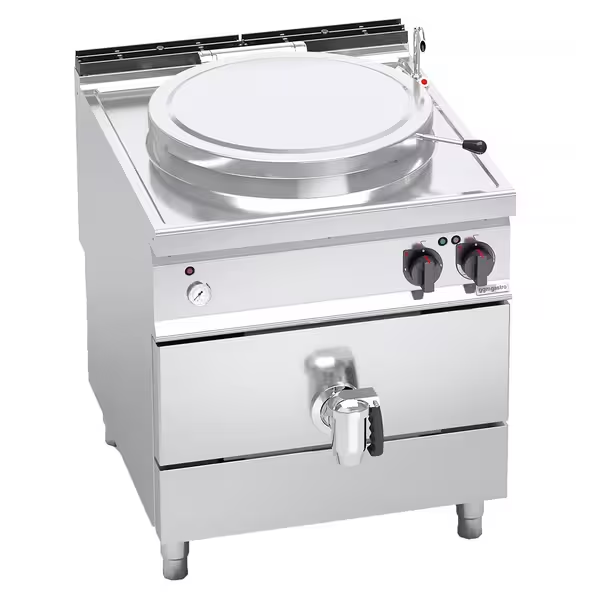
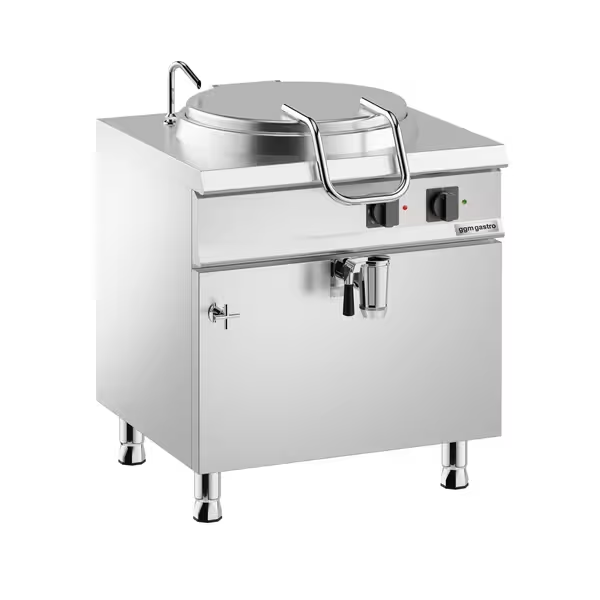
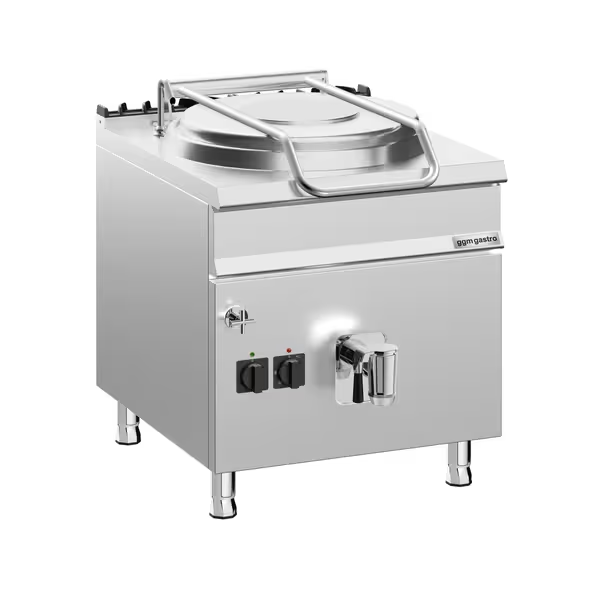
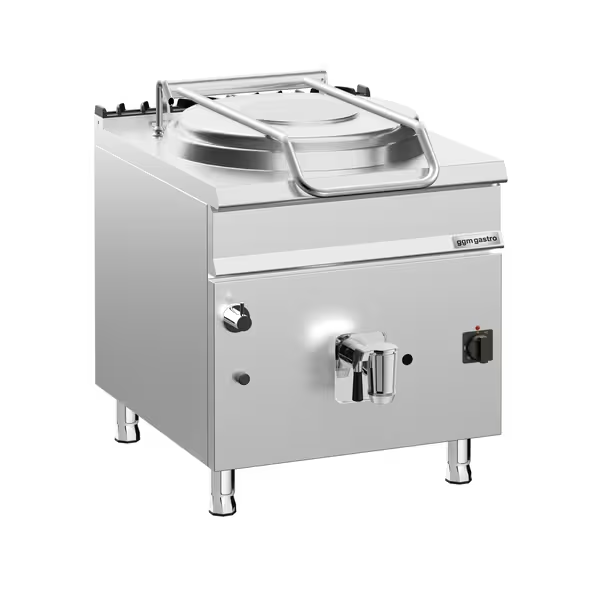
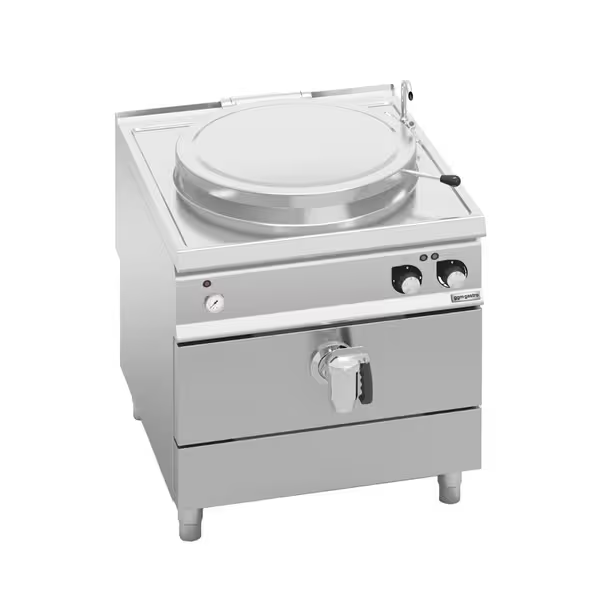
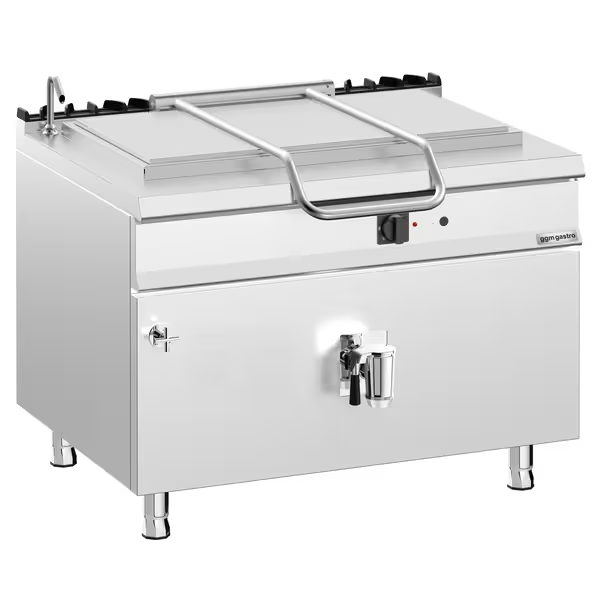
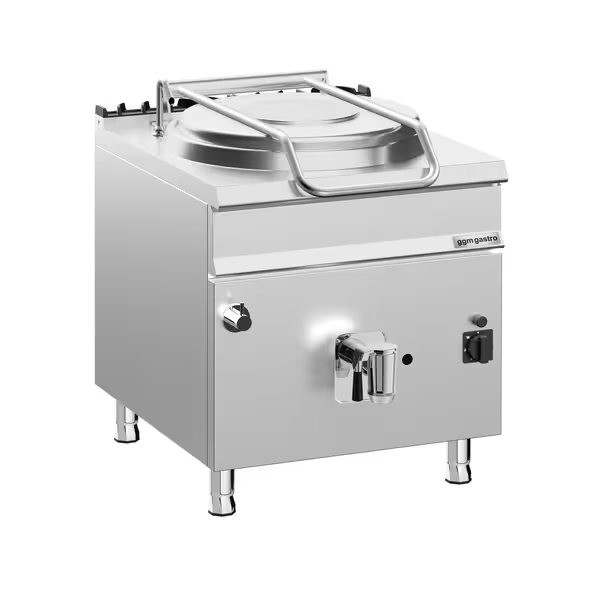
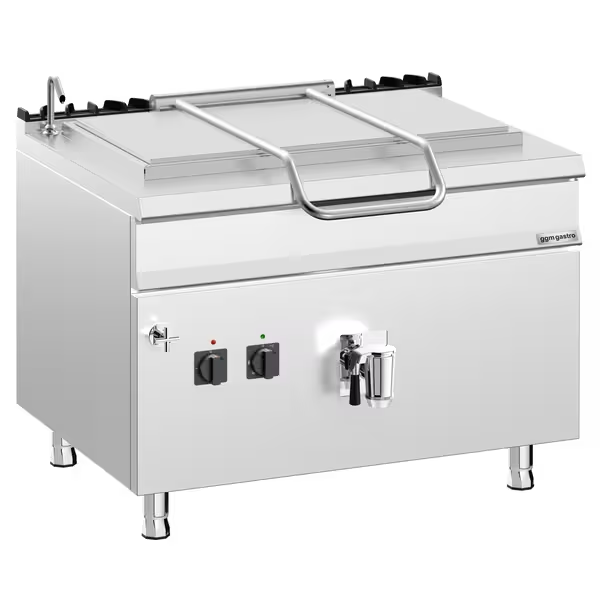
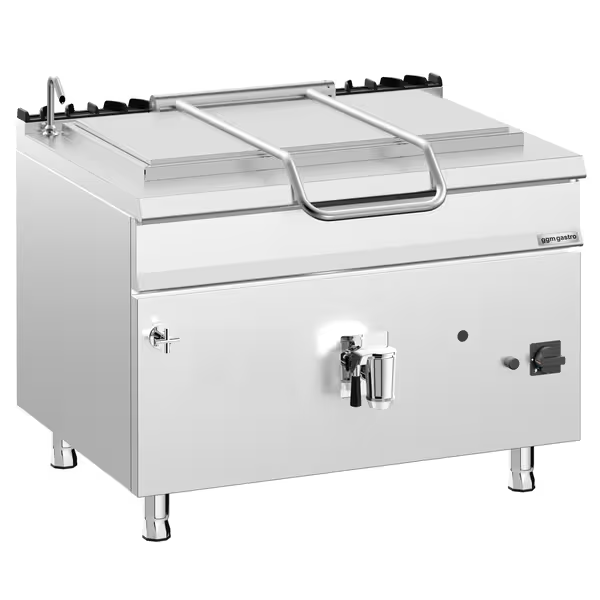
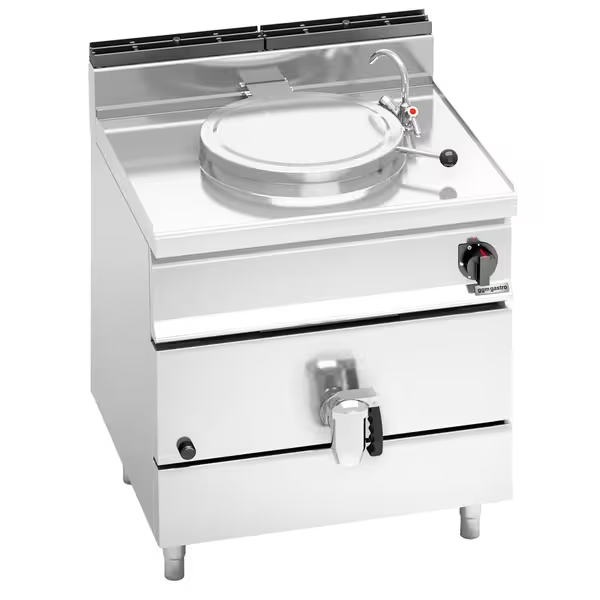
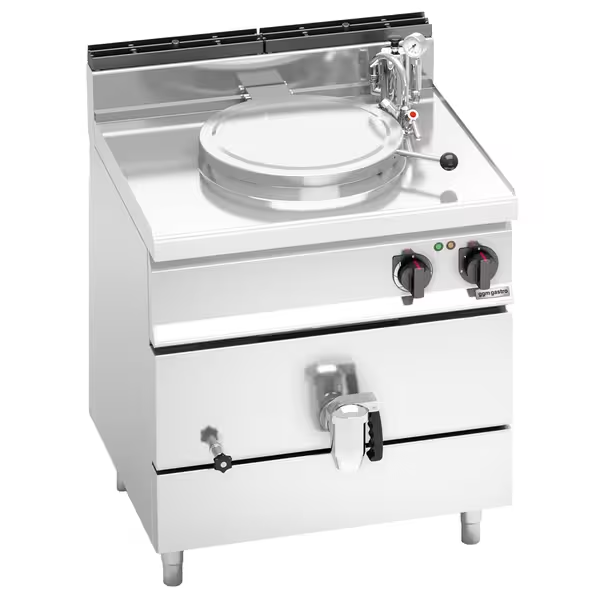
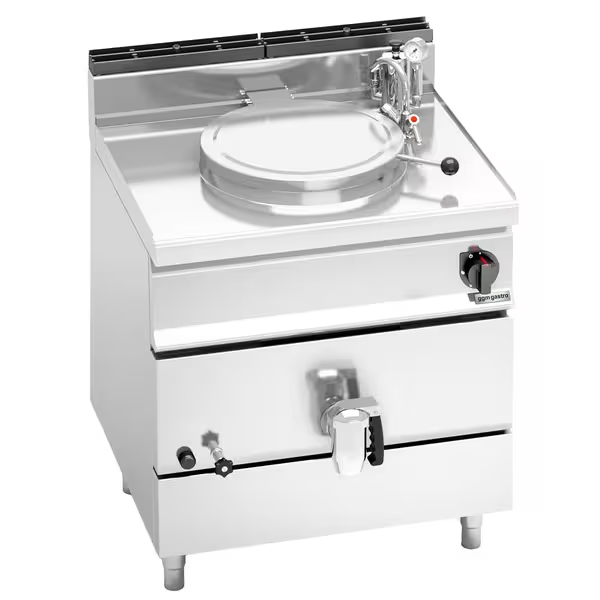
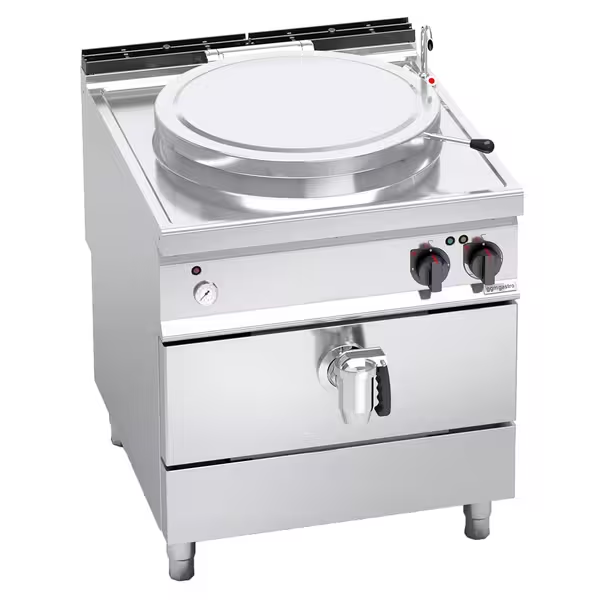
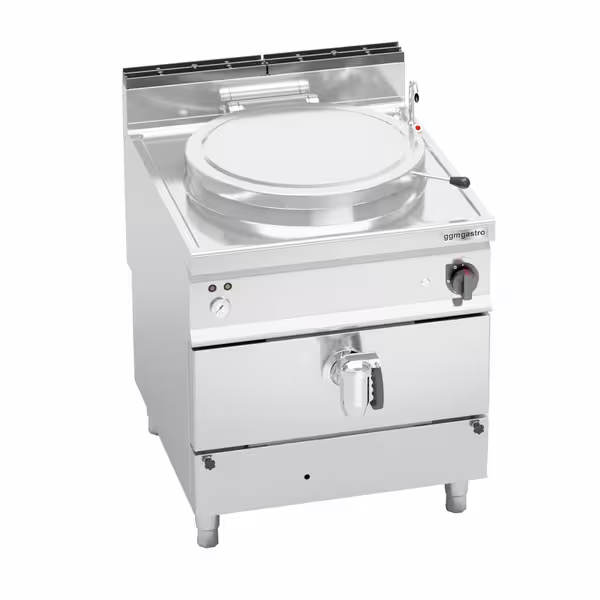
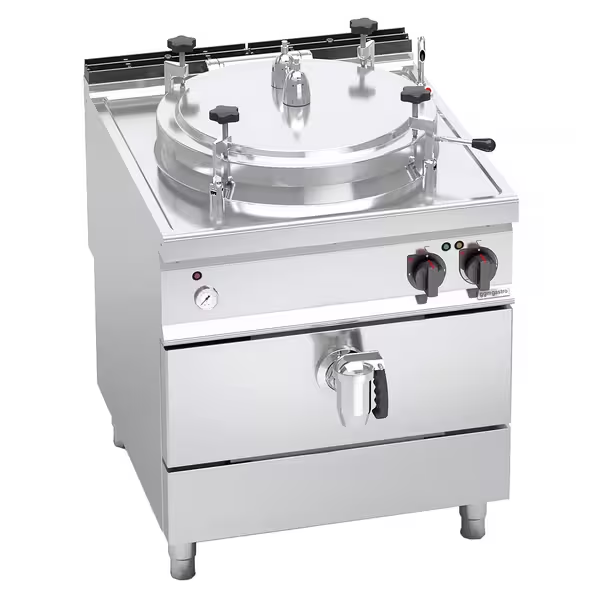
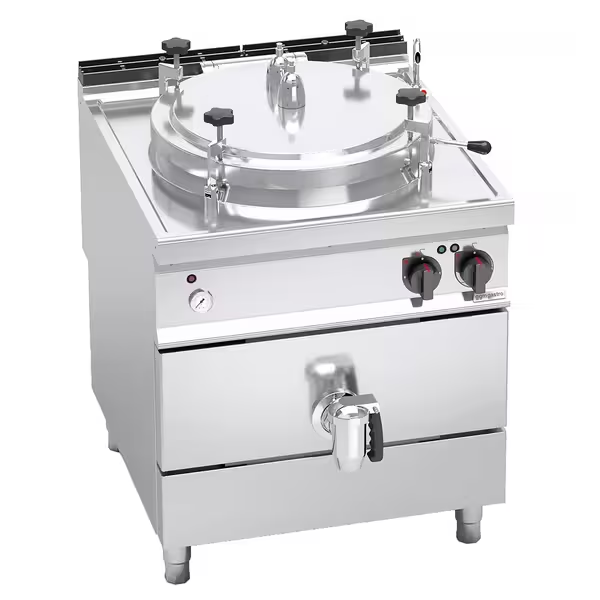
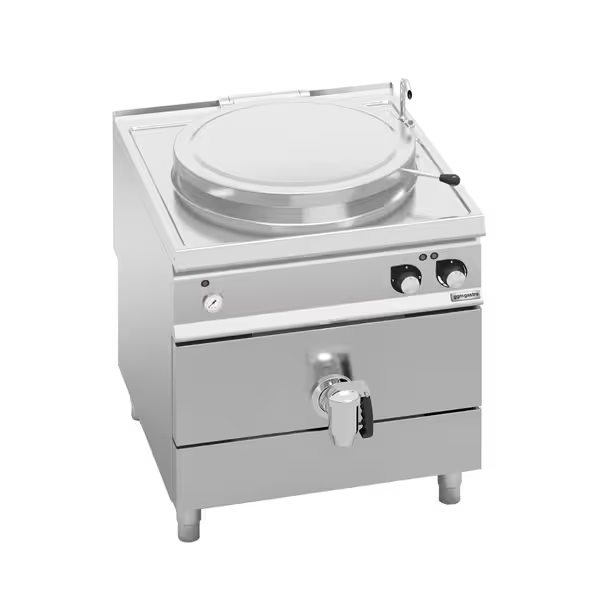
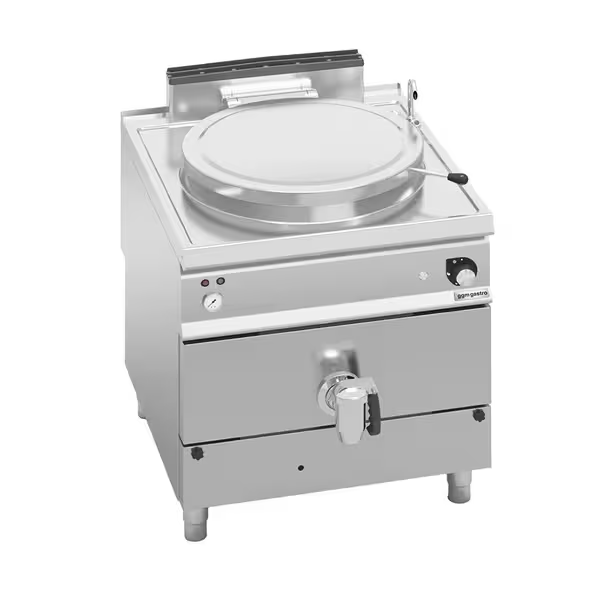
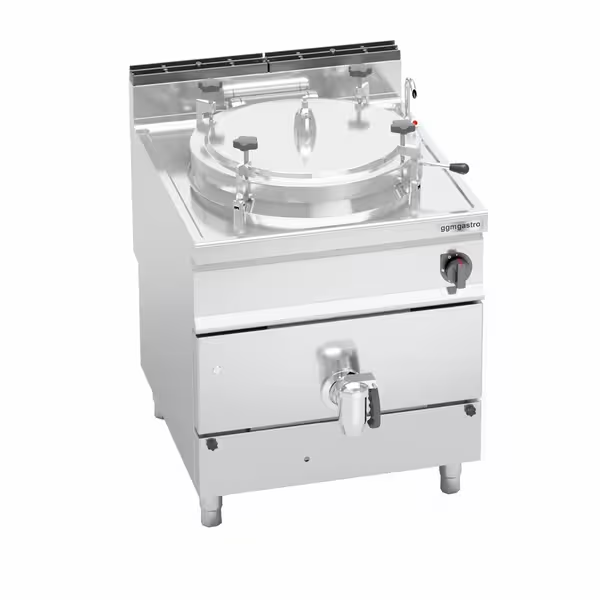
Boiling pans for predictable large-batch production
Boiling pans are professional catering appliances for preparing larger quantities of liquid, semi-liquid and water-based dishes. They are used mainly in restaurants with high production volumes, staff canteens, hotels, catering businesses, hospitals, care homes and central production kitchens.
Day to day, boiling pans take on tasks that would require considerably more space, monitoring and working time with several individual stockpots. Soups, stocks, sauces, stews, potatoes, rice or vegetables can be prepared in batches with repeatable results. This supports predictable production, especially when many portions need to be ready within a tight time window at lunchtime or before an event.
Choosing a boiling pan to match production volume
Capacity is one of the most important selection criteria. Common models range from compact versions of around 55 to 100 litres to large units with 250, 300 or 500 litres. What matters is not just the daily volume, but the largest batch to be produced in one go.
A boiling pan that is too small leads to additional cooking cycles and frequent top-up production. An oversized one, on the other hand, ties up space, electrical capacity and investment budget without being fully used day to day. A capacity that covers typical peak demand and leaves a moderate reserve for seasonal peaks or growing portion numbers makes sense.
Direct or indirect heating in daily operation
Directly heated boiling pans transfer heat straight to the base of the pan. They are particularly suitable for robust dishes, water, broths and products where fast heat transfer is the priority.
Indirectly heated models work with a double-walled, jacketed construction. Heat is distributed more evenly around the inner pan, which reduces the risk of localised overheating with more delicate sauces, creams, soups or longer cooking processes. Which version fits better depends on your menu, recipes and daily use.
Planning for gas, electric and tilting functions
Besides capacity, the energy type influences planning. Electric boiling pans require an adequately sized power supply, often with a 400 V connection. Gas boiling pans require a suitable gas supply as well as the relevant structural and ventilation requirements. The existing infrastructure is therefore often more decisive than the unit price alone.
Tilting boiling pans make it easier to empty large or chunky batches in a controlled way. This can reduce physically demanding ladling and decanting. For liquid dishes, a drain tap often performs this function. Water inlet, mixer tap, lid mechanism and easy-to-reach controls also affect how quickly and ergonomically the team can work.
Quick check for choosing a boiling pan
-
match capacity to your largest batch and peak demand
-
choose direct or indirect heating according to the type of dish
-
check electrical, gas, water and ventilation connections in advance
-
assess drain tap or tilting function according to your emptying process
-
coordinate dimensions, depth and integration into the cookline
Hygiene, cleaning and durability
In professional use, boiling pans are made mainly of stainless steel. The material withstands moisture, heat and regular cleaning and supports hygienic working conditions. Smooth inner surfaces, accessible fittings and a cleanly routed drain make daily care easier.
When positioning the unit, enough space should remain for operation, filling, emptying and cleaning. A high-performance boiling pan is only properly integrated if walkways are not blocked and service areas remain accessible. Combining it with suitable stainless steel furniture, functional warewashing and sufficient nearby refrigeration creates a continuous workflow.
Boiling pans as a cost-effective part of the production line
A correctly sized boiling pan can bring several parallel individual processes together. Less decanting, clearer batches and repeatable cooking processes take pressure off the team and make volume planning easier. The commercial benefit does not come from high output alone, but from matching capacity, connection type, operation and actual production requirements.
Integration into existing modular cooking suites also plays a role. Uniform depths, suitable working heights and short routes between prep, boiling pan and service support an orderly workflow. Especially in busy kitchens, a clear production line helps to handle peak times in a more controlled way.
Buying a boiling pan to suit your needs
The right solution combines sufficient capacity with safe operation, hygienic cleaning and realistic integration into the business. By considering type of dish, batch size, energy supply, space requirements and emptying process together, you can choose a boiling pan in a targeted way and use it sensibly in the long term.