


Rolling Pins
Rolling pins help you roll pizza dough, pasta dough and pastry evenly by hand in commercial kitchens. A choice of lengths, diameters and designs makes it easier to match the tool to dough quantity, work surface and required thickness. Find the right rolling pin for your kitchen in our buying guide »
Product type
Price
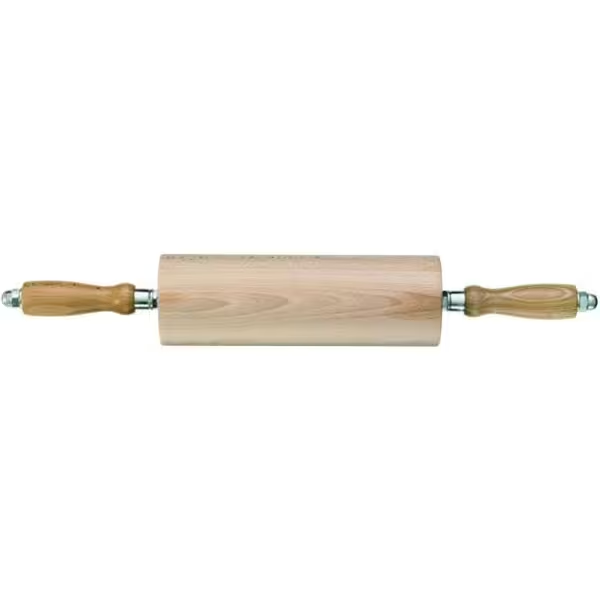
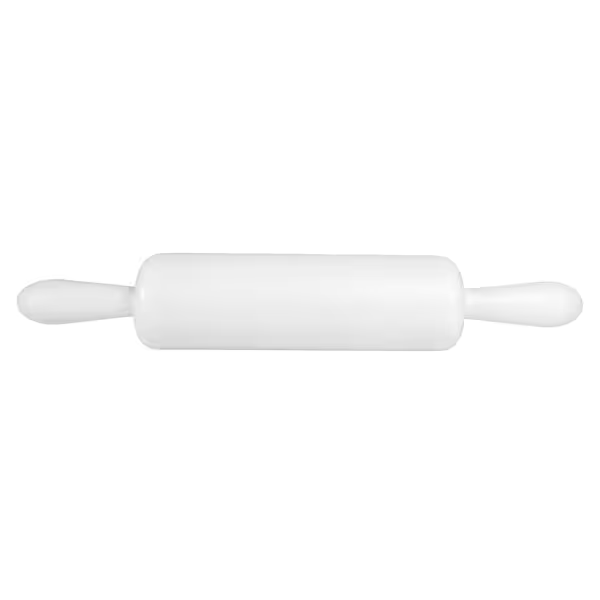
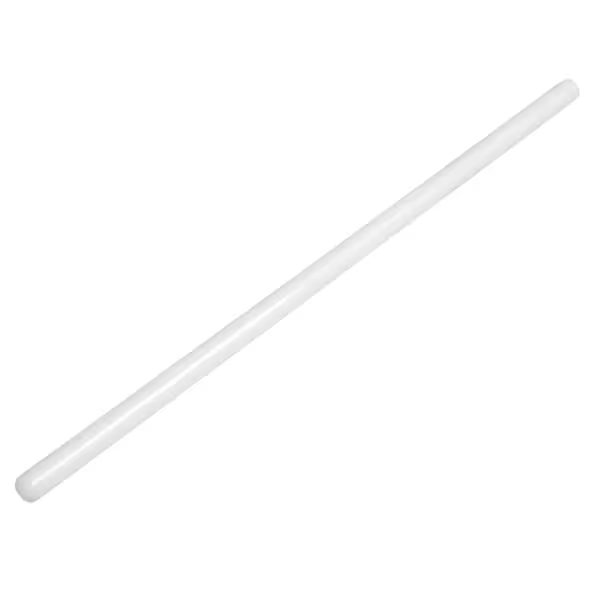
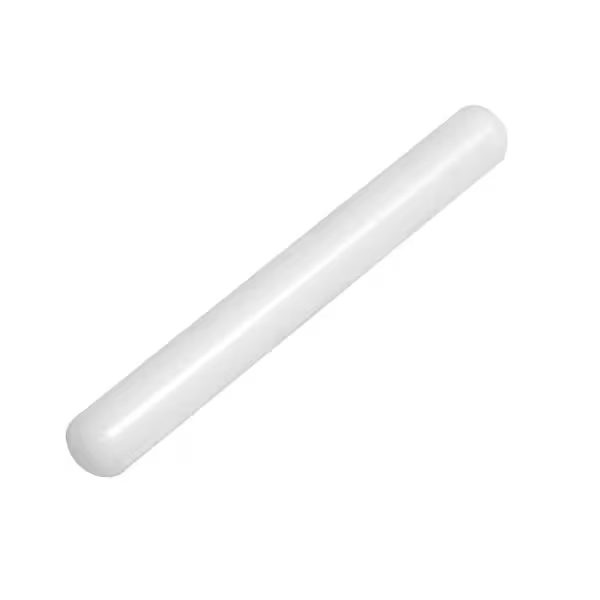
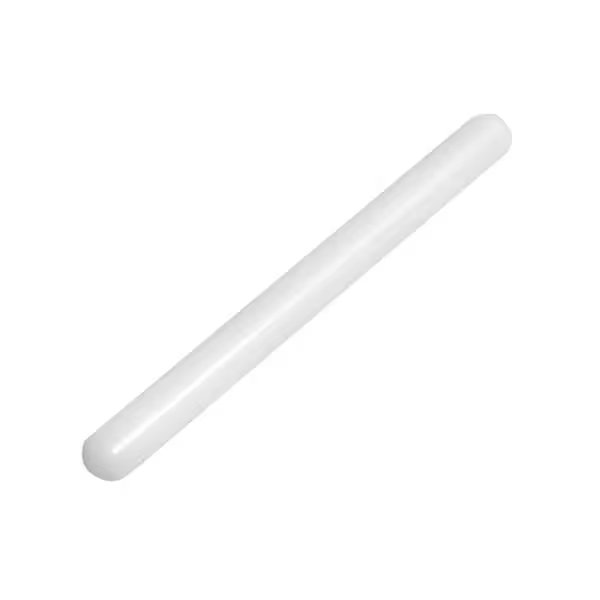
Rolling pins in commercial preparation
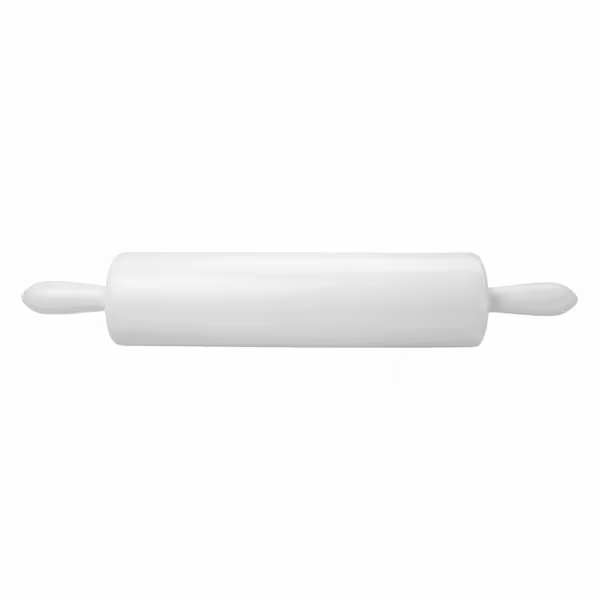
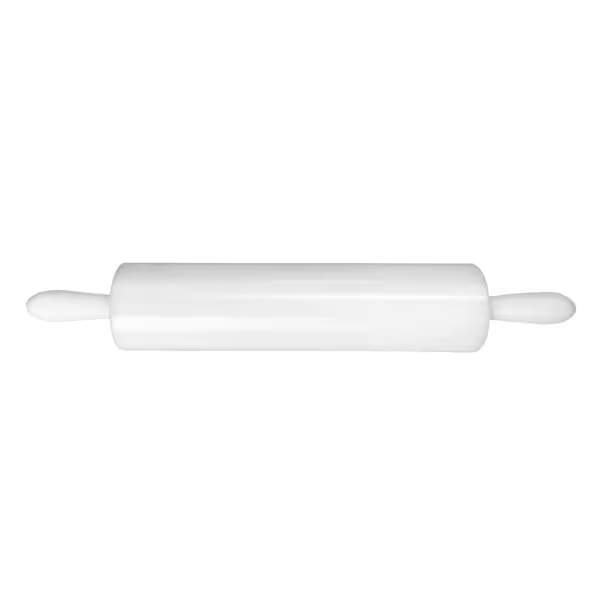
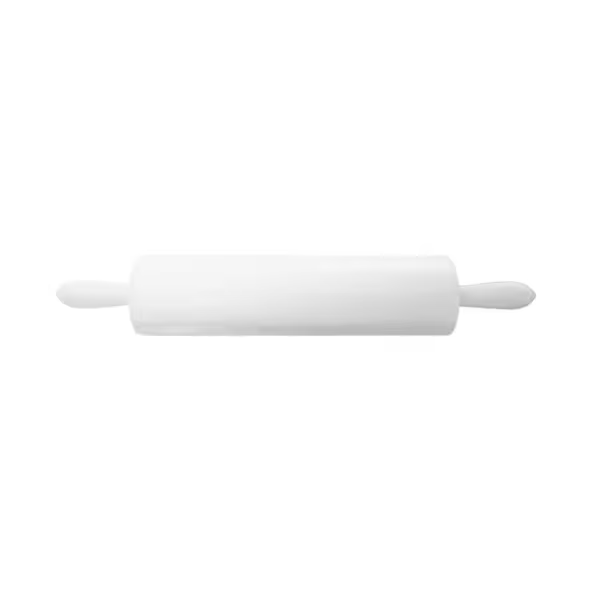
Rolling pins, including handleless rolling rods, are manual tools for shaping and rolling dough evenly on a work surface. They are mainly used in pizzerias, bakeries, patisseries, cafés and restaurant kitchens where dough portions need to be prepared quickly and with control, without a powered machine.
Their practical advantage is immediate availability: they need no setup time, can be used at different workstations and take up little space. The key is how well they suit the dough size, required thickness, frequency of use and available work surface.
Choose length, diameter and design to suit the dough
The current range runs from compact rolling rods approximately 35 mm in diameter and 250 or 330 mm long to longer versions around 500 mm. Rolling pins include working widths of 330, 380 and 450 mm and barrel diameters of approximately 75 to 95 mm. This allows you to match the tool to portion size and worktop space: shorter models are easy to handle with smaller dough pieces, while longer ones cover more dough with each pass.
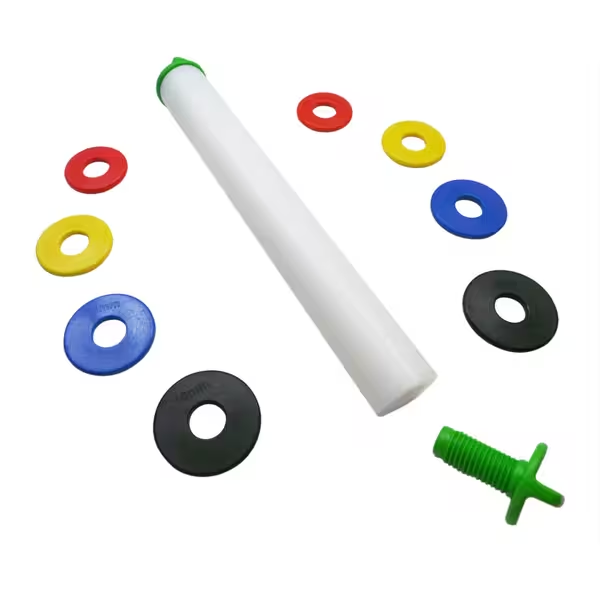
The shape also affects handling. An oval plastic rolling pin distributes pressure differently from a cylindrical model. Adjustable versions with spacer rings help achieve repeatable thicknesses when many similar portions are needed throughout the day. For pizza dough and pastry in particular, this can reduce corrections and make subsequent preparation easier to plan. With softer doughs, controlled, even pressure matters more than force. For firmer doughs, a larger barrel diameter can feel more comfortable because the rolling surface meets the dough at a shallower angle.
Match material and cleaning to how you work
The range mainly includes durable plastic models, alongside a solid wood version. Smooth plastic surfaces can be cleaned quickly after use, making them useful when the tool is used repeatedly across production stages. Solid wood provides a traditional feel and suits kitchens that prefer a wooden rolling pin.
A simple routine is central to hygiene: remove dough and flour residues immediately after use, clean the surfaces thoroughly and store the tool dry. Dried-on residues make cleaning longer and can delay the next task. Material, surface finish and design therefore affect daily cleaning effort as well as comfort.
Quick selection check
-
Dough size: 250 to 330 mm tools for smaller portions, with longer models up to around 500 mm for wider dough sheets.
-
Barrel diameter: choose a slimmer or thicker roller to suit pressure control and dough quantity.
-
Dough thickness: spacer rings are useful where repeatable thickness matters.
-
Material: plastic for straightforward care, solid wood for traditional handling and feel.
-
Workstation: length and design must suit the clear rolling area and storage between uses.
Short working routes make hand tools efficient too
A rolling pin cannot replace production planning, but it can support a well-organised preparation station. Keeping dough portions, flour and tools within reach avoids unnecessary walking and helps maintain a clear working rhythm before busy periods. This is particularly relevant in small kitchens, where the same work surface is often used for dividing, rolling and topping in succession. A compact rolling rod is easier to set aside between tasks, while a 450 or 500 mm version needs a correspondingly larger clear rolling area.
In a pizzeria, the dough station can be complemented with pizza dough boxes and trays for dough balls and dough scrapers for dividing and releasing dough. This creates a clear sequence from taking out a portion to shaping and topping it.
Ergonomics also matter with regular use. A length suited to the portion avoids repeated repositioning in a small space. A sufficiently large, clear work surface supports even movements, reducing corrections and helping the team work more smoothly without extra connections or permanent installation.
Work manually or expand the process later?
Rolling pins are particularly useful where flexibility, minimal setup time and manageable quantities are the priority. If output increases substantially and rolling becomes a recurring bottleneck, moving to pizza dough rollers and pizza presses may become more cost-effective.
For manual dough preparation, the right combination of length, diameter, design, material and ease of cleaning remains essential. Matching these features to portion size, workspace and frequency of use provides a simple, dependable basis for consistent daily preparation.