


Stainless Steel Bases, Feet, and Casters
Stainless steel bases, legs, and casters ensure stability, the proper working height, and flexible use of professional foodservice furniture. Depending on the model, they also make it easier to clean, align, and adjust work areas. Stainless Steel Bases, Feet & Casters Guide »

Product type
Width
Quality
Load Capacity
Product material
Price
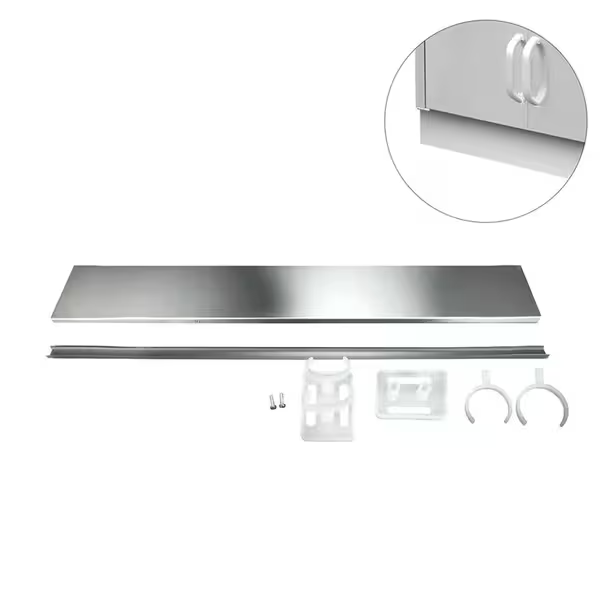
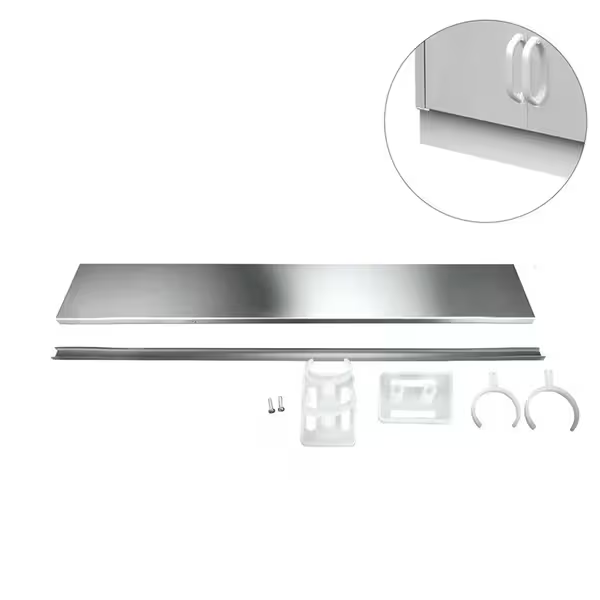
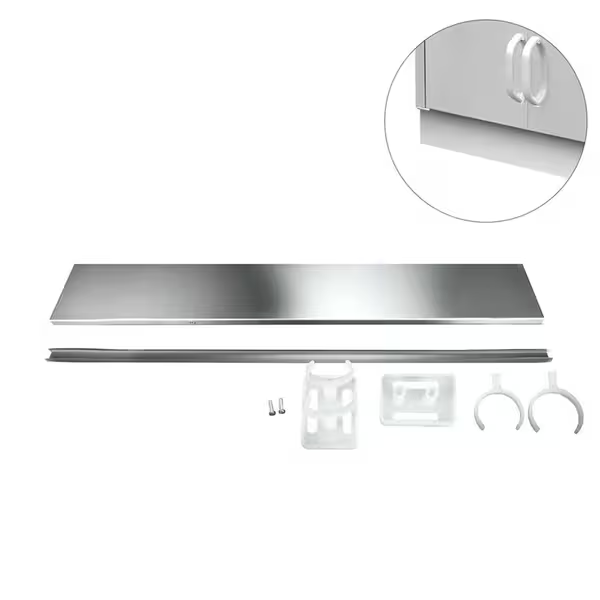
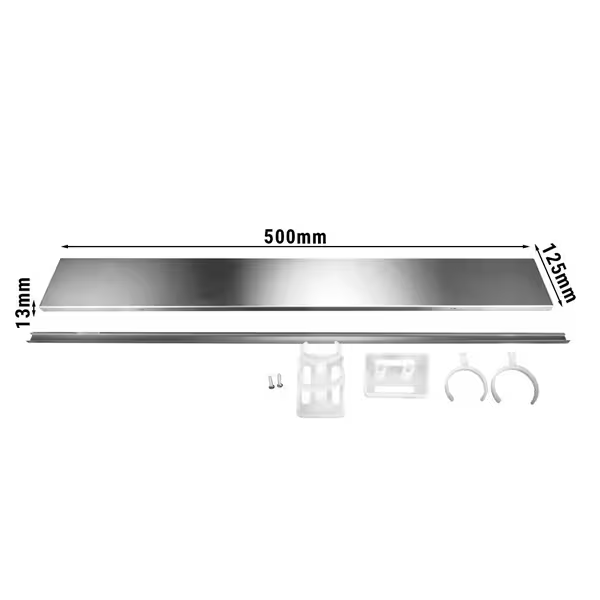
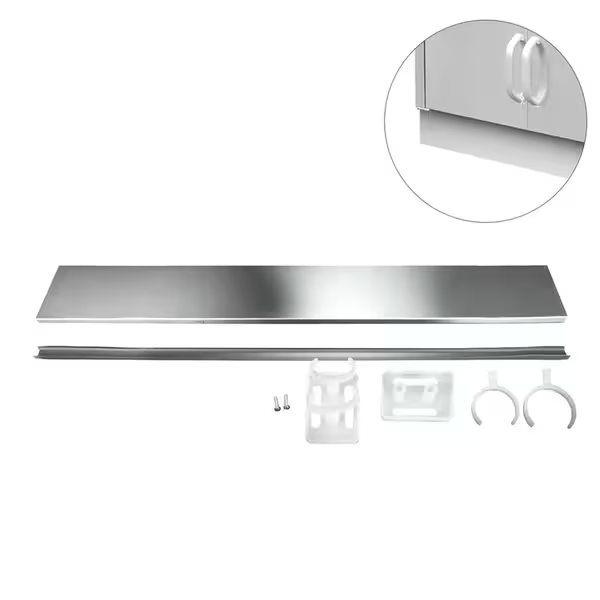
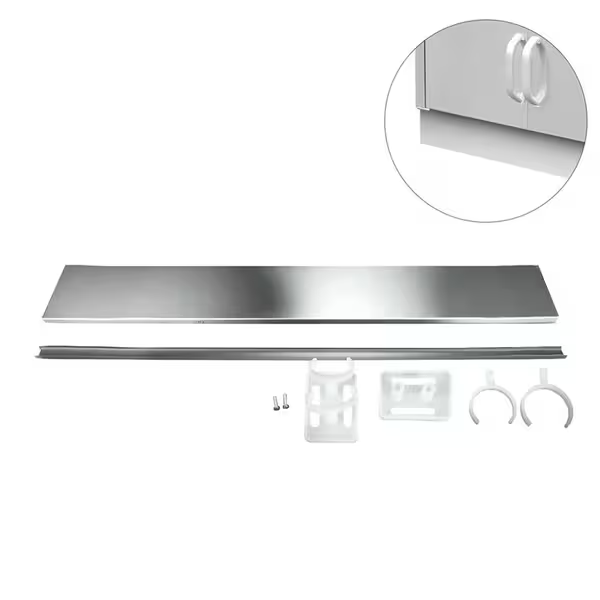
Stainless Steel Bases, Legs, and Casters in Professional Kitchens
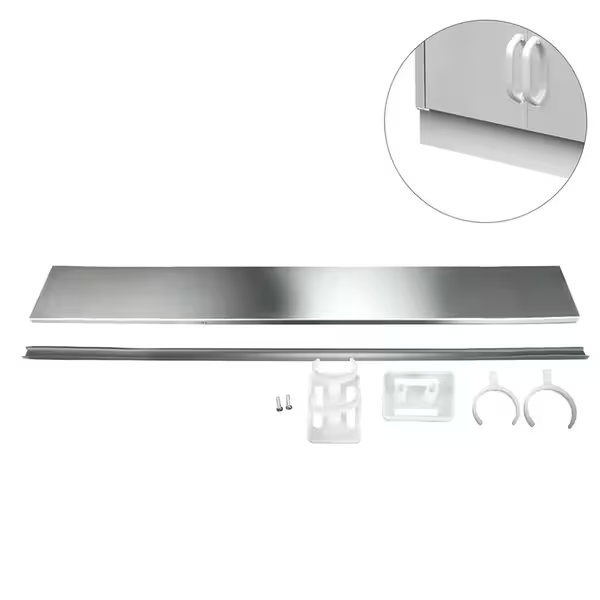
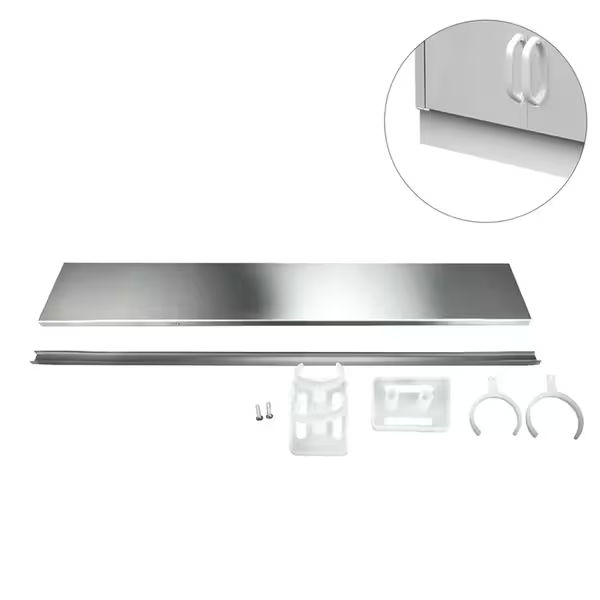
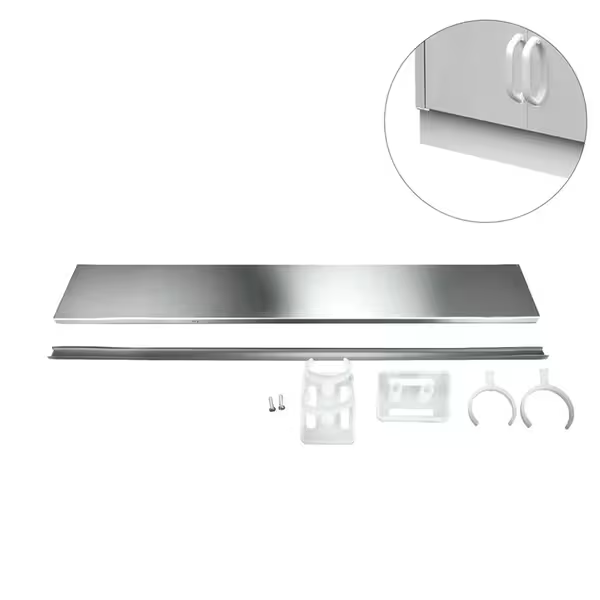
Stainless steel bases, legs, and casters are accessory components for professional stainless steel furniture. Depending on the design, they serve to stabilize the furniture, make it movable, or neatly finish the lower part of the furniture.
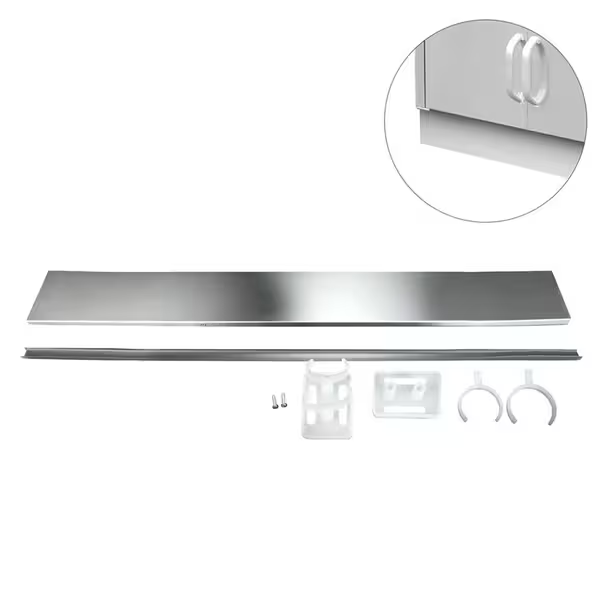
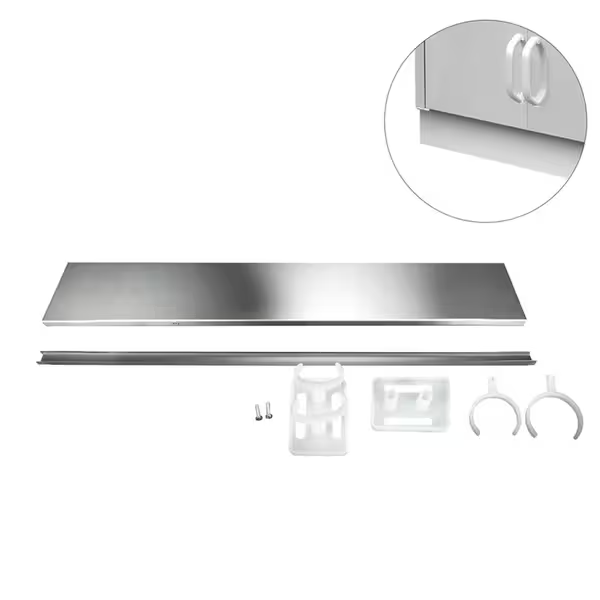
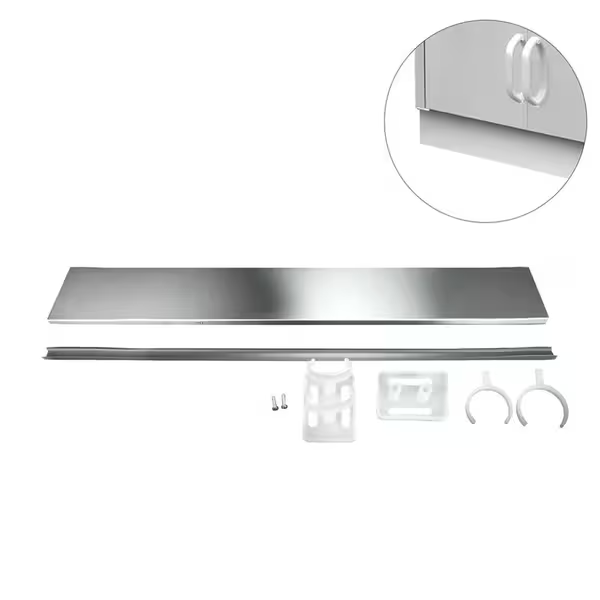
In day-to-day operations, these components directly impact workplace organization and cleaning. Height-adjustable feet help level furniture on uneven floors and establish a suitable working height. Casters are useful when work tables need to be moved regularly for cleaning, preparation, or changing production processes. Base panels, on the other hand, close off open areas at the base of the furniture and can help prevent dirt and moisture from accumulating in hard-to-reach areas.
For small kitchens, it is especially important that mobility does not come at the expense of stability. In larger production kitchens, it’s also important that multiple pieces of furniture are neatly aligned in a straight line and that pathways remain unobstructed. Accessories should therefore always be planned as part of the workspace, not as an afterthought.
When replacing equipment, the situation is usually clear: A leg is damaged, a caster no longer rolls smoothly, or a workstation needs to be made mobile retroactively. When planning from scratch, the focus is more on work height, access for cleaning, and determining which stations should be permanently fixed and which should remain flexible. In both cases, compatibility is more important than mere visual consistency.
Fixed or Mobile: Choose Based on Intended Use and Furniture Series
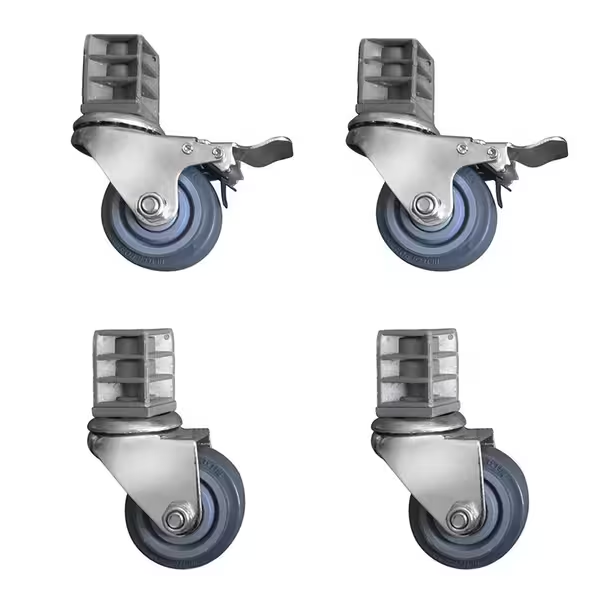
When making a selection, first check the furniture series, mounting, and dimensions. For example, a currently available set of casters for the ATK series features four casters—two of which have brakes—with a caster height of 95 mm and a 40 x 40 mm plug-in system. The specified load capacity is 250 kg; however, this model is not intended for use with foldable ATK workbenches. Such specifications illustrate why “roughly fits” is not sufficient in commercial applications.
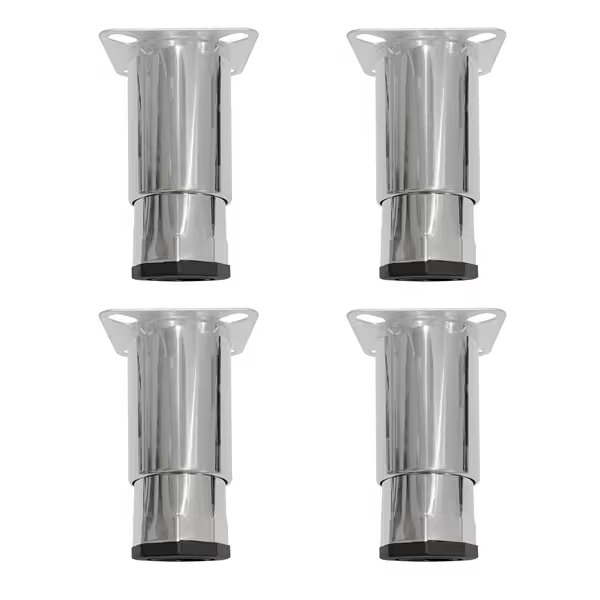
For stainless steel legs, height adjustment is just as critical as the mounting method. A currently listed model can be adjusted from 120 to 170 mm, features a 64-mm leg tube, and has a hole spacing of 60 mm. The floor-protecting glider is made of plastic, while the leg itself is made of stainless steel. This can be helpful when leveling refrigerated counters or other compatible furniture without placing unnecessary strain on the floor.
Hygiene, Materials, and Durability in Daily Use
Material and maintenance are also factors in the purchasing decision. Stainless steel is suitable for damp, frequently cleaned work areas, but should be maintained with cleaning agents compatible with the material. Harsh chlorine-based cleaners can damage surfaces. Casters and glides should be checked regularly for dirt, secure attachment, and smooth operation—especially in areas where grease, flour, or food scraps can end up on the floor. For mobile furniture, the brake should also be included in routine inspections to ensure the workstation can be securely repositioned after being moved.
Quick Check Before Making Your Selection
Before placing your order, it’s worth taking a moment to check the following:
-
Do the accessories match the furniture series and the intended mounting location exactly?
-
Do the height, width, hole spacing, and mounting dimensions match the furniture?
-
Is the load capacity sufficient for the furniture, its contents, and work materials?
-
Is a stationary setup required, or is regular mobility with brakes needed?
-
Are the materials and design suitable for cleaning, moisture, and daily wear and tear?
Combine Workstations Effectively and Plan Them Economically
The right combination depends on the workflow. Mobile work tables can be moved more easily during deep cleaning or when switching between preparation areas. Permanently mounted legs are useful when a workstation needs to be permanently positioned and precisely leveled. Base panels are particularly suitable where a closed-off furniture edge is desired and hard-to-reach cavities need to be minimized. When planning a new layout, base units for work tables and the heights of adjacent furniture should also be taken into account so that work surfaces and pathways fit together logically.
These accessories become economically relevant due to their impact on daily operations. A wobbly table, an unsuitable caster, or an incorrectly chosen height quickly leads to improvisation, extra steps, or more difficult cleaning. In contrast, the right components can support stable workstations, short setup times, and more accessible cleaning areas. Especially when replacing parts, it’s worth checking the series designation and existing dimensions before purchasing, rather than deciding solely based on the lowest unit price.
If it’s unclear which series or mounting a part belongs to, you should verify which accessory is intended based on the part number, technical dimensions, and intended use before placing an order. This reduces ordering errors and helps ensure that existing stainless steel furniture can continue to be used without unnecessary modifications.
Choose the Right Options for Smooth Kitchen Operations
Stainless steel bases, legs, and casters should therefore be selected based on compatibility, load capacity, and intended use. By clearly separating fixed and mobile areas and checking dimensions and mounting options in advance, you can create a solid foundation for efficient, predictable kitchen operations.