


Built-in counters for the food service industry and professional food service
Built-in counters integrate warming, cooling, or display functions into professional serving and counter systems in a space-saving manner. They support streamlined operations in restaurants, hotels, cafeterias, catering areas, and self-service areas. Built-in Counter Guide »



Product type
Compartment Measure
Width
Depth
Height
Price
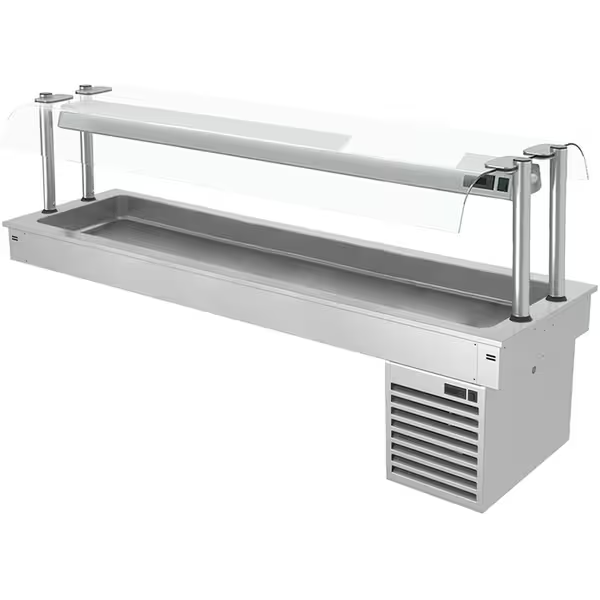
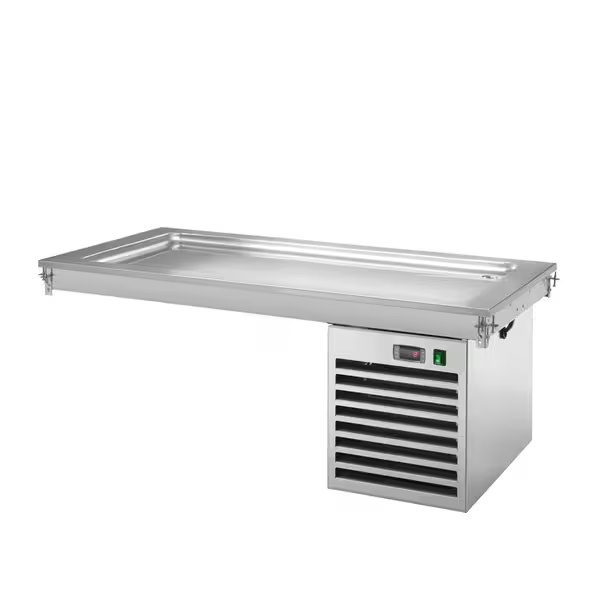
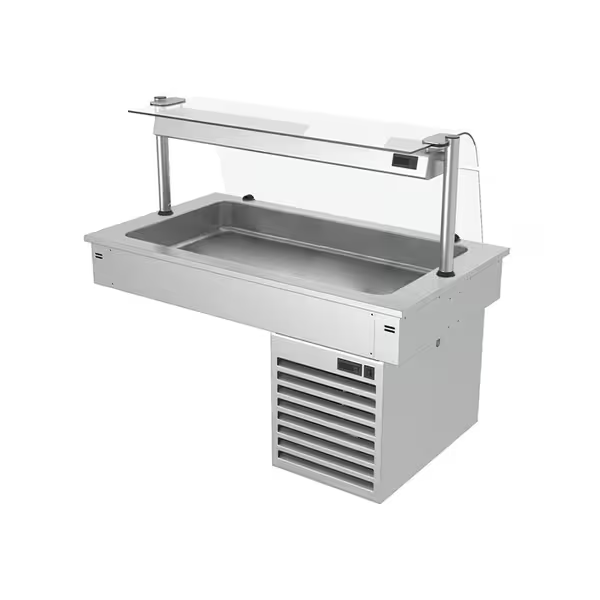
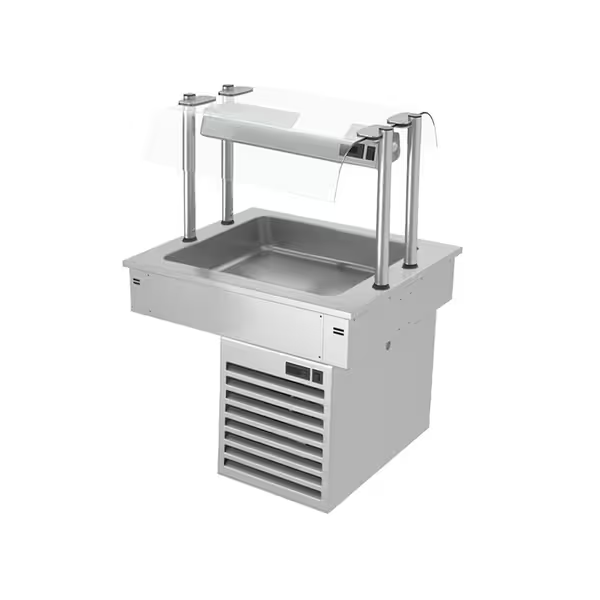
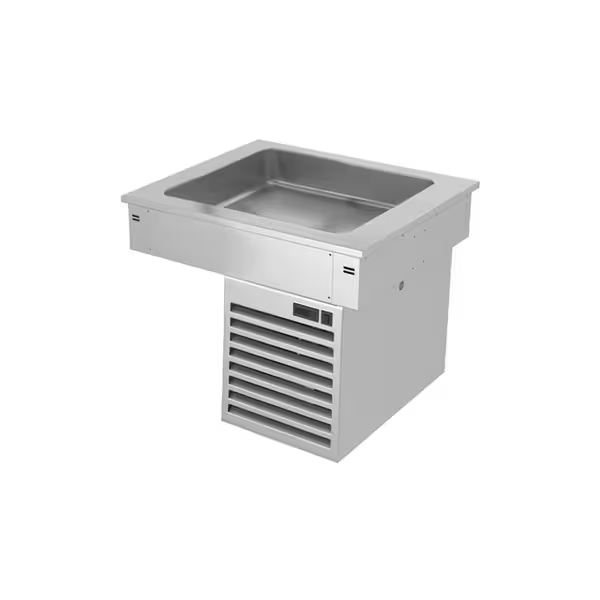
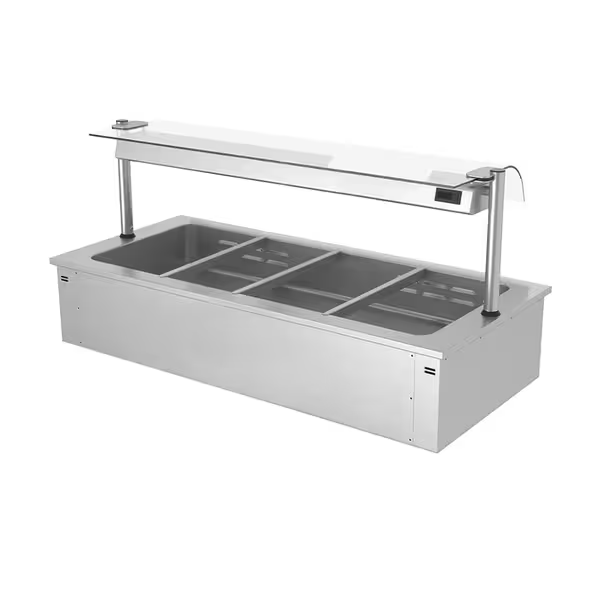
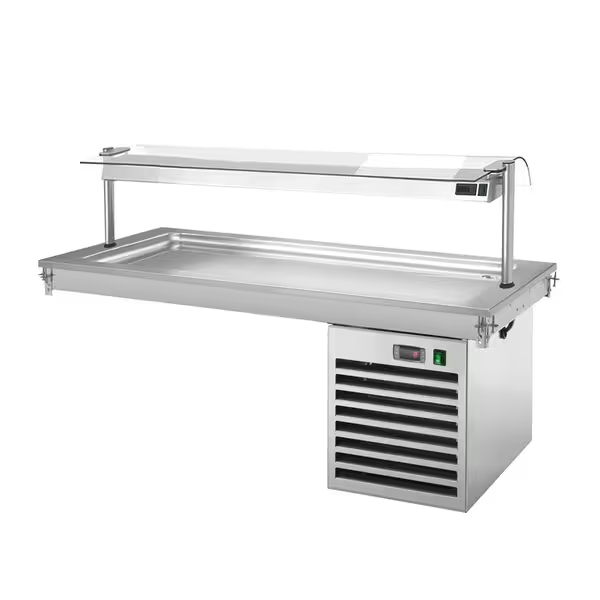
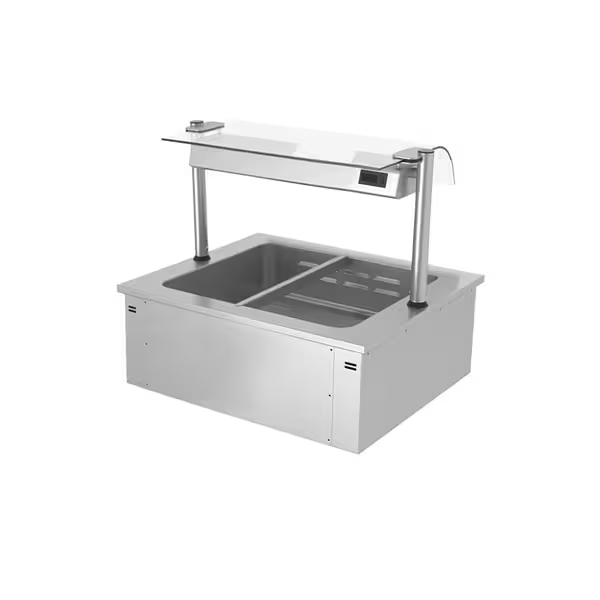
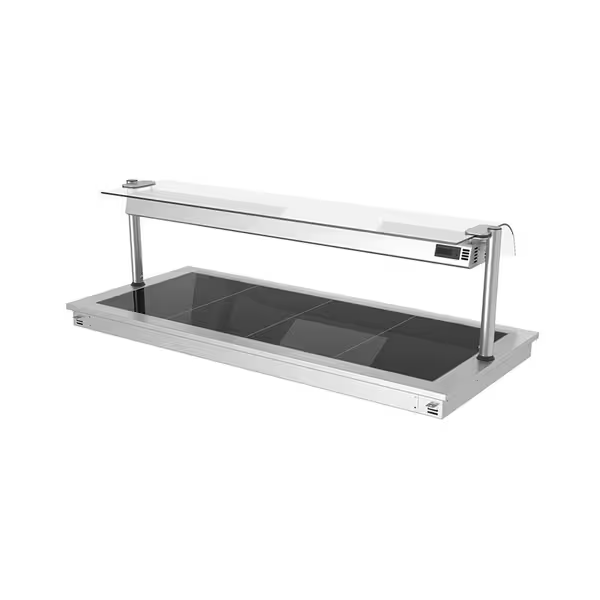
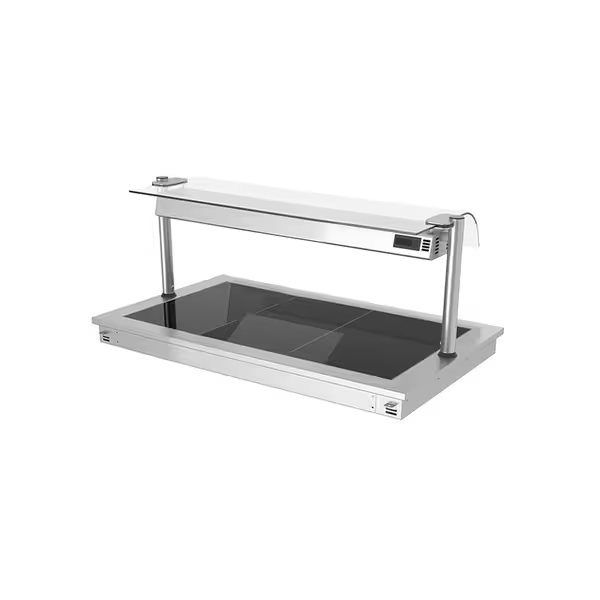
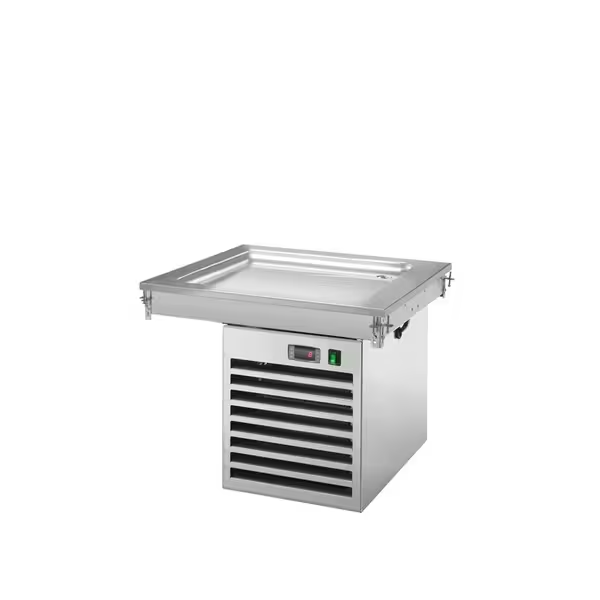
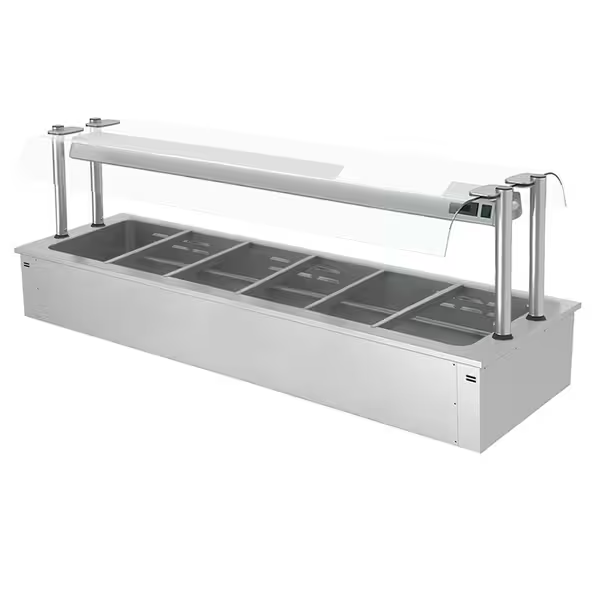
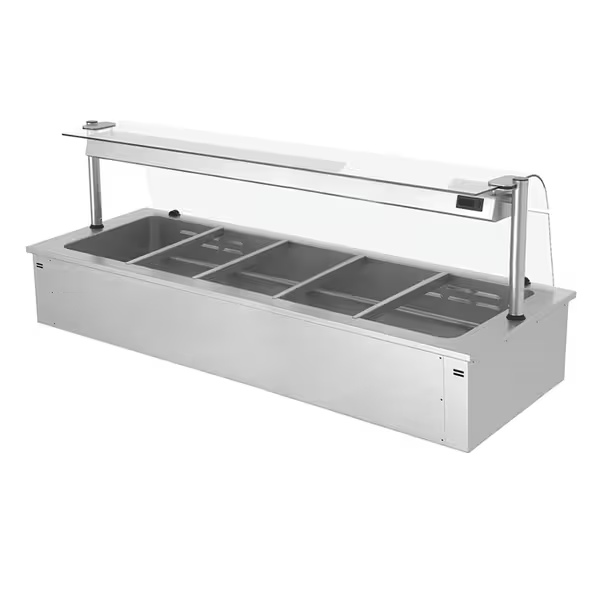
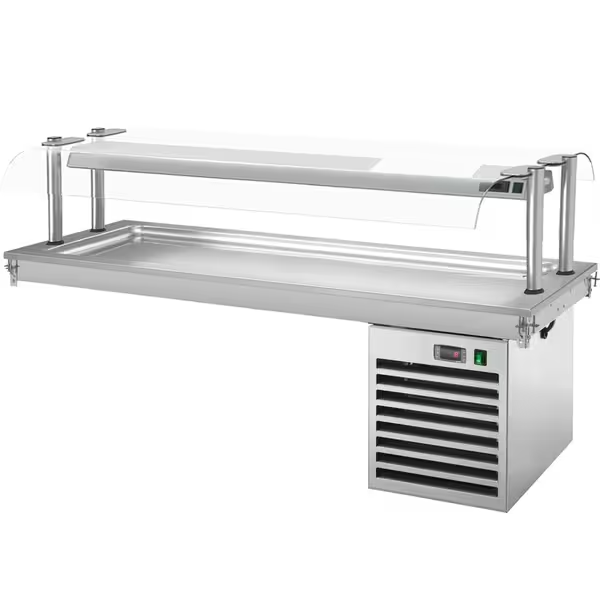
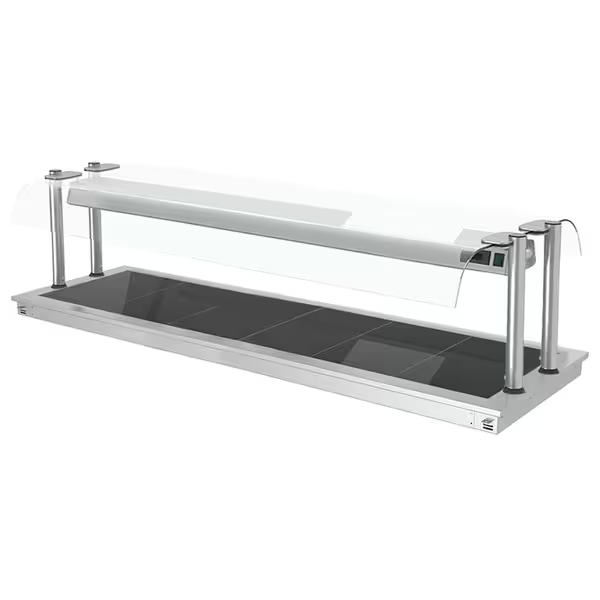
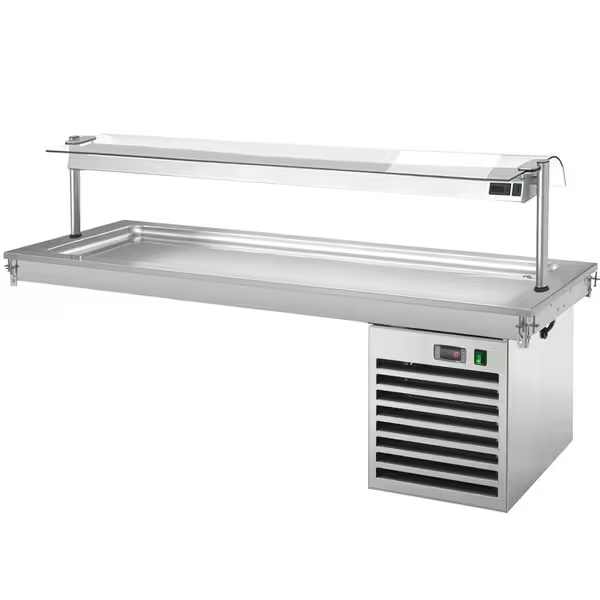
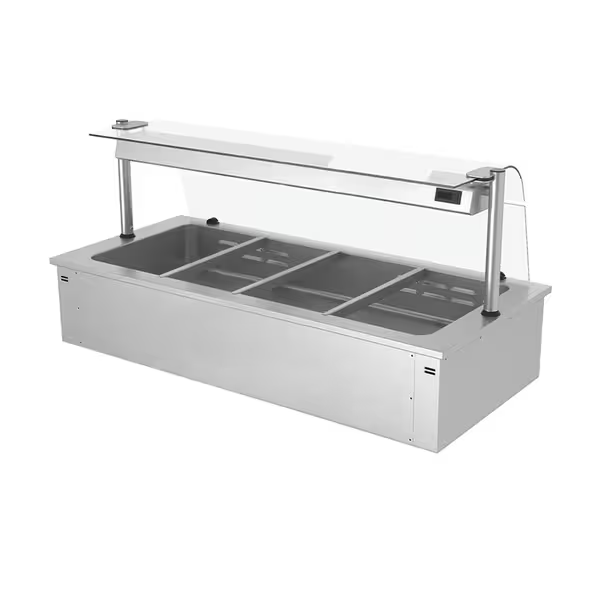
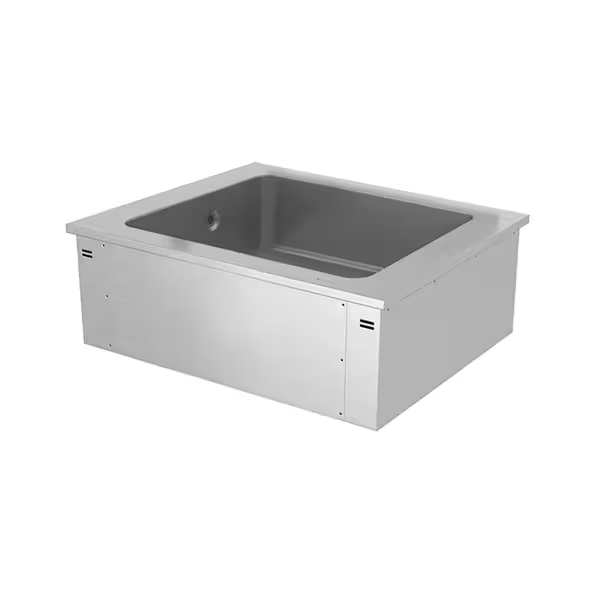
Built-in counters as fixed functional modules for serving and buffets
Built-in counters are permanently integrated functional modules for professional counter and serving systems. Depending on the model, they keep food warm, chill prepared food, or display products on ice. This is particularly relevant for restaurants, hotels, cafeterias, catering services, buffets, and self-service areas. This sets them apart from mobile or freestanding food warming and cooling units: The focus is on permanent integration into a planned counter area.
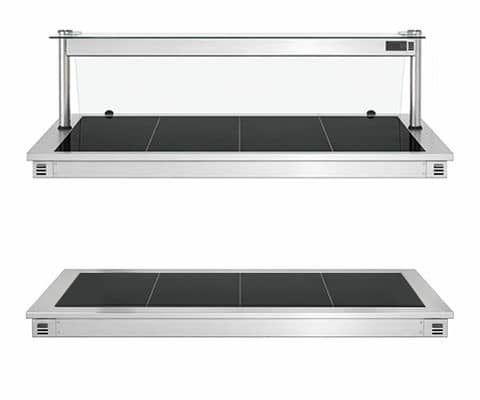
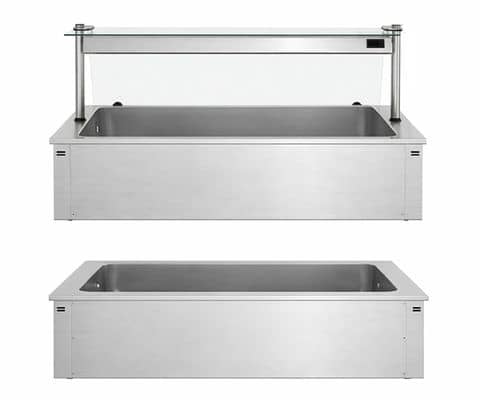
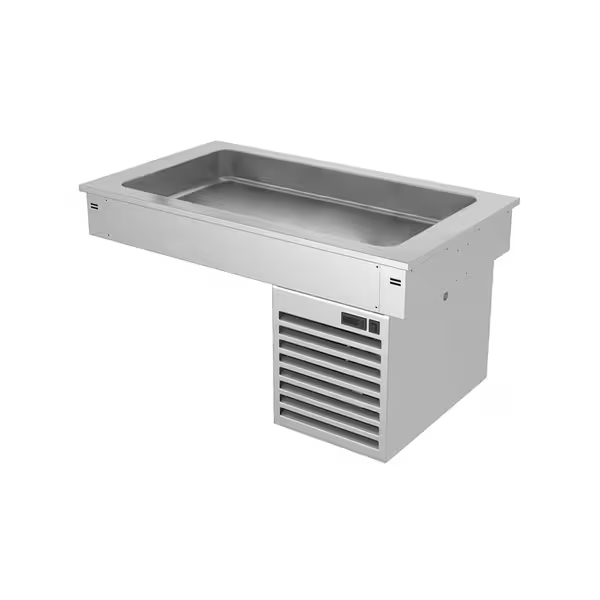
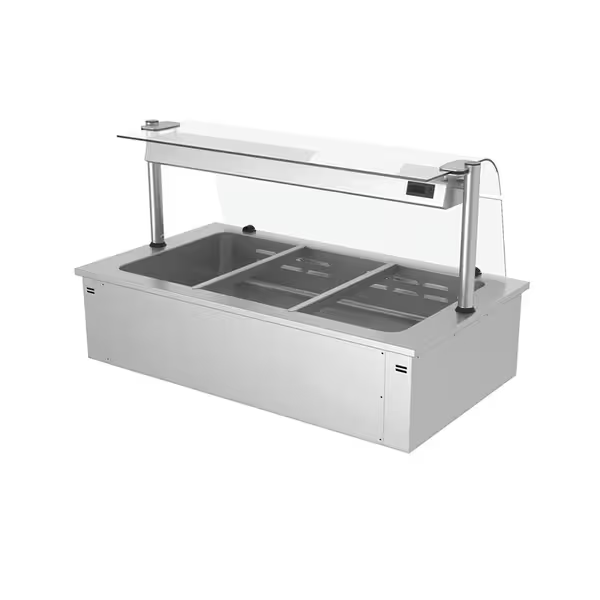
When making a selection, the primary consideration is the specific role within the process. Built-in bain-maries operate with a heated water bath and are suitable for dishes that need to be gently kept warm in GN containers. The product line includes, for example, models for 2 to 5 GN 1/1 containers with container depths of up to 200 mm and operating temperatures ranging from 65 to 85 °C. Built-in warming plates, on the other hand, are designed for direct heat retention on the heated surface and can reach temperatures of up to approximately 105 °C, depending on the model. For cold dishes, cooling tubs and cooling plates are suitable; typical cooling modules operate in the range of +2 to +8 °C. Chilling plates are designed with depths of up to about 40 mm for a flatter presentation, while chilling or ice tubs can provide depths of up to about 100 mm.
Plan Built-In Counters to Suit the Space and Workflow
When selecting a built-in counter, it’s not just functionality that matters, but also how well it integrates into the existing serving area. The width, depth, cutout dimensions, and GN capacity must align with the counter layout and expected throughput. Typical modules range from compact designs around 800 mm to wide solutions around 2100 mm; depending on the series, they can accommodate approximately 2 to 6 GN 1/1 containers.
During lunch service in a cafeteria, a larger bain-marie can keep multiple components ready at the same time and reduce the need for refills. In a smaller restaurant with a manageable service area, however, a more compact built-in solution often makes more sense because it takes up less counter space. Before installation, connection specifications and supply lines should also be clarified. Certain bain-marie models require a permanent water connection; electric heating elements and separate control panels also need to be carefully planned.
Keep hygiene and cleaning in mind during daily operations
Built-in counters are located directly in the food service and guest interaction areas. That’s why smooth, easily accessible surfaces, durable materials, and a clear cleaning routine are important. Stainless steel promotes hygienic working conditions and is suitable for regular cleaning in commercial settings. For modules with water lines, drain options facilitate daily maintenance. For open-style serving stations, glass cough guards and counter space can effectively complement the work and presentation areas.
The right container system is also crucial. GN containers should match the dimensions and depth of their respective holders so that food can be securely placed, quickly replaced, and cleanly refilled. An improper setup can unnecessarily slow down the workflow.
Quick Checklist for Choosing the Right Built-In Counter
Before making a selection, operators should consider five factors:
-
Function: Keeping food warm, active cooling, or display on ice?
-
Capacity: How many GN containers are needed simultaneously during peak hours?
-
Dimensions: Do the width, depth, and installation height fit the intended counter space?
-
Utilities: Are electricity, water (if applicable), and a drain available at the installation site?
-
Service: Are a sneeze guard, counter space, or lighting needed for the guest area?
Combine options in a cost-effective way rather than choosing them in isolation
A built-in counter works best when it’s designed to fit the entire serving process. If you’re serving hot food in GN containers, you can customize the built-in solution with matching built-in bain-maries and standardized container sizes. For plates or flat presentation surfaces, built-in warming plates are the obvious complement. In the cold section, refrigerated display cases support a clearly structured serving process when prepared items need to be kept within specific temperature ranges.
The largest built-in counter isn’t necessarily the most cost-effective option. Properly sized modules shorten distances, keep work surfaces organized, and make it easier for the team to restock and clean. At the same time, there should be sufficient capacity for peak hours without unnecessarily tying up space, power capacity, or the investment budget. For new designs and renovations, it is therefore worthwhile to start with the menu offerings, peak demand, GN system, and existing infrastructure.
Built-in counters are thus not merely decorative elements but a functional part of the food service operation. By considering temperature control, capacity, installation dimensions, connections, and cleaning requirements together, you can create a solution that is easy to manage and reliable in daily operation.