


Gas Connections for Professional Food Service Establishments
Gas connections link commercial gas appliances to the designated gas supply and are an integral part of a professionally planned kitchen installation. GGM Gastro offers gas hoses, gas outlets, and gas solenoid valves for a variety of connection requirements. Gas Connections Guide »


Width
Operation type
Power
Power Connection
Price
Gas Connections for Reliable Operations in the Food Service Industry
Gas connections include connecting elements and safety-related components used to connect commercial gas appliances to a suitable gas supply. They are required in restaurants, snack bars,hotel kitchens, and commercial kitchens when gas-powered cooking equipment is newly installed, expanded, or fitted with suitable replacement parts.
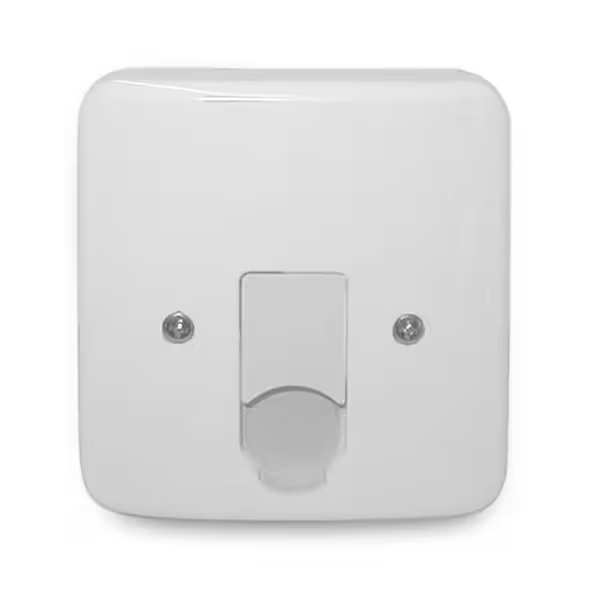
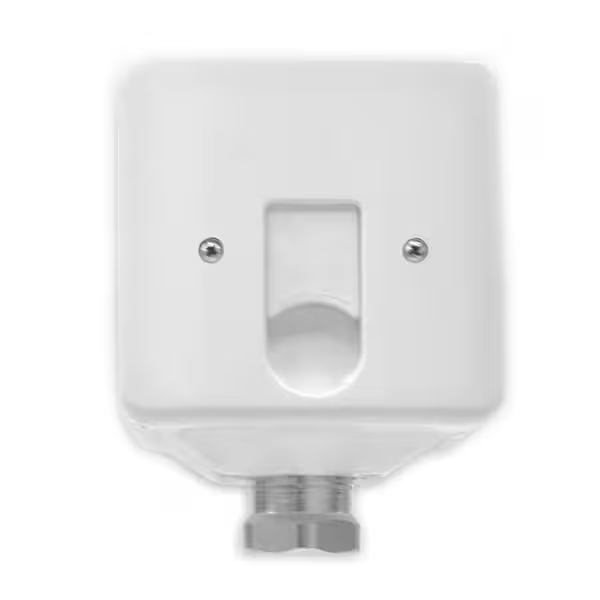
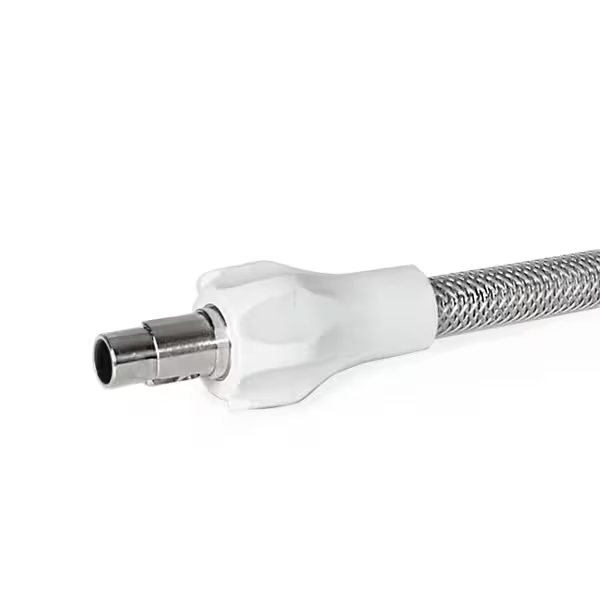
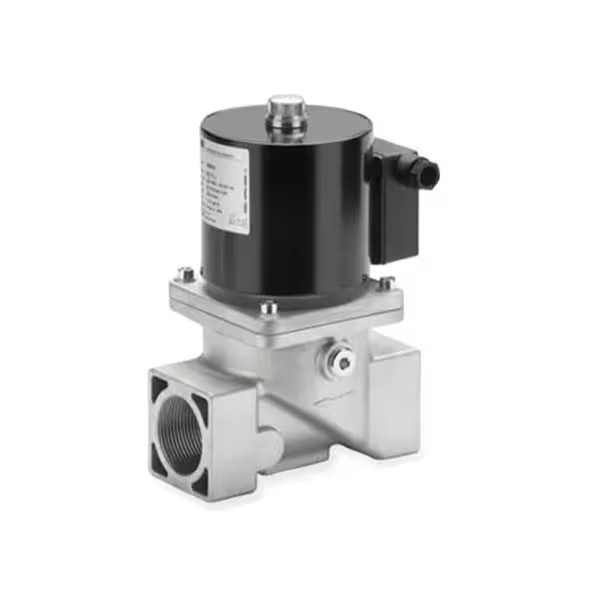
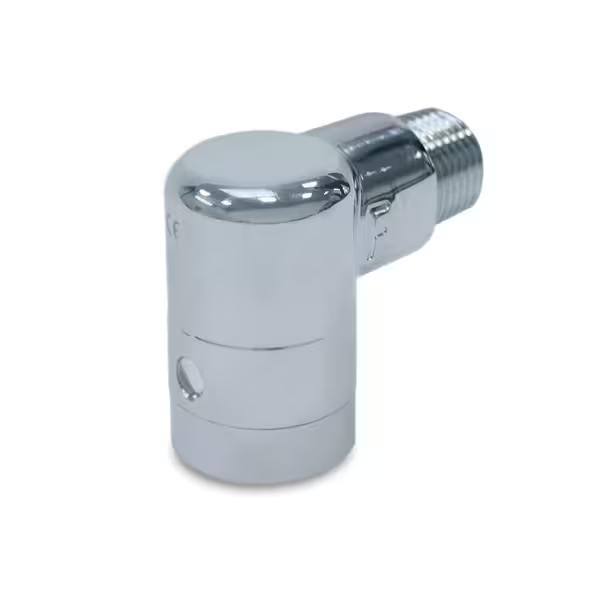
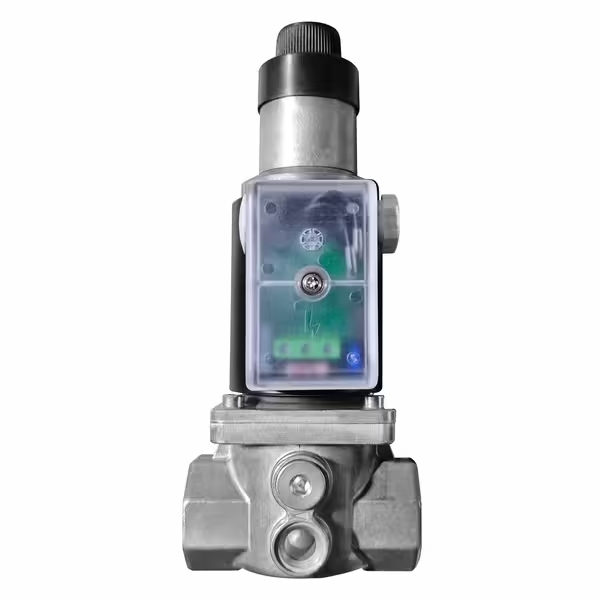
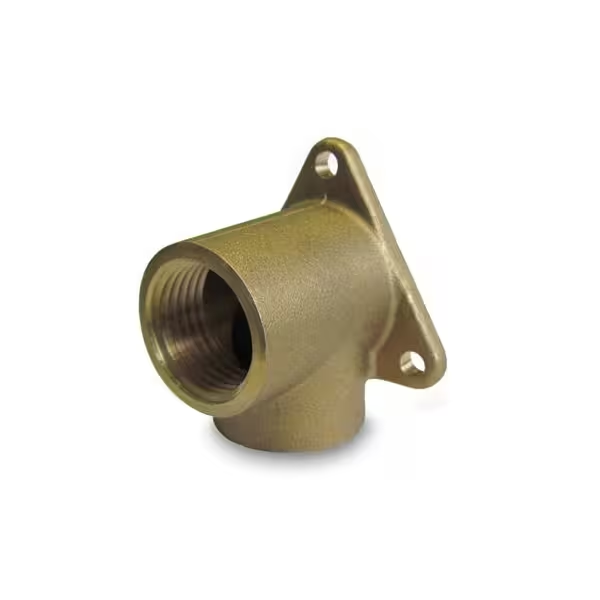
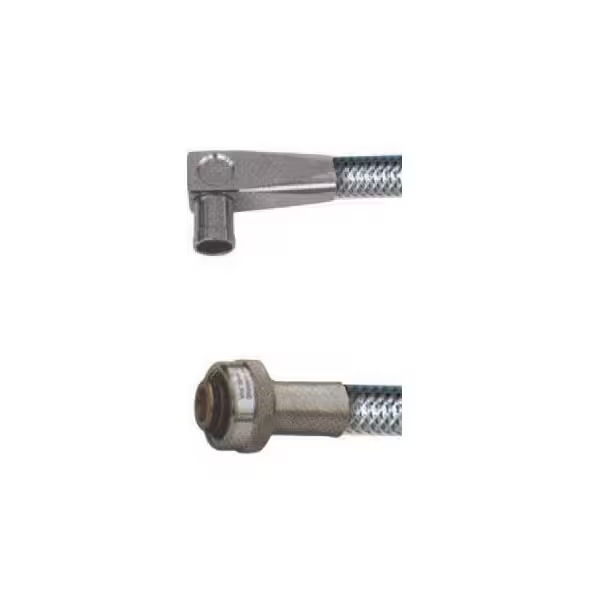
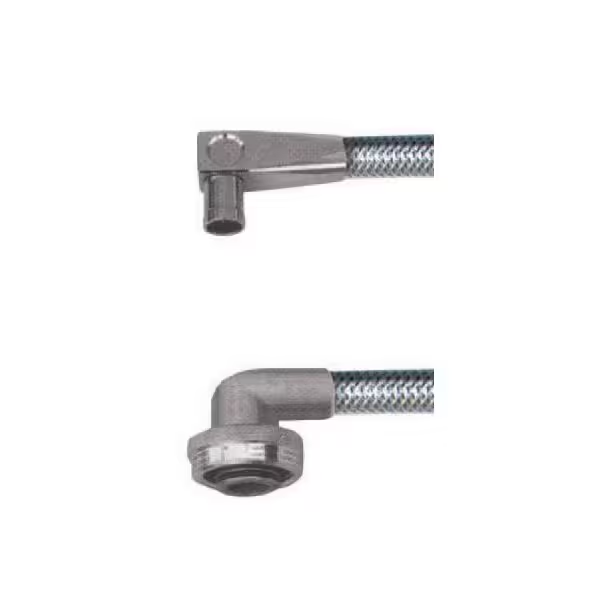
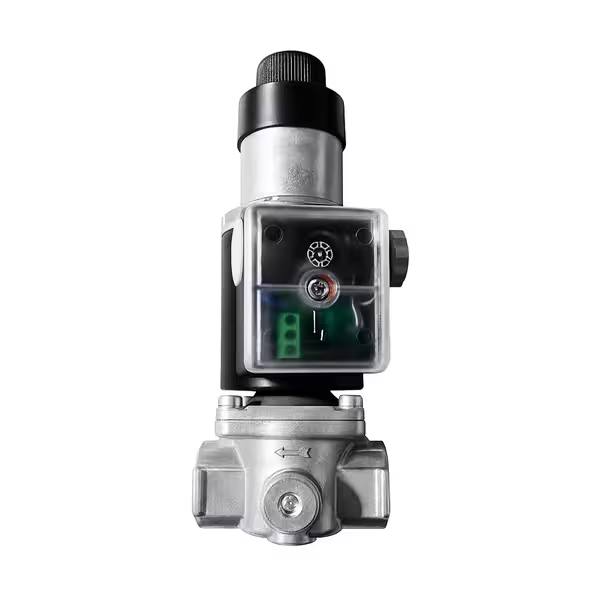
GGM Gastro offers a variety of product groups for this purpose. Gas hoses allow for flexible appliance connections, depending on the approved model. Gas outlets serve as connection points within suitable installation systems. Electrically controlled gas solenoid valves perform shut-off functions.
For operators, the correct coordination of these components is of paramount importance. A suitable gas connection supports the intended use of the appliance and helps prevent technical problems caused by unsuitable connection components right from the planning stage.
What type of connection is right for your gas appliance?
The selection process begins with the technical specifications of the existing or planned gas appliance. The most important factors are the type of gas, operating pressure, connection thread, and required gas flow rate.
First, check whether the component in question is suitable for natural gas or propane and for the intended operating conditions. Next, ensure that the connection designations on both ends match. The internal thread, external thread, and thread direction are just as important as the specific connection system.
The required design also plays a role. GGM Gastro, for example, offers gas hoses with straight and angled connections. Which variant is suitable depends on the appliance’s position and the permissible installation conditions.
The technical selection and installation should be coordinated with a qualified specialist contractor.
Plan the Hose Length and Installation Position Correctly
Space behind a cooking line is limited, especially in compact restaurant kitchens. That’s why connection points should be taken into account as early as the kitchen planning stage.
The GGM-Gastro product line includes gas hoses in lengths of 500, 750, 1,000, 1,250, and 1,500 mm. The required length depends on the actual connection routing and the manufacturer’s specifications. Unacceptable bends, tensile stress, and unfavorable routing paths must be avoided.
For gas outlets, surface-mounted or flush-mounted variants may be considered, depending on the installation concept.
Accessibility is also important. Connection areas should remain accessible for necessary inspections and maintenance work without unnecessarily restricting access routes. When expanding a production line, this makes it easier to determine where new equipment can be optimally positioned.
Consider Load Capacity, Safety, and Cleaning
In commercial kitchens, connection components are exposed to a variety of stresses. Heat, grease buildup, moisture, and regular cleaning are among the typical environmental conditions.
The materials and workmanship must therefore be suitable for the specific application. For example, gas outlets are available in versions with different housing materials. The specified material properties and permissible operating conditions are crucial.
Individual gas safety hoses from GGM Gastro are equipped with safety valves and hose rupture protection. Such features must be considered on a product-specific basis.
To ensure hygienic kitchen organization, connection points and adjacent surfaces should be designed to be easily accessible. When cleaning, follow the material and manufacturer specifications. Inspections, maintenance, and, if necessary, the replacement of safety-critical components are part of proper operational management.
Quick Check: Choosing the Right Gas Connections
Before placing an order, five points should be clarified:
-
Gas type and operating pressure: Do the permissible operating conditions match your gas supply?
-
Connection type: Do the thread designation, thread direction, and connection system match?
-
Dimensions: Are the hose length and design suitable for the intended installation?
-
Safety features: What product-specific safety features are required?
-
Installation conditions: Can installation, inspection, cleaning, and maintenance be performed properly?
Procure gas connections cost-effectively and combine them in a practical way
When making a purchase, you shouldn’t consider only the initial cost. Technical suitability, installation requirements, necessary accessories, and future replacement costs also affect cost-effectiveness.
Clear item identification is especially important when replacing equipment while the restaurant is in operation. This facilitates coordination between the operator, the purchasing department, and the service provider and can prevent unnecessary reorders.
Therefore, plan connection components together with the intended gas appliances. For larger cooking lines, the existing supply infrastructure and, if applicable, electrically controlled shut-off devices must also be taken into account.
GGM Gastro offers a range of different connection components for this purpose, as well as expert advice. The availability of individual items can be taken into account during procurement. The price-performance ratio and applicable shipping terms can also be factored into the decision.
Choose the Right Gas Connections from GGM Gastro to Meet Your Needs
Whether you’re redesigning, modernizing, or replacing equipment, it’s crucial to have a gas connection that is technically compatible with the appliance and the intended installation. Careful selection, professional installation, and accessible connection points are essential for ensuring smooth, long-term kitchen operations.