


Gloves for the Food Service Industry and Commercial Use
Gloves help ensure hygienic and safe work procedures during cleaning, food processing, and other activities in the food service industry. It is crucial to choose a material suitable for the task, the right size, and gloves with sufficient durability. Gloves Guide »
Product material
Color
Width
Depth
Height
Price


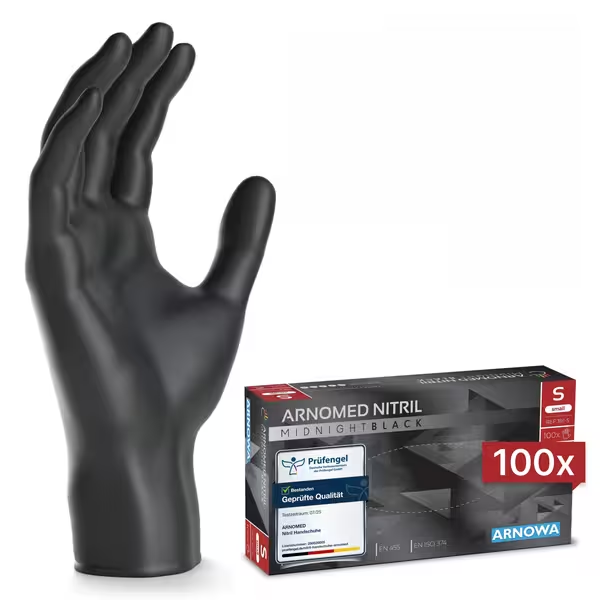








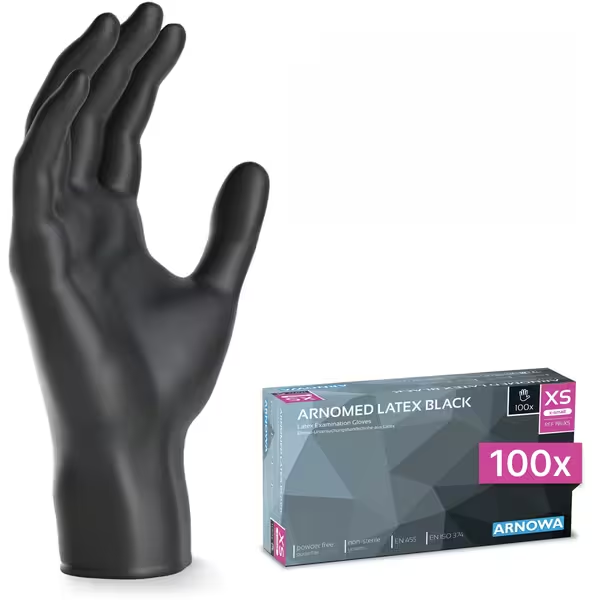
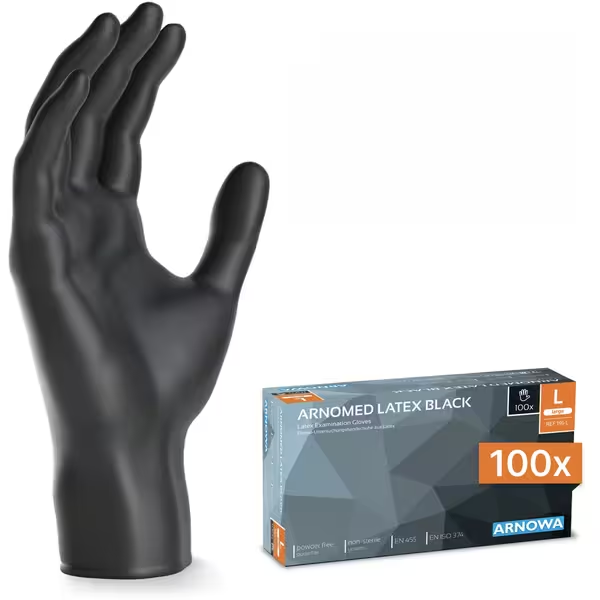
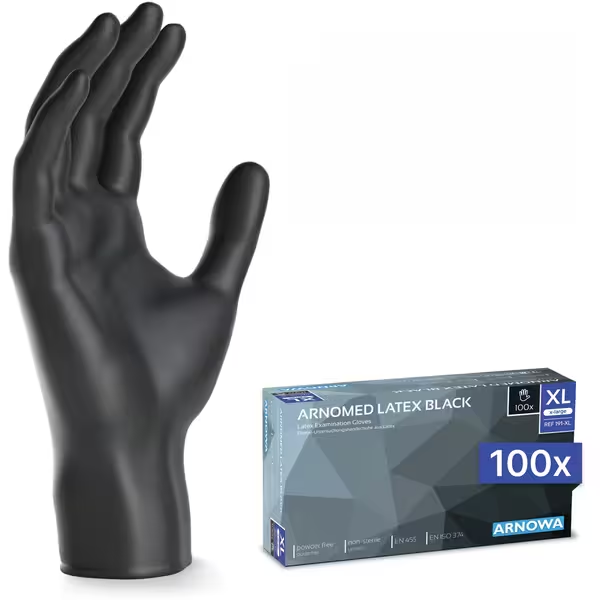
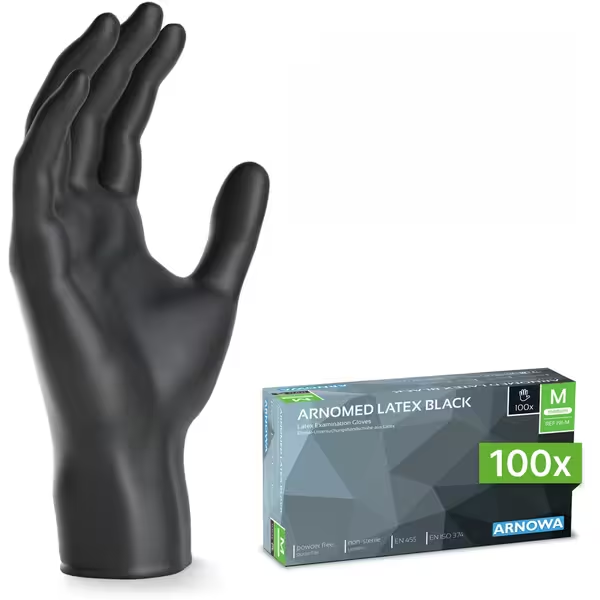
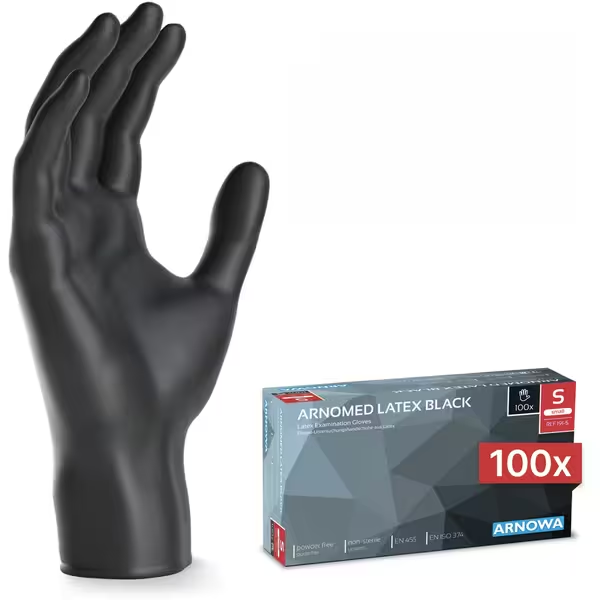
Gloves as Part of Safe and Hygienic Work Procedures
Gloves for the food service industry are work and consumable items that protect hands during specific tasks and support hygienic processes. They are used in restaurants, hotels, snack bars, commercial kitchens, catering businesses, and institutional food service settings for cleaning, food preparation, and food contact, among other tasks.
In day-to-day operations, it’s not just a matter of whether gloves are available, but whether they’re suitable for the task at hand. A thin disposable glove meets different requirements than a more durable model designed for wet cleaning tasks. The selection should therefore always be based on the actual work process.
Which gloves are right for your application?
The most important decision-making criteria include material, size, intended use, surface texture, and service life. Nitrile, latex, and vinyl, for example, differ in terms of elasticity, tactile sensitivity, and durability. For tasks that involve frequent changes in activity, powder-free disposable gloves may be a good choice, while more robust styles are needed for longer cleaning jobs.
The fit also affects workflow. Gloves that are too large can slip when gripping, while models that are too small put strain on the hands and can tear more easily. Sizes ranging from XS to XL or XXL allow for adaptation to different employees. Textured fingertips or palms can further improve grip, for example, when handling wet containers or work equipment.
Special requirements, such as heat or cut protection, should be considered separately. This requires gloves whose protective properties are specifically designed for the respective application.
Hygiene starts with proper use
Gloves are no substitute for hand hygiene. They are effective as part of a clean work process only if they are used properly, changed in a timely manner, and not carried over uncontrollably between different tasks.
A clear separation of work steps is particularly important when handling food. For example, anyone who first handles raw food and then touches ready-to-eat meals should incorporate a glove change into the process. The same applies when switching between cleaning and food preparation.
In areas around sink units and plumbing fixtures, moisture, cleaning agents, and frequent putting on and taking off of gloves also play a role. Here, the material should be suitable for the intended use and offer sufficient flexibility for repetitive hand movements.
Quick Checklist for Choosing Gloves
Before placing an order, it’s worth taking a moment to check the following:
-
What is the primary use of the gloves?
-
Are they intended for single-use or multiple uses?
-
What sizes does the team need?
-
Are grip, food contact, or enhanced material resistance required?
-
Which package size matches actual usage?
Especially with frequently used disposable gloves, package size and consumption affect cost-effectiveness. A low unit price alone is of little help if an unsuitable material tears more often or if employees have to change gloves unnecessarily frequently due to a poor fit.
Durability and Comfort in Daily Use
During peak hours, work gear simply has to function properly. Whether preparing, serving, or cleaning, there’s little time for gloves that constantly need to be adjusted or that restrict mobility. A suitable combination of material thickness, elasticity, and surface texture therefore not only provides protection but also ensures smooth workflows.
Cleaning tasks present additional challenges: moisture, grease, and cleaning chemicals can put a strain on the material. That’s why you should always check which substances and operating conditions a particular model is designed for. Longer cuffs can also be useful if you need to provide better protection for your hands and wrists against moisture.
Integrating Gloves Cost-Effectively into Operational Workflows
Professional procurement involves jointly planning consumption, areas of use, and inventory levels. In facilities with multiple shifts or highly fluctuating workload, maintaining a defined minimum stock level helps prevent short-term shortages. Storage should be dry, clean, and easily accessible, without unnecessarily blocking work surfaces.
In combination with well-organized stainless steel furniture and clearly separated work areas, gloves can be kept on hand exactly where they’re actually needed. Short distances make it easier to change gloves and support standardized hygiene and cleaning routines.
The right gloves are therefore not just an isolated consumable. When selected correctly and stocked sensibly, they support safe, clean, and well-structured processes in day-to-day restaurant operations.