


Proving Cabinets for Catering and Bakeries
Proving cabinets create controlled conditions for proving pizza, bread and other doughs in commercial settings. They support scheduled dough preparation in pizzerias, bakeries, bake-off areas and production kitchens. Find the right model for your business in our buying guide »
Price
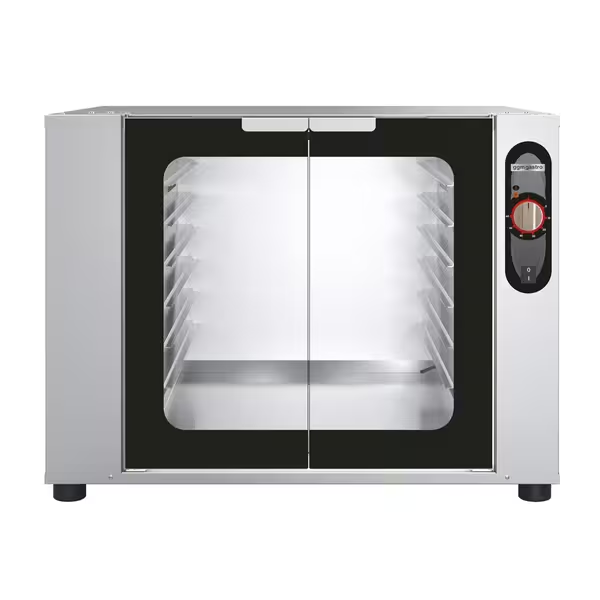
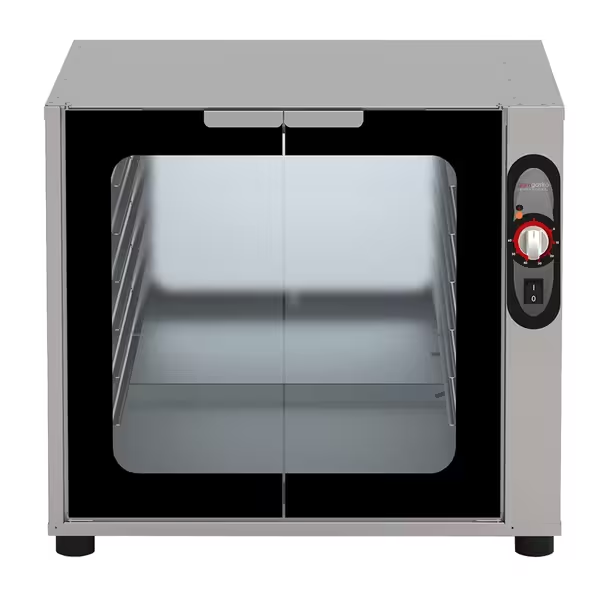
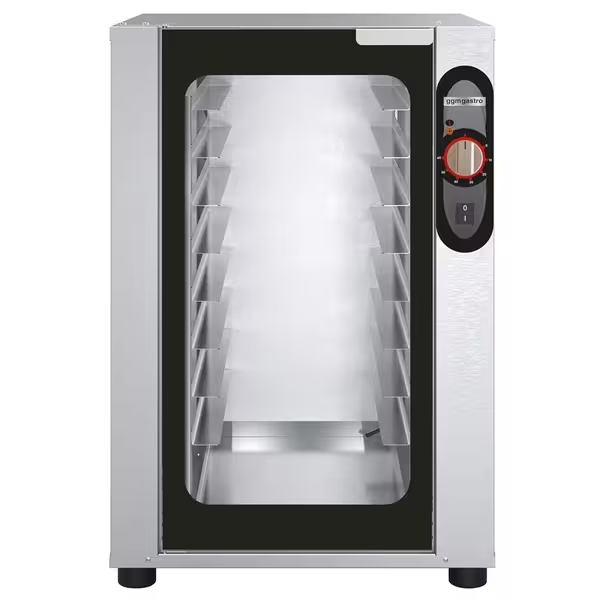
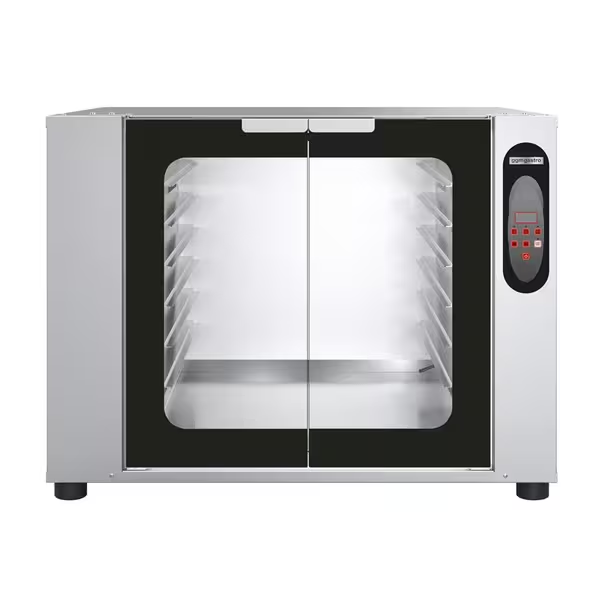
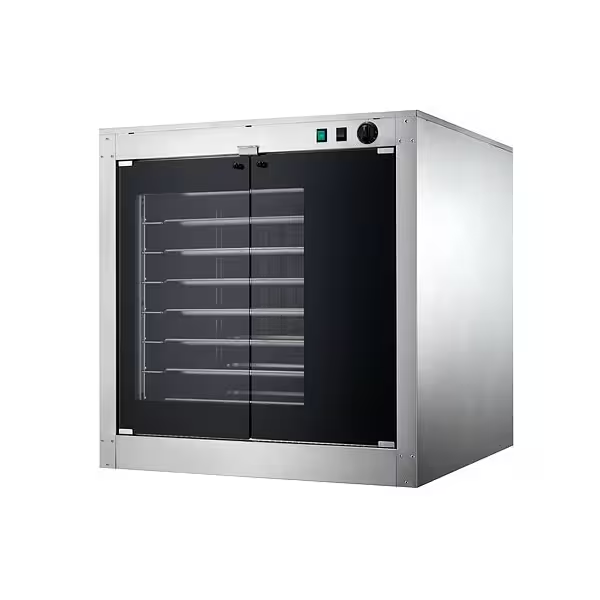
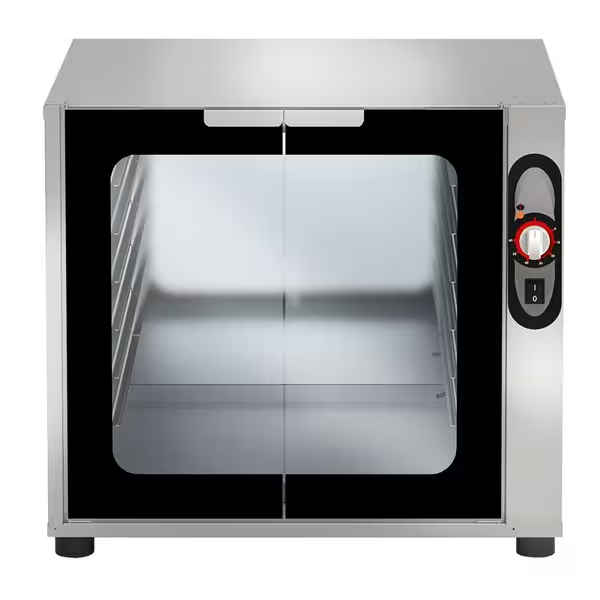
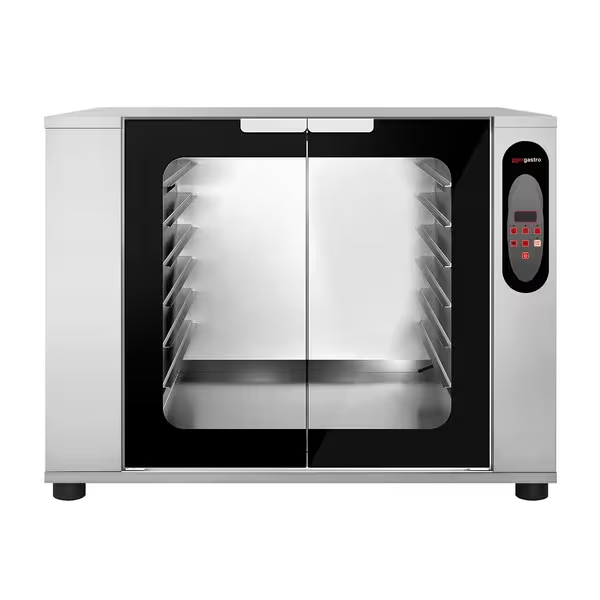
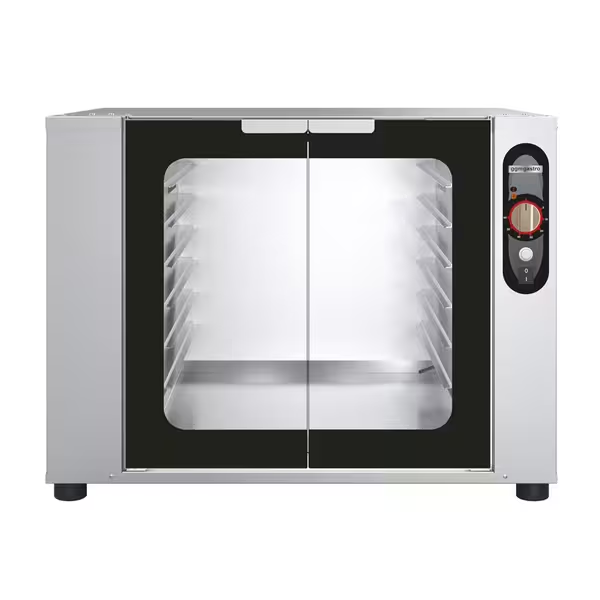
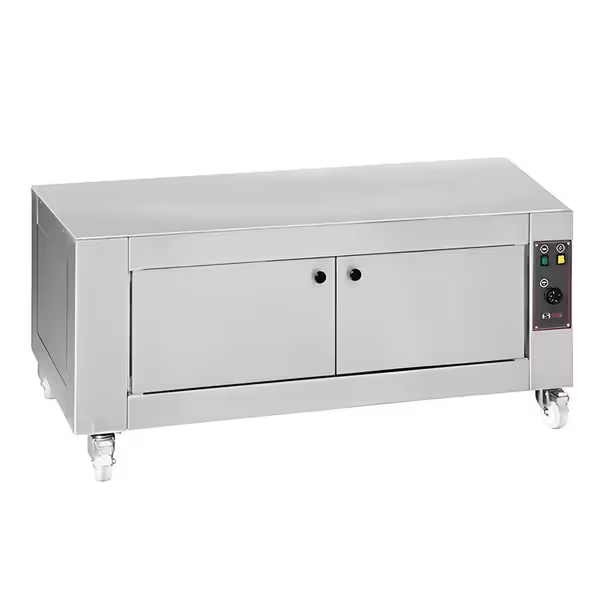
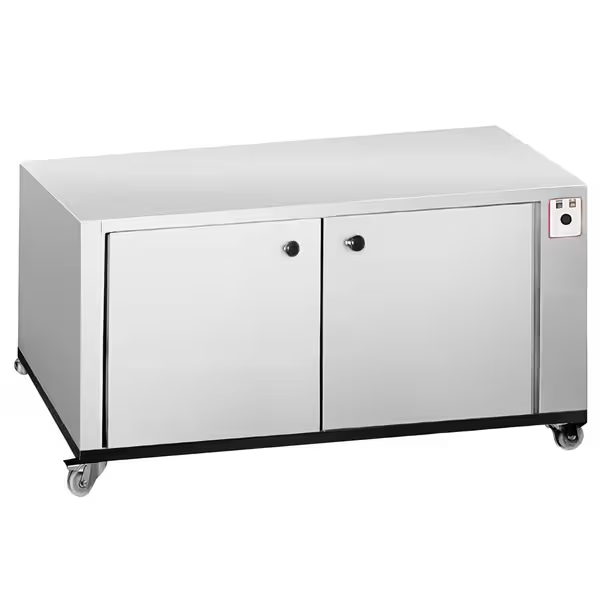
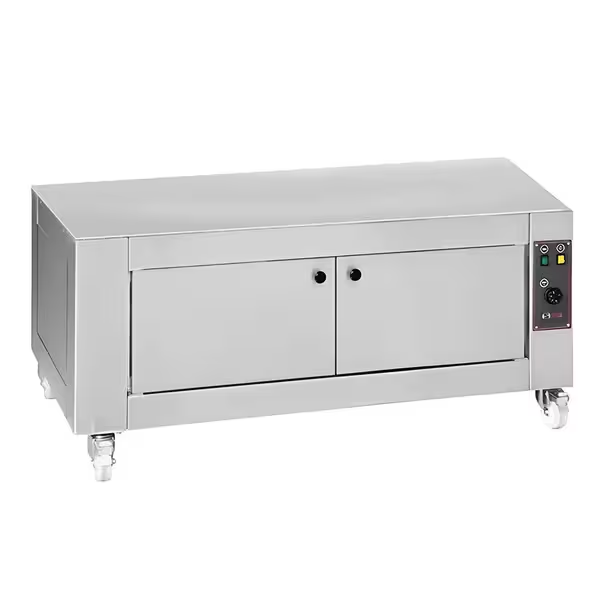
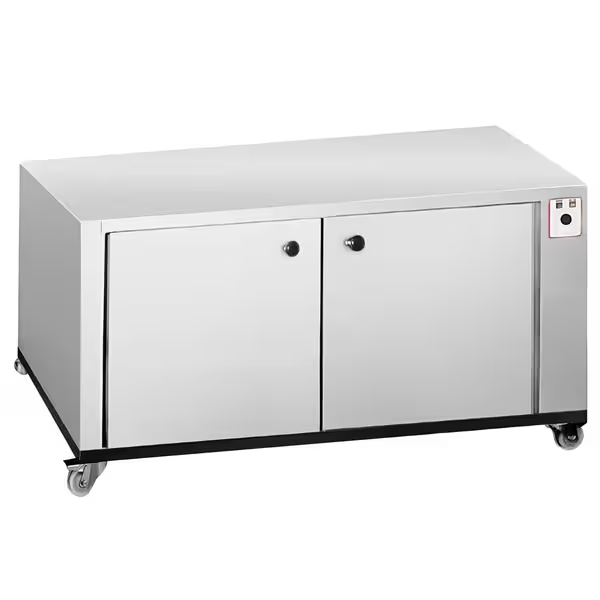
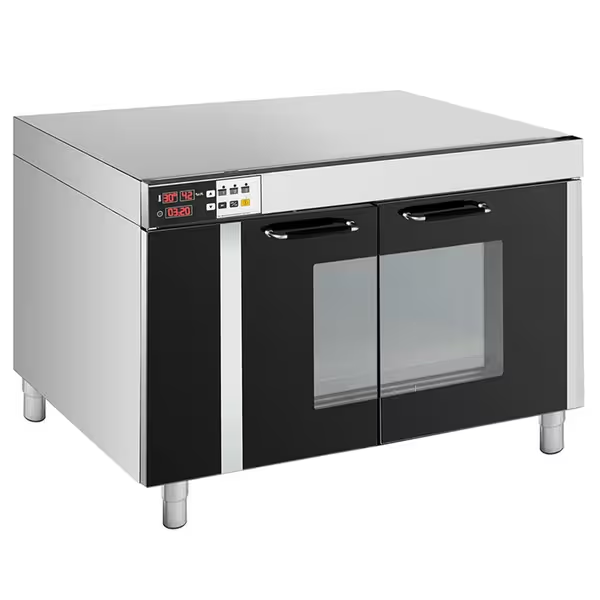
Proving cabinets for planned commercial dough production
Proving cabinets create controlled conditions for dough pieces and are mainly used in pizzerias, bakeries, bake-off areas and other businesses that regularly work with dough. They support more consistent dough development by allowing temperature and, depending on the model, humidity to be adjusted to suit the process.
In daily use, the main benefit is more predictable production. Preparing dough for lunchtime or evening peaks requires capacity and processing times that match your actual output. An undersized cabinet means additional batches, while an unnecessarily large one ties up floor space and capital. Always base your choice on real peak demand rather than the daily average.
Choose the right capacity, tray size and humidification
Several technical factors directly influence the choice of proving cabinet. Our range includes models with 8, 12 or 16 tray positions, mainly for EN 600 x 400 mm trays, alongside some GN 1/1 options. Models also differ in their manual or digital controls and in whether they use manual humidification, a water evaporation tray or automatic humidification.
Pay particular attention to:
-
Tray capacity suited to your usual batch size
-
Tray or container size, such as EN 600 x 400 mm or GN 1/1
-
Humidification method and the level of convenience required
-
Cabinet dimensions and available floor space
-
The specific model's temperature range; some versions reach 60 °C
These features need to work together. If you already use standardised trays, keep to the existing size. Matching proving capacity to your dough mixers and dough dividers and rounders is equally important. A higher-capacity proving cabinet cannot resolve a bottleneck if too little dough is prepared beforehand or there is insufficient capacity for the next stage.
Integrate proving cabinets into your workflow
In a pizzeria, a proving cabinet between dough preparation and the topping station can help establish a clearer working rhythm. If dough balls are prepared in batches for the evening rush, keep the distances between mixing, dividing, proving and further handling short. In a bakery or production kitchen, the number of trays needed at the same time often matters more than having the most compact unit.
Installation also needs careful thought. Alongside external dimensions, consider door clearance, access and enough room to load and unload trays safely. Always check the specific model's electrical and technical requirements before ordering. Suitably sized bakery deck ovens can help maintain a coordinated production flow at the subsequent baking stage.
Hygiene and care in a warm, humid environment
Proving cabinets operate with heat and moisture. Accessible interiors, durable tray runners and easy-to-clean surfaces are therefore particularly important in daily use. Stainless steel supports a hygienic working environment, but consistent cleaning remains essential.
Remove dough residues, flour deposits and condensation regularly. For cabinets with humidification, include water evaporation trays, water channels and adjacent surfaces in the cleaning routine. Suitable cleaning products and the manufacturer's instructions help prevent unnecessary damage to surfaces and components. Good access reduces cleaning effort and makes routine visual checks easier.
Plan for value beyond the purchase price
A suitable proving cabinet is particularly useful when it stabilises an actual production process: sufficient capacity at busy times, compatible tray sizes, straightforward controls and a position that avoids extra walking. This can simplify teamwork and reduce unnecessary interruptions.
A compact manual model may be sufficient for smaller businesses producing a few predictable batches. Digital controls and more extensive humidification functions may be more useful where quantities change frequently or greater operating convenience is needed. Base the choice on how your business will use the cabinet. When replacing equipment, also assess delivery availability, spare parts and accessible advice, as downtime during dough production can lead to further costs.
Proving cabinets as part of a coordinated dough production setup
Plan proving cabinets alongside the stages before and after them, while keeping equipment functions distinct. The separate bakery retarder provers category covers timed refrigeration and retarding processes.
Checking capacity, tray size, humidification, temperature range and installation space before buying provides a sound basis for predictable dough production. Your proving cabinet can then become a well-integrated part of daily production.