


Commercial Pasta Cookers for Professional Catering
Pasta cookers allow controlled, parallel cooking of pasta and other noodles in professional kitchens. Different designs, tank sizes and connection types offer the right solution for small takeaways as well as restaurants, hotels and large-scale kitchens. Find out which pasta cooker suits your service in our buying guide »
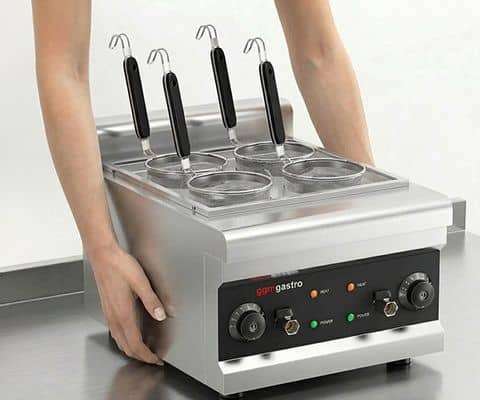


Product type
Building depth
Width
Operation type
Design/Equipment
Capacity
Baskets
Maximum Temperatur
Power
Power Connection
Price
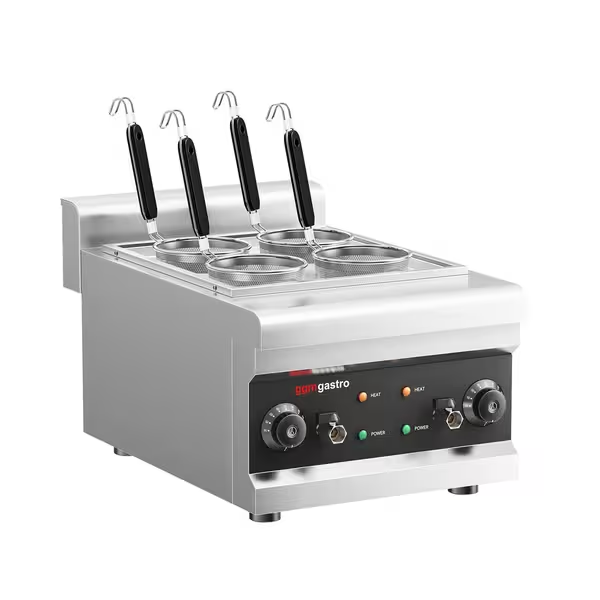
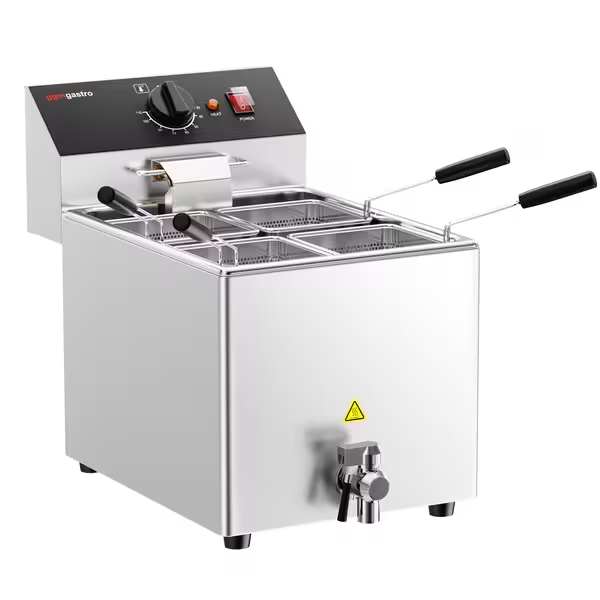
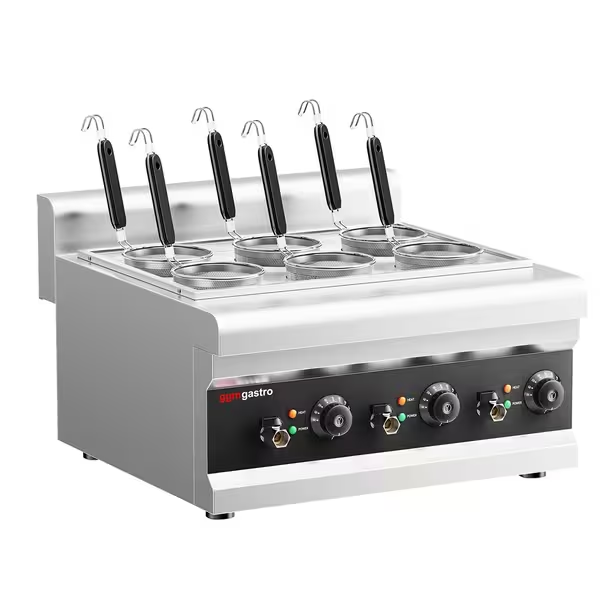
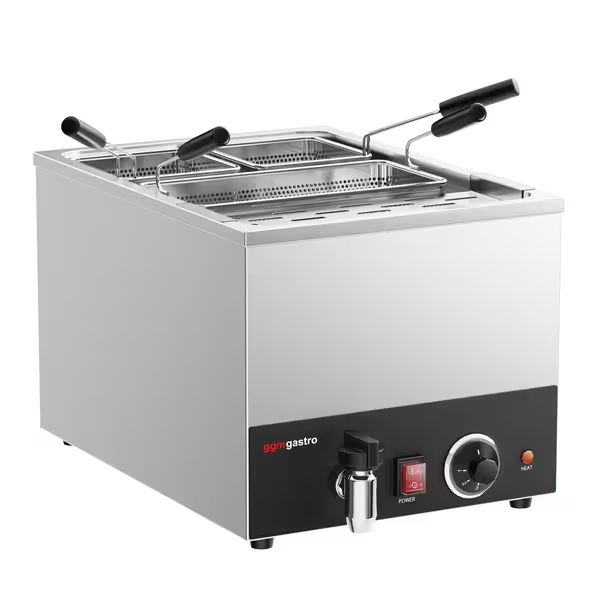
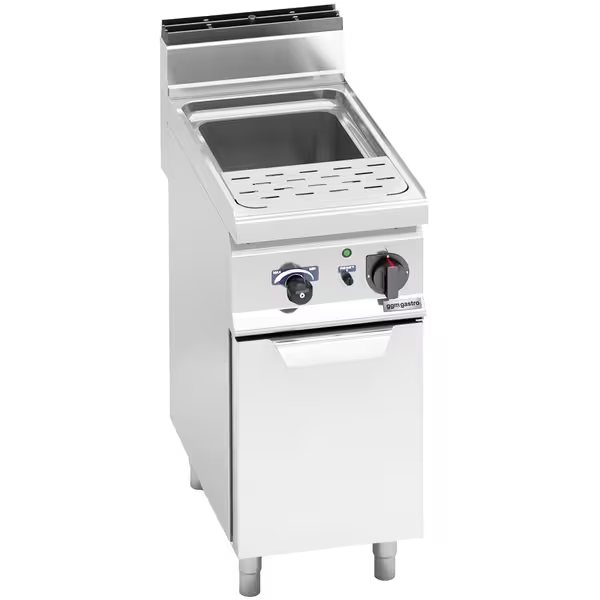
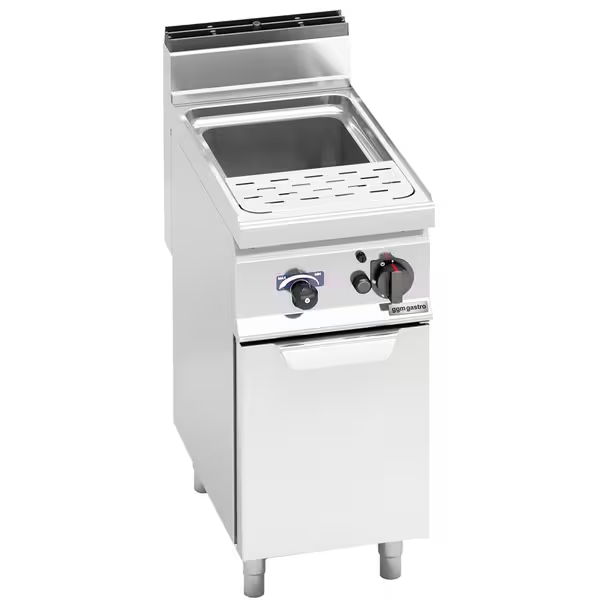
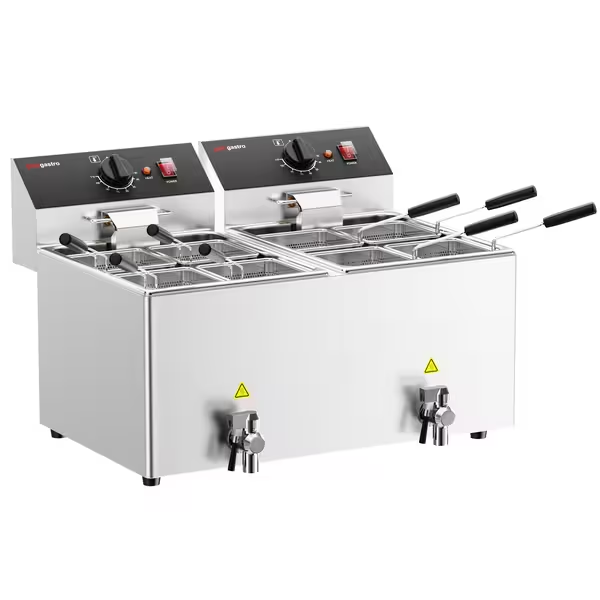
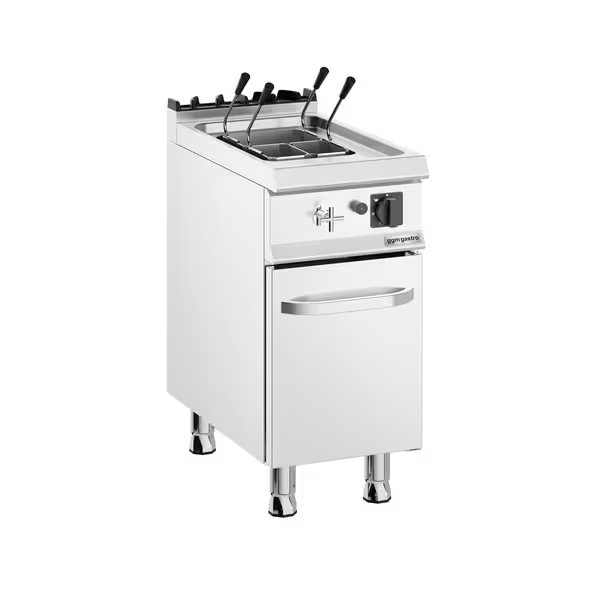
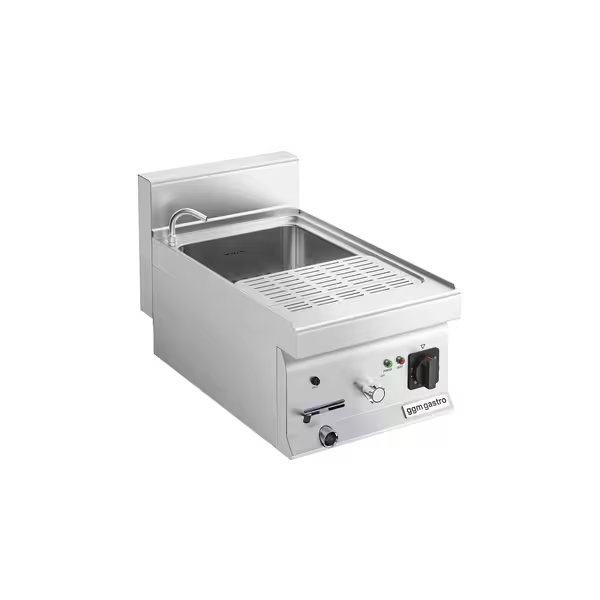
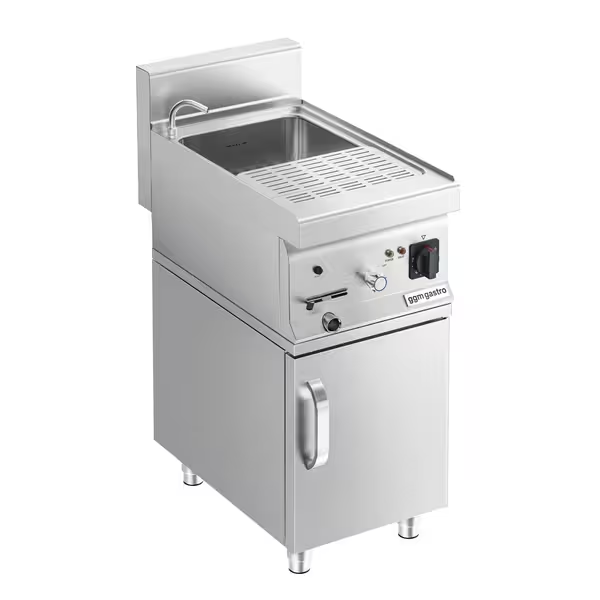
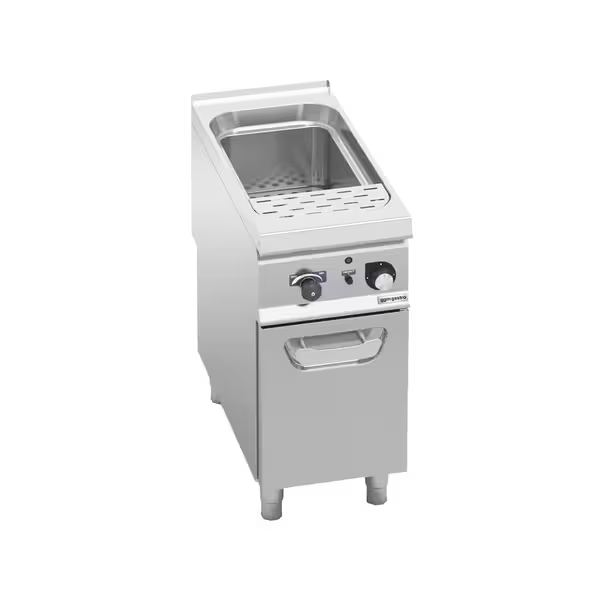
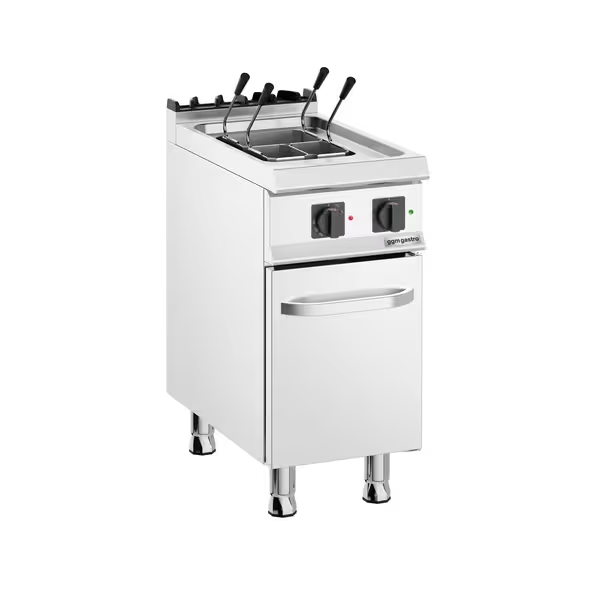
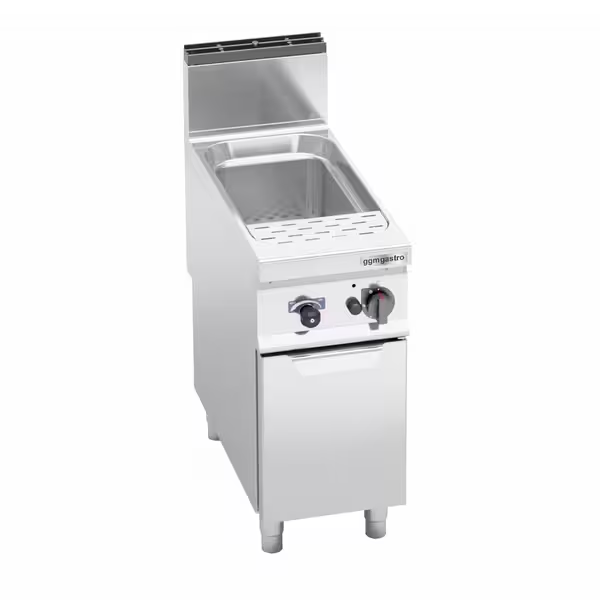
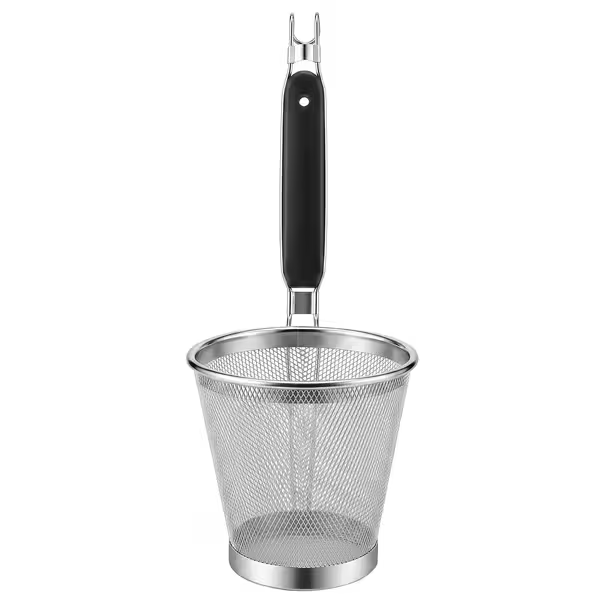
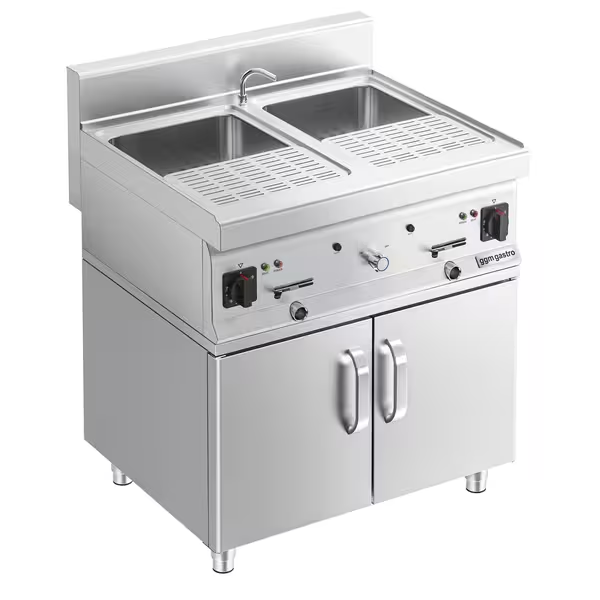
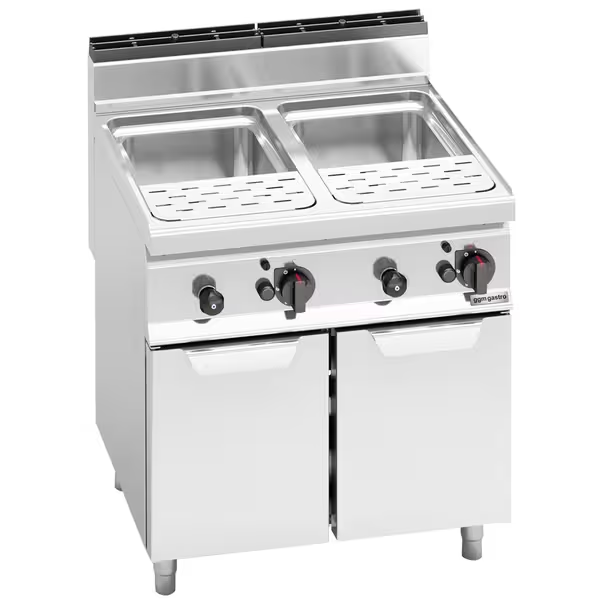
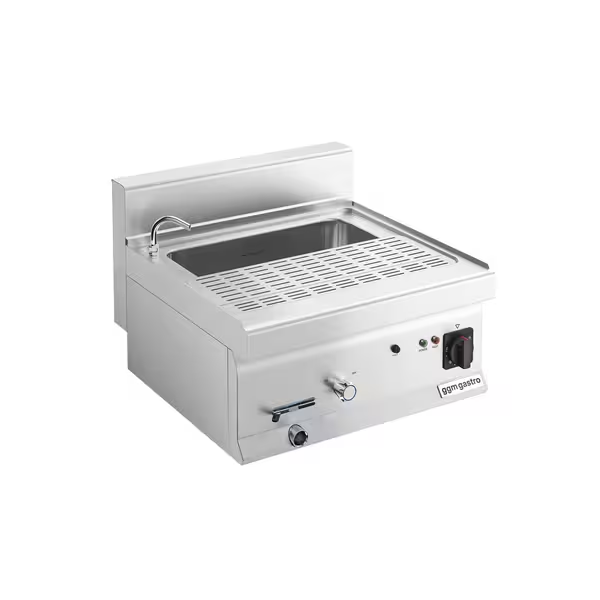
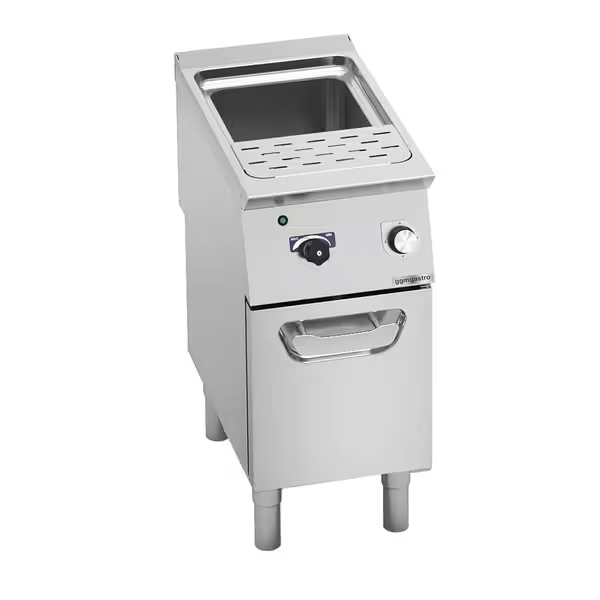
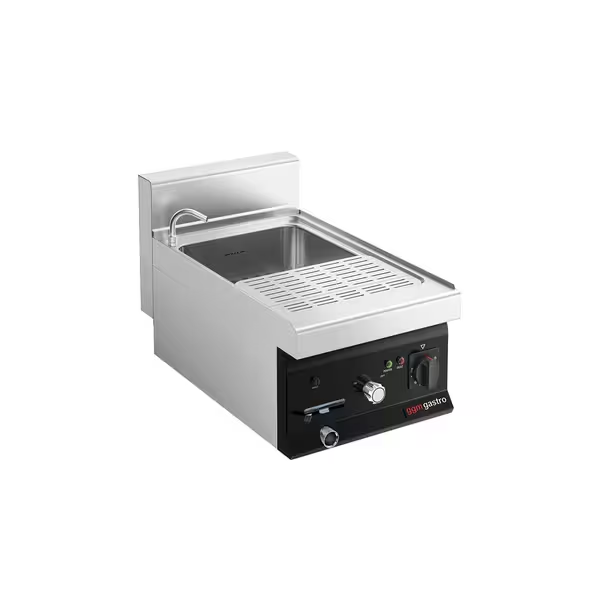
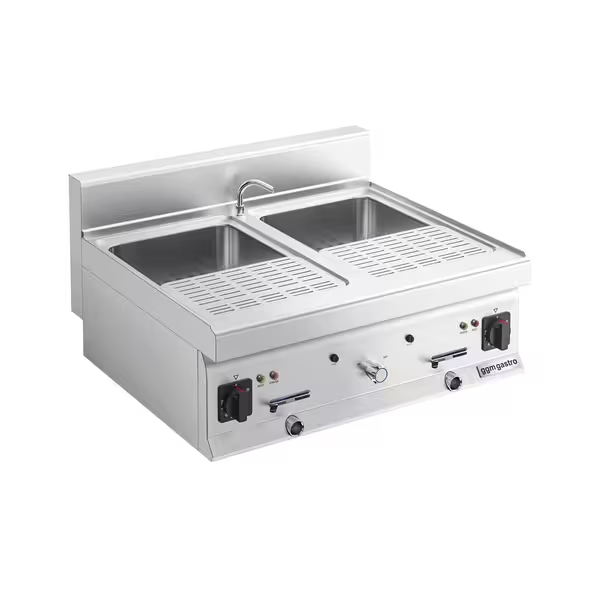
Pasta cookers for fast, predictable cooking
A pasta cooker is a professional cooking appliance in which pasta and other suitable noodles are cooked portion by portion in heated water tanks. Removable cooking baskets let you prepare several portions or pasta types with different cooking times in parallel.
In a restaurant, bistro, hotel or contract catering operation, a commercial pasta boiler supports a steady production rhythm. Instead of monitoring several pots on the range, individual portions can be put in, lifted out and drained separately. Especially during lunch service or with a high number of similar orders, this way of working creates a better overview at the cooking station.
A compact pasta cooker can also make sense for smaller businesses. Portable countertop units need little space and complement an existing cookline when pasta is offered regularly but not in very large quantities.
Choosing design and output to suit your business
Countertop, freestanding and built-in units differ not only in their dimensions. They are designed for different workloads and kitchen concepts. A countertop unit is suitable for limited space, seasonal menus or an additional production station. Freestanding units usually offer larger tanks, more power and storage or technical space in the base. Built-in pasta cookers can be permanently integrated into existing modular cooking suites.
The following features are particularly relevant when choosing:
-
number and capacity of water tanks
-
size and layout of the pasta baskets
-
connection type: 230 V, 400 V or gas
-
output and required heat-up time
-
water inlet, overflow and drain tap
The right capacity depends on peak demand, not just on average daily requirements. If different pasta dishes are ordered within a short time, several small portion baskets make separate monitoring easier. For larger, uniform production volumes, large baskets or a higher tank capacity can be more practical.
Organising routes and kitchen space sensibly
The pasta cooker should be positioned where prepped pasta, sauces, crockery and the service point are within easy reach. Long routes between refrigeration, cooking station and pass cost time with every order. Combining it with nearby refrigerated bases can keep prepped ingredients available directly at the station.
For safe installation, unit dimensions, clearance and existing connections must match. For units with a fixed water connection and drain, check early on whether water supply and waste water are available at the intended position. Portable electric units offer more flexibility but also need an adequately protected power supply.
A stable worktop next to the unit makes it easier to set down and drain the baskets. Suitable stainless steel furniture provides hygienic, heat-resistant and easy-to-clean landing space.
Stainless steel, cleaning and durability in everyday kitchen use
Pasta cookers are constantly exposed to moisture, heat, starch deposits and frequent cleaning intervals. Stainless steel surfaces support hygienic use because they are robust, corrosion-resistant and comparatively easy to care for. Easily accessible tanks, removable baskets and a drain tap simplify emptying and cleaning after service.
Starchy cooking water can leave residue on tanks, heating surfaces and overflows. Regular cleaning therefore not only maintains hygiene but also supports reliable heat transfer. Units with rounded interiors and few hard-to-reach edges reduce manual effort.
The route to the wash-up area is also relevant for the daily cleaning routine. Cooking baskets and accessories can be processed more efficiently when suitable sink units and landing space are close at hand.
Quick check for choosing equipment
Five operational key points help before you decide:
-
How many pasta portions are needed in your busiest hour?
-
Do you offer several pasta types with different cooking times?
-
Are floor space and power ratings at the planned location sufficient?
-
Is a fixed water supply and drain wanted or required?
-
How quickly can tanks, baskets and drain areas be cleaned?
Planning cost-effectively instead of deciding on purchase price alone
A correctly sized pasta cooker can stabilise workflows because portions are clearly separated, cooking times controlled and cooking zones on the range freed up. This makes teamwork easier and reduces improvisation during very busy service periods.
Units that are too small, on the other hand, quickly lead to waiting times and frequent reloading. Oversized models take up more space, energy and investment budget without being used accordingly day to day. A solution whose capacity matches the menu, order volume and existing kitchen structure makes economic sense.
Finding the right pasta cooker for everyday operation
What matters is design, connection, tank capacity, basket layout and actual utilisation at peak times. If the pasta cooker is also sensibly integrated into prep, refrigeration, service and cleaning, the result is a dependable workstation for consistent, predictable cooking processes.