


Pizza Dough Rollers & Pizza Presses for Commercial Kitchens
Pizza dough rollers and pizza presses shape portioned pizza dough to a defined thickness and size. They help pizzerias, restaurants and delivery businesses maintain consistent workflows during preparation and busy periods. Find the right machine for your pizza kitchen in our buying guide »

Product type
Power Connection
Dough Weight
RotationS per minute
Price
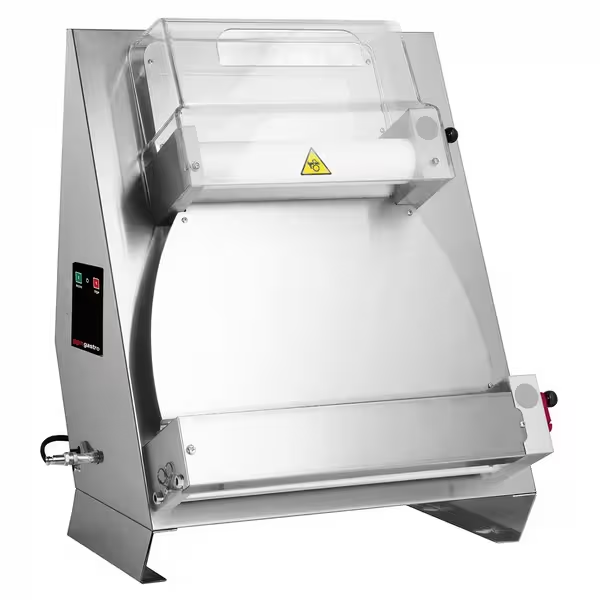
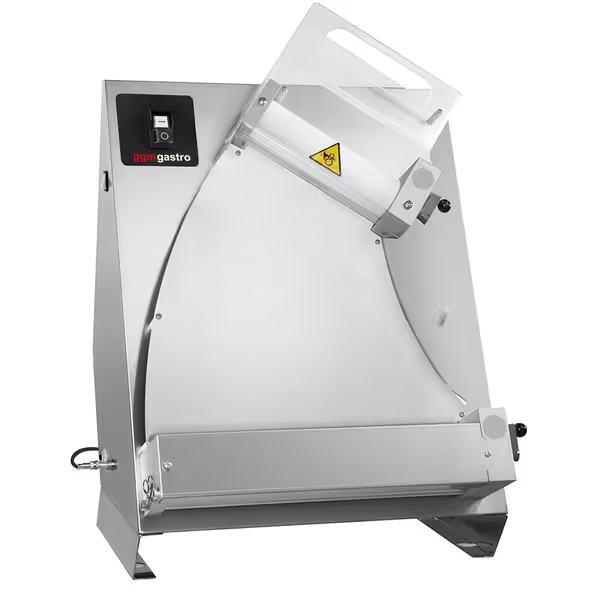

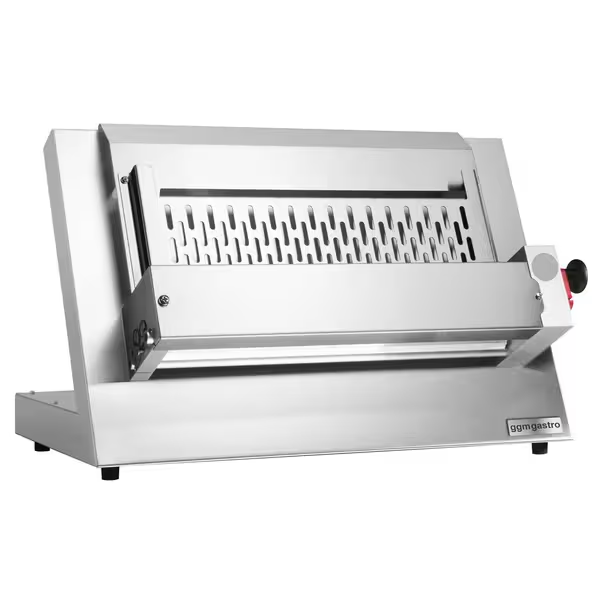
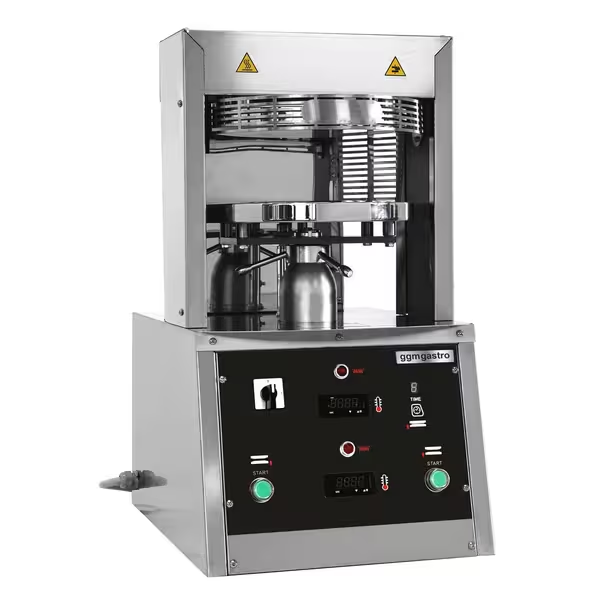
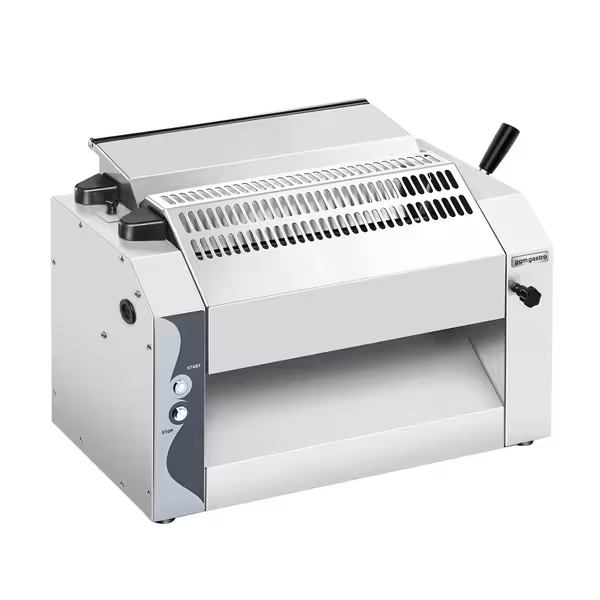
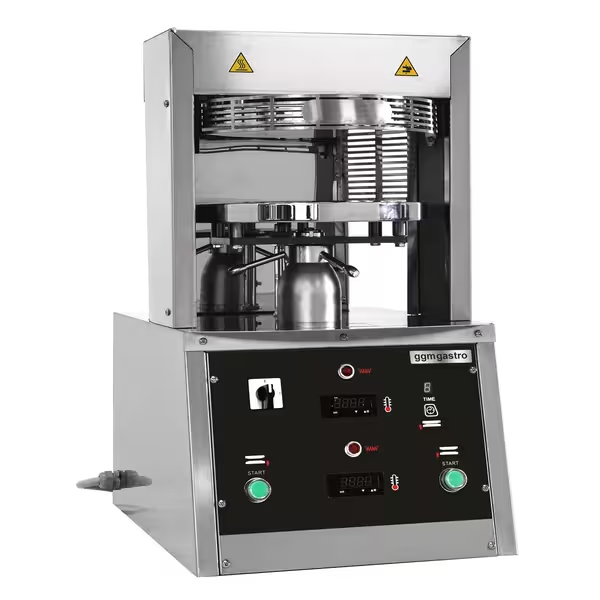
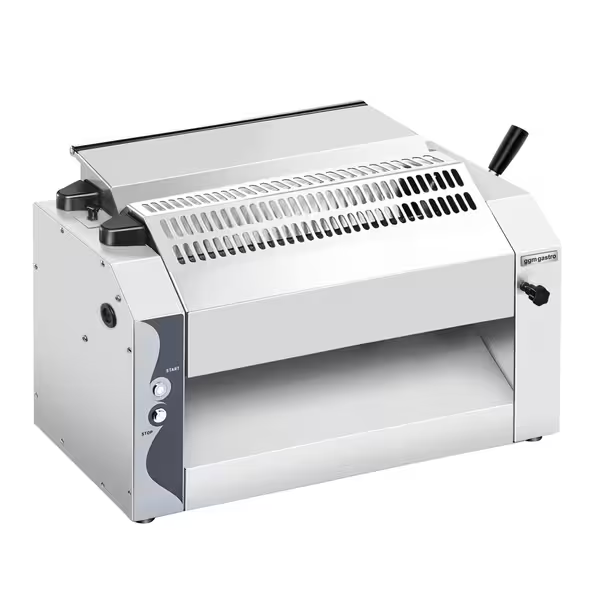
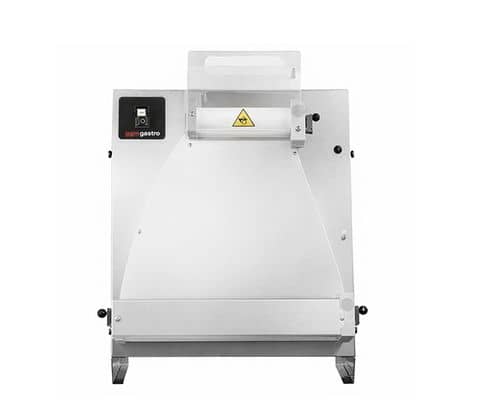
Pizza dough rollers and presses for consistent bases
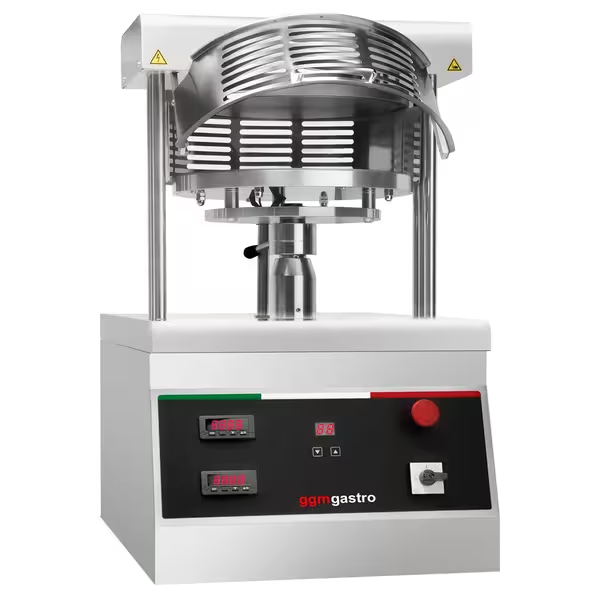
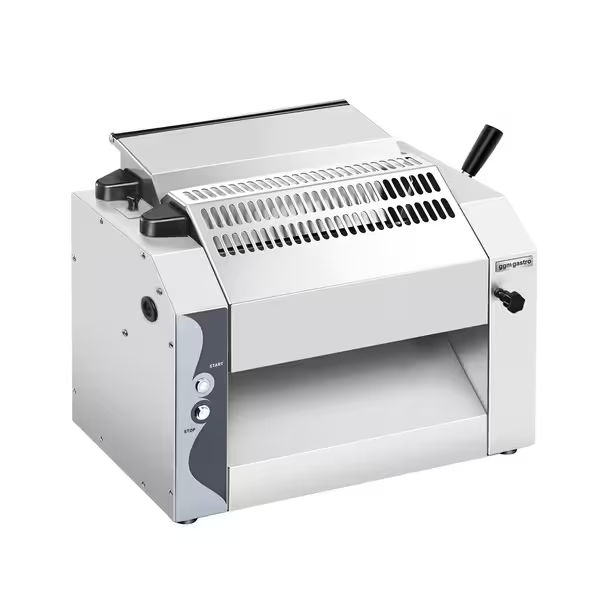
Pizza dough rollers and pizza presses perform a specific task in commercial dough preparation: they shape portioned dough balls to a defined thickness and size before topping and baking. For pizzerias, takeaways, restaurants and delivery businesses, the main benefit is less manual rolling and more repeatable bases as demand changes.
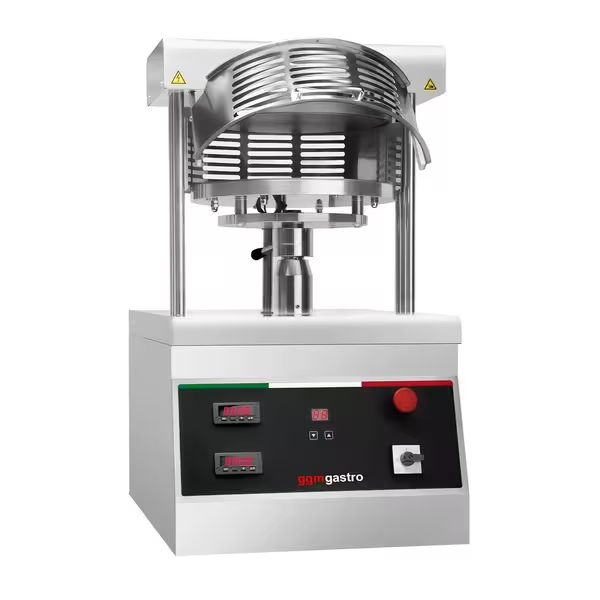
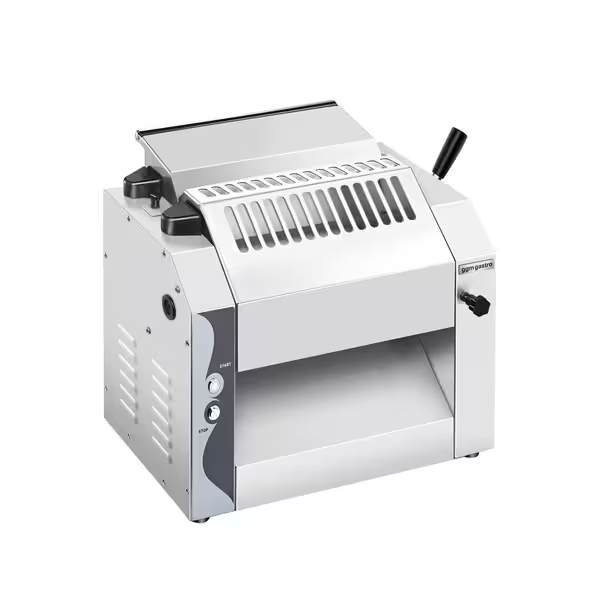
Pizza dough rollers pass the dough through rollers and suit applications where thickness and diameter need to be adjusted flexibly. Pizza presses shape dough between plates and are useful when consistent results in set pizza sizes are the priority. Typical sizes in the current roller range are around 300 to 400 mm; pizza presses include versions for 330 and 450 mm bases.
Match diameter, dough weight and thickness to your menu
Choose the machine around your pizza menu and usual production quantities. A business mainly selling 30 cm pizzas needs a different specification from one regularly making 40 or 45 cm pizzas. The weight of prepared dough balls matters too: depending on the model, pizza presses accommodate ranges such as approximately 100 to 500 g.
Compare the required dough thickness as well. Depending on the version, rollers in this category offer ranges such as 1 to 4 mm, 0.5 to 5.5 mm or up to 10 mm on wider pizza and pasta dough rollers. The size, recipe and rolling or pressing method must suit your product. The separate dough mixers category covers mixing and dough development, while dough dividers and rounders complement preparation by producing standardised dough balls.
Plan the workstation and power supply around peak demand
Every centimetre of worktop counts in a small pizzeria. Compact countertop machines fit directly into the preparation area, while larger presses need more space and a sturdy, logically arranged workstation. Before buying, check width, depth, working height and the route from the dough box through the machine to the topping station.
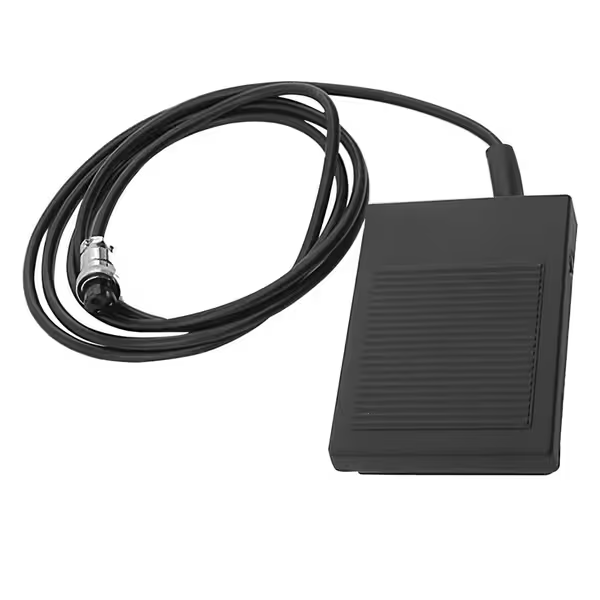
Power supply is another practical selection factor. Pizza dough rollers in the current category are mainly listed as 230 V models, while the pizza presses run on 400 V. Check compatibility with your existing supply before installation. On compatible rollers, a foot pedal can also leave both hands free to handle the dough.
Quick check:
-
Required pizza diameter and dough weight
-
Required dough thickness range
-
Rolling or pressing method
-
Available space and 230 V or 400 V supply
-
Cleaning requirements and operation during daily peaks
Consistency, cleaning and durability in everyday use
The operational benefit becomes clearest with repeated tasks. When many dough balls need preparing quickly, defined settings provide a more consistent starting point for topping and baking. This can reduce staff workload and make results less dependent on who is working at the station.
Financial value comes largely from a steadier working rhythm. Preparing dough balls at defined settings makes it easier to coordinate the topping station with the oven's baking cycle. This can reduce reworking, simplify training and help avoid unnecessary interruptions at busy times. Alongside purchase price, assess frequency of use, cleaning time, electrical requirements and expected daily workload.
Pay particular attention to rollers, infeed areas and press plates, where flour and dough residues collect. Accessible surfaces and a cleaning routine suited to use reduce the work between production and closing. Stable installation is equally important: a machine used daily must be comfortable to reach and must not obstruct other work at the topping station.
Plan dough preparation as a connected process
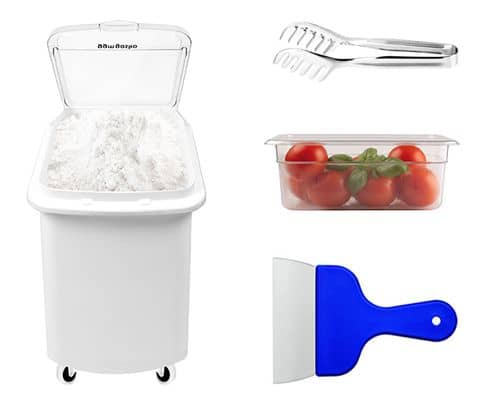
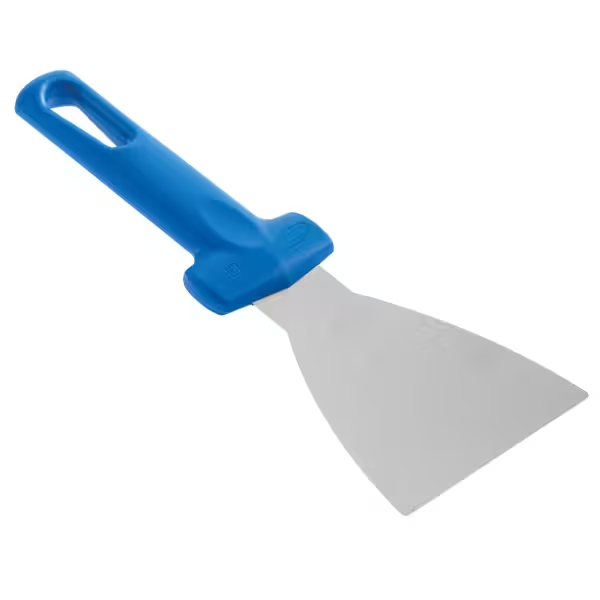
A pizza dough roller or press works best when the stages before and after it are coordinated. Dough balls need to be prepared, stored within reach, processed in the right order and topped without unnecessary movement. Pizza peels and accessories support an orderly handover to the oven.
For high demand for long dough sheets or continuous processing, use the separate dough sheeters category. This keeps the choice clear: compact pizza dough rollers and presses for defined pizza and flatbread sizes here, and conveyor belt machines for different production requirements there.
Correctly sized pizza dough rollers and pizza presses can make preparation more predictable, reduce physical manual work and provide a consistent foundation for the rest of the pizza-making process. Prioritise compatibility between size, dough weight, thickness, power supply and workflow.