


Dough Dividers & Rounders for Catering and Bakeries
Dough dividers and rounders divide and shape dough into uniform pieces for pizzas, bread and rolls. They support standardised workflows and reduce manual work in commercial dough preparation. Find the right machine for your business in our buying guide »

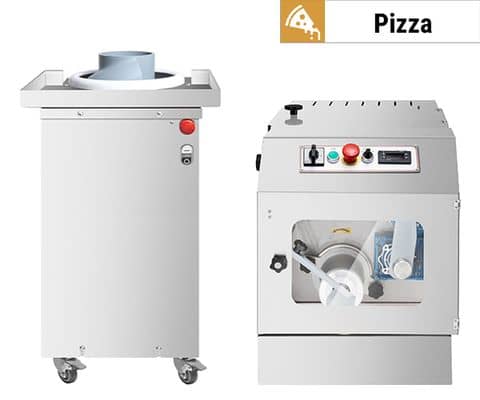


Product type
Power Connection
Capacity
Dough Weight
Price
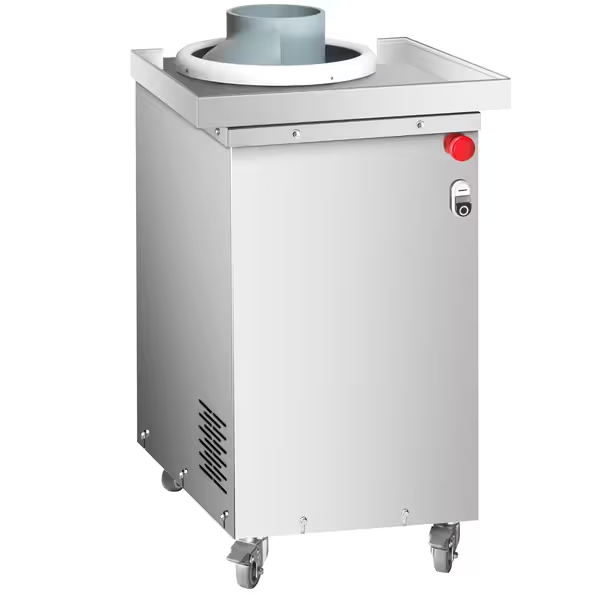
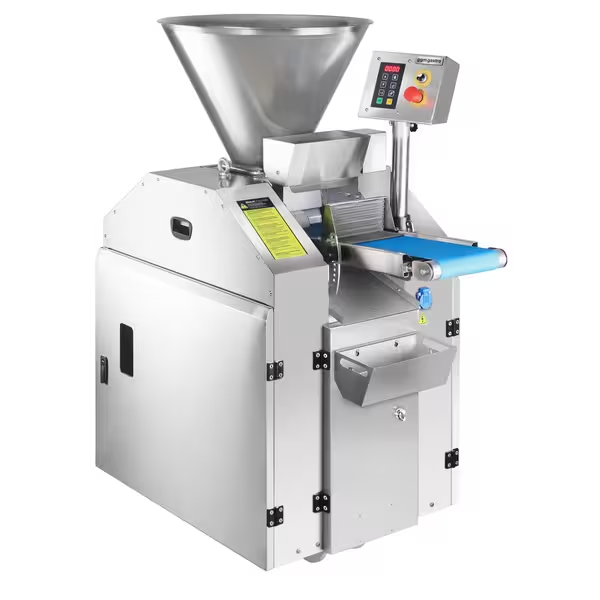
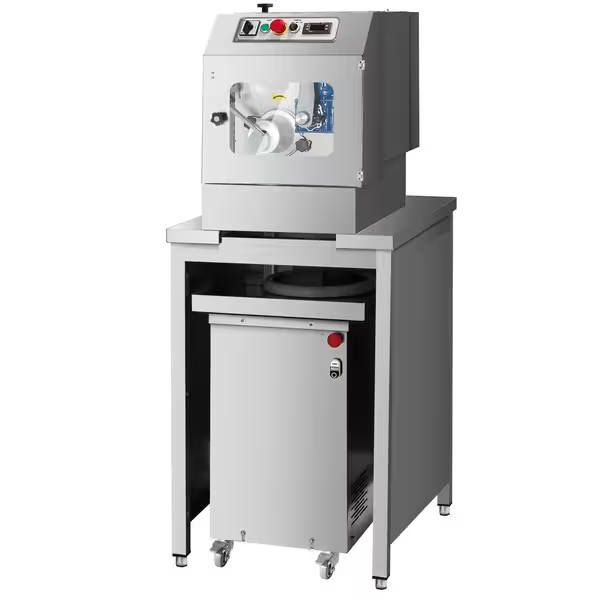
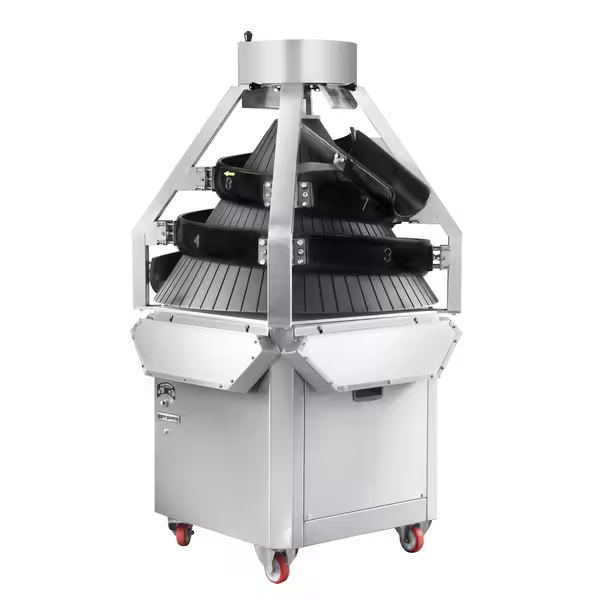
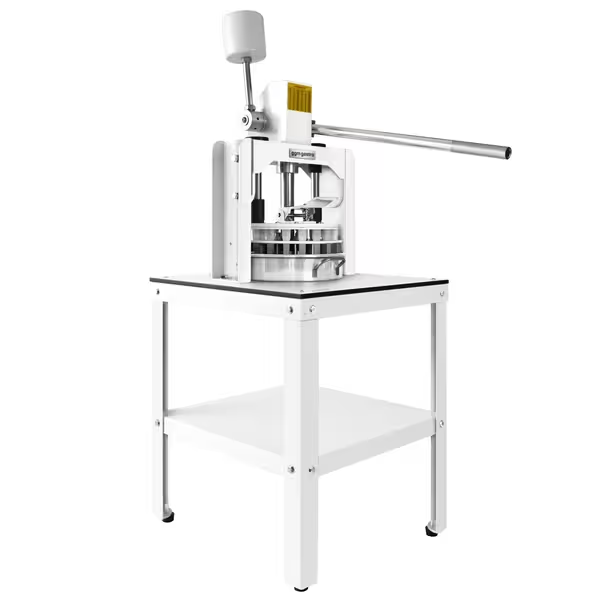
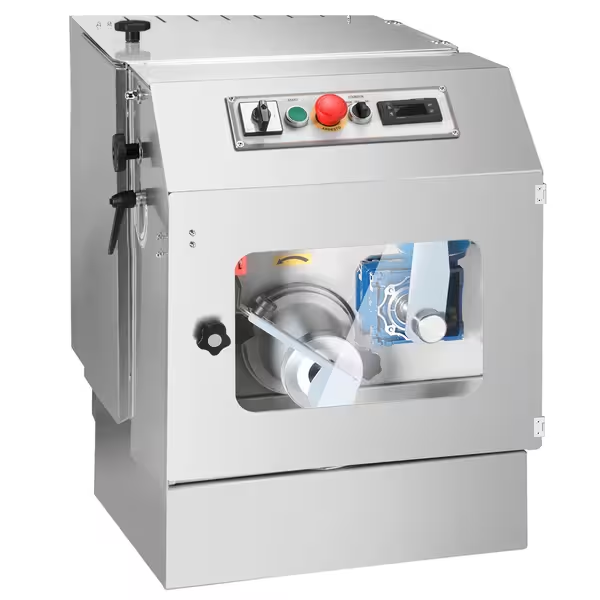

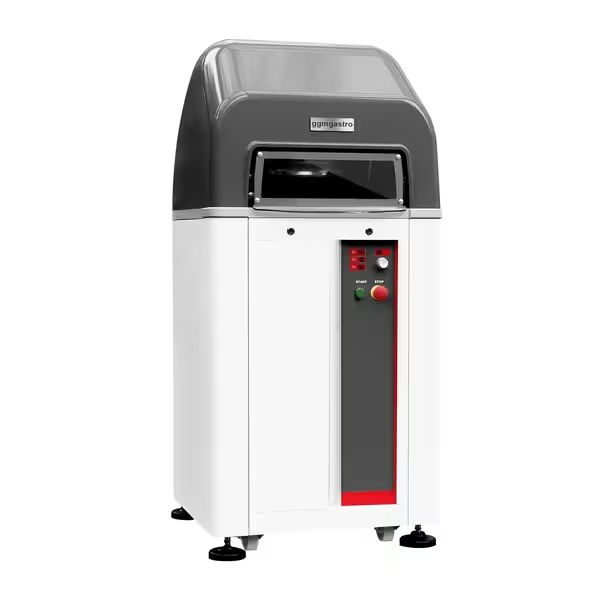
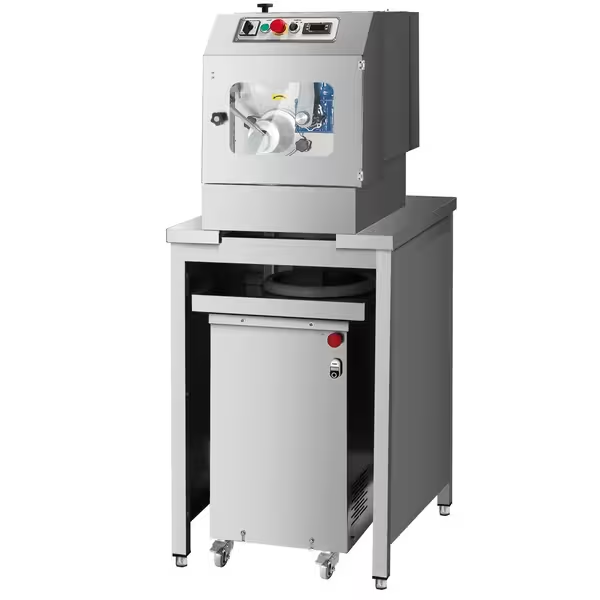
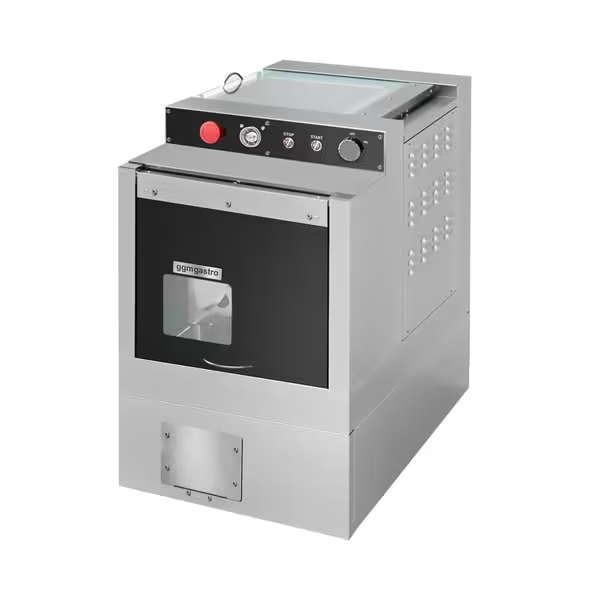
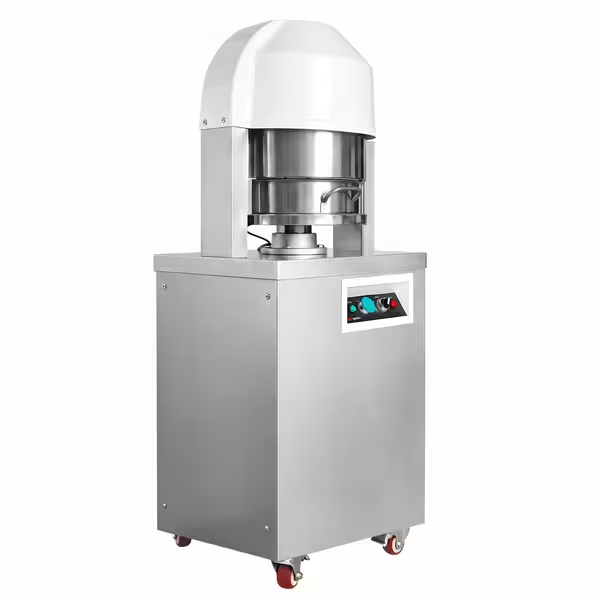
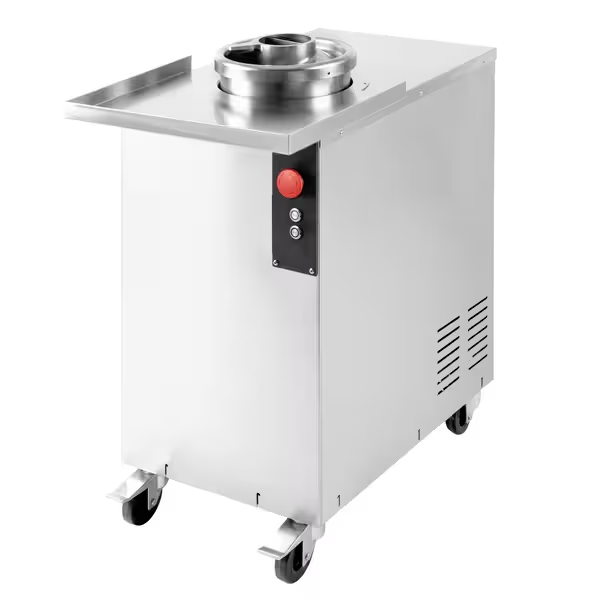
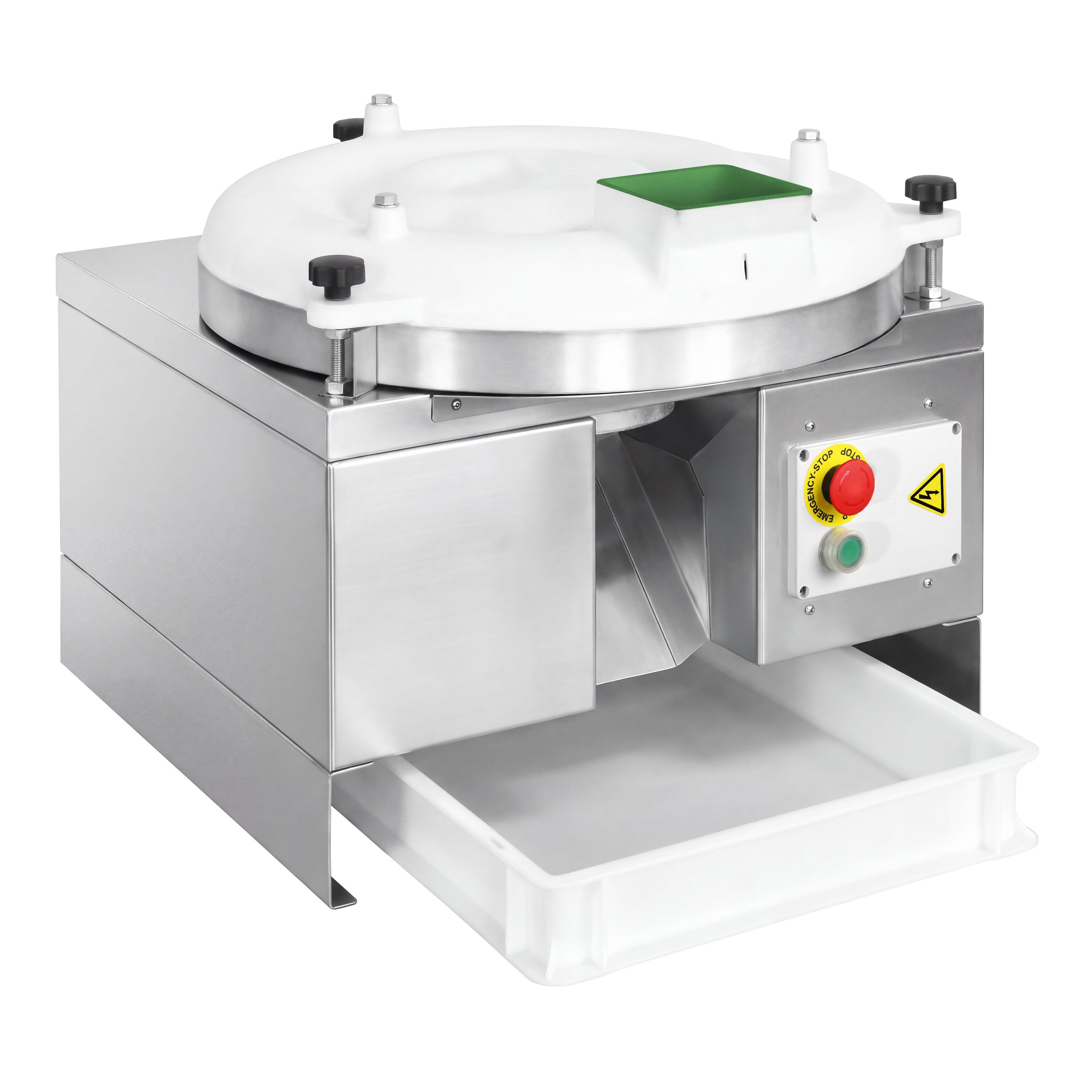
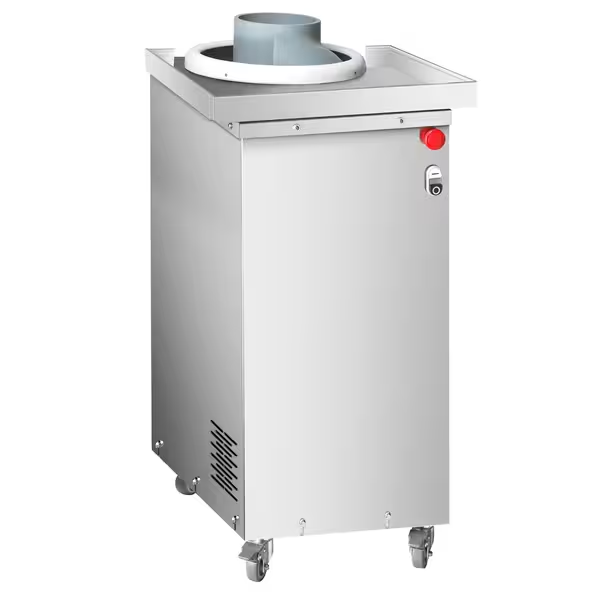
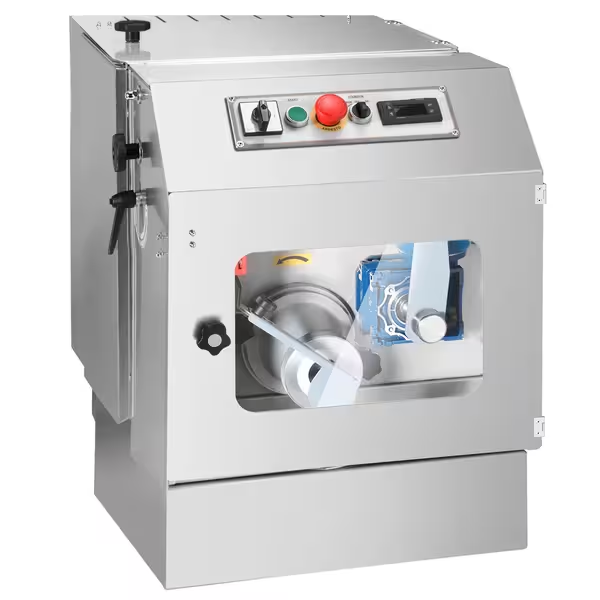
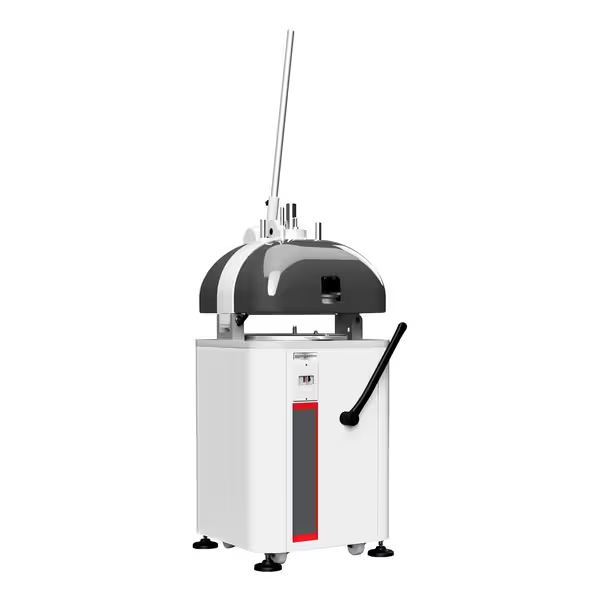
Uniform dough pieces for predictable production
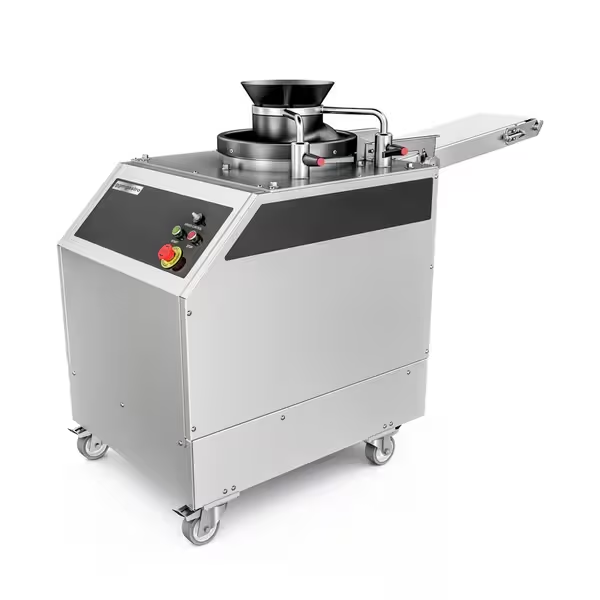
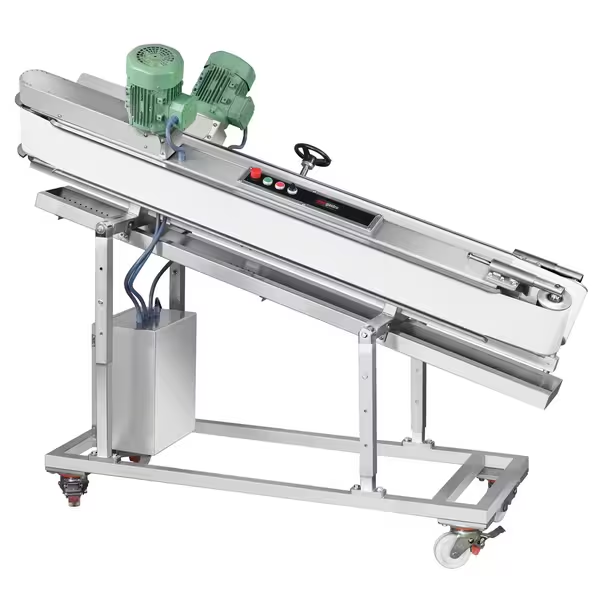
Dough dividers and rounders are commercial machines for dividing and rounding dough. Depending on the design, they perform one task or combine dividing and rounding in a coordinated system.
These machines are particularly relevant to pizzerias, bakeries, bakery shops, restaurants and production kitchens with regular dough requirements. Consistent portions make costing easier, support uniform product sizes and provide a reliable basis for further processing. This is especially useful when several staff work with the same recipes or many dough pieces need preparing quickly.
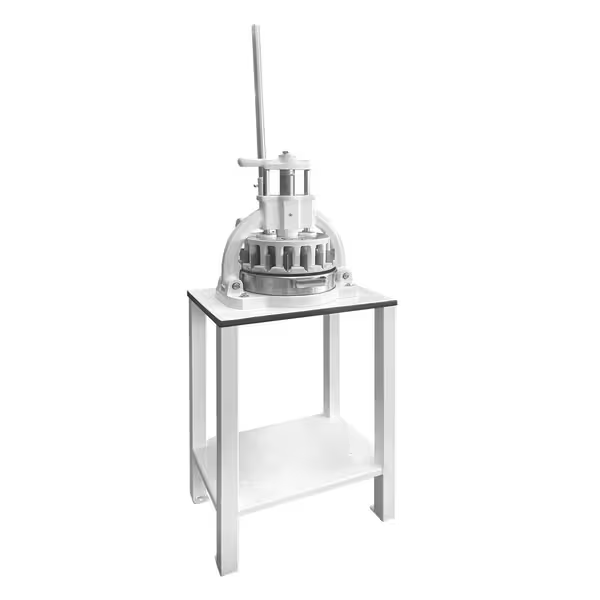
A standalone dough divider divides the loaded dough within defined weight ranges. A dough rounder shapes previously divided pieces into round dough balls. Combined machines perform both tasks and particularly suit businesses aiming to reduce the manual part of preparation substantially.
Match output and portion weight to your business
Choose the machine around your busiest production period as well as daily requirements. A pizzeria may need several hundred dough balls in a short period before evening service. In a bakery, varied product weights and continuous processing are often more important.
Key selection criteria include:
-
Required dough piece weight range
-
Number of pieces needed per hour
-
Dividing, rounding or combined processing
-
Manual, semi-automatic or automatic operation
-
Countertop, floor-standing or stand-mounted design
The range includes solutions for small portions from around 20 g and models for dough pieces up to approximately 1,000 g. Depending on the version, outputs range from a few hundred to around 2,500 pieces per hour. An undersized machine can become a bottleneck at busy times, while a substantially oversized model ties up space and capital without being fully used in daily operation.
Integrate dough dividers and rounders into the workstation
The machine's position affects walking distances, pace and ergonomics. Minimise carrying between dough preparation, dividing, rounding and placing the portions in containers. A stable work surface or suitable stand provides a safe working height and enough room for dough boxes.
A compact arrangement often works well in small pizzerias: dough comes straight from the dough mixer station, is divided and rounded, then placed in containers. At higher production volumes, separate machines can offer greater flexibility because the divider and rounder can be used independently.
Before buying, check dimensions, loading height and the discharge side. Power supply also matters: depending on output, the machines operate on 230 V or 400 V. Match the connection and installation position to existing infrastructure early in the process.
Consider dough characteristics, hygiene and cleaning
Not every dough behaves the same way in every machine. Hydration, temperature, elasticity and recipe affect how cleanly it divides and rounds. The specific model's technical information defines the weights and dough consistencies it is designed to handle.
Accessible surfaces and food-contact materials matter in daily use. Stainless steel housings support a hygienic working environment and withstand regular commercial cleaning. Remove dough residues after production before they dry and affect moving parts. Removable or readily accessible components reduce cleaning effort.
The machine works most reliably when it is not crowded by flour dust, open containers and other tasks. Sufficient clear space makes operation, checks and cleaning easier.
Quick check for the right model
-
Does the weight range suit the pizzas, loaves or rolls on your menu?
-
Is hourly output sufficient for your busiest preparation period?
-
Do you need dividing, rounding or both?
-
Are the floor space, working height and power supply suitable?
-
Can the machine, dough boxes and other preparation stages be arranged close together?
Operational value through standardised dough preparation
Manual weighing and rounding take staff time, and variations become more likely under pressure. A correctly sized machine supports repeatable portions and reduces repetitive work for the team. Preparation can then be organised more smoothly, allowing staff to concentrate on topping, baking and service.
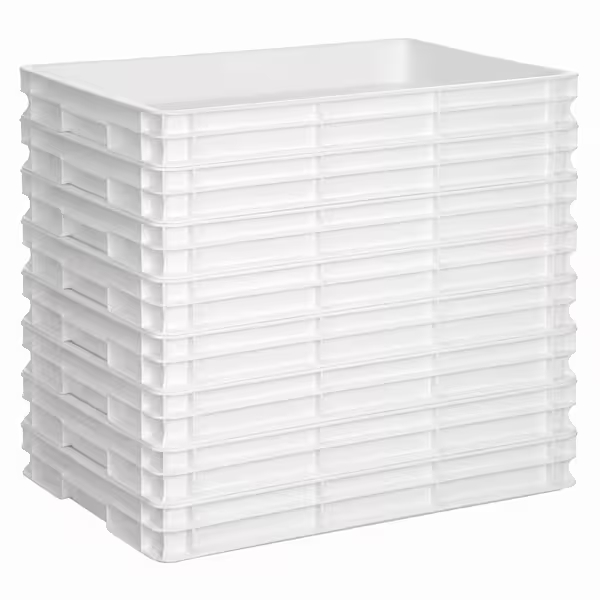
For a coordinated workflow, combine dough dividers and rounders with pizza dough boxes and trays, pizza dough rollers and pizza presses, and suitable stainless steel work surfaces. Keep a clear sequence from prepared dough to portions ready for the next stage.
The right solution brings together portion weight range, hourly output, power supply and available space. This makes the machine a useful part of the dough preparation process.