


Market Demand for Professional Sales Stands and Mobile Food Service
From compact cooking equipment to refrigeration, food warming, and fast service: Professional Market Solutions helps food stands efficiently serve food and beverages even in limited spaces. The right equipment depends primarily on the product range, sales volume, location conditions, and how flexibly the stand needs to be set up and operated. Market Needs Guide »
Tasty dishes












Desserts









Setting Up a Market Stall: The Sales Concept Determines Your Needs
Professional market needs include appliances and equipment for the preparation, cooking, refrigeration, presentation, and serving of food and beverages at compact food stands. Typical offerings range from hot snacks and sweets to ice cream, cold beverages, and seasonal specials. Unlike in a permanent restaurant kitchen, available space is often limited. At the same time, ordering, food preparation, checkout, and service must all take place within a few square meters. Every additional step in the workflow and every piece of equipment therefore directly affects the available space. Good planning therefore starts with the product lineup: Which products drive sales? What needs to be freshly prepared? Which components can be prepped or kept warm? What kind of refrigeration is needed? This results in a compact production line rather than a collection of individual appliances.
Select compact cooking equipment that matches the core product
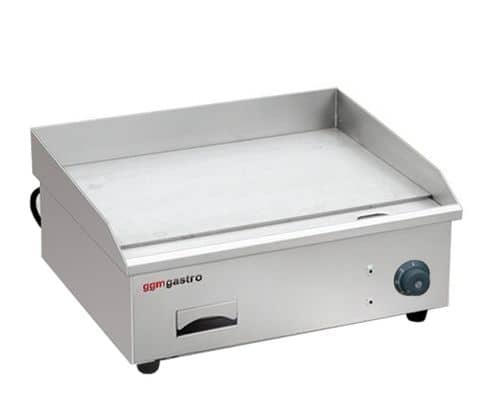
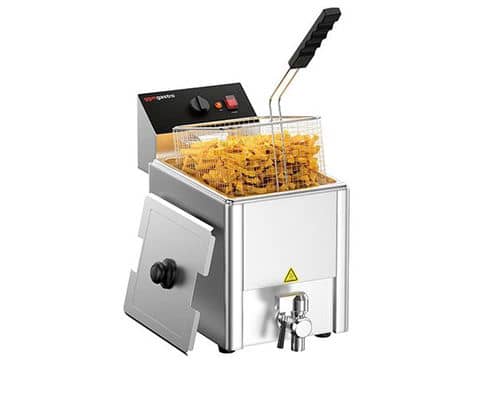
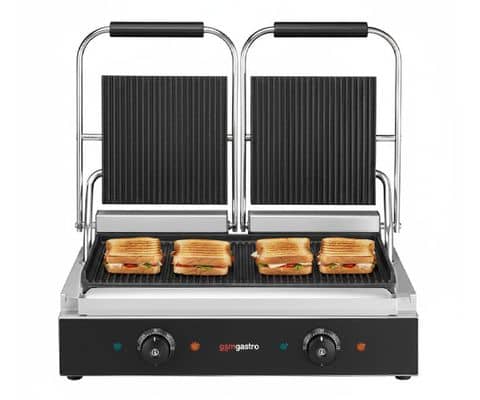
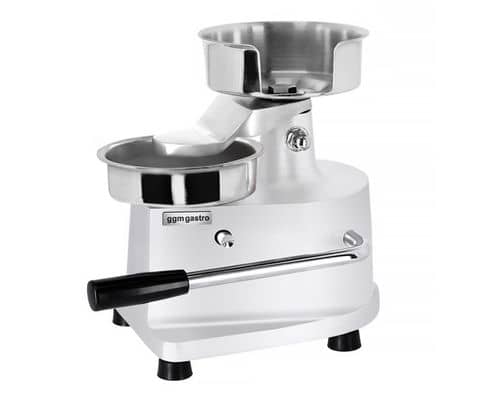
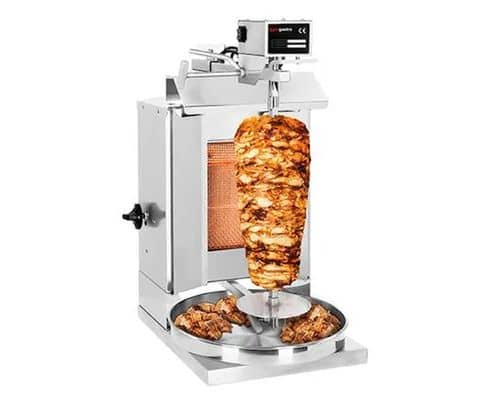
Many market and retail stands focus on a small number of products with high repeat sales. Compact tabletop grills are ideal for this very purpose. Tabletop griddles, for example, can be used for burgers, meat, vegetables, or other items that are quickly seared. Depending on the menu, small electric fryers are ideal for french fries, snacks, or fried specialties. Contact grills expand the options to include sandwiches, paninis, or similar items. It’s crucial that the equipment can handle the actual peak workload. One stand might sell at a steady pace over several hours—while another must handle numerous orders within a short period of time. It’s not just about power output. Countertop appliances must be arranged efficiently on the available workspace. There needs to be enough space between hot appliances for preparation, containers, and safe work movements. The more compact the stand is, the more important this question becomes: Which equipment is actually used on a regular basis?
A well-defined product lineup keeps the sales booth running smoothly
Market stalls often benefit from a manageable core selection. Each additional product may require new ingredients, refrigeration, equipment, packaging, and steps in the preparation process. A stand selling bratwurst and beverages requires different equipment than one offering waffles, churros, and coffee. Similarly, ice cream, popcorn, crêpes, and hot soups differ significantly in their production processes. The product lineup therefore determines the equipment—not the other way around. Expanding the menu makes particular sense when existing work areas can be used for multiple purposes. An additional product that uses the same refrigeration, similar ingredients, and the same serving setup is easier to integrate than a dish that requires an entirely separate production line. This way, the stand remains organized and functional even with a larger selection.
Quick Check to Determine Market Demand
Five points can help narrow down the equipment you need:
- Core product line: Which foods and beverages account for the majority of sales?
- Peak volume: How many orders need to be processed during particularly busy sales periods?
- Booth space: How much space is actually available for equipment, food preparation, storage, and staff?
- Infrastructure: What electrical, water, and—if applicable—other connections are available at the location?
- Mobility: Will the equipment remain permanently at one location, or does it need to be transported and set up again on a regular basis?
These factors determine which pieces of equipment form the core of the stand and where compact or mobile solutions are particularly useful.
Waffles, crêpes, and confectionery as a separate production station
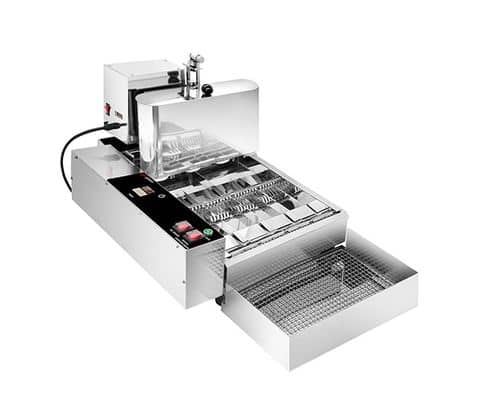
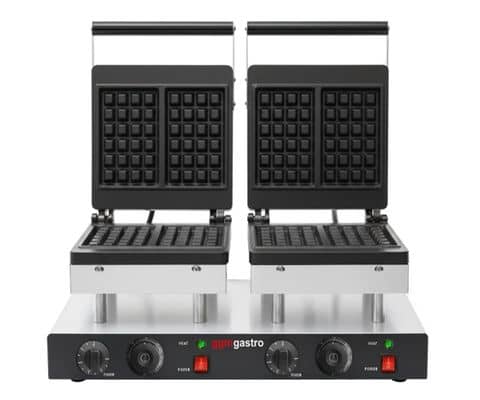
Sweet snacks are well-suited for many market and seasonal concepts, but each requires its own specific workflow. Waffle irons & crêpe makers combine a relatively compact footprint with on-the-spot preparation right before serving. In addition, you’ll need batter, portioning tools, toppings, plates or packaging, and sufficient counter space. The same applies to donuts, churros, Baumstriezel, popcorn, and cotton candy. The machine itself is only one part of the workstation. Ingredients and supplies must also be positioned so that they can be restocked quickly during peak sales periods without having to search for them. Especially when preparation is visible to customers, organization is key. A well-organized workspace not only supports faster operations but also ensures that production materials aren’t scattered throughout the entire sales area.
Quickly serve hot dogs, snacks, and hot meals
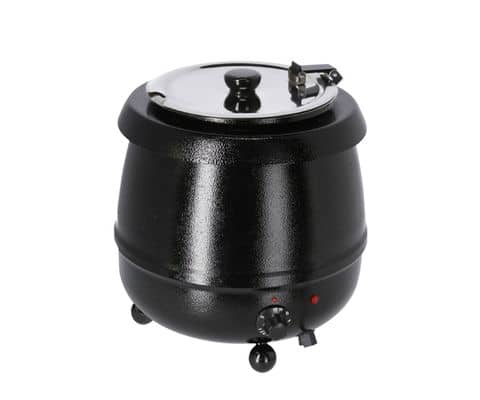
When it comes to savory market offerings, the coordination between preparation and serving plays a key role. Sausage and roll stations, for example, can help ensure that both components of a product are available at the same workstation. Soup warmers are suitable for appropriate dishes, while snack warmers and heated display cases can keep pre-prepared products ready for service. Keeping food warm should be used strategically. Not every product retains its desired consistency and quality over an extended period. Production planning should therefore ideally be based on sales patterns. Where high demand is easily predictable, smaller quantities can be prepared. When business fluctuates, a more demand-driven preparation approach may make more sense. The goal is to strike a balance between fast service and the most controlled quantity of goods possible.
Refrigerated display cases combine storage and visible presentation
Not every food stand sells only hot items. Cakes, desserts, sandwiches, chilled beverages, and other perishable goods require an appropriate refrigeration system. Countertop refrigerated display cases can combine refrigeration and product display in a limited space. Customers can see the selection while the merchandise remains readily available right at the point of sale. Key factors to consider when choosing a unit include floor space, usable display volume, and the product range. An oversized display case takes up valuable counter space, while a model that is too small may require frequent restocking. Larger stock reserves may require additional refrigeration outside the immediate sales area. Daily supplies are kept as close to the serving area as possible; reserves can be stored behind the display or in a separate refrigeration unit.
Organize slushies, ice cream, and cold drinks efficiently by season
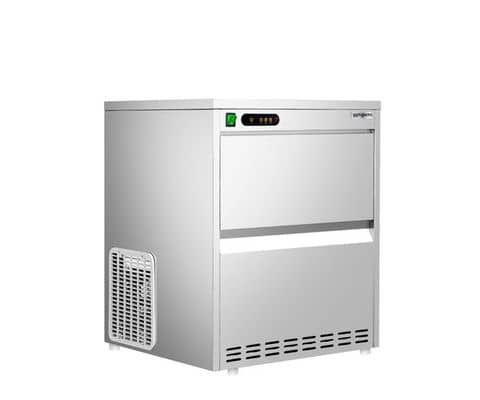
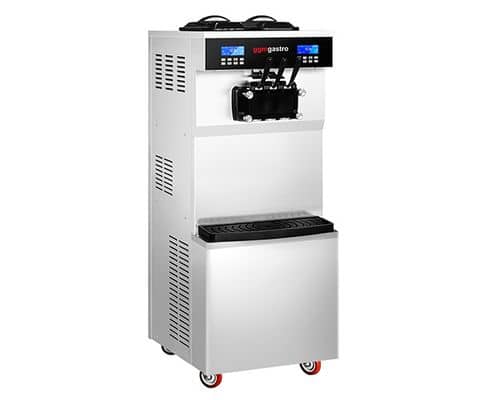
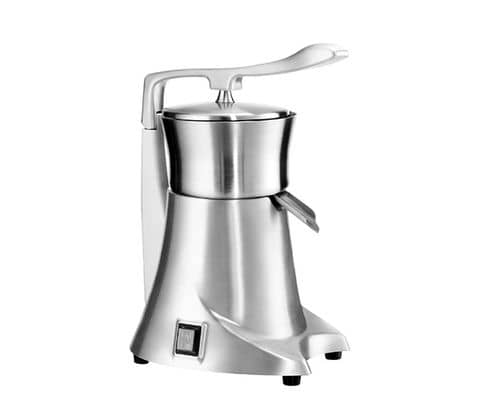
On warm days, ice cream and cold beverages can be an important part of the product lineup for many market stalls. Juice, slush, and ayran machines allow for visible beverage displays right in the sales area. Soft-serve ice cream machines or ice cream carts, in turn, create unique sales concepts centered around ice cream products. Here, too, capacity must be sufficient to handle peak demand. Especially with seasonal products, demand can fluctuate significantly within a short period of time. In addition to the machine itself, the station requires cups, lids, spoons, napkins, and ingredients. If these consumables aren’t factored into the plan from the start, boxes and supplies will quickly take up valuable counter space. Ice cube machines can also be a useful addition wherever chilled beverages are regularly served fresh.
Mobile Cooling for Flexible Sales Models
Some market and retail businesses require significantly more refrigeration capacity than can be accommodated within the actual booth. Refrigerated trailers & mobile cold storage units provide additional storage options for such setups. This can be particularly relevant when large quantities of merchandise are needed on site or when the booth is regularly set up at different locations. As a result, the sales area itself remains more focused on daily demand and dispensing. However, route planning is also crucial here. If the mobile refrigeration unit is located far from the booth, this results in many additional restocking trips during the sales day. Daily stock and larger storage reserves should therefore be sensibly separated from one another.
Clarify electricity, water, and connections before selecting equipment
For mobile or temporary food stands, the technical infrastructure is particularly important. Several electric countertop appliances can collectively require a significant amount of power. Therefore, griddles, deep fryers, waffle makers, refrigerated display cases, and beverage equipment cannot be selected based solely on whether they physically fit on the stand. It must be clarified in advance which connections are available at the intended location and which appliances will be operated simultaneously. Water requirements also play a role, depending on the concept. Beverage preparation, cleaning, and certain appliances may require an adequate water supply. By taking these factors into account early on, you can configure the equipment to match the infrastructure actually available and avoid having to improvise later at the event site.
Organize takeout packaging right at the pickup counter
In most cases, market sales consist of immediate takeout transactions. Packaging is therefore not a secondary consideration, but rather an integral part of the actual production process. To-Go & Packaging must be suited to the product and readily available right where the food is prepared. Trays, cups, boxes, napkins, cutlery, and bags need designated storage locations. A clear system for managing supplies is especially valuable in small spaces. The entire stock for the sales period does not need to be kept on the immediate work surface. It makes more sense to have a daily supply within easy reach, along with an organized reserve for restocking. This keeps work surfaces clear and allows packaging materials to be accessed more quickly.
Separate Cashiering and Dispensing During High-Volume Periods
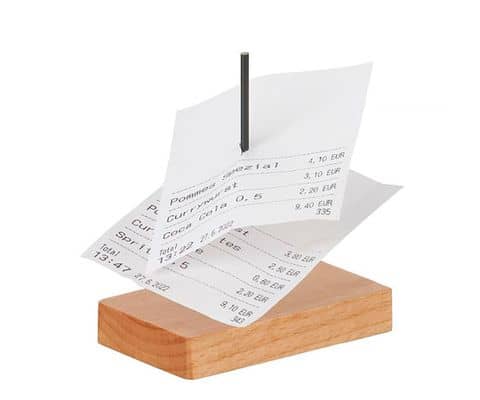
At a compact market stall, ordering, payment, production, and pickup are often all located very close together. This works well as long as sales volume remains manageable. However, when foot traffic increases, waiting customers, cashless payments, and the handoff of finished products can interfere with one another. Point-of-sale systems and, if necessary, self-service solutions can therefore be part of the equipment planning. The workflow is crucial: Where are orders placed? Where is payment made? Where do customers wait? And where is the finished product handed over? Clearly separating these steps can prevent a customer from blocking the next orders while picking up their order or forcing employees to constantly switch between the register and the production area.
Take into account setup and takedown when planning for mobile market needs
When locations change, another requirement is added to the normal operational logic: The equipment must be transported, set up, connected, and stowed away again after the sale. As a result, weight, dimensions, and ease of handling become more important than with permanently installed kitchen equipment. Compact appliances can offer advantages here, provided their capacity matches actual sales volume. Tables, containers, and work tools should also be planned so that the setup remains consistent. A functional mobile concept ideally has a fixed setup plan. Appliances and materials are assigned specific positions so that the workspace does not have to be improvised anew for every event. This also makes training easier when different employees work at the booth.
Organizing Cleaning and Hygiene in a Small Space
The less space available, the more important it is to clearly separate the productive work surface from the equipment in use. Grease, dough scraps, sauces, sugar, and beverages can each require different cleaning procedures depending on the menu offerings. Equipment and work surfaces should therefore be arranged so that they remain easily accessible even at the end of a busy sales day. Used containers, tools, and dishes require a designated return path. If they are simply collected under or next to free work surfaces, the usable space gradually shrinks during operation. Trash cans should also be accessible without blocking the main traffic routes. In mobile setups, equipment must also be cleaned and securely stowed before transport or storage. Cleanability and ease of handling are therefore key factors in selecting equipment.
Prioritize market needs based on economic considerations
A successful food stand doesn’t need as many appliances as possible. It needs equipment that moves its key products through the sales process quickly and reliably. With a limited budget, priority should therefore first be given to the appliances that prepare the core menu items. Next come refrigeration or warming equipment, work and serving surfaces, and takeout organization. Specialized equipment for additional products can be added once there is consistent enough demand for them. Even for existing stands, it’s worth conducting a bottleneck analysis before making an investment. Long lines do not automatically mean that a larger cooking appliance is needed. Perhaps packaging takes too long, ingredients are poorly organized, the refrigeration unit is too far away, or one person has to handle both the register and food preparation at the same time. The economically sound investment starts where the most friction occurs on a daily basis.
Meet Market Demand Professionally with GGM Gastro
From compact snack stands to sweet market offerings and seasonal beverage concepts to mobile retail outlets, the product range, space requirements, and technical specifications vary significantly. The appropriate market needs are therefore determined by core products, peak volume, infrastructure, booth space, and desired mobility. GGM Gastro offers equipment ranging from tabletop griddles, small deep fryers, and contact grills to waffle, crêpe, and snack machines, as well as refrigerated display cases, slush machines, ice cream carts, food warming solutions, to-go equipment, and mobile refrigeration. This allows sales stands to be configured to meet specific needs, whether for a new business, an expansion of the product range, or a modernization.