


Refrigeration for the Food Service Industry and Commercial Kitchens
Professional refrigeration ensures the proper storage, preparation, and presentation of food and beverages in commercial settings. At GGM Gastro, you’ll find refrigeration units for restaurants, hotels, bars, snack bars, catering services, cafeterias, and other professional applications. Refrigeration Guide »

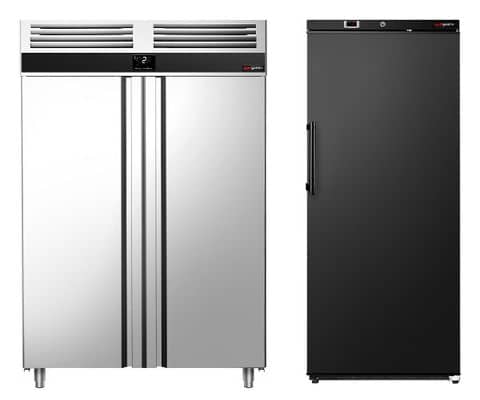
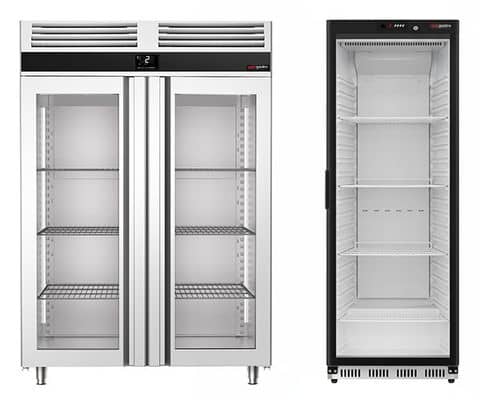
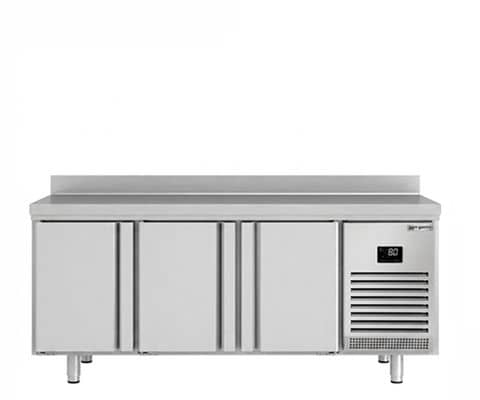
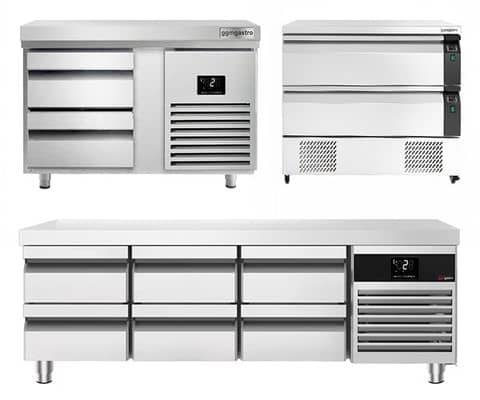
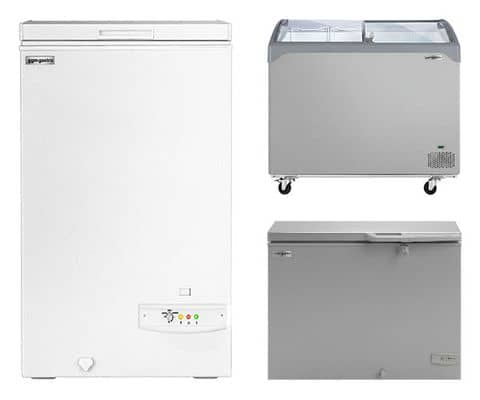
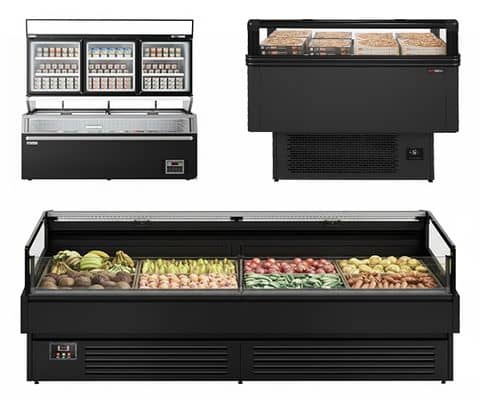
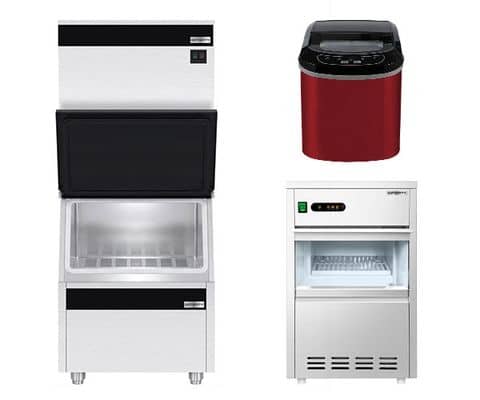
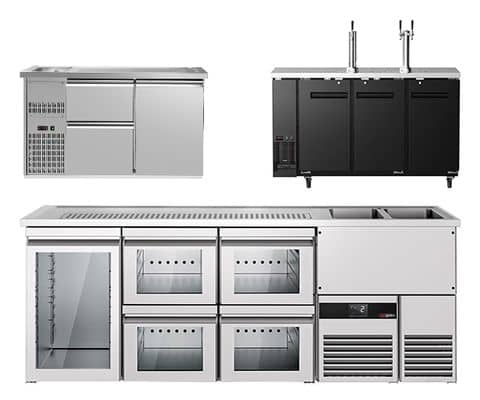
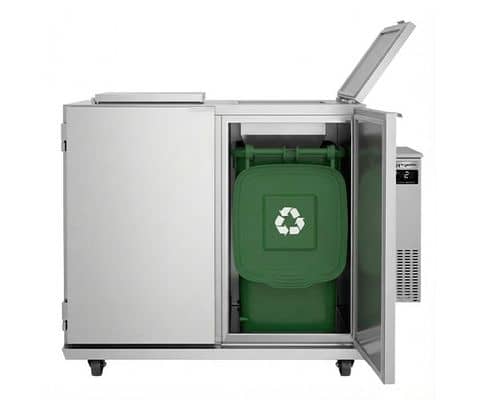
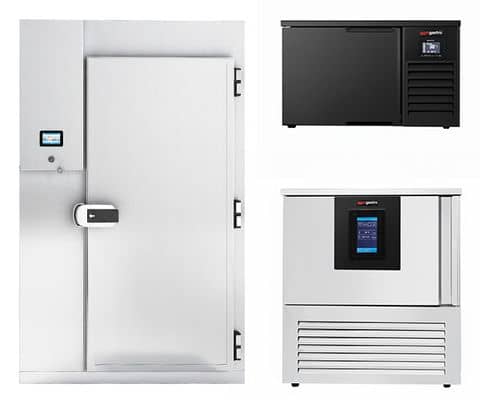
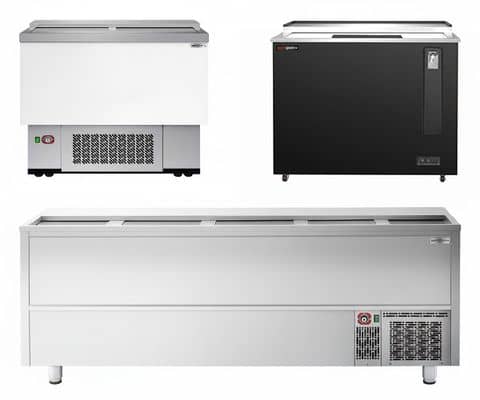
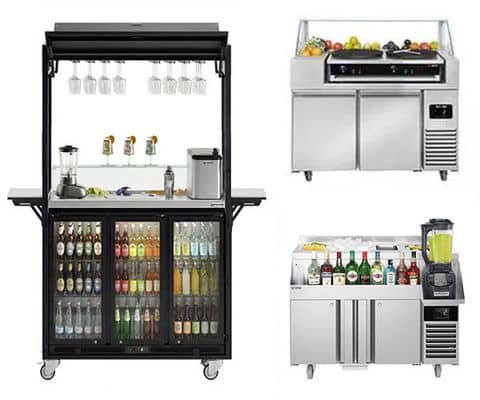
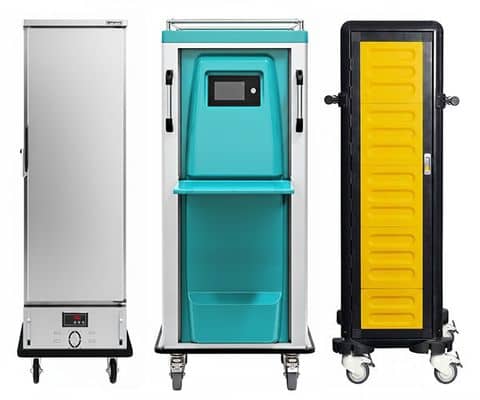
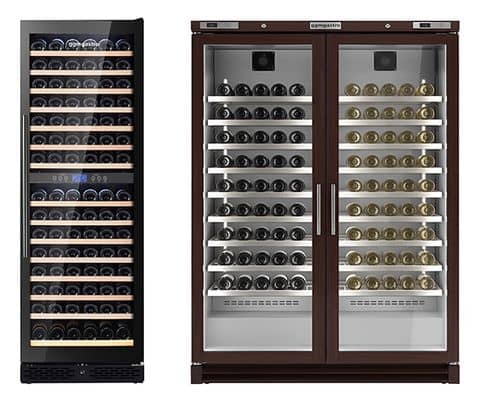
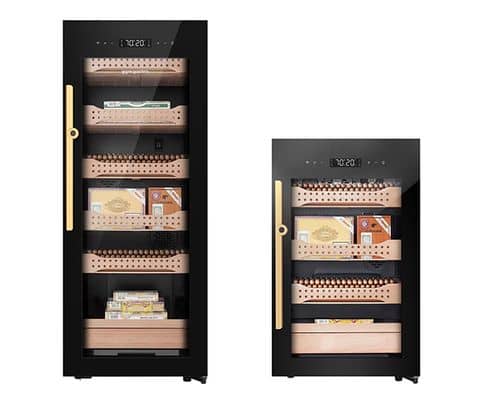
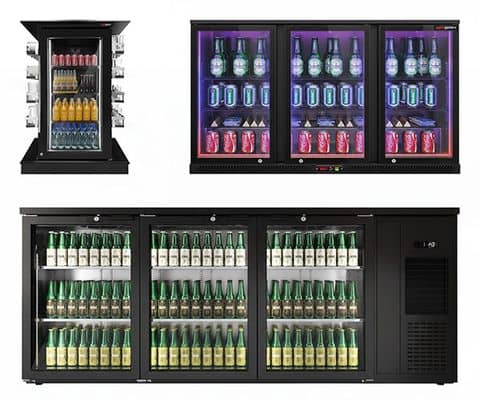
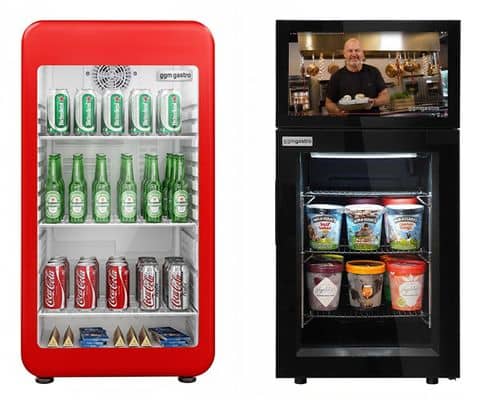
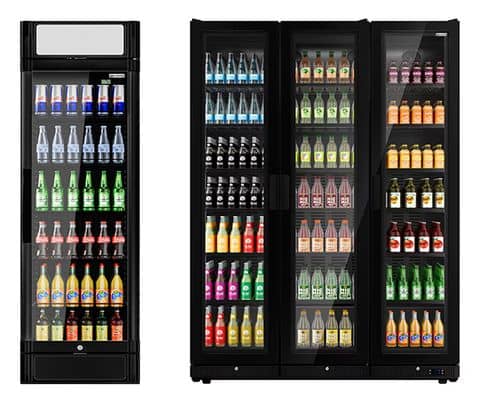

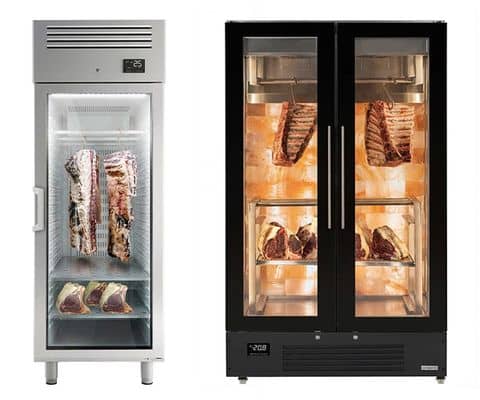
Refrigeration as the Foundation for Safe Operations in the Food Service Industry
Refrigeration encompasses all commercial refrigeration equipment used to store food, beverages, and prepared meals at controlled temperatures, keep them readily available, or display them in a way that promotes sales. In the foodservice industry, it is therefore not merely storage space but an integral part of hygiene, food preparation, service, and inventory management.
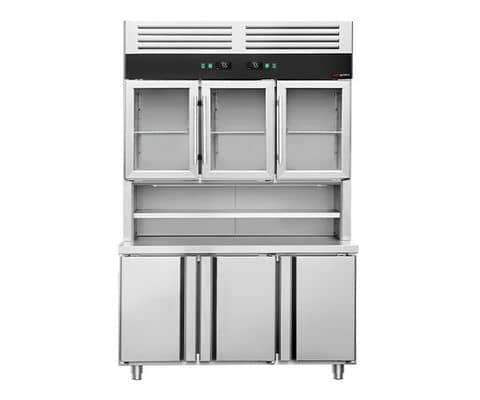
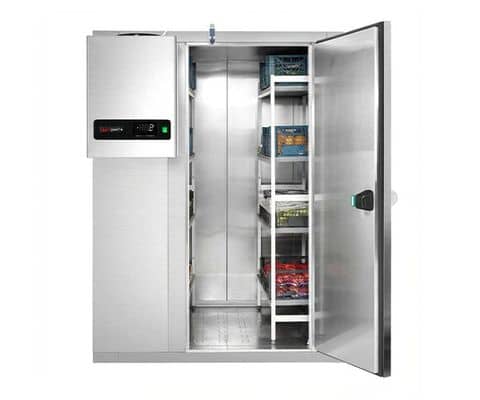
Whether it’s a restaurant, pizzeria, hotel kitchen, bar, snack bar, café, catering service, or institutional food service: Without the right refrigeration setup, unnecessary trips, unclear storage locations, and risks to freshness and process reliability can quickly arise. Therefore, the key consideration is not just which refrigeration unit fits in the space, but what role it plays in the operational workflow. A commercial refrigerator preserves supplies, a refrigerated counter shortens walking distances at the station, a walk-in cooler provides capacity for larger quantities, and a beverage cooler supports fast service in the front-of-house area.
Which commercial refrigeration system is right for your workflow?
The right refrigeration solution depends on the volume of goods, temperature range, space requirements, and usage scenario. In small kitchens, compact dimensions, ease of use, and short access distances are key. In commercial kitchens or hotels, usable capacity, cooling capacity, number of doors, shelving configuration, and reliable temperature control are more important. Those who work with pre-prepared ingredients during the lunch rush benefit from refrigeration right at the workstation. Those who store large quantities of goods are better served by centralized warehouse refrigeration or cold storage rooms.
Typical decision-making criteria include:
- Temperature range for fresh food storage, deep freezing, or beverages
- Interior capacity and layout for GN containers, crates, or bottles
- Dimensions, door hinge direction, and footprint in tight kitchen spaces
- Material and ease of cleaning, especially for stainless steel surfaces
- Connection type, energy consumption, and integration into existing workflows
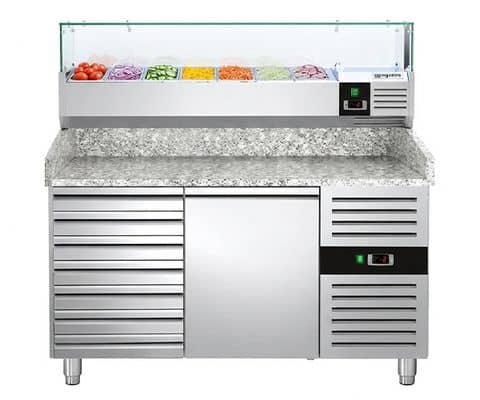
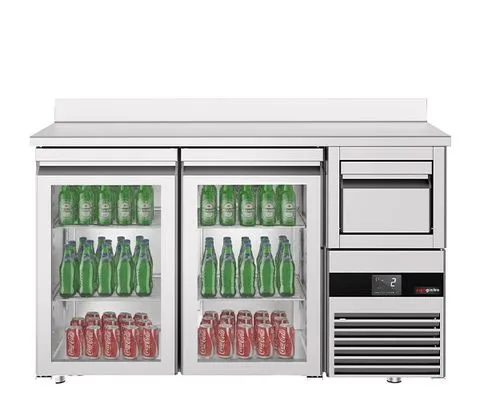
A real-world example: In a pizzeria, a single storage refrigerator is often insufficient if ingredients must be constantly fetched from an adjacent room during peak hours. In this case, a pizza refrigerated counter located directly at the preparation station can reduce walking distances and stabilize the workflow. In a bar, on the other hand, beverage refrigerators, beer counters, or keg coolers take center stage because access, cooling capacity, and visibility directly impact service.
Planning, Space Requirements, and Integration into the Kitchen Layout
Effective refrigeration is placed exactly where it’s needed. Warehouse refrigeration belongs in the goods handling area, workstation refrigeration at the production station, and display refrigeration in the sales or service area. This creates clear pathways from goods receipt through preparation and storage to dispensing.
When planning, operators should consider more than just external dimensions. Door opening angles, walkways, cleaning intervals, ventilation, and accessibility during operation are also important. A unit that is too large can block space, while one that is too small leads to rearranging items, overcrowding, and additional rework. Particularly with refrigerated counters or refrigerated base units, it’s important to determine whether drawers, doors, or GN racks better suit your specific workflow.
Hygiene, Materials, and Suitability for Everyday Use in Commercial Refrigeration
Refrigeration units in the foodservice industry are opened, cleaned, and loaded daily and are often used under time pressure. That’s why robust construction, easily accessible interiors, smooth surfaces, sturdy shelves or racks, and controls that remain intuitive even with changing staff are essential. Stainless steel is a practical choice in many areas because it promotes hygiene, is durable, and is easy to clean.
Temperature control is also a practical consideration. Digital displays, clear adjustment options, and—when needed—automatic temperature logging help businesses manage refrigeration processes in a traceable manner. For units with forced-air cooling, even temperature distribution is important, while static cooling can be gentler on certain product groups. It is crucial that the cooling technology is suited to the product: beverages, fresh ingredients, meat, fish, dairy products, frozen goods, or prepared components all have different requirements.
Economic benefits result from an appropriate cooling structure
Professional refrigeration can support a business’s operations economically if it is properly sized and integrated effectively. It helps reduce food waste, makes preparation more predictable, and helps manage peak hours more smoothly. When ingredients are chilled and within easy reach, the team spends less time searching, walks less, and can work more efficiently.
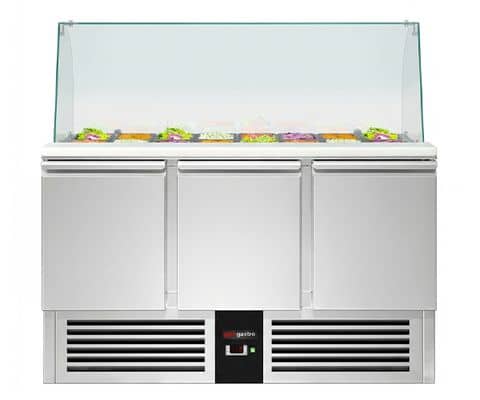
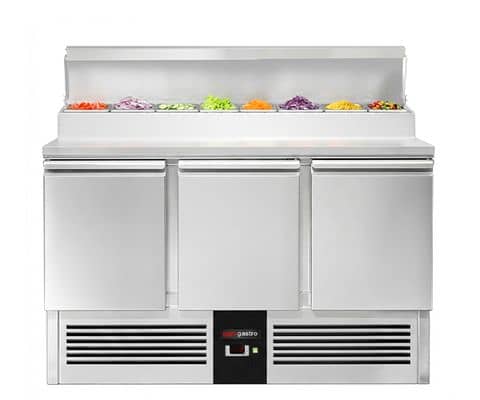
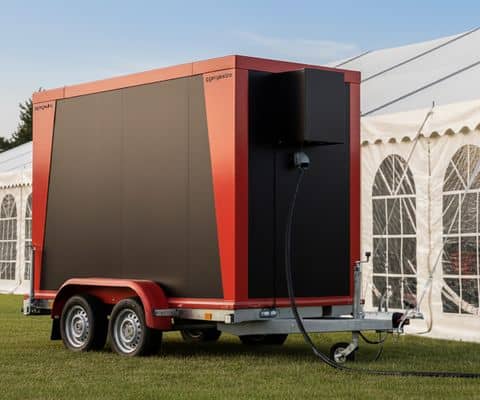
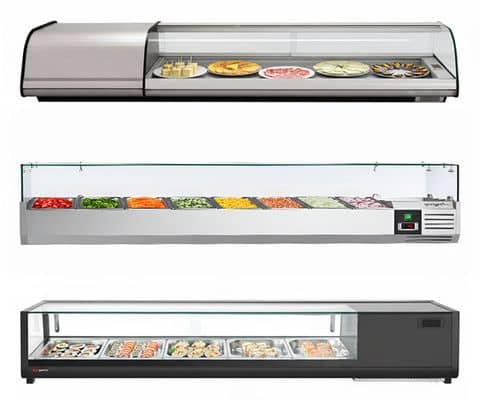
This is especially true for operations with a high turnover rate. At a snack bar, quick access to prepared ingredients is key. In a restaurant, a reliable mise en place is essential. In catering or institutional food service, larger refrigeration capacities, clearly defined storage zones, and deep-freeze capabilities play a more significant role. For establishments with visible sales areas, countertop display cases and sushi display cases can further combine freshness, presentation, and easy access.
Combine Cooling Solutions Wisely and Plan for the Long Term
Refrigeration works best as part of a coordinated operational concept. Work surfaces, stainless steel cabinets, dishwashing areas, food preparation tables, and serving areas should be arranged so that refrigeration units are not isolated but rather support the workflow. Depending on the type of operation, a central cold room, several under-counter refrigeration units located near workstations, and a separate beverage cooler may make more sense than a single large unit.
When making your selection, it’s worth taking a sober look at day-to-day operations: Which items need to be within easy reach at all times? What quantities are handled daily? What temperature ranges are actually needed? Where do walking distances, wait times, or bottlenecks occur today? Those who clarify these points will find refrigeration solutions that not only fit into the kitchen but also make operations noticeably more organized.