


Planetary Mixers
Planetary mixers produce consistent batches of creams, fillings, cake mixes and, depending on the model, dough. Different bowl capacities, designs and speed settings allow you to match the machine to your commercial production needs. Find the right mixer for your kitchen in our buying guide »

Product type
Power Connection
Capacity
Dough Weight
RotationS per minute
Price
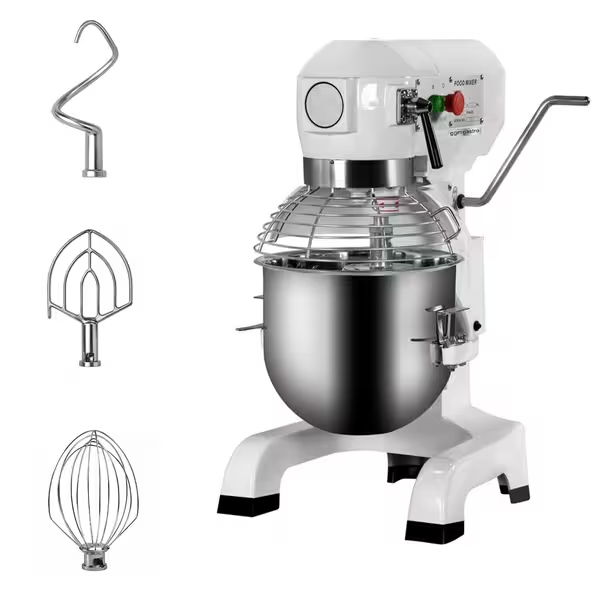
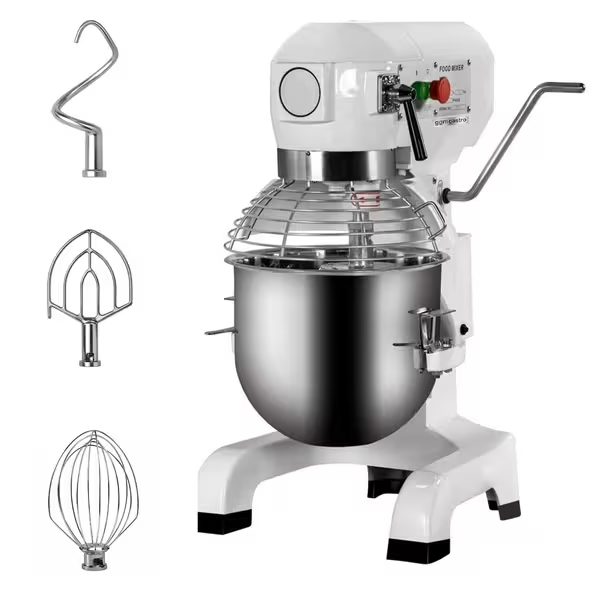
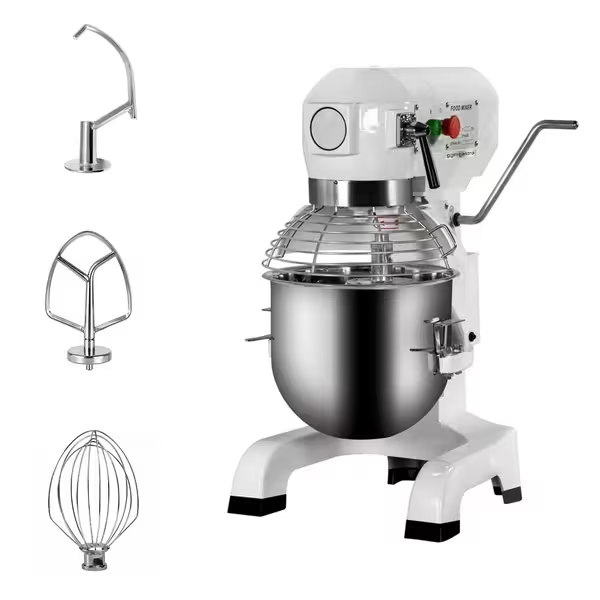
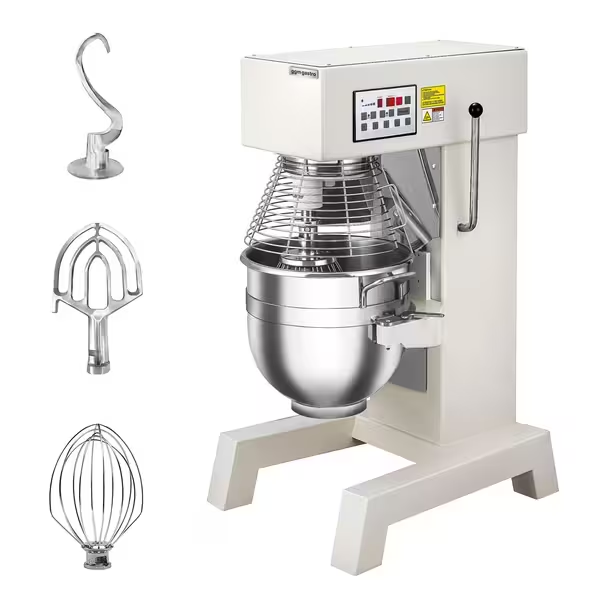
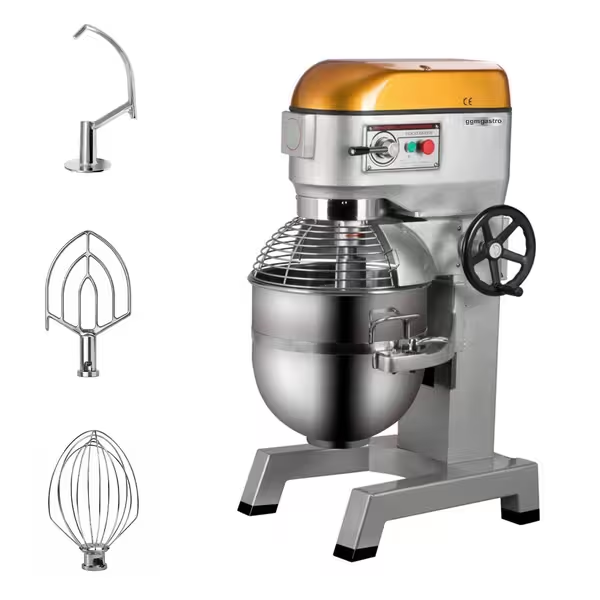
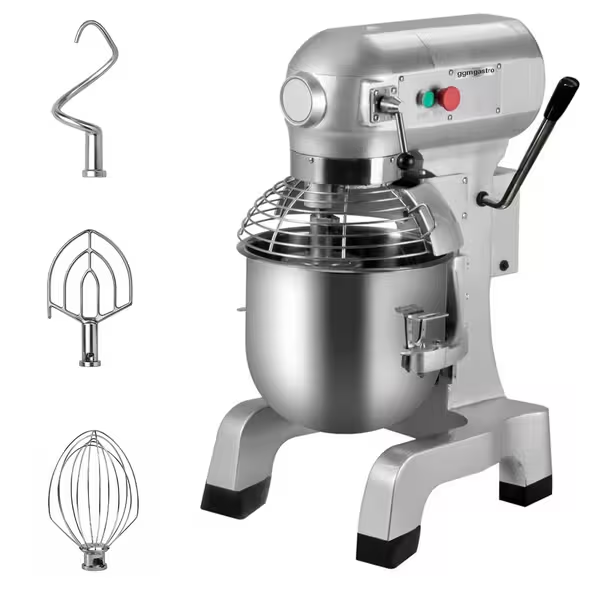
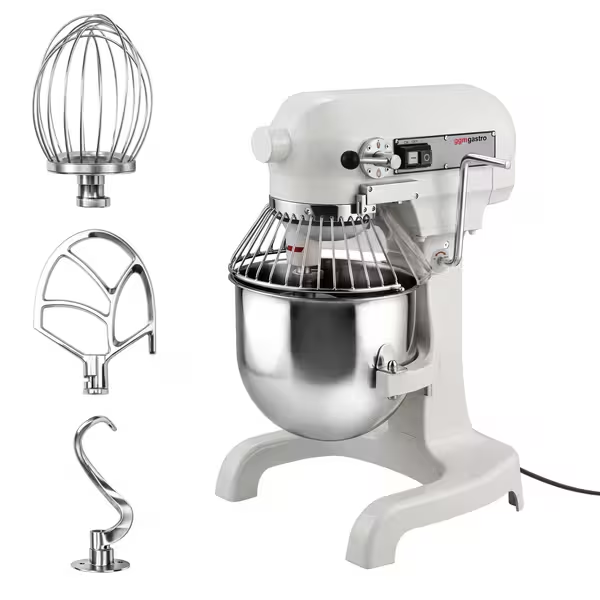
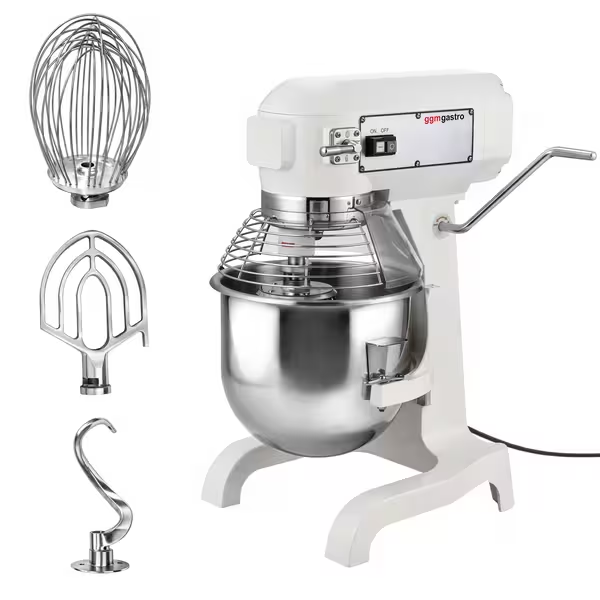
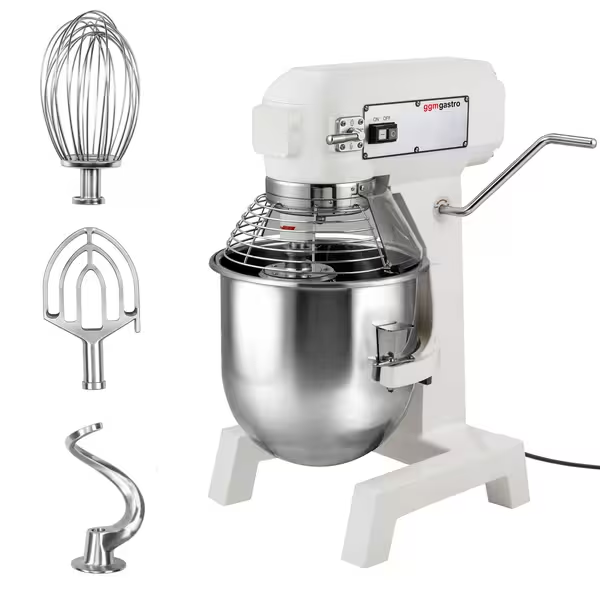
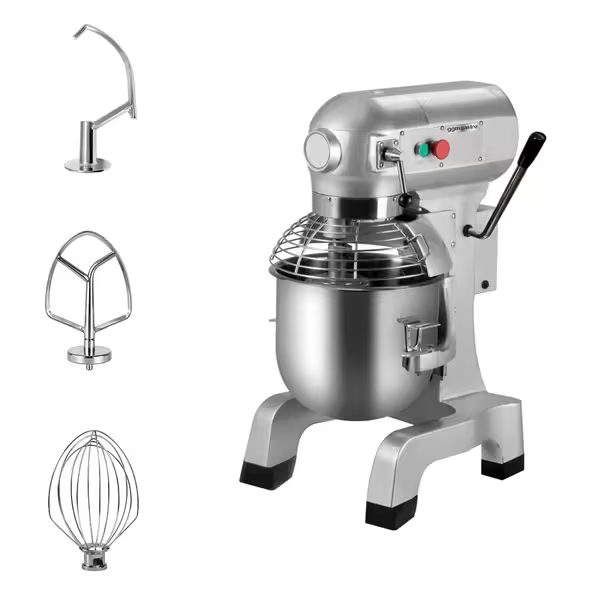
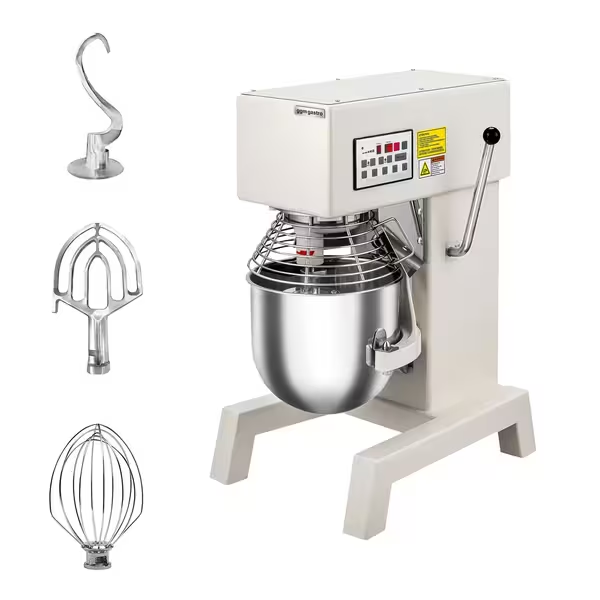
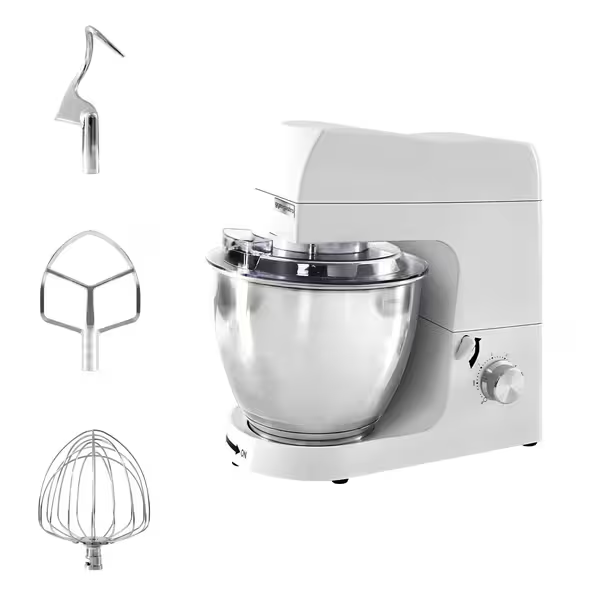
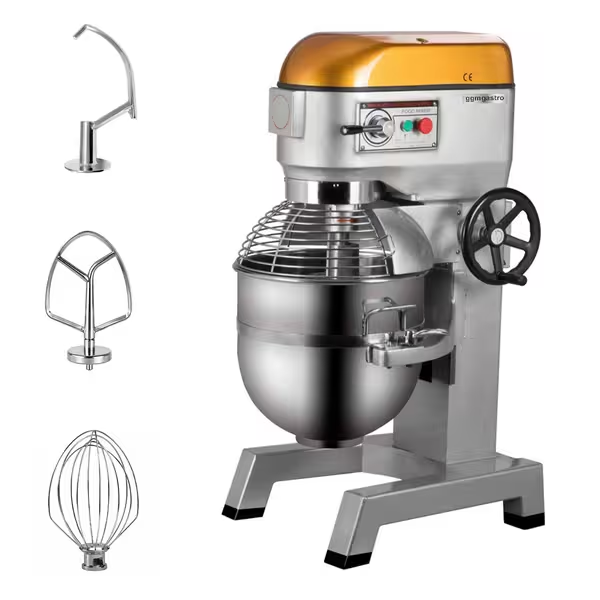
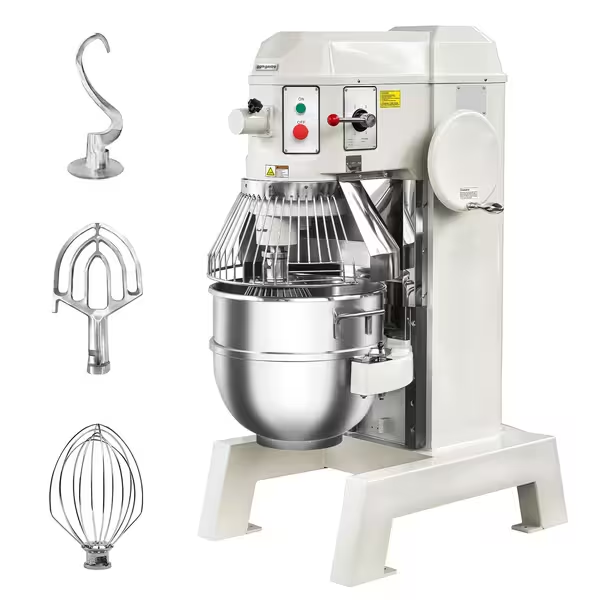
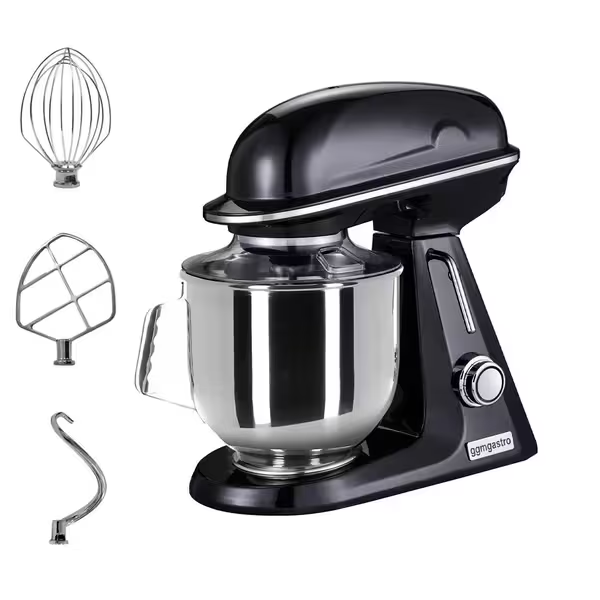
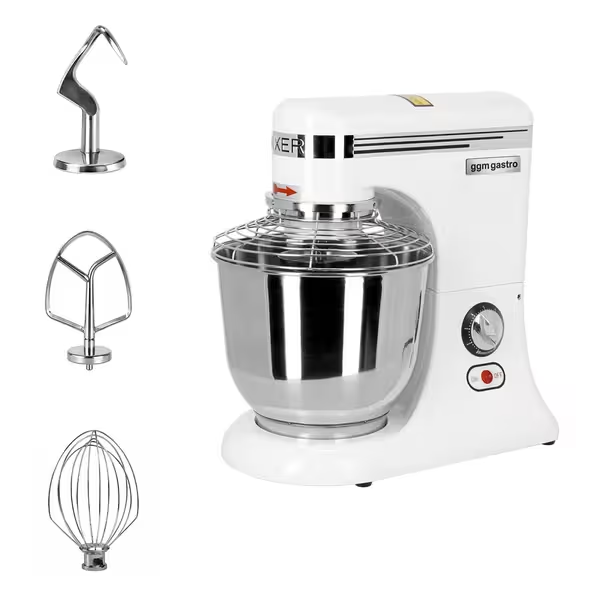
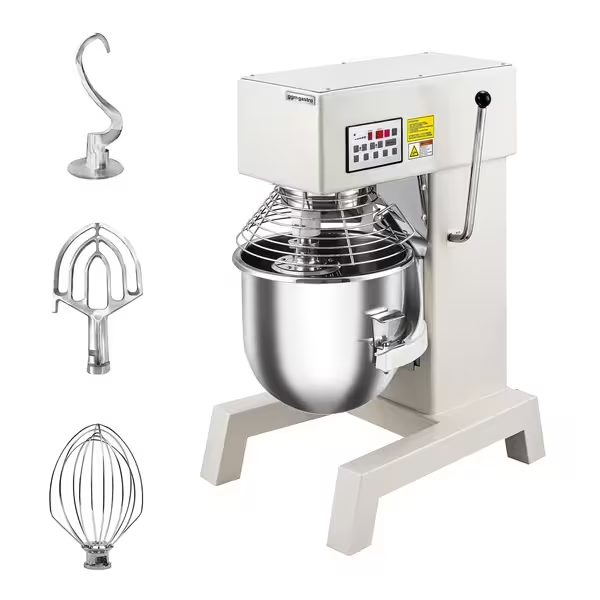
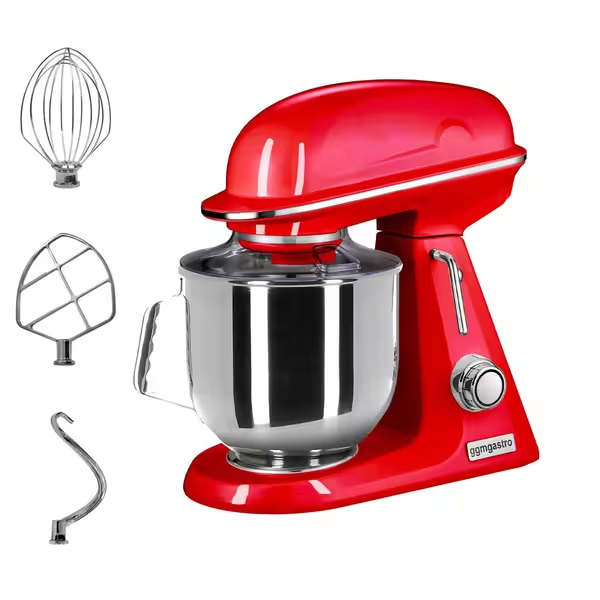
Planetary mixers for flexible commercial preparation
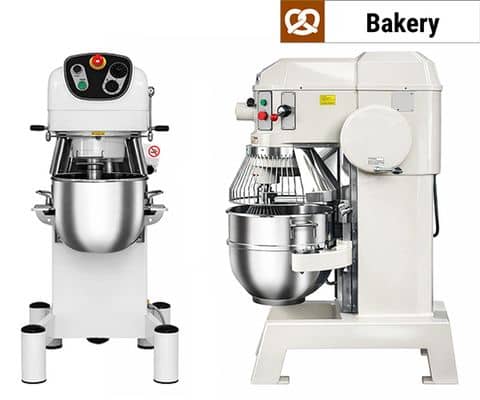
Planetary mixers are powerful commercial mixing and whisking machines. Their name comes from the distinctive movement of the attachment: it rotates on its own axis while travelling around the bowl, rather like the Earth rotating as it orbits the sun. This processes ingredients thoroughly and evenly. They are suitable for creams, whipping cream, egg whites, fillings, cake mixes and, depending on the model, certain light to medium doughs.
In bakeries, patisseries, hotel kitchens, restaurants, catering businesses and institutional catering, they handle recurring mixing and beating tasks. This reduces manual preparation, supports consistent batches and frees staff time for portioning, further preparation or service.
Choose bowl capacity and design to suit production
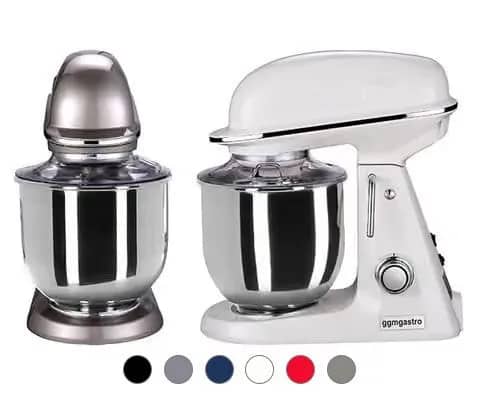
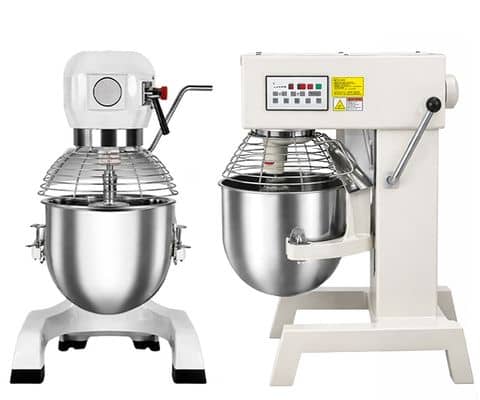
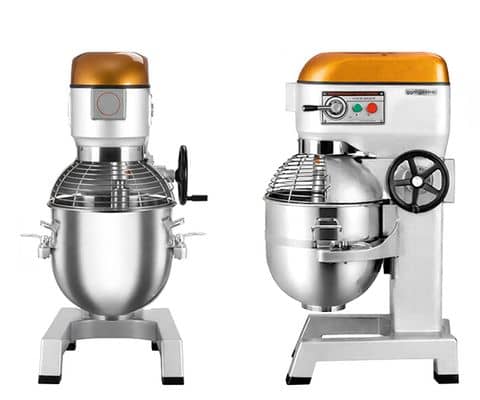
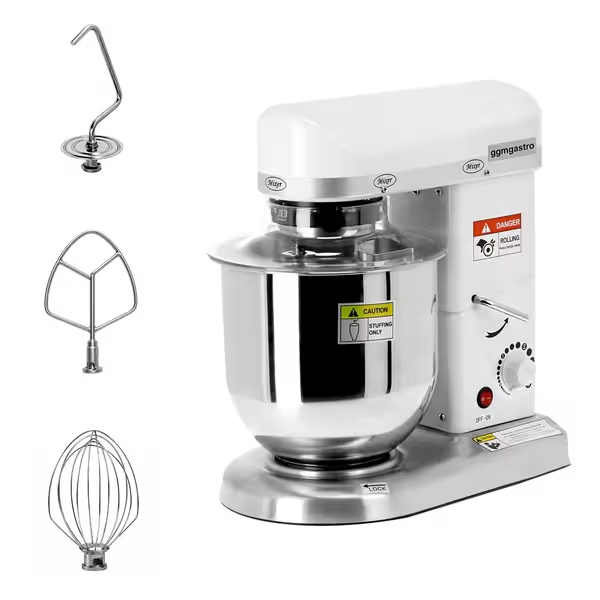
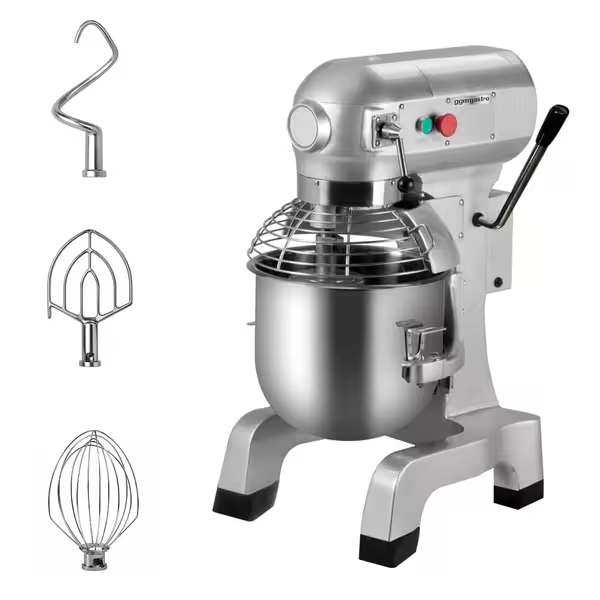
Bowl capacity is one of the key selection criteria. Compact machines with 5 to 7 litre bowls suit small batches, limited space and varied tasks. Models with 10 to 20 litre bowls suit regular production, while 30 to 60 litre versions are particularly relevant to bakeries, production kitchens and businesses with higher output.
However, the litre capacity alone does not show how much product can actually be processed. Cream, sponge mixtures and dough change volume in different ways. Minimum batch size, attachment and speed also affect the result. Your usual batch size therefore matters more than an occasional peak quantity.
Countertop models save space and fit well onto existing stainless steel kitchen furniture. Floor-standing machines offer greater capacity and a dedicated workstation, but need sufficient room for bowl removal, cleaning and operation.
In a small preparation kitchen, a compact position near the scales, ingredients and work surface is practical. In a production kitchen, a dedicated, accessible machine area helps prevent filling, bowl changes and cleaning from obstructing other working routes.
Consider attachments, speeds and power supply
Whisks, flat beaters and dough hooks perform different tasks. The whisk incorporates air into cream, egg whites and light mixtures. The flat beater handles creams, fillings and cake mixes. The dough hook should only be used for doughs approved for the specific machine.
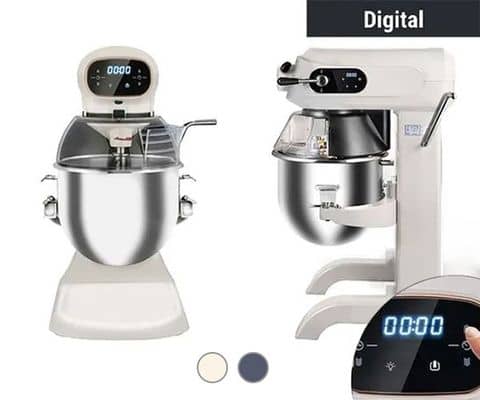
Several speed settings make it easier to move from gentle combining to fast whisking. Digital controls, timers and stored run times can simplify recurring recipes, especially with changing teams or multiple production shifts.
Include the power supply early in your planning. Compact machines often operate on 230 V, while more powerful floor-standing models may need 400 V. Before ordering, check connected load, circuit protection, machine dimensions and available space together.
Quick check for choosing a model
-
Does bowl capacity suit your usual batch and the minimum fill requirement?
-
Is a countertop model sufficient, or would a dedicated floor-standing machine work better?
-
Are a whisk, flat beater and dough hook included?
-
Do the speeds and controls cover your daily recipes?
-
Do the power supply, dimensions and bowl removal arrangement suit the workstation?
Hygiene and durability in everyday use
Commercial operations often change products and recipes several times per shift. Removable stainless steel bowls, detachable attachments and accessible splash areas reduce cleaning time and make hygienic changeovers easier. Bowl guards, splash guards and safety cut-outs improve operational safety where fitted to the chosen model.
Robust construction also matters with frequent use. Repeated starts, changing speeds, heavy bowls and mechanical loads should not disrupt the workflow unnecessarily. A stable position and an ergonomic bowl mounting are especially important when larger batches are processed several times a day.
Planetary mixer or specialist dough mixer?
Planetary mixers are particularly useful for processing different mixtures with interchangeable attachments. If regular production of heavy pizza or bread dough is the main task, dedicated dough mixers are usually a more suitable choice. This distinction helps prevent overloading and ensures the machine matches your core process.
After mixing or kneading, dough dividers and rounders can organise the next preparation stage. Adequate set-down space, attachment storage close to production and accessible warewashing equipment also help keep the workstation clean.
Plan for value beyond bowl size
A correctly sized planetary mixer supports organised preparation, repeatable recipes and clear responsibilities within the team. Undersized machines require extra batches more often, while oversized models can tie up space and capital.
The key is the combination of product type, batch size, frequency of use, operation, cleaning and power supply. This gives you a solution that meets the technical requirements and fits daily production effectively.