


Bakery Fridges & Freezers for Commercial Bakeries
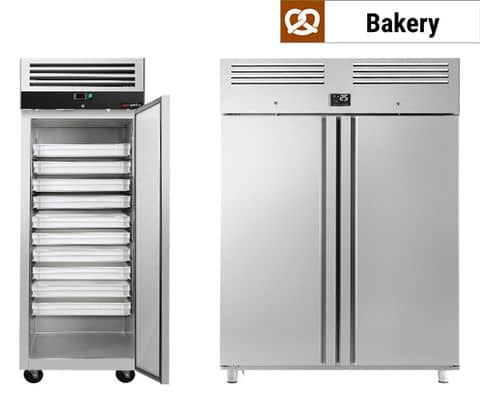
Bakery fridges keep dough pieces, baked goods and prepared components chilled in cabinets designed for bakery trays. EN 600 x 400 and EN 600 x 800 models in a range of capacities make it easier to match refrigeration to production volumes, available space and workflow. Find the right model for your bakery in our buying guide »
Product type
Capacity
Price
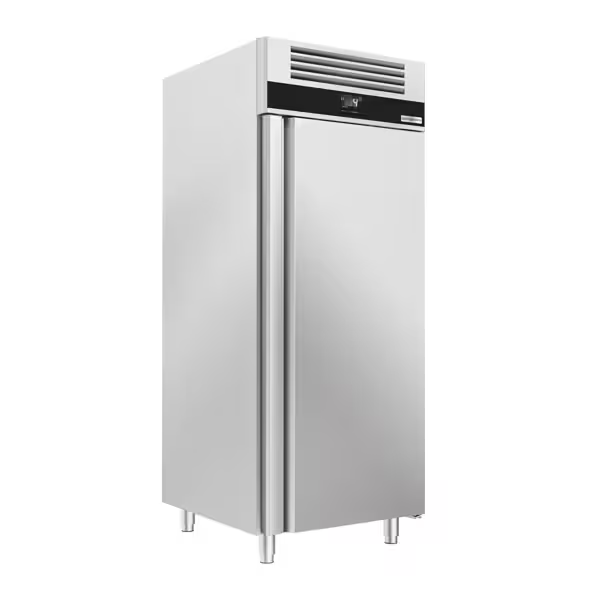
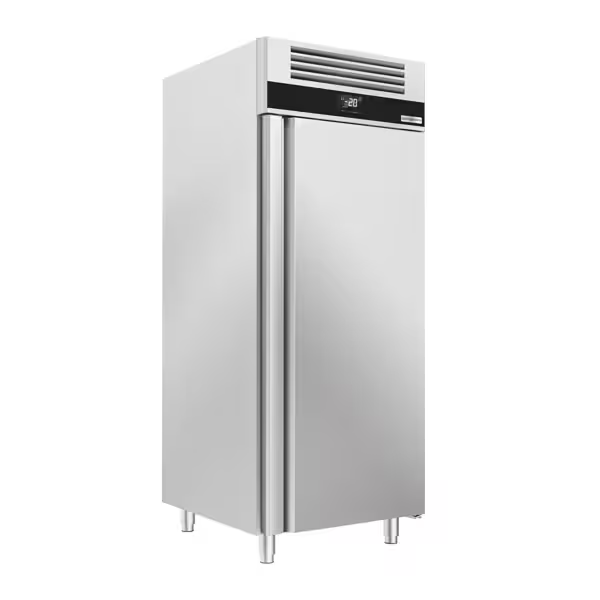
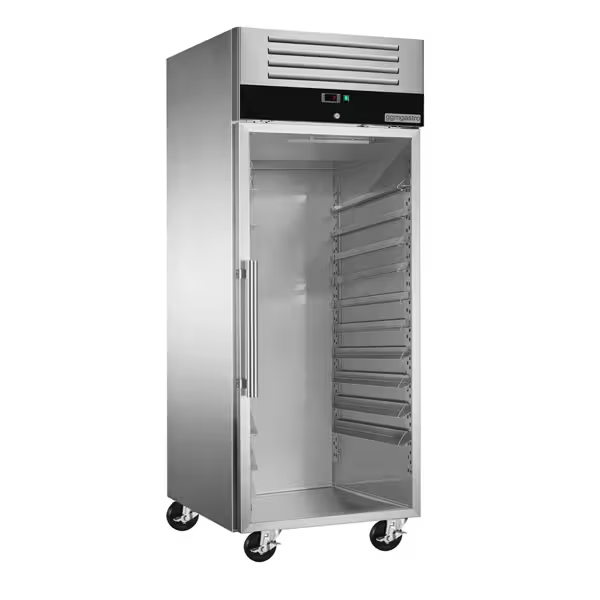
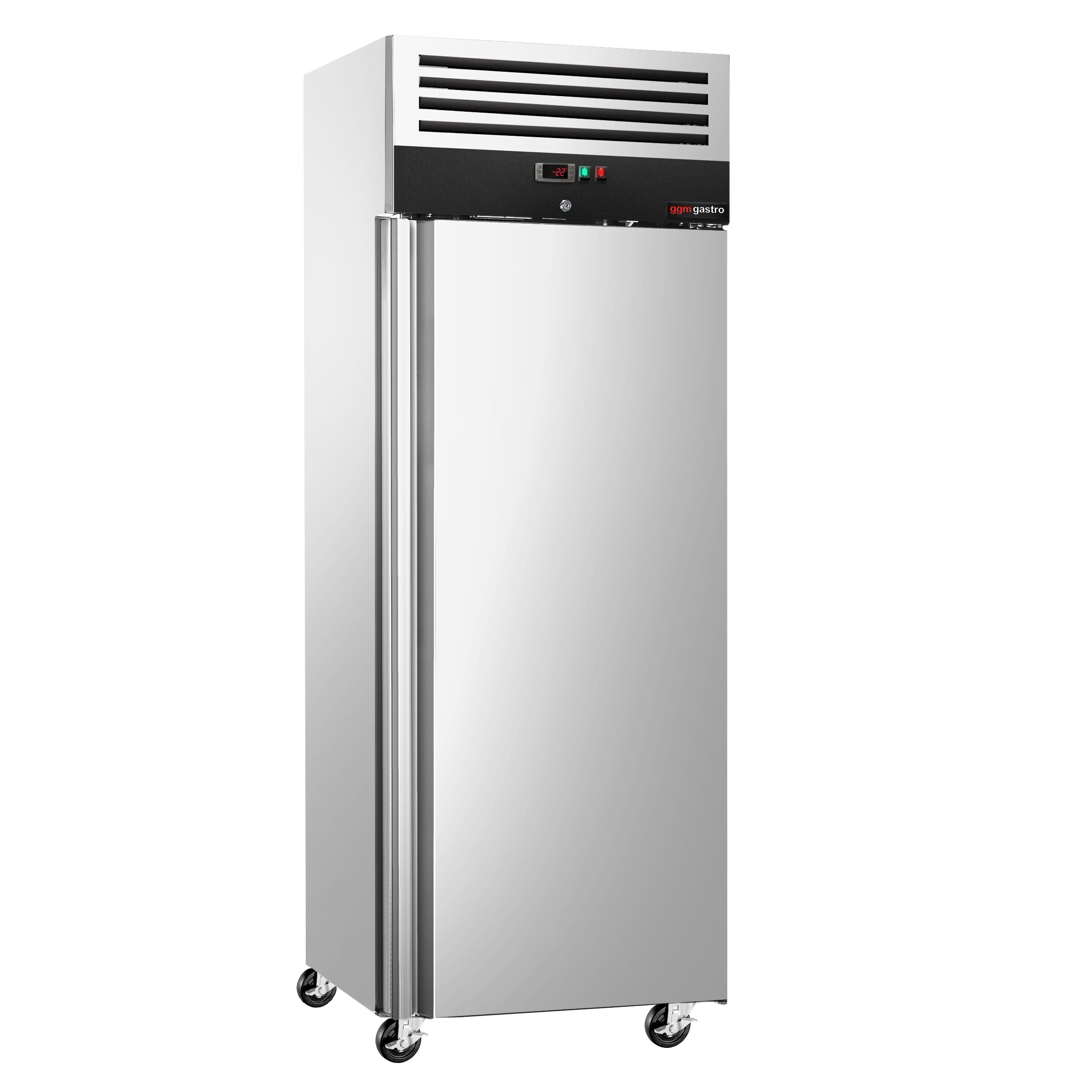
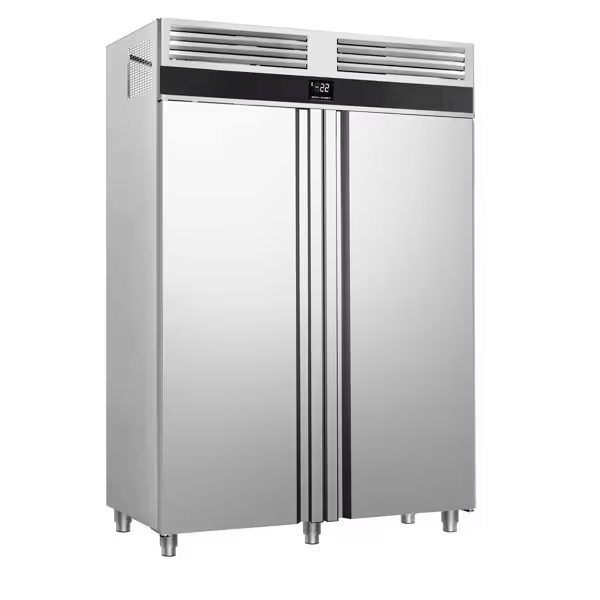
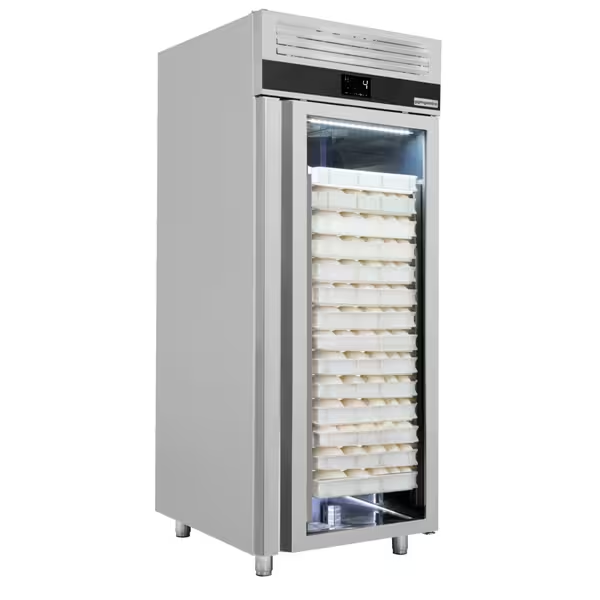
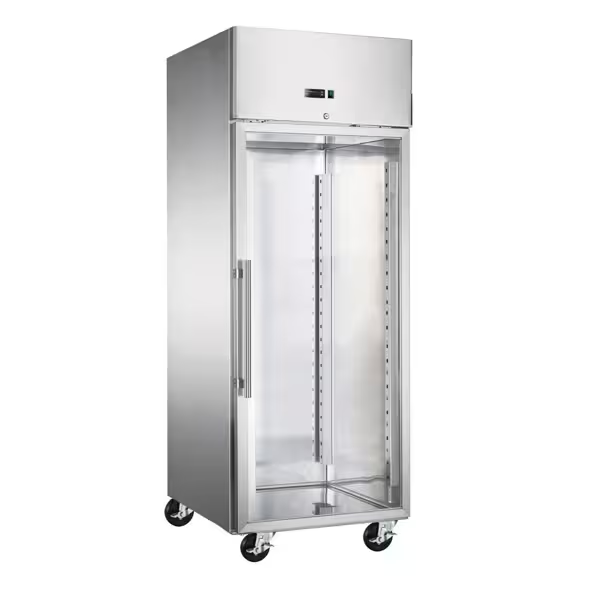
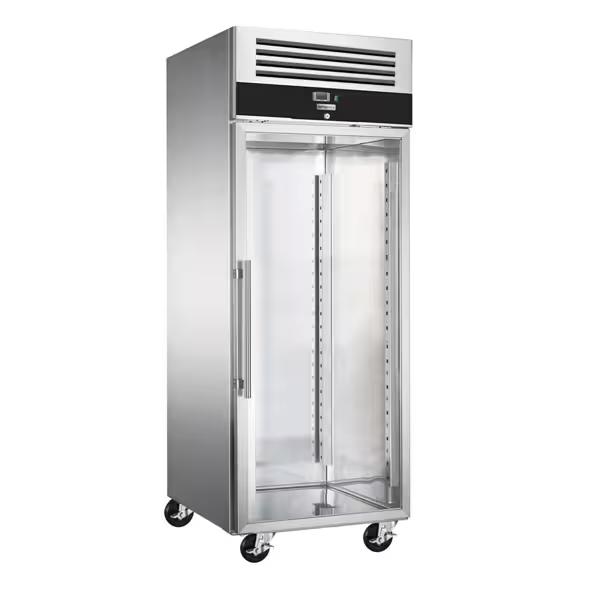
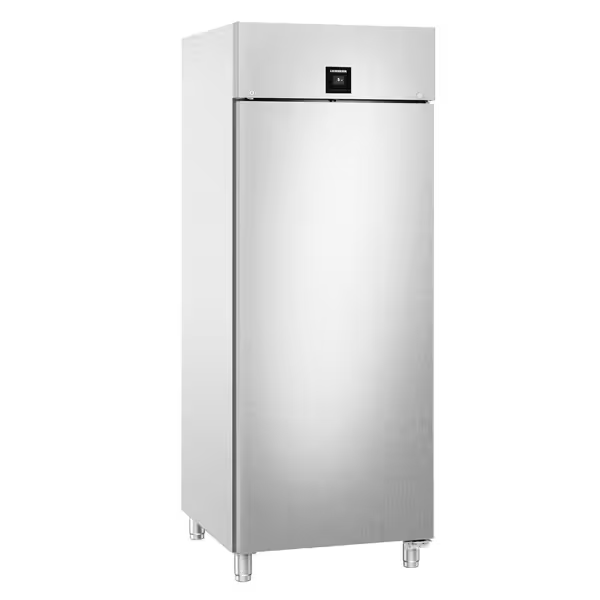
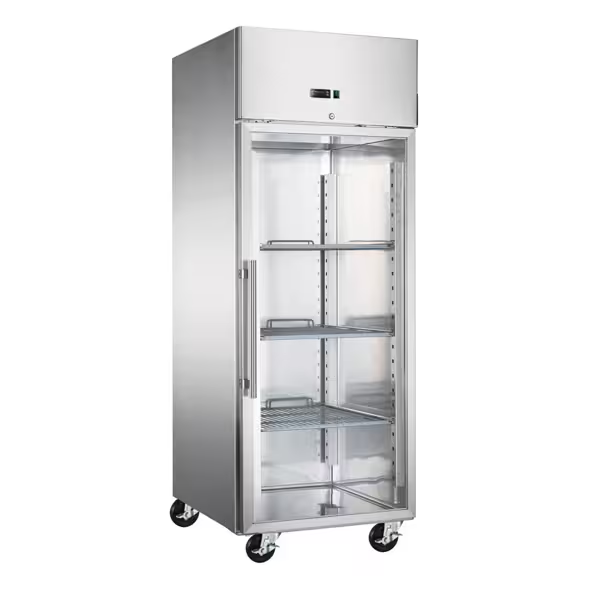
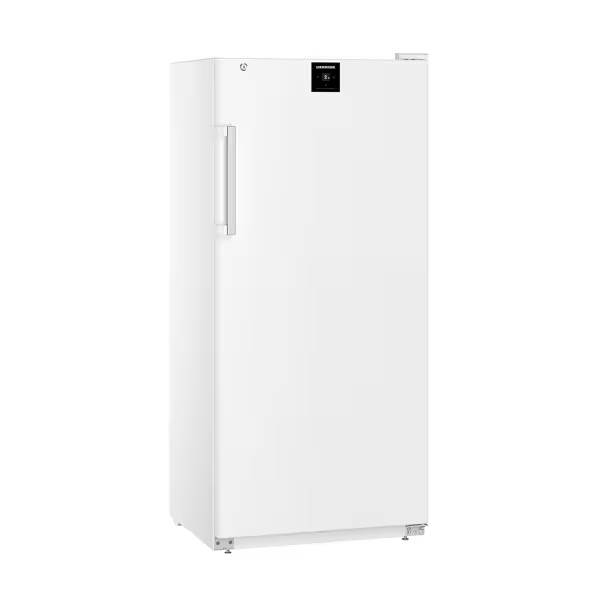
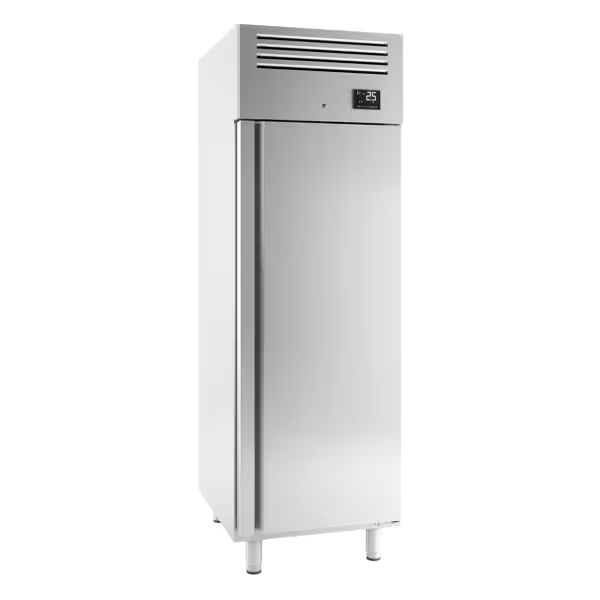
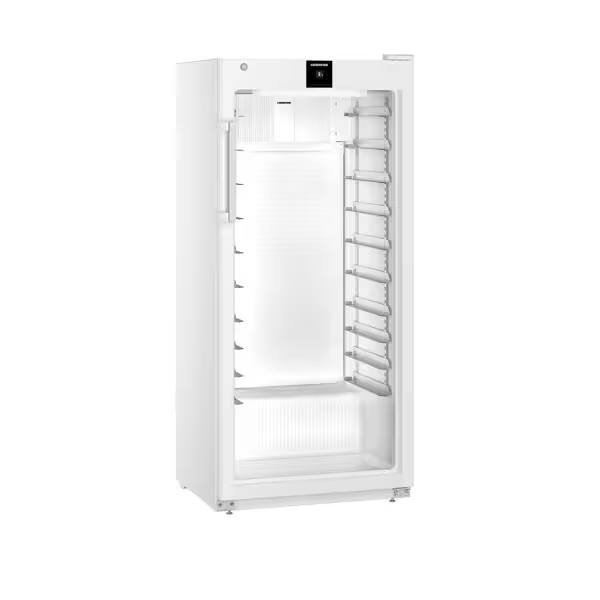
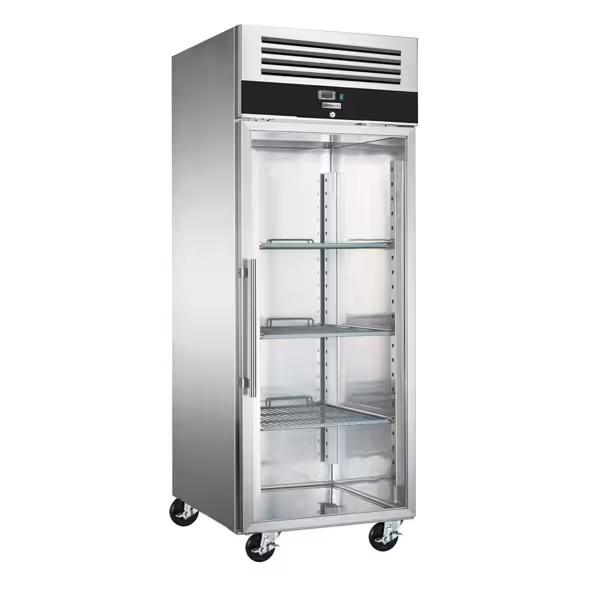
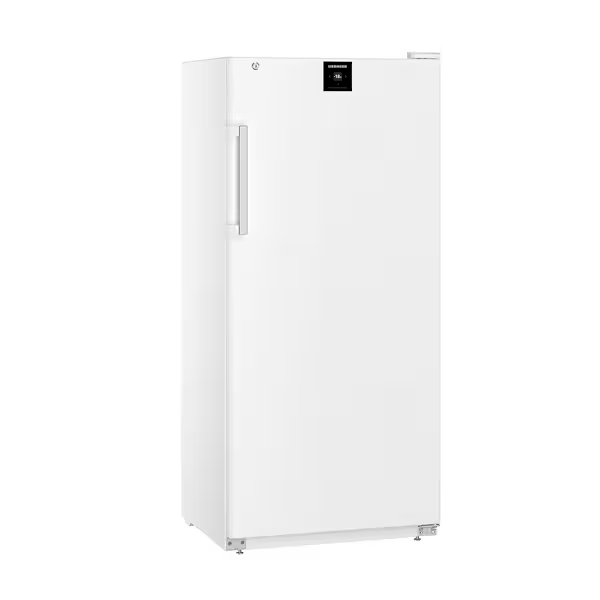
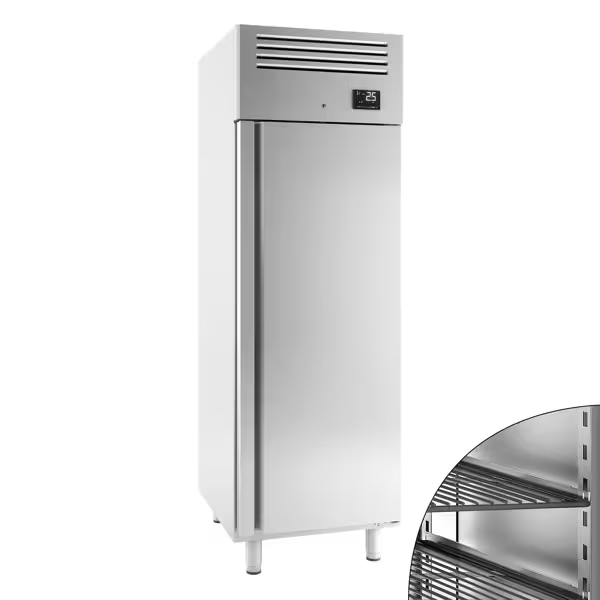
Bakery fridges bring refrigeration into the production workflow
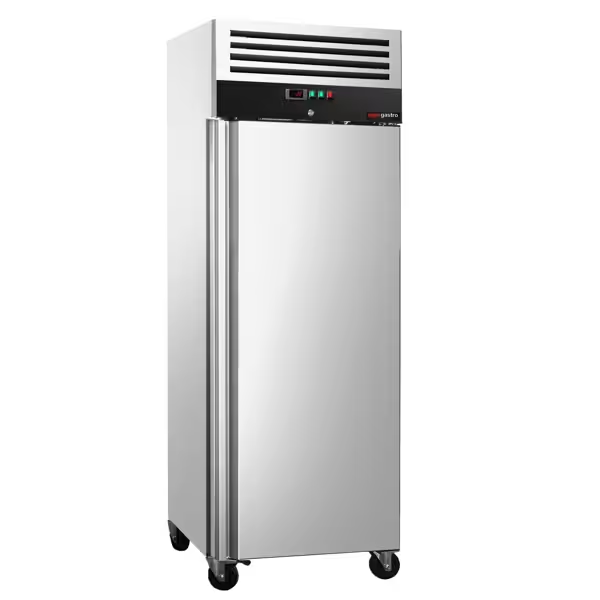
Bakery fridges are commercial cabinets with interiors designed around standard baking tray sizes. They keep dough pieces, prepared bakery products and temperature-sensitive components close to hand, linking storage to an organised production flow in a bakery, cake shop or patisserie.
Their main practical advantage is proximity to the work itself. Loading prepared trays directly after dividing or shaping avoids unnecessary transfers and walking. During morning preparation or before a busy sales period, you can hold a defined quantity under refrigeration without opening the main storage fridge each time. In a production line covering dough mixers, shaping, refrigeration, proving cabinets and baking, the cabinet creates a clear handover point between stages.
Choose the right tray size, capacity and temperature
Tray size is the most important compatibility factor. The range includes bakery fridges for EN 600 x 400 and EN 600 x 800 trays. Depending on the model, each level accommodates one large tray or two 600 x 400 trays. Tray dimensions, runners and your existing baking trays must match so that trays can move between preparation, refrigeration and the oven without transferring their contents.
Base capacity on actual production volumes rather than the largest available cabinet. The current selection ranges from compact models around 500 to 600 litres through 737, 800 and 850 litres to double-door units offering over 1,200 to 1,700 litres. A single-door cabinet can shorten walking distances in a smaller bakery, while larger production volumes benefit from more internal space and separate door sections.
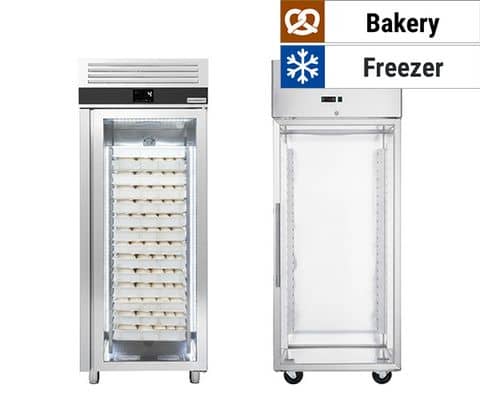
The products you store determine the temperature required. Depending on the model, bakery fridges operate at around -2 to +8 °C or up to +10 °C. Bakery freezers serve a different purpose and reach much lower temperatures, such as -22 to -18 °C. Chilled and frozen storage fulfil different tasks, so available volume alone should not determine your choice.
Consider floor space, doors and cleaning in everyday bakery use
A bakery fridge must work with its door open as well as fit into its allocated space. Models in the range are often around 70 to 100 cm deep and approximately two metres high; larger double-door units need considerably more width. Before ordering, check external dimensions, door clearance, access routes and the direction in which trays are loaded. Solid doors provide enclosed storage, while glass doors make contents visible and can reduce time spent searching.
Stainless steel cabinets and accessible interiors suit regular commercial cleaning. Look for smooth, reachable surfaces, removable tray runners and a layout that avoids difficult-to-clean areas where crumbs, flour dust and condensation can collect. Allocating space by tray or production batch also makes organisation and replenishment easier.
Quick check for bakery refrigeration
-
Tray size: match EN 600 x 400 or EN 600 x 800 to your existing trays.
-
Capacity: consider the number of trays needed at once and peak production.
-
Temperature: distinguish clearly between chilled and frozen storage requirements.
-
Space: check width, depth, height, door clearance and working routes together.
-
Features: choose solid or glass doors, door count and tray capacity to suit access frequency.
Integrate bakery refrigeration cost-effectively into production
The financial benefit depends on how well the cabinet fits the process rather than any single feature. Positioning refrigeration where dough pieces are prepared or batches assembled keeps work flowing and reduces searching, carrying and rearranging. Appropriate sizing also prevents insufficient capacity from slowing peak production or oversized units from tying up space and capital unnecessarily.
In a coordinated bakery layout, the fridge complements the preceding and following stations without replacing them. Depending on your process, bakery retarder provers for controlled fermentation and bakery deck ovens for baking each fulfil separate functions. Refrigeration can then remain focused on storage and temporary chilled holding.
Considering tray size, temperature range, capacity and floor space together makes it easier to find a solution that suits your production. For replacement, refurbishment or expansion, availability, service and spare parts support also matter, as ongoing operations leave little scope for lengthy refrigeration downtime.